6 structural studies. Practice + reference completions.
A task, a reference and a way to check it
Compare a flat shape with a structural form. Place anchors, build boundaries and connect edges before adding light and dark values.
Choose US Letter or A4, then use the PDF for printing or SVG for editing. Student worksheets and answer or reference files stay separate. Every linked file is free without signup.
Choose your paper and download
Download paper size
Every worksheet and answer is free. No signup.
The complete collection
Keep practice and answers separate.
Use the student pack first, then compare the reference or answer. Packs are PDFs; individual sheets below also include editable SVG files. The paper choice applies to every download.
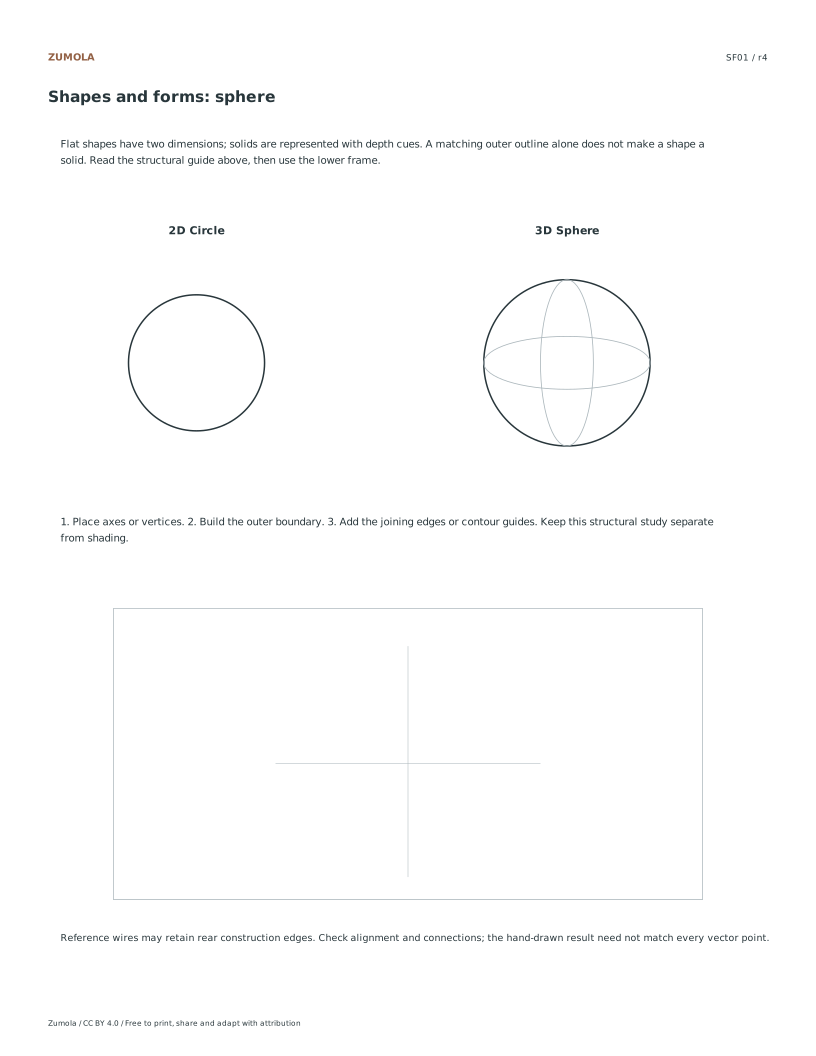
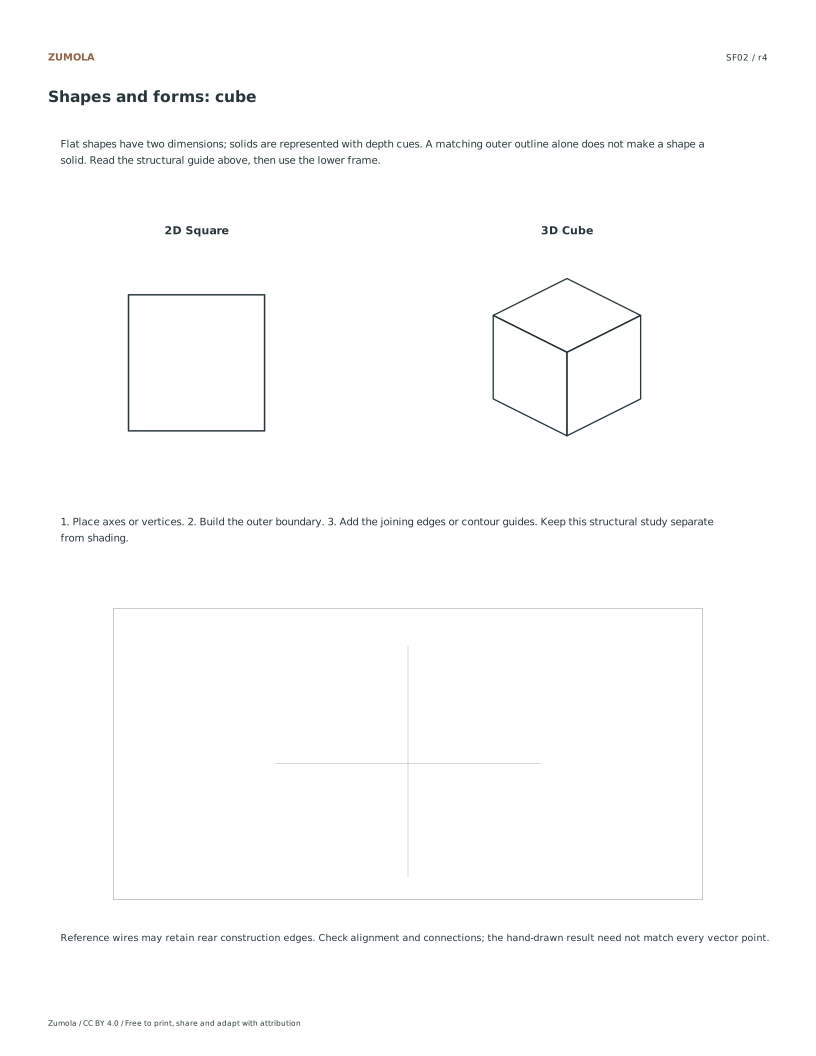
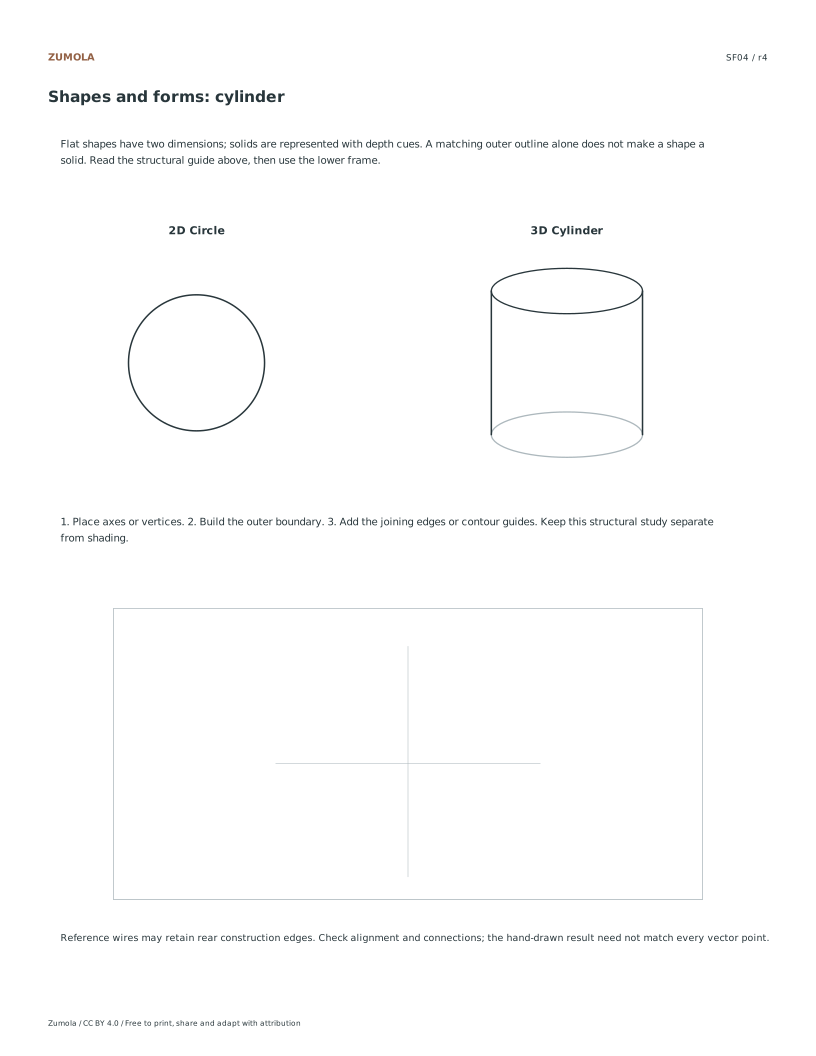
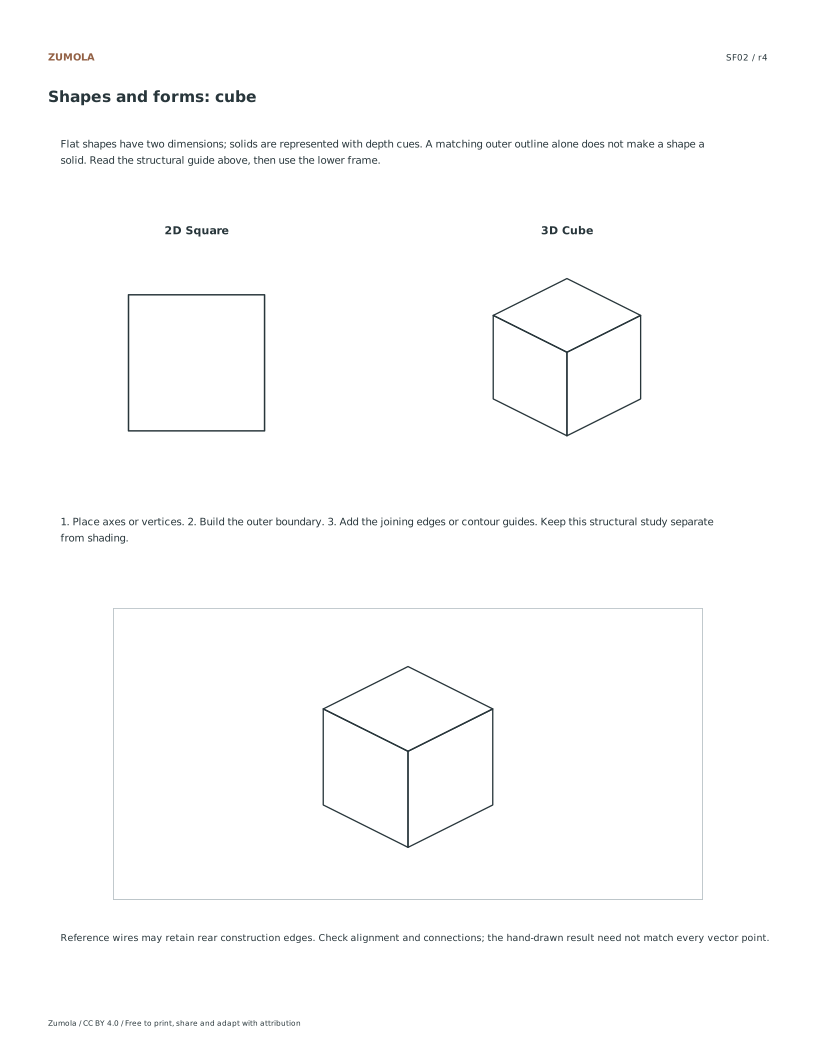
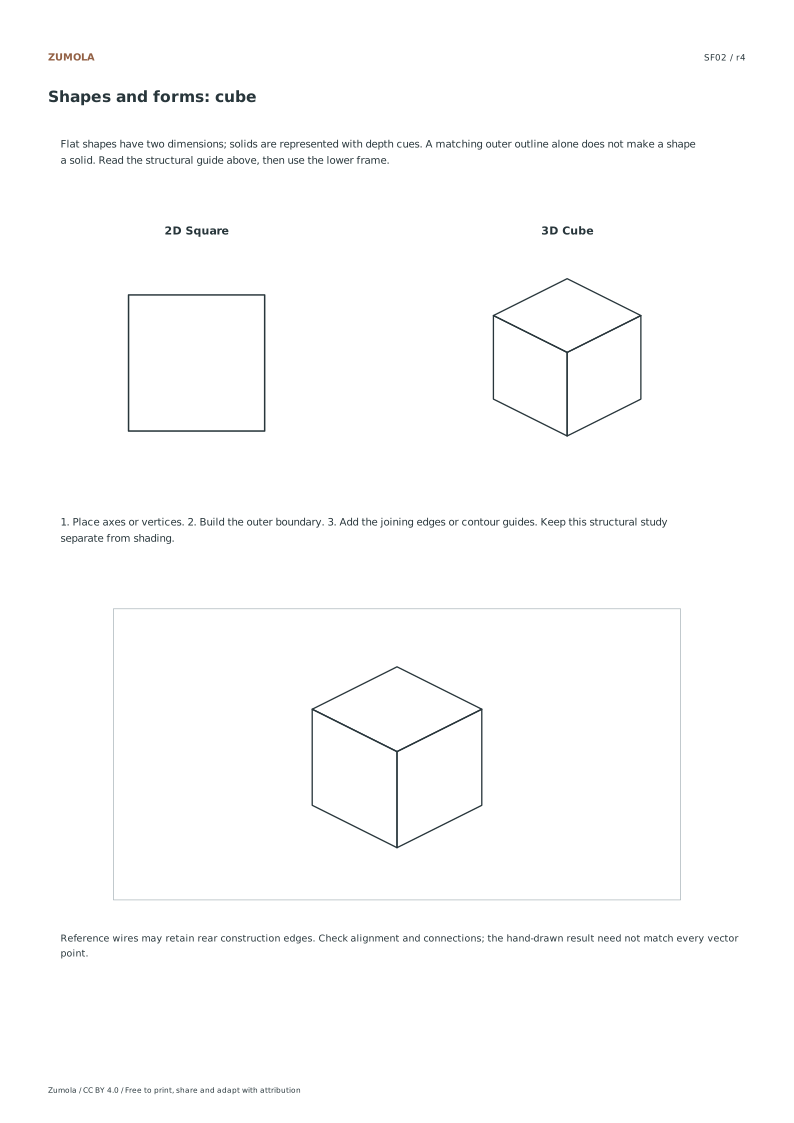
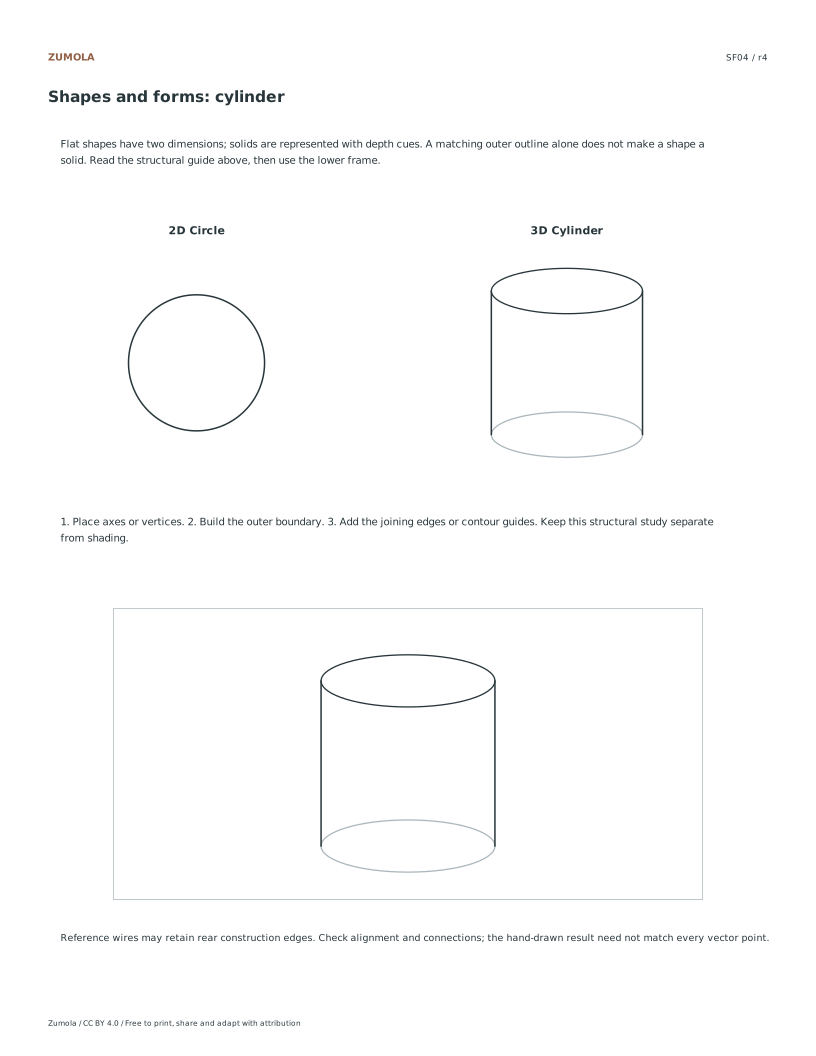
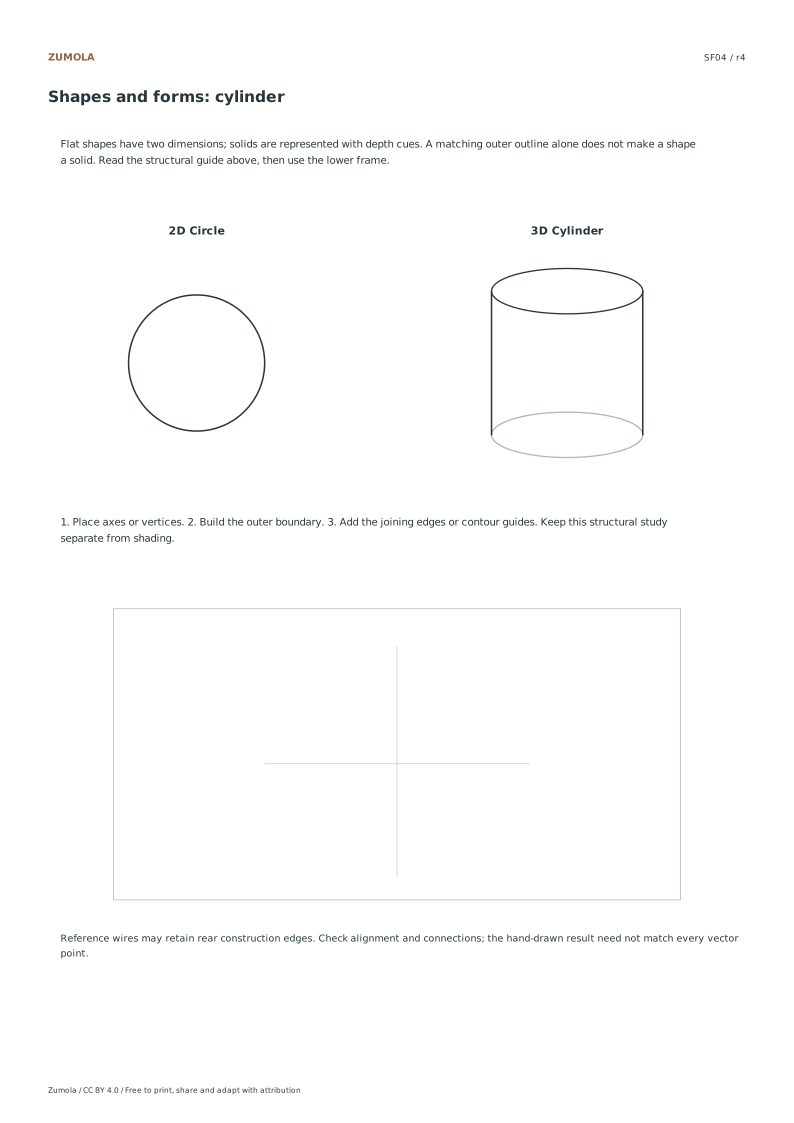
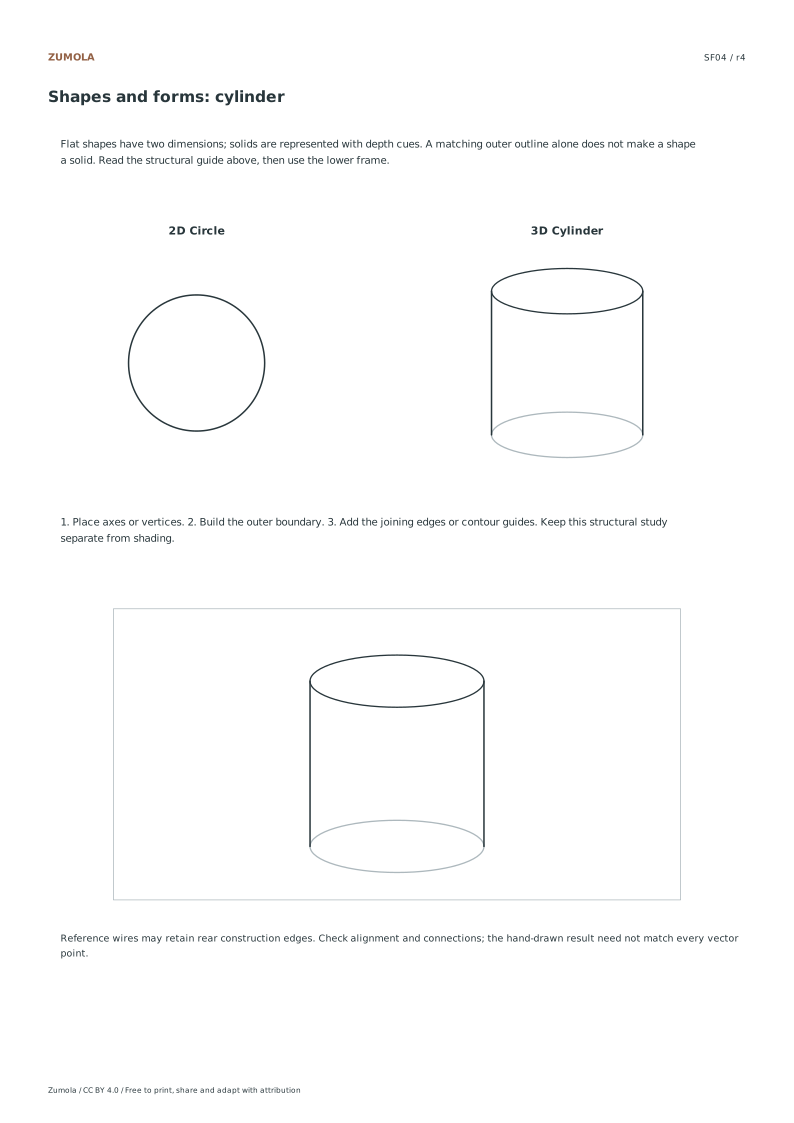
A face seen obliquely does not generally keep its true shape in a picture. The square faces of the cube are drawn as parallelograms in this parallel corner view. The circle used as a cylinder rim is represented as an ellipse. These examples compare planar shapes and volume cues; they do not say that a flat triangle automatically becomes a cone or that one circle outline proves a sphere.
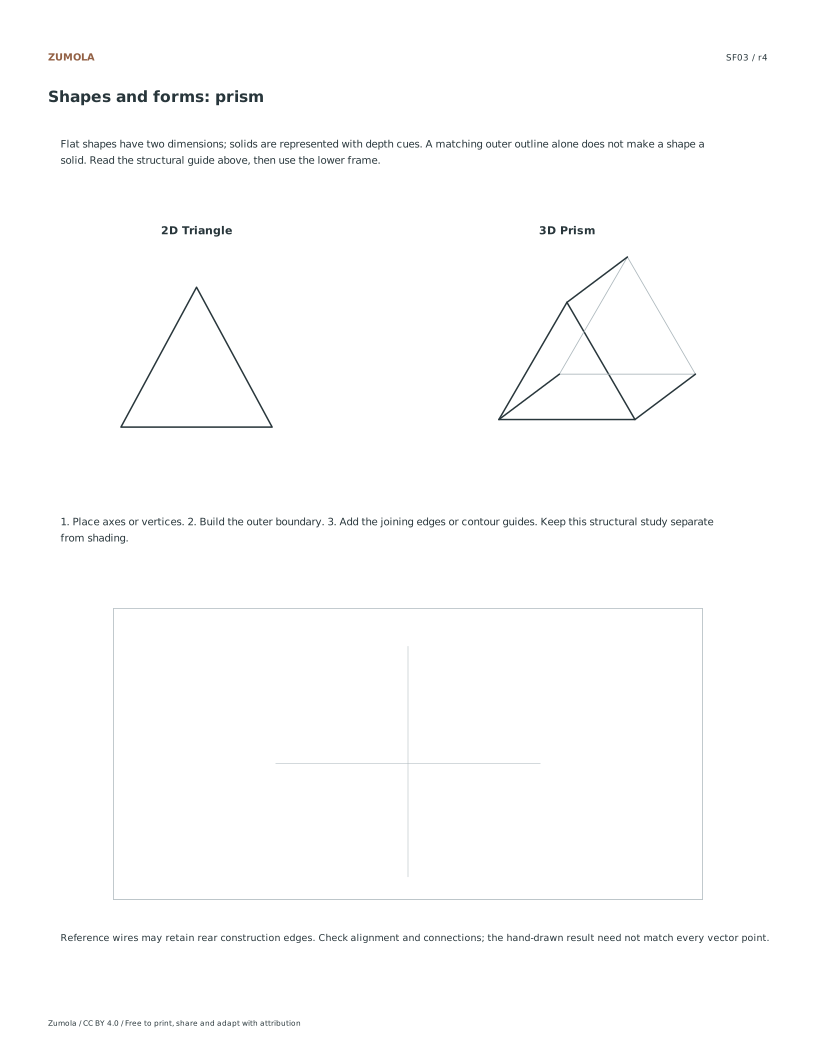
Keep the first attempt structural. A line guide across the sphere suggests how its surface turns, while a shared vertex joins faces of a prism. Shading can support form later, but it should not hide an incorrect connection in this exercise.
Work through the page
Identify Structural Anchors
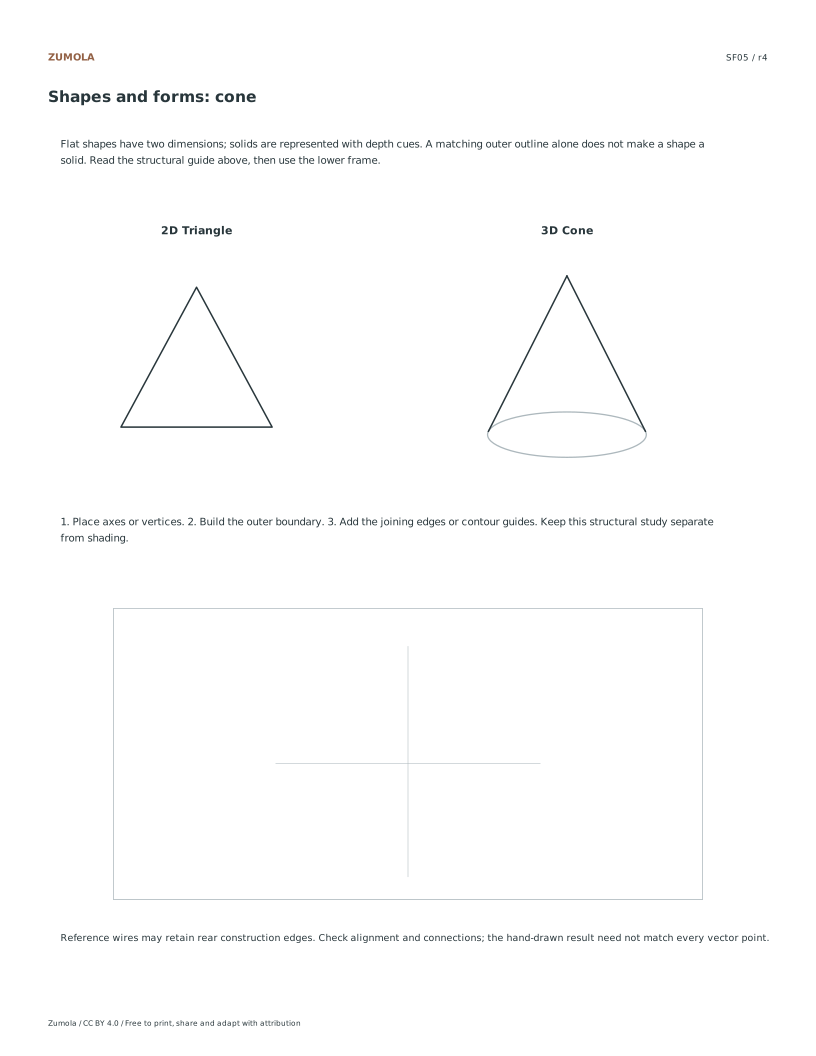
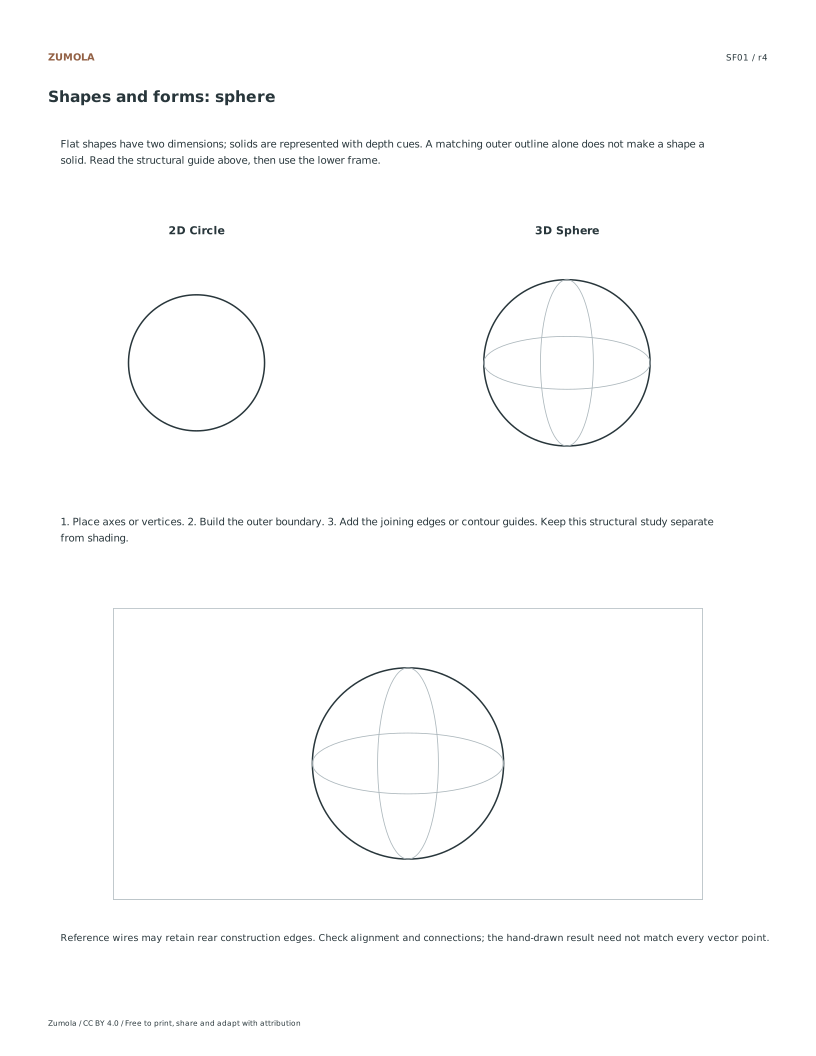
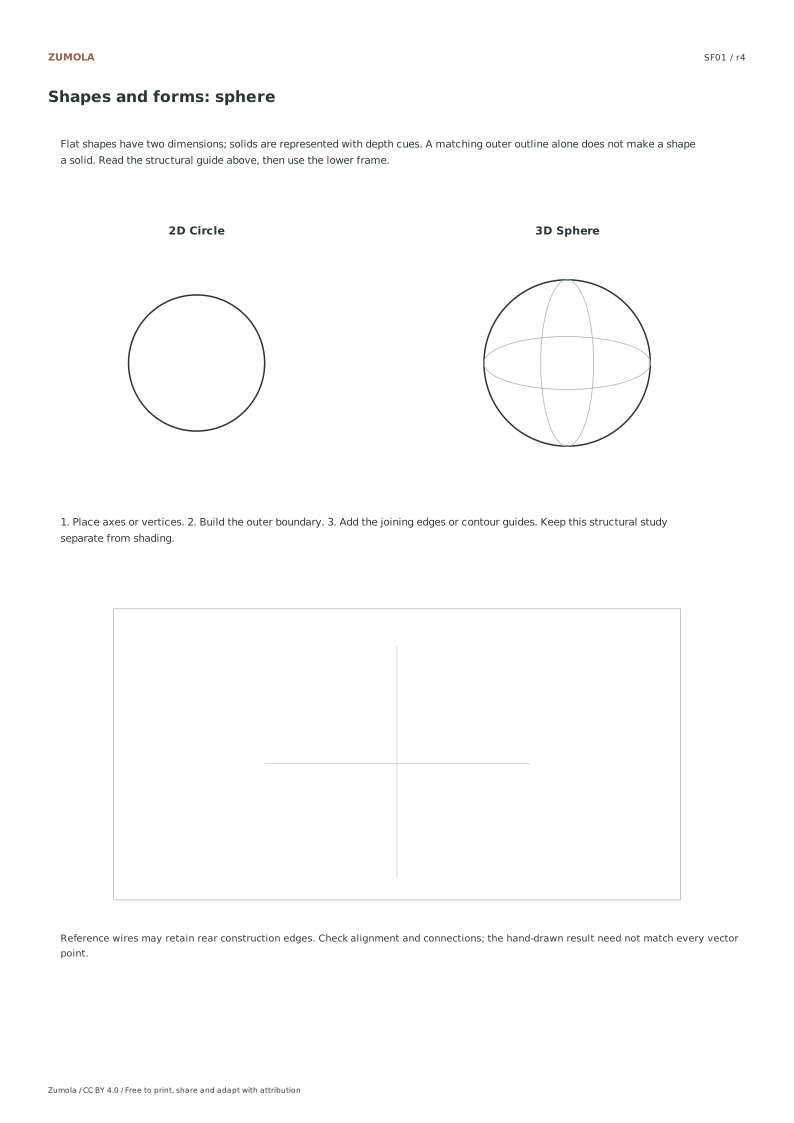
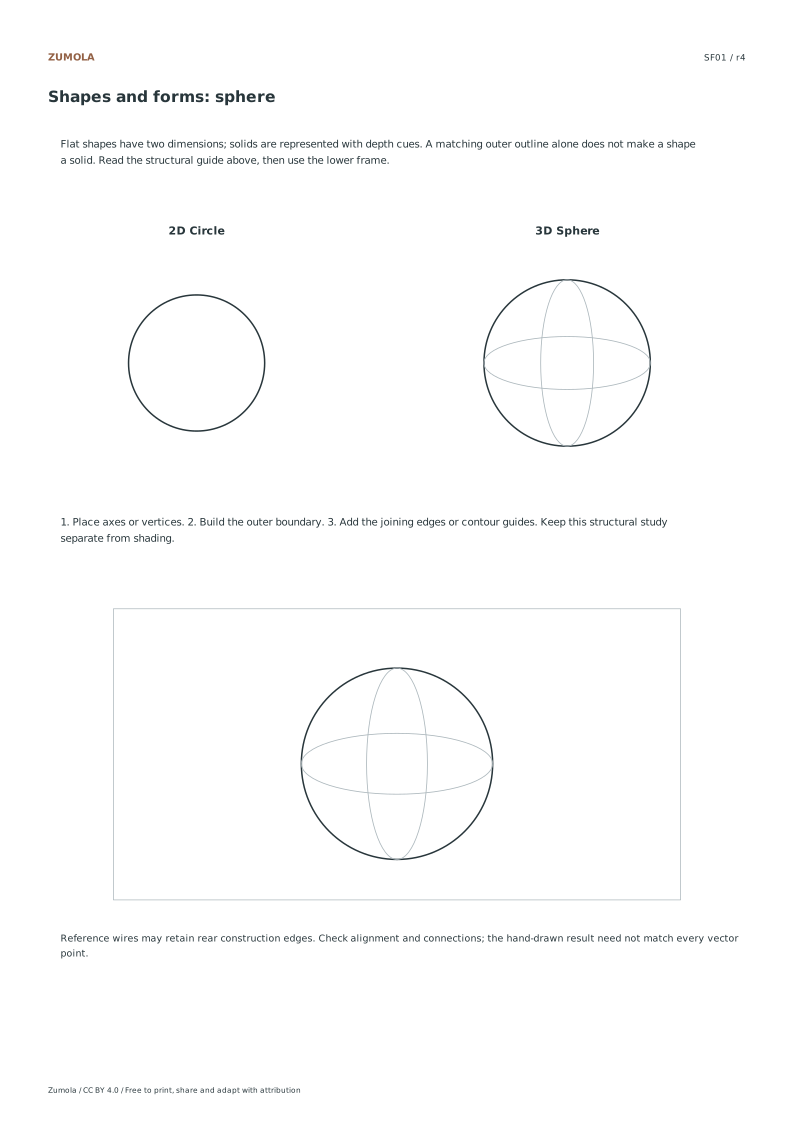
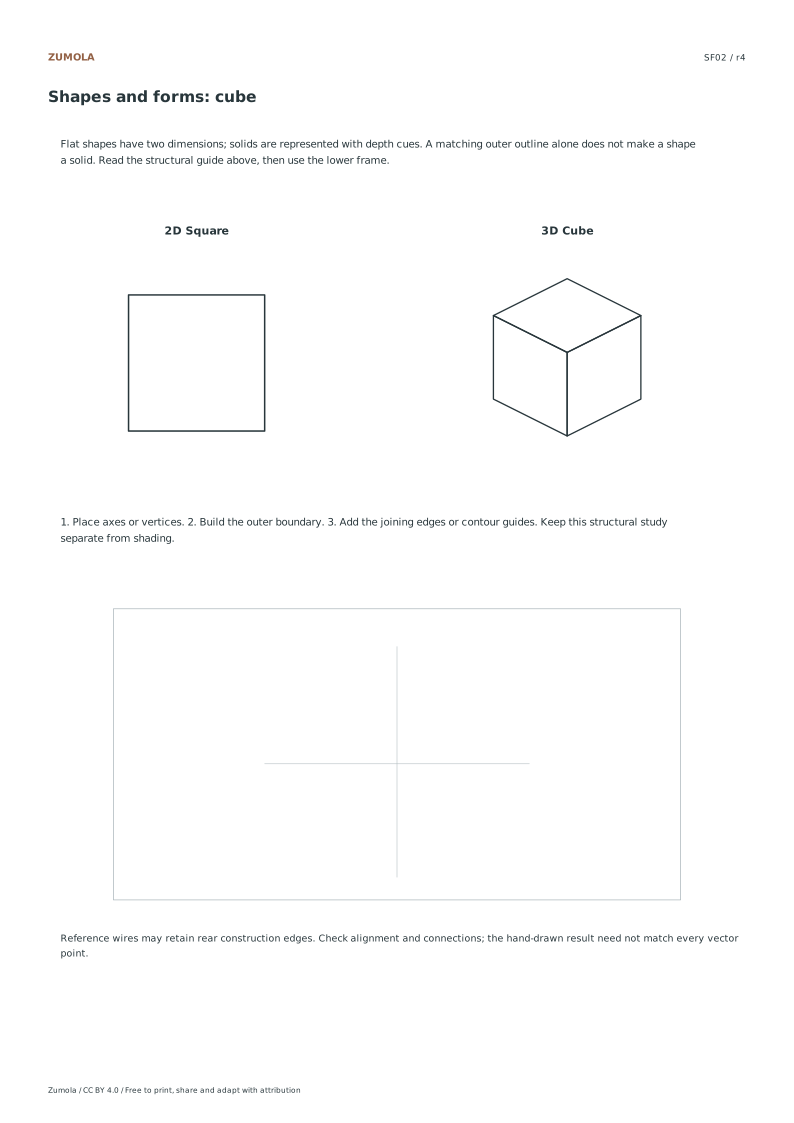
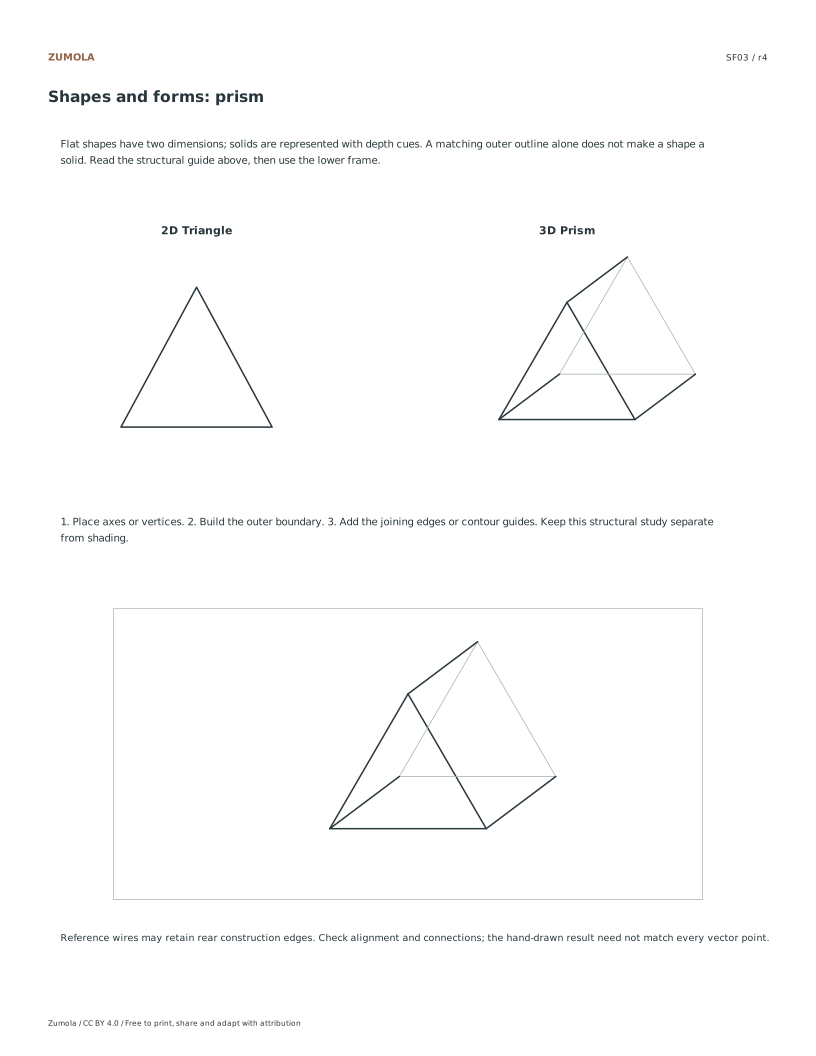
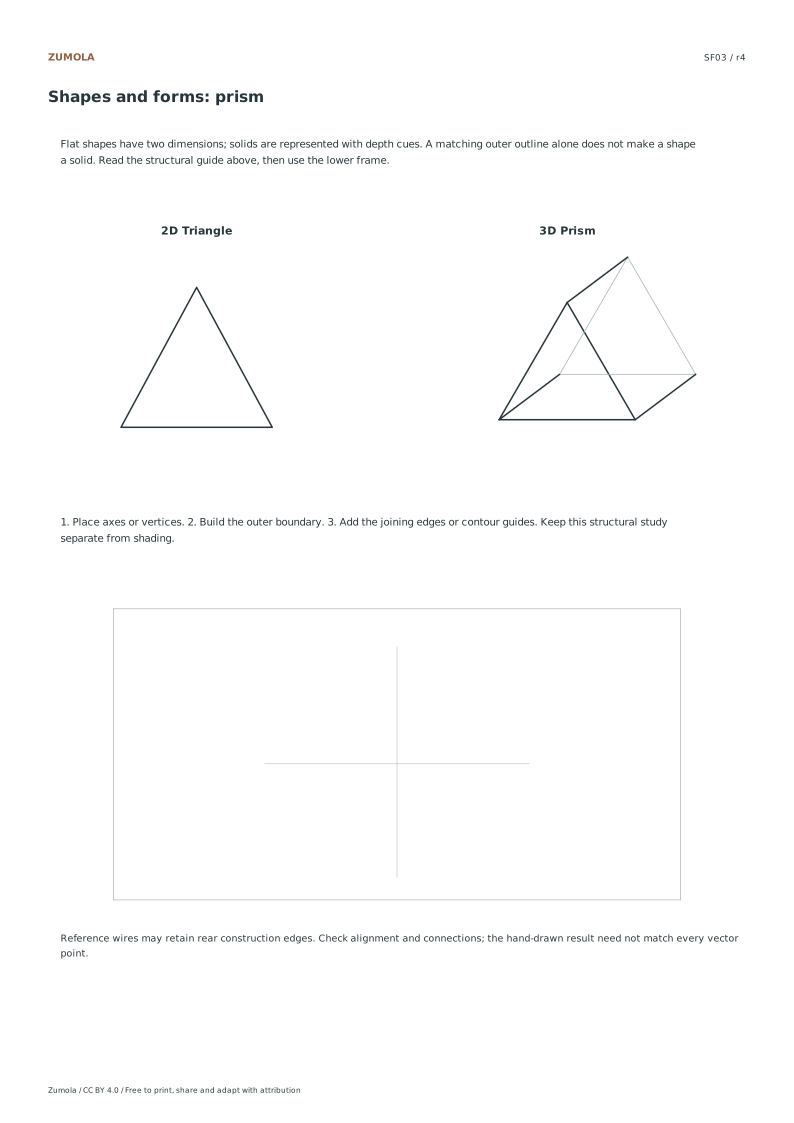
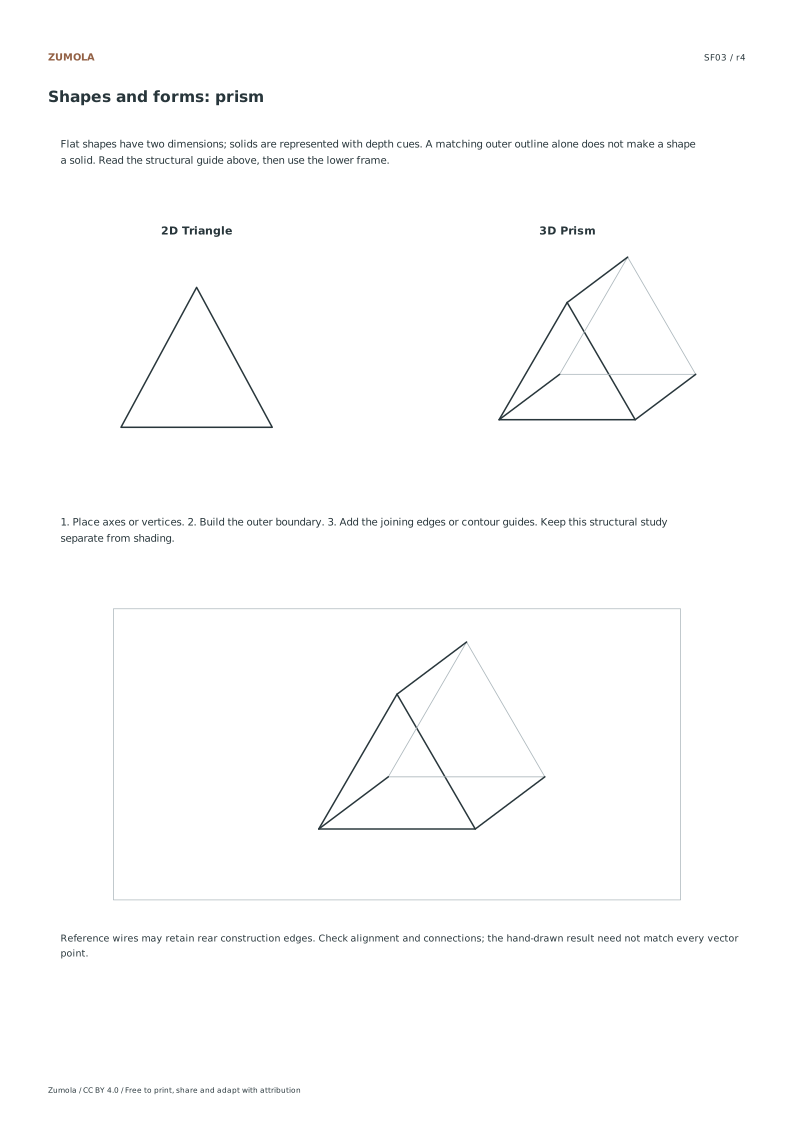
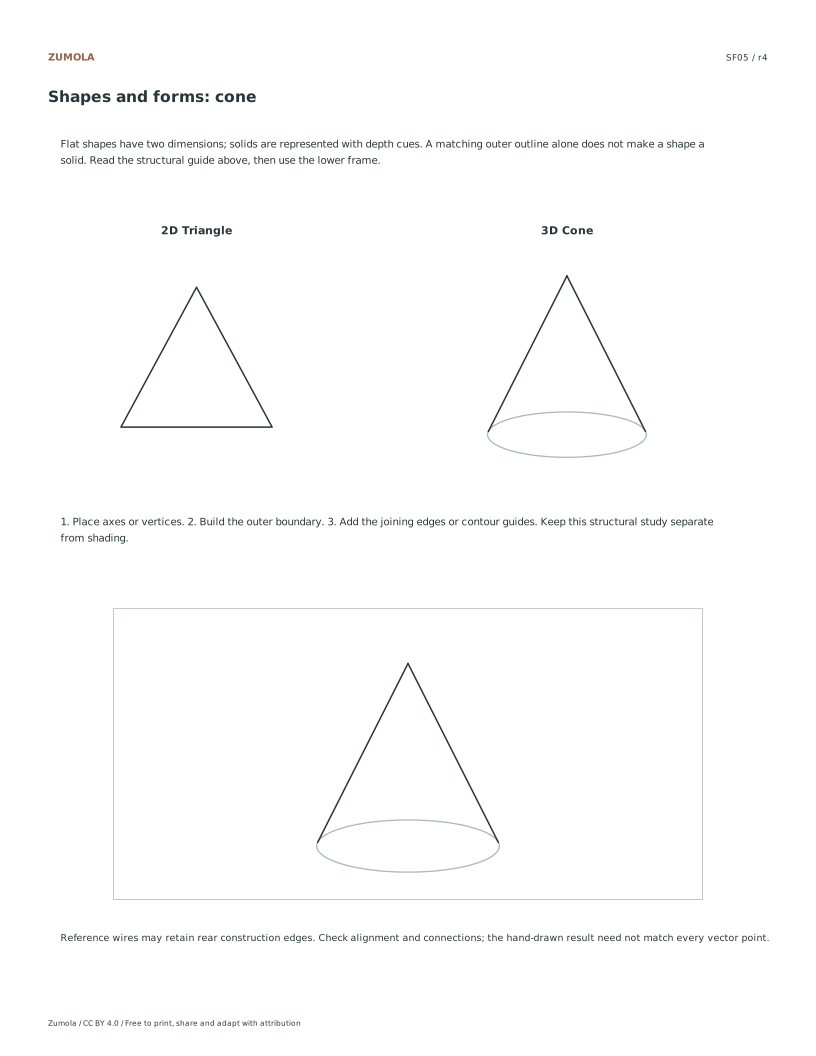
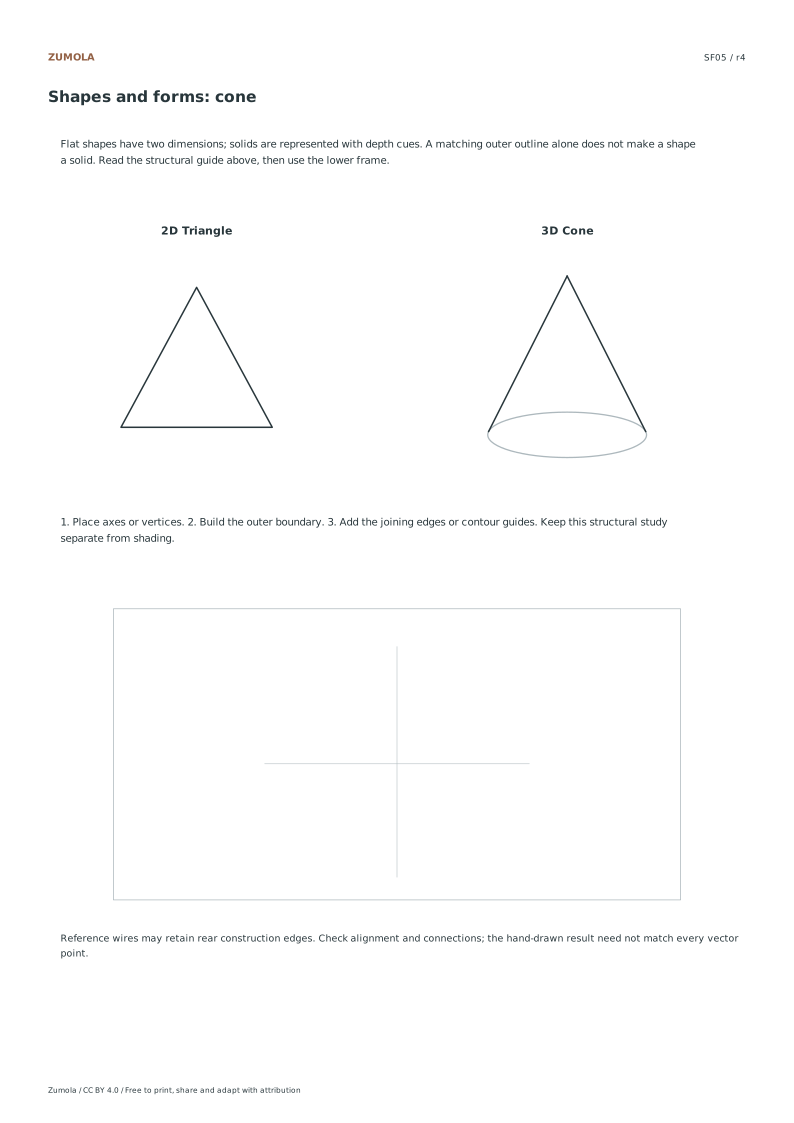
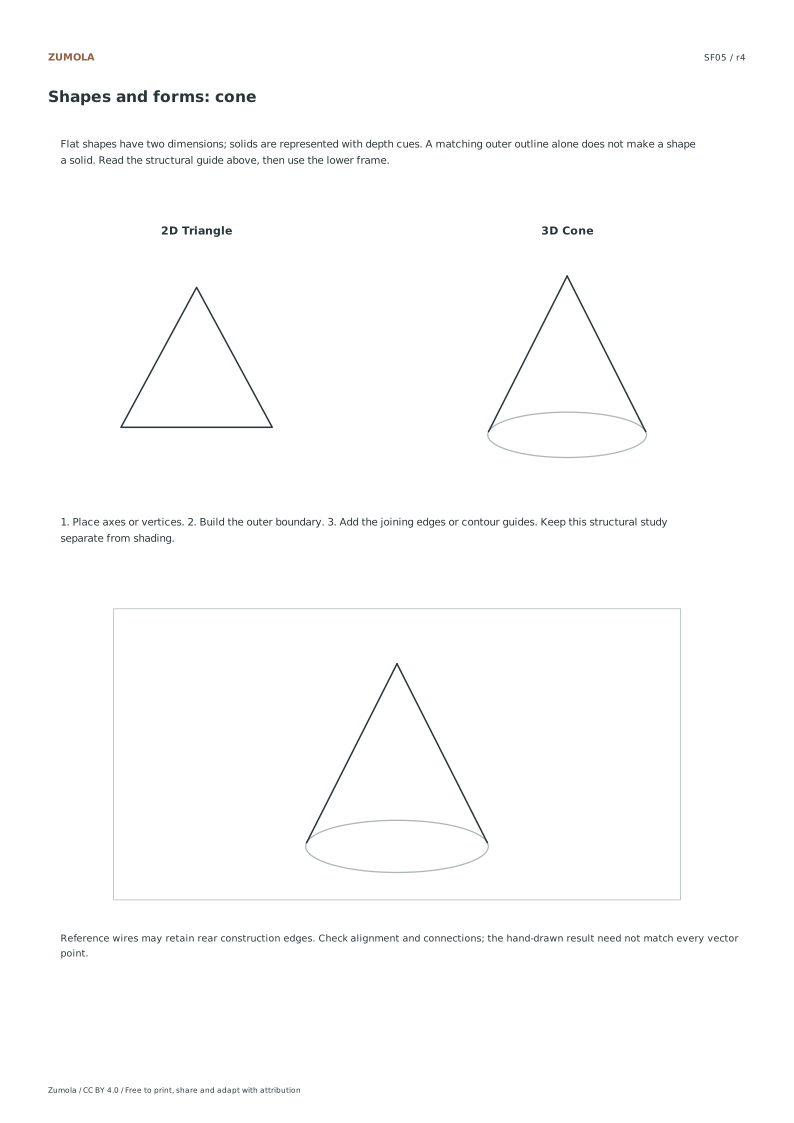
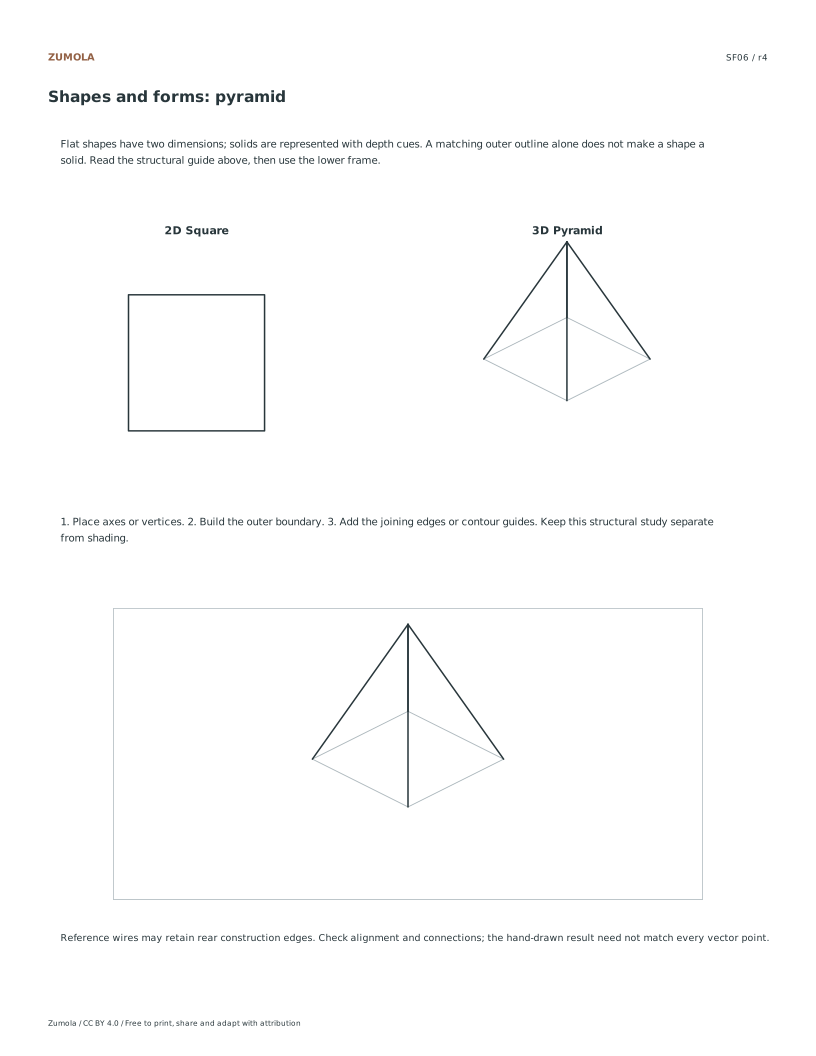
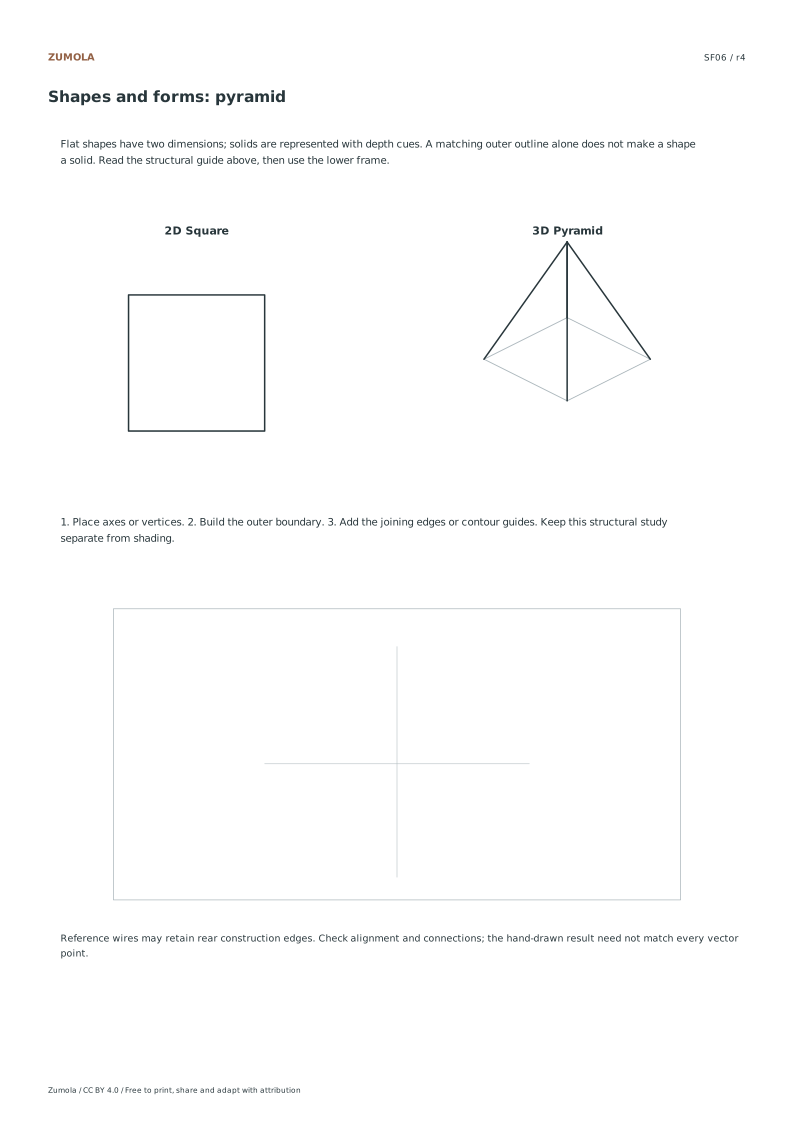
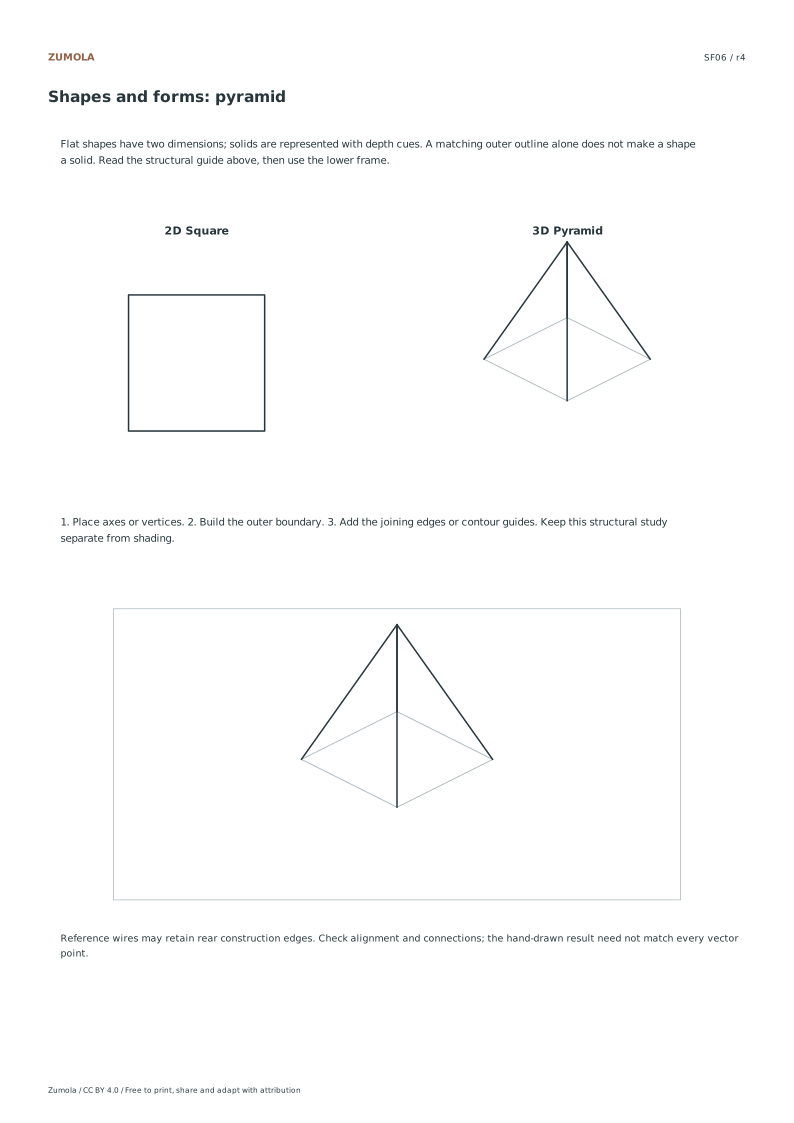
Read the flat shape and the structural form as a comparison pair. A circle lies in a plane; the sphere example uses curved contour guides to suggest a surface turning through depth. A cube is shown in a corner view, so its projected faces appear as parallelograms rather than true-size squares. The cone has a circular base and an apex; the triangle beside it is a flat comparison, not its base. Locate centers, axes or vertices in the upper guide, then place corresponding anchors in the lower practice frame before joining them.
Draw Outer Boundaries
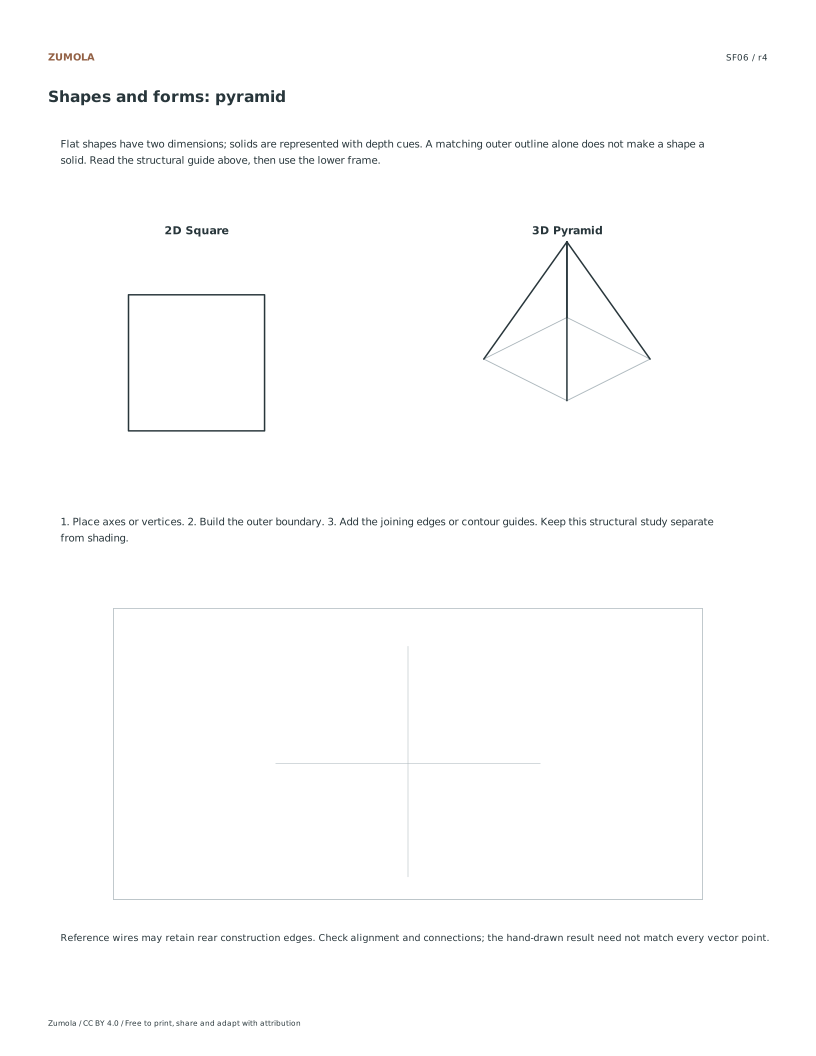
Build the visible outer structure lightly. For the triangular prism, start with two offset triangles and connect corresponding vertices. For the cylinder, place two aligned ellipse rims and join their outer sides. For the cone, connect its apex to the base’s outer silhouette. The square pyramid uses a four-corner base with edges meeting one apex. In the sphere sheet, the outer circle alone would still be ambiguous; the internal contour guides provide the intended form cue. These are teaching wireframes, so rear construction lines may remain visible.
Add Structural Connections
Finish one family of connections before darkening the drawing. In the prism, each front-triangle vertex has one matching rear vertex. In the cube and pyramid, check where adjacent faces share a corner. In the cylinder, keep the two rims centered along the same axis. In the sphere, keep the guide curves inside the outer boundary. The answers complete the lower frame as a structural reference. They omit value shading so that line connections remain easy to compare; use the separate shading collection for a later light-and-dark study.
Checks that catch common errors
Watch for
Check instead
Assuming the circle outline automatically creates a sphere.
Add contour guides to SF01 to indicate volume, as the flat circle alone lacks depth.
Erasing all rear construction edges in wireframes.
The references retain some rear edges to show construction. Compare with that convention first; you can omit hidden construction in a separate finished drawing.
Using dark values to hide an unclear connection.
Check axes, shared vertices and structural lines first. Add shading in a separate study if useful.
Print a test sheet before the full pack
Choose the file matching the paper in your printer. Print the PDF at Actual size / 100%, turning off Fit, Shrink and browser headers. An SVG editor or browser can change its scale even though the file uses millimeter dimensions. Use the supplied calibration bars where present when a task depends on physical size; a screen preview alone does not establish printed size.
The packs contain the same individual pages in collection order. They are a convenient download, not extra different exercises. On coordinate plots, uniform scaling preserves the numerical positions relative to the axes. On image-copy tasks, keep the specified proportions and any stated source-to-target enlargement. Color is optional: labels, line positions and relative lightness also explain the references.
Useful answers
Are these dimensioned manufacturing drawings?
No, they are original teaching sketches designed for learning geometric relationships, not precise industrial specifications.
Do the worksheets include shading instructions?
No, the focus is on line-based structure. Shading is handled in a separate existing collection.
Is there a unique correct answer for each form?
No, these are teaching sketches. Variations in line weight or slight perspective adjustments are acceptable.
Are the answers and editable files free too?
Yes. Every linked worksheet, PDF, SVG and answer is free without signup. Original Zumola resources use CC BY 4.0: credit Zumola, link the license and indicate changes. Analytics consent is not required to download or use them.
Further reading: Getty: introducing shapes. The downloadable illustrations, data tasks and geometry are original Zumola work.
Your analytics choice
Optional Google Analytics helps us understand which free resources are useful. It is off until you allow it. Drawing tools and downloads work with either choice. Privacy details