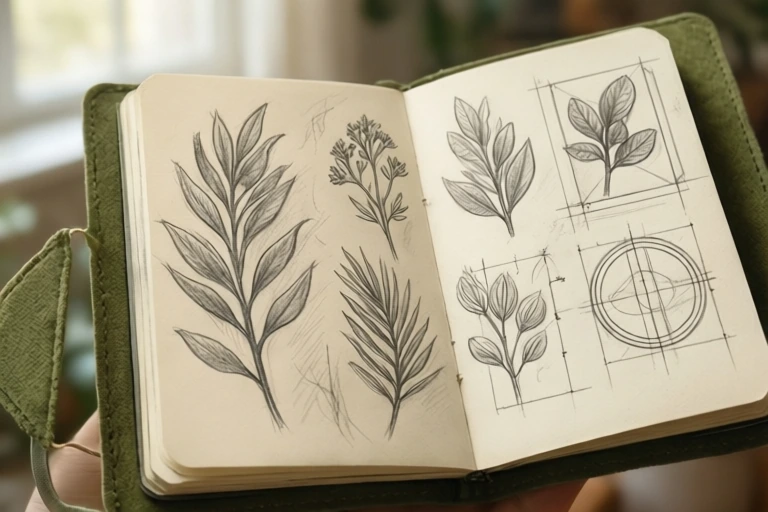
Free drawing practice worksheets
A small practice.
A clearer next mark.
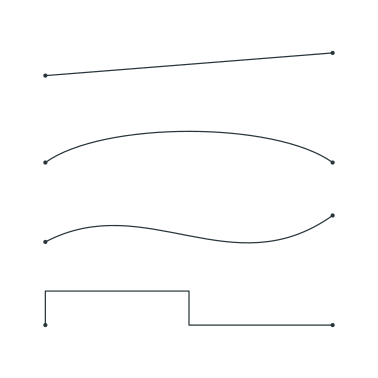
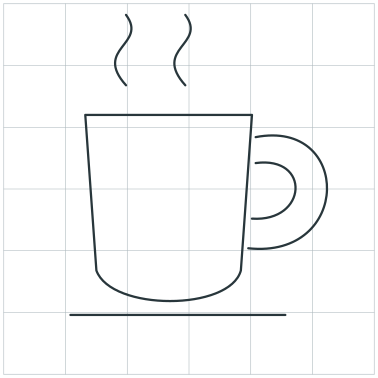
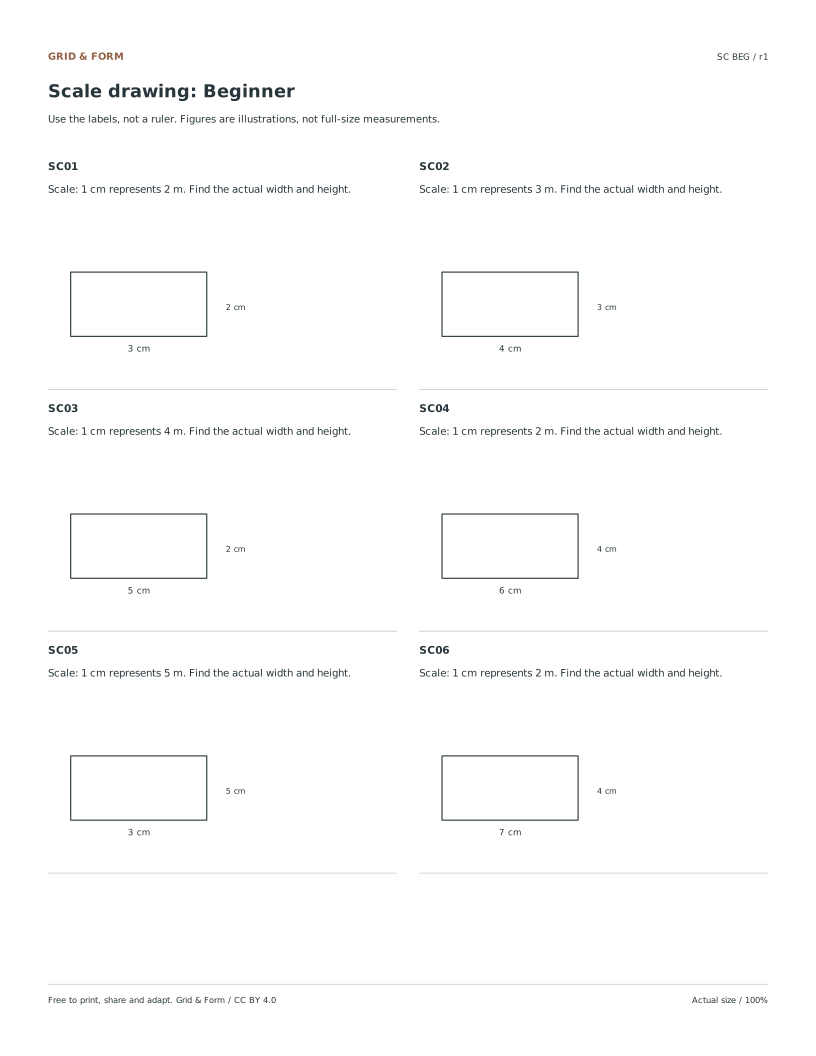
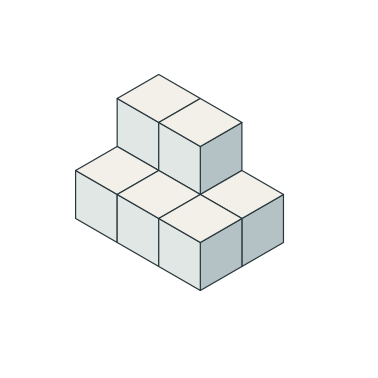
Choose the skill you want to work on: steady lines, careful observation, scale calculations or three-dimensional forms. Every resource is free, and each collection gives you a way to review your work.
Original printable resources.
Letter & A4 throughout.
Answers or reference examples included.
More ways to practice
Match the task to the skill and the clock
Short sessions suit narrow goals. A ten-minute block can target steady lines, even spacing or deliberate corners. A longer block suits observation tasks where you compare proportions, or scale tasks where you convert units before drawing. Decide the goal first, then choose the sheet type that trains it.
Line control asks for consistent pressure and clean endpoints. Observation asks you to compare shapes and negative space. Scale asks you to interpret a statement and convert units. Form asks you to build a structure from visible edges. Keep one goal per session so your review stays specific.
- Name the single skill you want to improve today.
- Choose a session length you can protect without interruption.
- Select a task type that trains that skill directly.
- Write the goal at the top of the page before you start.
- Review against the rubric immediately after finishing.
Diagnostic checks before and after practice
A quick check before drawing tells you what to watch. Trace one straight line and one curve slowly, then note where your hand speeds up or your pressure changes. After the session, repeat the same check and compare the two attempts side by side.
For observation tasks, check whether your copy matches the reference in proportion rather than detail. For scale tasks, verify your unit conversion with a simple calculation before committing lines to paper. For form tasks, confirm that visible edges connect consistently in each direction.
- Draw one test line and one test curve before the main task.
- Mark the point where control changed.
- Complete the practice sheet without erasing early marks.
- Repeat the test line and curve afterward.
- Compare both attempts and write one specific adjustment for next time.
A practical variation for shared sessions
In a class or group, give everyone the same task type but different subjects, then compare how each person met the goal. This keeps the review focused on method rather than on who drew the most attractive result.
Rotate roles: one person draws, another checks against the rubric, then swap. The checker names one strength and one specific adjustment. This builds vocabulary for describing line quality, proportion and structure without ranking artworks.
- Assign one task type and one goal to the whole group.
- Let each person choose a different subject within that task.
- Pair up and review using the rubric criteria only.
- Have the checker state one strength and one adjustment.
- Swap roles and repeat with a new subject.
Try this example
You have 20 minutes and want to improve steady line control. Plan a session using one task type and review it with the rubric.
Show the worked explanation
Choose a line-control task: draw a set of straight lines between marked endpoints, then a set of even curves. Spend five minutes on test lines, ten on the main task and five on review. Before drawing, note where your pressure changes. Afterward, compare the test lines with the final ones and check endpoint accuracy, even spacing and consistent pressure. Write one adjustment, such as slowing down near endpoints, for the next session.
Common mistakes
- Choosing a sheet by subject rather than by the skill it trains. Read the task description first and confirm which skill it targets, then pick a subject you find interesting.
- Reviewing only the final drawing and ignoring the process marks. Keep early test lines and rough marks visible so you can compare control before and after the session.
- Treating the rubric as a pass-or-fail score. Use each criterion to name one specific adjustment for the next session instead of assigning a grade.
Check your work
- The stated goal matches the task type chosen.
- Endpoints are reached deliberately rather than overshooting.
- Spacing or proportion is compared against the reference, not guessed.
- Unit conversions in scale tasks are checked with a simple calculation.
- Visible edges in form tasks connect consistently in each direction.
- The review names one specific adjustment for the next session.
Questions before you start
How do I know which practice sheet suits me?
Start with the skill you most want to improve and the time you can protect. Choose the task type that trains that skill, then pick any subject within it.
Can I use the same sheet for different goals?
Yes, but state one goal per session. A line-control goal and an observation goal need different review criteria, so keep them separate.
What if my drawing looks different from the reference?
That is expected. Compare proportion, spacing and structure against the rubric rather than matching every detail exactly.