HomeDraw and Label Your Favorite Food: A Descriptive Drawing Worksheet Plan Free original lessons
Draw and Label Your Favorite Food: A Descriptive Drawing Worksheet Plan
Plan a printable worksheet where learners draw a favorite food and add descriptive labels for taste, texture, and ingredients, with a small color suggestion area.
Free lesson
Four exercises
Worked answers
Object Drawing Lessons
This instructional plan supports an open-ended drawing task: learners draw one favorite food and label it with descriptive words for taste, texture, and ingredients. The focus is descriptive labeling and clear visual communication, not still-life shading or recipe illustration. The worksheet is planned as a printable page with a draw-and-label box, prompt lines, and a small color suggestion area. All resources are free but not yet built. Use the convention below to keep labels readable and to allow valid stylistic alternatives.
Practice materials: Printable downloads are not available for this lesson yet. Use the instructions and four exercises below.
Reference illustration
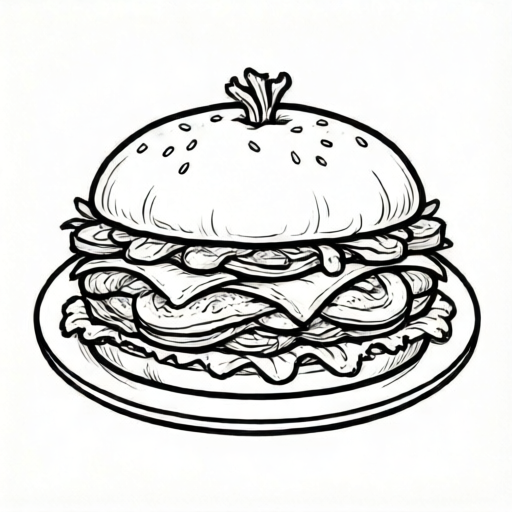
Use the stated measurements and conventions for each exercise.
Set up the draw-and-label box
The worksheet plan includes a large rectangular draw-and-label box. Learners draw the food inside the box and place labels outside or beside the drawing with short leader lines. The box keeps the drawing and labels together so a reader can match each word to a part of the food.
Use a simple convention for label placement: write labels horizontally where possible, keep leader lines straight, and avoid crossing lines. If a label must sit at an angle, keep the text readable from the page edge. This convention is a planning choice, not a universal rule; valid alternatives include labels in a list with numbered callouts, provided the numbers clearly match the drawing.
- Draw one favorite food large enough to show at least three distinct parts, such as a crust, topping, or filling.
- Add short labels for visible parts using straight leader lines that do not cross.
- Write one taste word, one texture word, and at least two ingredient words on the prompt lines.
- Use the small color suggestion area to note two or three colors you would use, without requiring full shading.
Write descriptive labels for taste, texture, and ingredients
Descriptive labels help a reader understand the food even without tasting it. Taste words include sweet, sour, salty, bitter, and savory. Texture words include crisp, soft, chewy, creamy, and crumbly. Ingredient words name what the food is made from, such as flour, cheese, tomato, rice, or beans.
Keep each label short: one to three words. A label such as crisp edge or melted cheese is more useful than a long sentence. The prompt lines on the planned worksheet give separate spaces for taste, texture, and ingredients so learners can organize their words before or after drawing.
- Choose one taste word that fits the food and write it on the taste line.
- Choose one texture word that fits the food and write it on the texture line.
- List at least two ingredients on the ingredient line.
- Check that each label matches a visible part of the drawing or a stated ingredient.
Use the color suggestion area without full shading
The small color suggestion area is for noting colors, not for completing a shaded still life. Learners can write color names or make small color swatches beside the drawing. This keeps the task focused on descriptive labeling and avoids turning it into a shading exercise.
A useful convention is to note one main color and one accent color. For example, a taco might note yellow shell and red salsa. Valid alternatives include labeling colors directly on the drawing with short words, as long as the labels remain readable and do not cover important parts.
- Write or swatch one main color for the food.
- Write or swatch one accent color for a topping or filling.
- Keep color notes small and outside the main drawing area.
- Do not add full shading; the goal is a color suggestion, not a finished still life.
Check readability and completeness
A completed page should let a reader identify the food, match labels to parts, and find the required descriptive words. Check that labels are horizontal where possible, leader lines are straight, and no lines cross. Check that the taste, texture, and ingredient lines are filled with words that fit the drawing.
Use the rubric below to allow valid alternatives. A numbered callout list is acceptable if the numbers clearly match the drawing. A color word written on the drawing is acceptable if it does not obscure the food. The goal is clear communication, not a single universal style.
- Confirm the food is drawn large enough to show at least three parts.
- Confirm at least three labels match visible parts.
- Confirm one taste word, one texture word, and two ingredient words are present.
- Confirm color notes are present and no full shading was added.
Worked example
A learner draws a slice of pizza. The drawing shows a triangular slice with a crust edge, melted cheese, and three pepperoni circles. The learner writes labels: crust, cheese, pepperoni. On the prompt lines, the learner writes taste: savory; texture: chewy; ingredients: flour, cheese, tomato. In the color area, the learner notes golden crust and red pepperoni.
Worked answer
The page meets the task because the food is drawn large enough to show three parts, three labels match visible parts, one taste word, one texture word, and two ingredient words are present, and two color notes are included without full shading. The labels are short and leader lines do not cross.
Four practice exercises
Exercise 1
A learner draws a bowl of noodle soup. The drawing shows noodles, broth, and two round slices of egg. The learner writes labels: noodles, broth, egg. Prompt lines: taste: salty; texture: soft; ingredients: noodles, water, egg. Color area: pale broth, yellow egg. Check the page against the rubric and state whether it meets the task.
Show answer and check
The page meets the task. It shows three parts, has three matching labels, one taste word, one texture word, two ingredient words, and two color notes without full shading.
Why: Each rubric item is satisfied: the food is large enough, labels match visible parts, descriptive words fit the food, color notes are present, and no full shading was added.
Check: Count the visible parts and labels, confirm the taste, texture, and ingredient lines are filled, and confirm the color area has two notes and no full shading.
Exercise 2
A learner draws a taco with a shell, filling, and lettuce. Labels are written as a numbered list: 1 shell, 2 filling, 3 lettuce. The numbers are placed on the drawing and match the parts. Prompt lines: taste: savory; texture: crisp; ingredients: corn, beans, lettuce. Color area: yellow shell, green lettuce. Does this page meet the task?
Show answer and check
Yes. The numbered callout list is a valid alternative because the numbers clearly match the drawing. The page has three labels, one taste word, one texture word, two ingredient words, and two color notes.
Why: The rubric allows numbered callouts if numbers clearly match. All required descriptive words are present and fit the food, and no full shading was added.
Check: Verify that each number points to a distinct part, confirm the prompt lines are filled, and confirm the color area has two notes.
Exercise 3
A learner draws a slice of cake with frosting and a cherry. Labels: cake, frosting, cherry. Prompt lines: taste: sweet; texture: crumbly; ingredients: flour, sugar. Color area: pink frosting, red cherry. The learner also adds heavy cross-hatching over the whole drawing to show shading. Does this page meet the task?
Show answer and check
The page meets the labeling requirements but does not meet the color-area requirement because full shading was added. The task asks for a small color suggestion area, not still-life shading.
Why: The labels and descriptive words are present and fit the food. However, the rubric states that no full still-life shading is added, so the heavy cross-hatching conflicts with the task boundary.
Check: Check the labels and prompt lines first, then inspect the drawing for full shading. If shading covers the whole food, the page does not meet the color-area requirement.
Exercise 4
A learner draws a plate of rice and beans. The drawing shows rice, beans, and a spoon. Labels: rice, beans, spoon. Prompt lines: taste: savory; texture: creamy; ingredients: rice, beans. Color area: white rice, brown beans. One leader line crosses another. Does this page meet the task?
Show answer and check
The page is close but needs a fix: the crossing leader lines make labels harder to match. The learner should redraw one leader line so lines do not cross, or switch to numbered callouts. The descriptive words and color notes are otherwise complete.
Why: The rubric requires readable labels and leader lines that do not cross. Numbered callouts are an acceptable alternative. The other requirements are met.
Check: Trace each leader line from label to drawing. If any two lines cross, ask for a redraw or numbered callouts, then recheck the prompt lines and color area.
Common mistakes
- Writing long sentences as labels, which crowd the drawing. Shorten each label to one to three words, such as crisp edge or melted cheese.
- Crossing leader lines so labels are hard to match. Use straight leader lines and place labels around the drawing without crossing lines.
- Adding full still-life shading instead of a small color suggestion. Limit color work to two or three small notes or swatches in the color suggestion area.
- Listing ingredients that are not shown or stated in the drawing. Match each ingredient word to a visible part or add a short note explaining where it belongs.
Self-check rubric
- Food is drawn large enough to show at least three distinct parts.
- At least three short labels match visible parts of the drawing.
- One taste word is present and fits the food.
- One texture word is present and fits the food.
- At least two ingredient words are present and fit the food.
- Color suggestion area contains two or three color notes or swatches.
- Labels are readable and leader lines do not cross; numbered callouts are acceptable if numbers clearly match.
- No full still-life shading is added.
Questions and answers
Does the drawing need to look realistic?
No. The task is descriptive labeling, not still-life shading. A clear, simple drawing with readable labels meets the goal.
Can labels be written as a numbered list instead of beside the drawing?
Yes, if the numbers clearly match parts of the drawing. This is a valid alternative to leader lines.
How many ingredients should be listed?
At least two ingredient words. More are acceptable if they fit the food and the space.
Is full shading required in the color area?
No. The color suggestion area is for noting two or three colors, not for completing a shaded still life.