Plan a traditional four-patch block and a larger arrangement. Keep paper scale, finished dimensions and seam allowances separate.
Choose US Letter or A4 for prepared downloads. Original PDF and SVG files, worksheets and reference answers are free without signup. Collection packs contain the same individual pages in order.
Choose your paper and download
Download paper size
Every worksheet and answer is free. No signup.
The complete collection
Keep practice and answers separate.
Use the student pack first, then compare the reference or answer. Packs are PDFs; individual sheets below also include editable SVG files. The paper choice applies to every download.
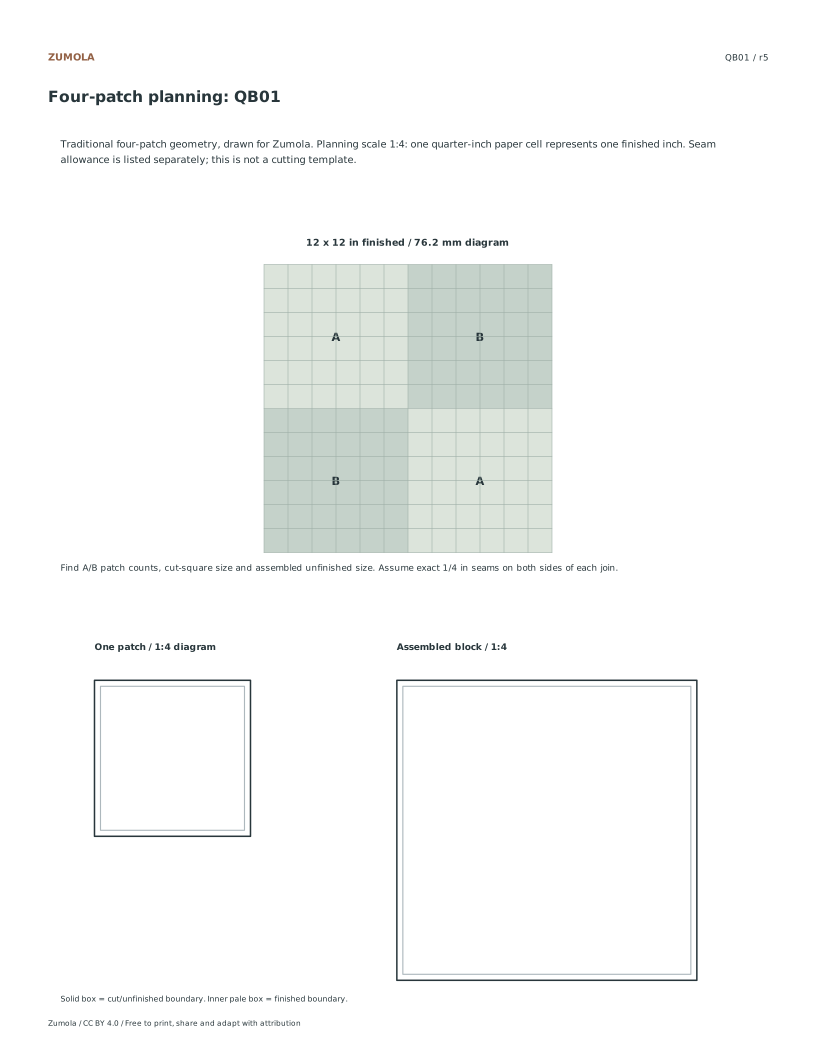
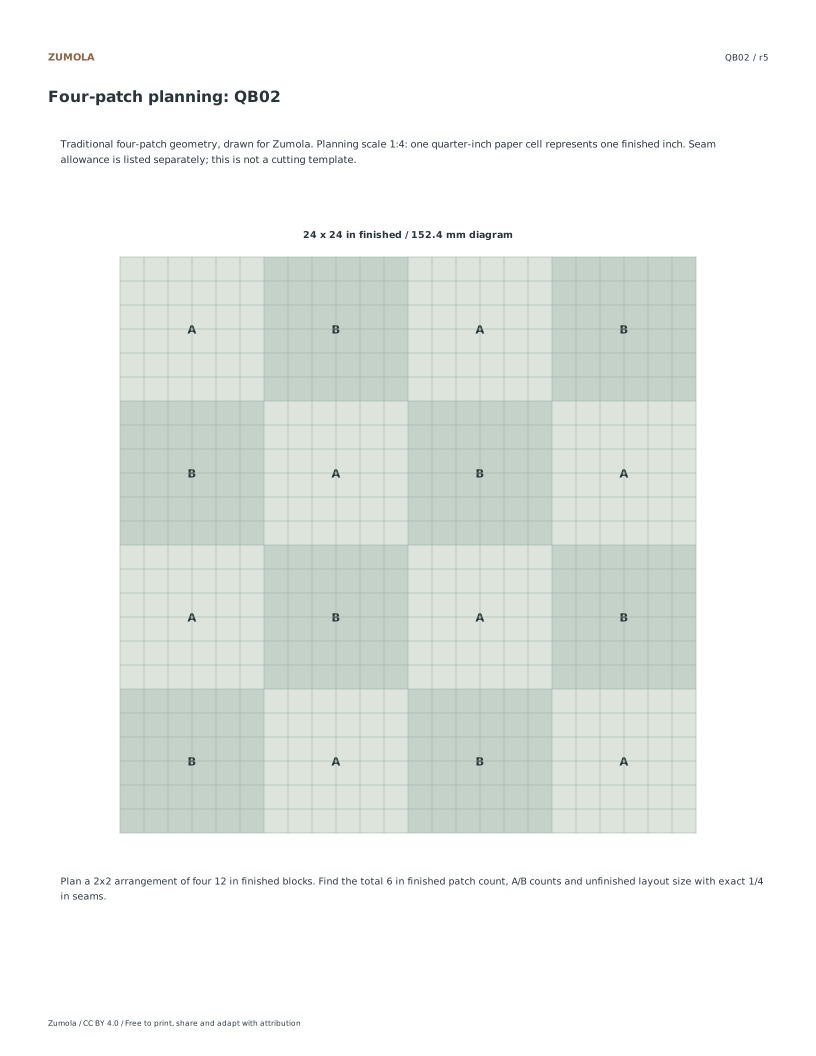
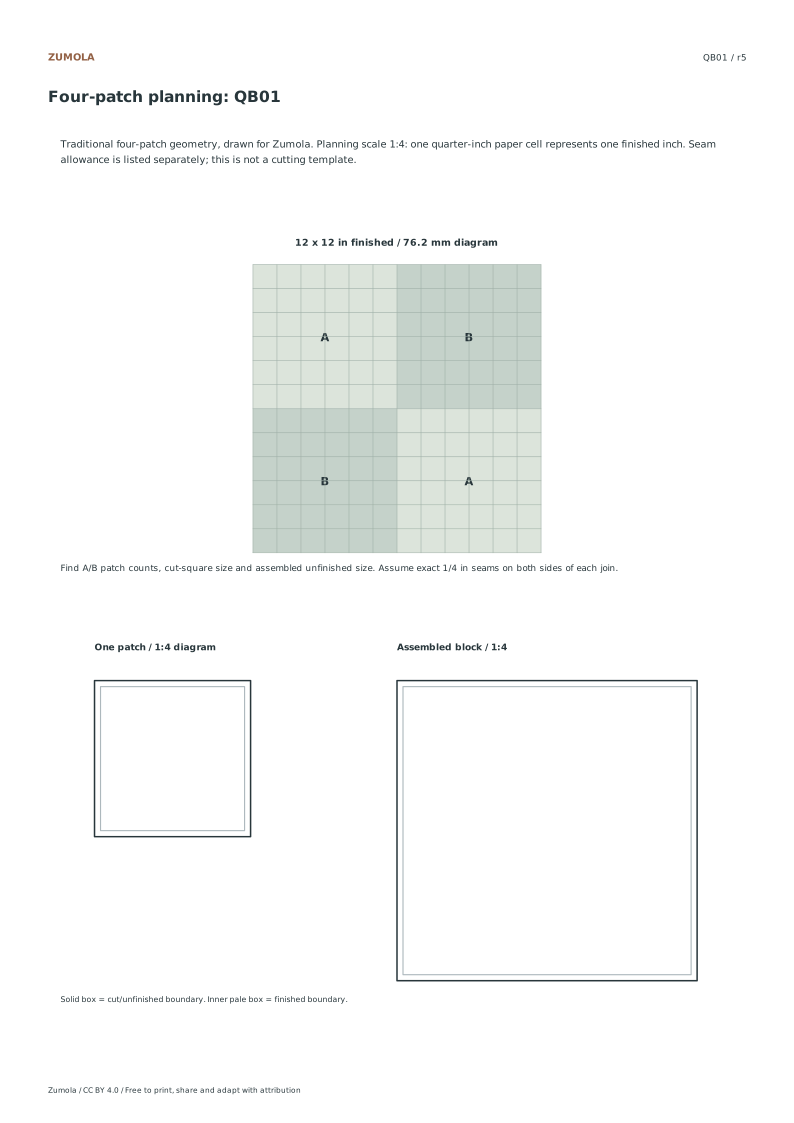
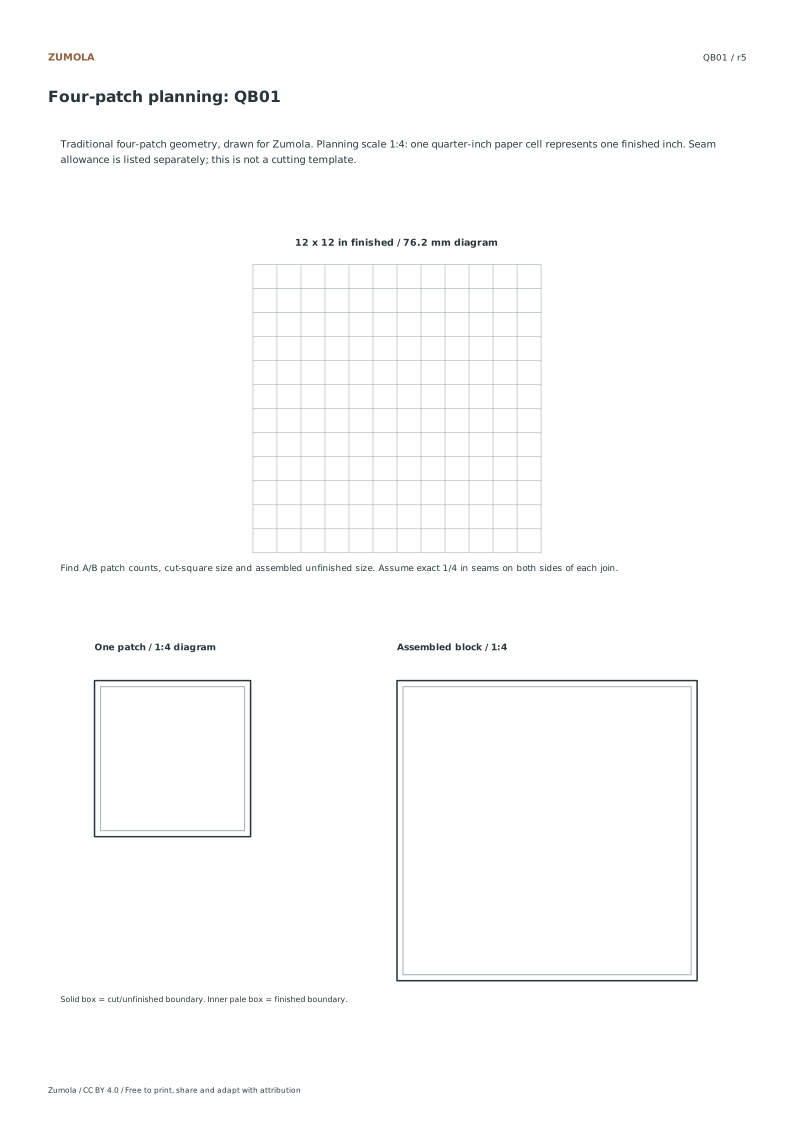
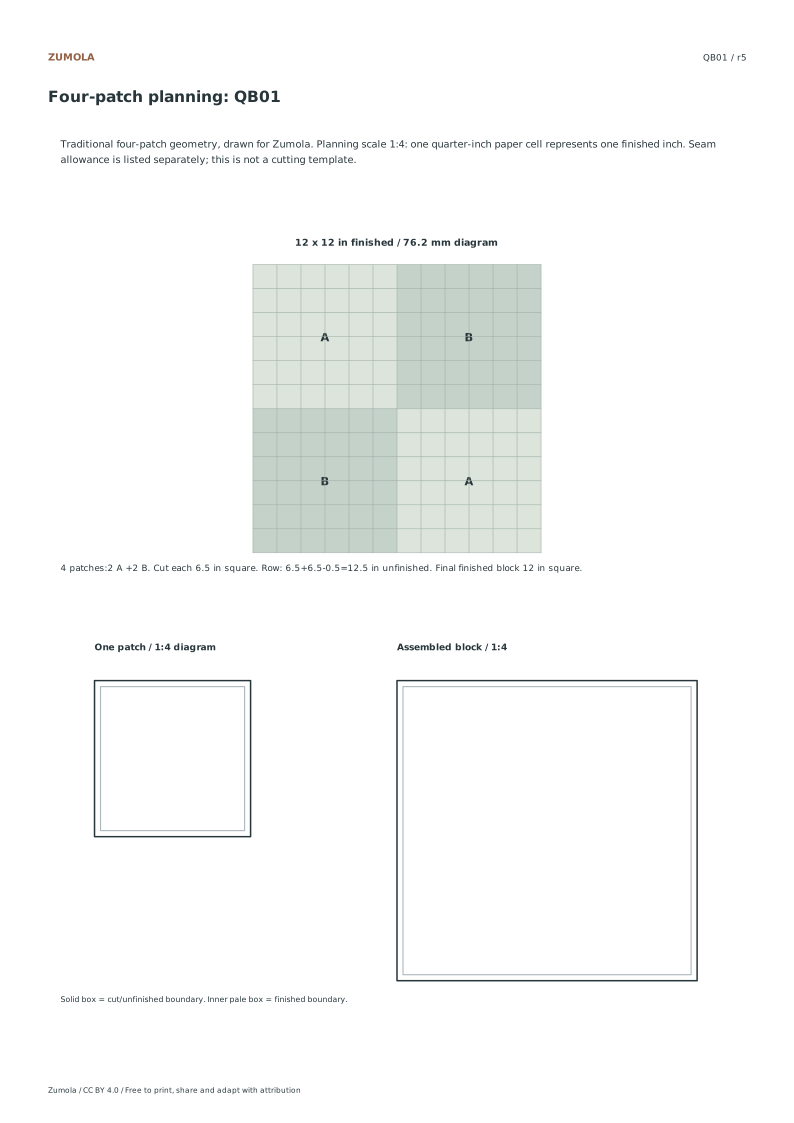
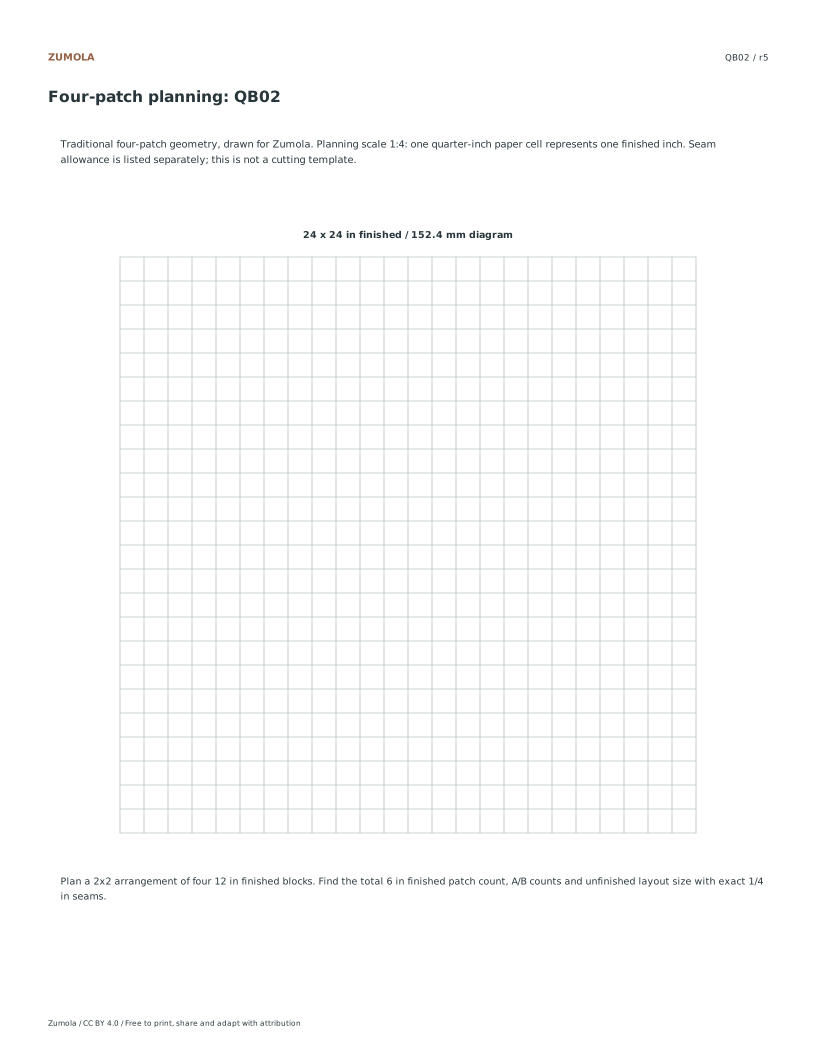
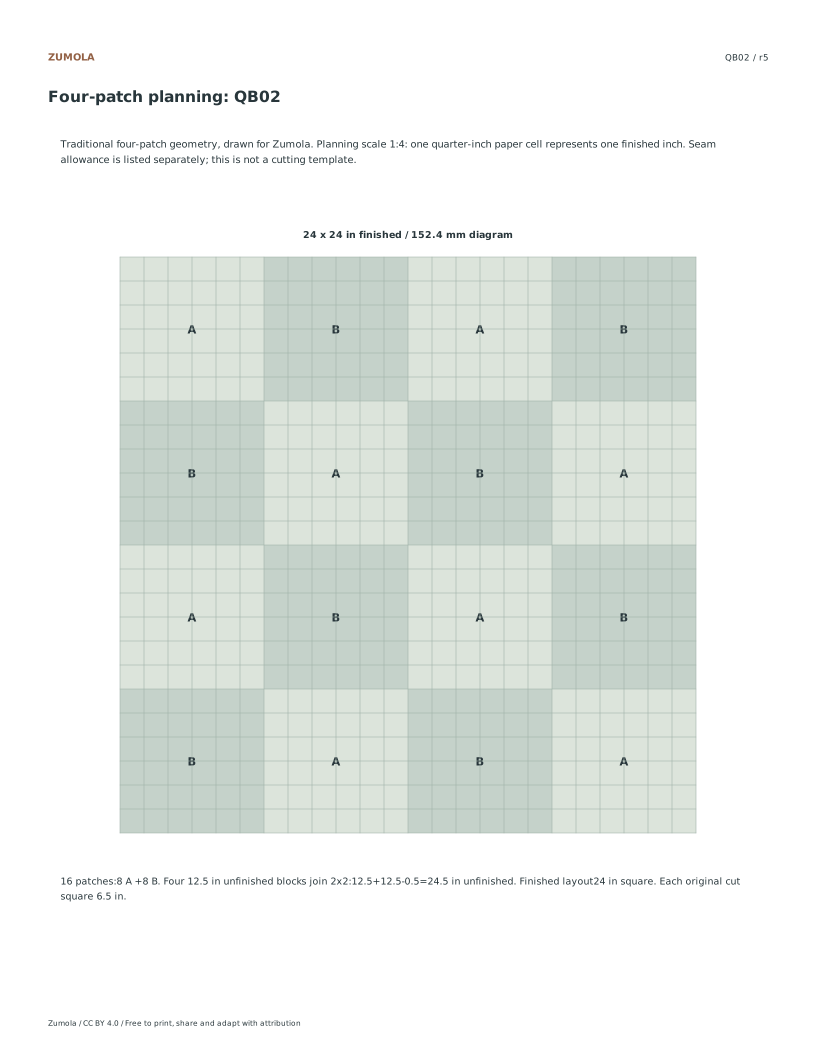
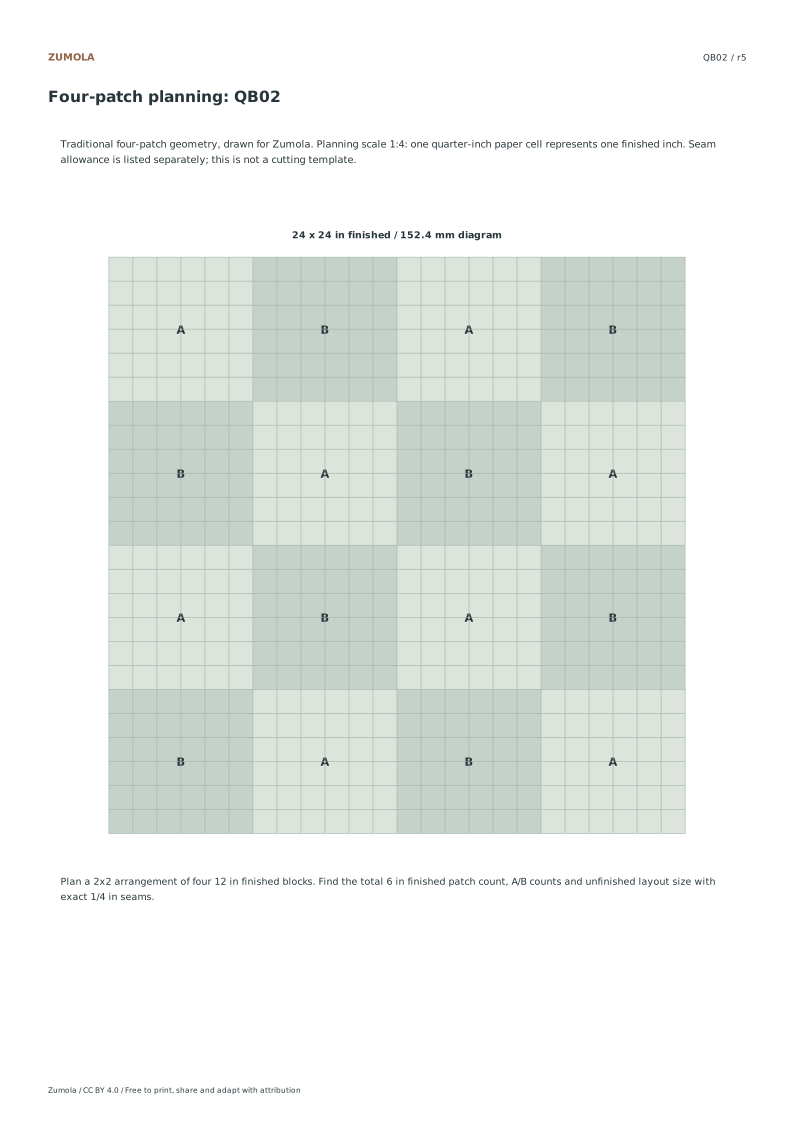
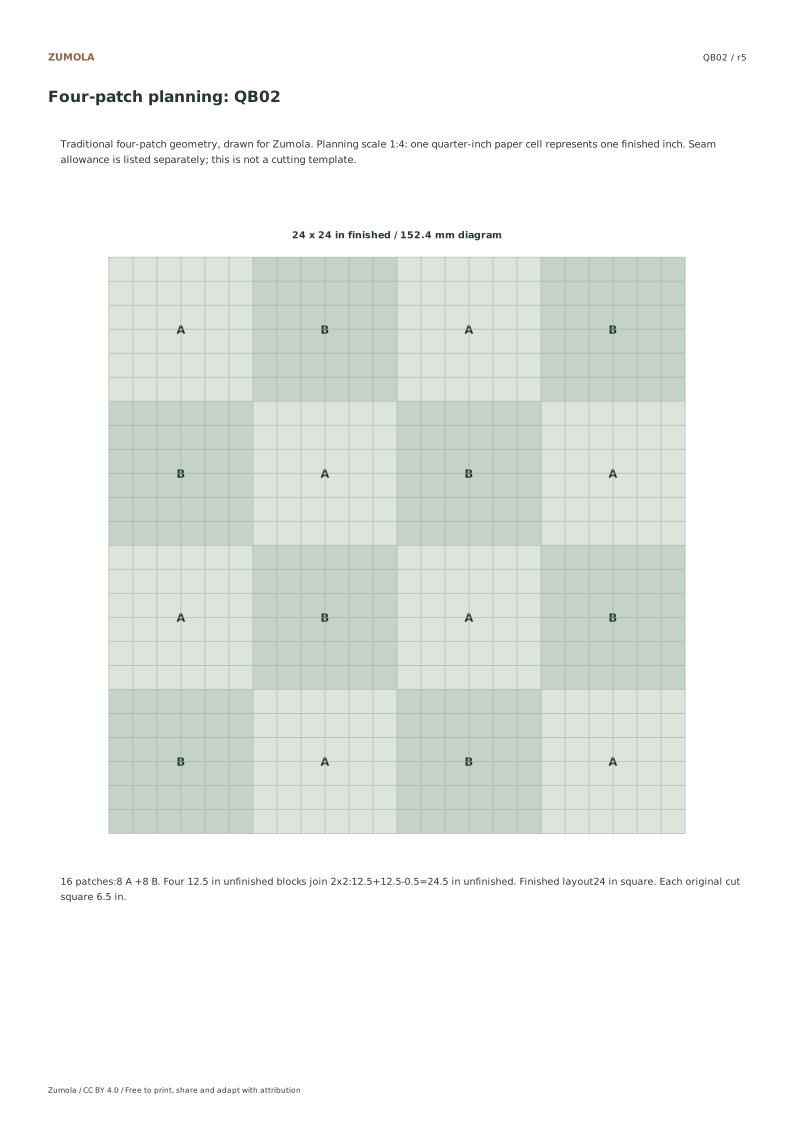
These original diagrams show a traditional four-patch layout. Each planning-grid cell is a quarter inch on paper and represents one finished inch in the subject, a 1:4 length scale. A 12-inch finished block therefore spans 76.2 mm in the diagram. The 24-inch arrangement spans 152.4 mm. They are reduced planning drawings, not full-size cutting templates.
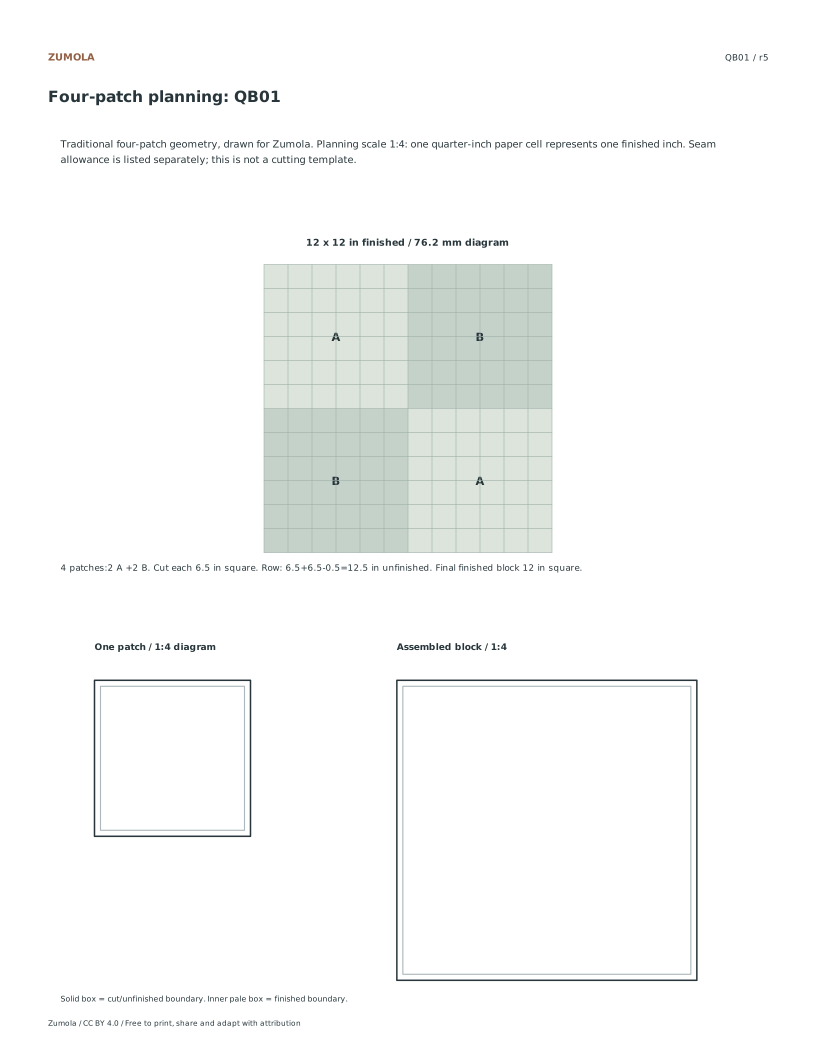
For the stated geometry, a 6-inch finished square gets a quarter-inch allowance on each side, making a 6.5-inch cut square. Joining two such squares removes two quarter-inch seam contributions from their combined width: 6.5 + 6.5 − 0.5 = 12.5 inches before attachment on the outside. The finished width is then 12 inches. Apply the same accounting vertically. Four 12.5-inch unfinished blocks joined two by two give 24.5 inches before the outer seams are attached, or 24 inches finished.
The answers verify these length and count calculations under an exact seam assumption. They do not report a sewn sample, fabric behavior, material quantities or machine tolerances. The two pattern letters identify positions in the plan rather than prescribing a fabric. Choose the student sheet to draw a layout and calculate first, then check the reference completion.
Work through the page
Verifying Scale and Dimensions Begin by confirming the diagram scale before any physical handling. The provided charts use a one-to-four planning ratio where a 6.35 millimeter paper interval represents one inch of finished fabric. For the QB01 study, the finished twelve by twelve inch block appears as a 76.2 millimeter square grid. The QB02 layout, which joins four blocks into a twenty-four by twenty-four inch arrangement, displays as a 152.4 millimeter square. Ensure your printer settings do not alter these specific measurements, as the visual representation relies on exact proportional accuracy for planning purposes only.
Distinguishing Cut and Finished Sizes Separate the cut dimensions from the finished and unfinished measurements to avoid confusion. For the QB01 block, the finished size is twelve by twelve inches, while the cut squares are six and a half by six and a half inches. This accounts for assumed exact quarter-inch seams on each side. The assembled unfinished block measures twelve and a half by twelve and a half inches. Remember that these values remain distinct categories in the planning charts and do not represent tested sewing outcomes or physical fabric behavior.
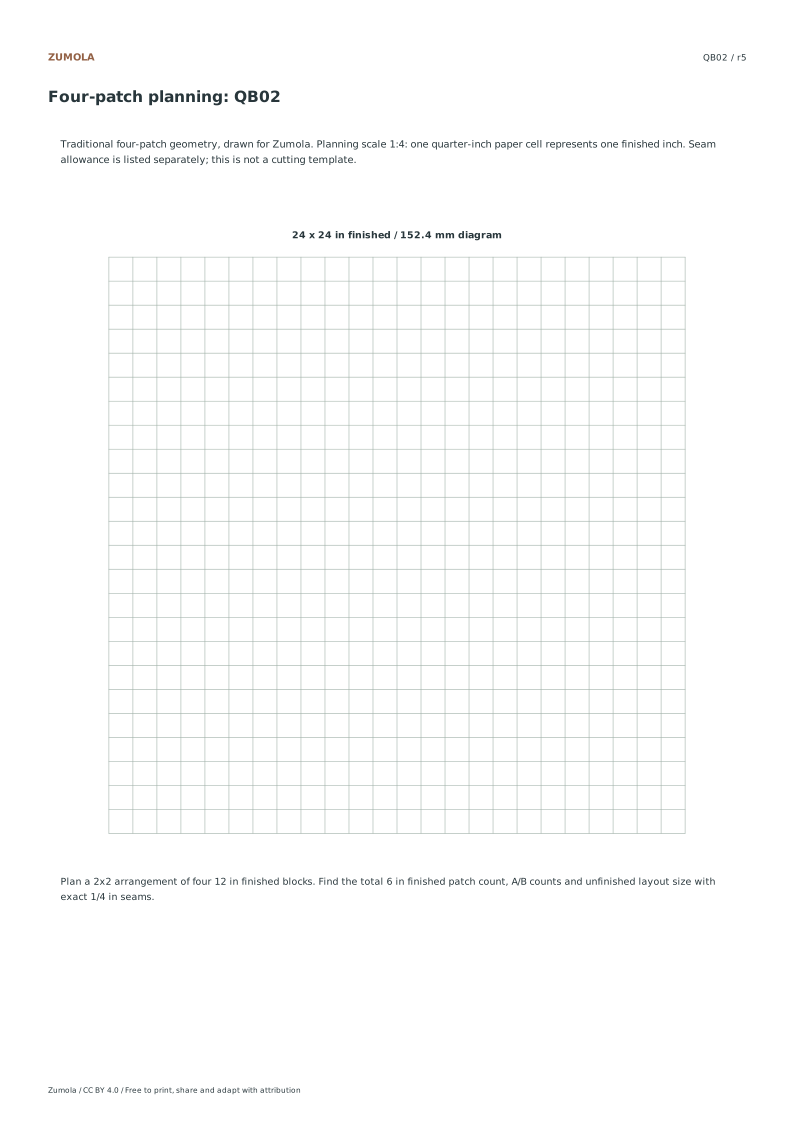
Interpreting Color and Layout Data Use the diagonal color symbols A and B to map the patch arrangement. The QB01 block consists of two A and two B patches within the four-patch structure. The QB02 layout expands this to sixteen patches, resulting in eight A and eight B symbols across the twenty-four by twenty-four inch grid. The student version provides a blank grid for manual entry, while the answer version includes the exact count and scale arithmetic. This visual coding helps track the alternating pattern without implying any specific fabric selection or material requirements.
Checks that catch common errors
Watch for
Check instead
Assuming the printed diagram size matches the actual fabric size.
Remember the diagrams are at a one-to-four planning scale, so a 6.35 millimeter interval equals one inch of finished fabric.
Confusing the cut square size with the finished block dimension.
Keep cut sizes, unfinished sizes, and finished sizes separate; the QB01 cut is 6.5 inches while the finished block is 12 inches.
Treating the resource as a tested sewing pattern or cutting template.
Recognize this is for original four-patch planning only, with no physical printing or stitching tests performed on the provided files.
Match the file before printing
Print the PDF matching the paper in your printer at Actual size / 100% if you want to retain the millimeter dimensions defined in the file. Turn off Fit and Shrink when those dimensions matter. Uniform resizing preserves relative image proportions and angles but changes physical lengths. Unequal resizing can distort both. SVG editors and browser print dialogs can also change scale, so measure a physical calibration span when the task relies on size.
These files have digital geometry and layout checks. Physical printer testing has not been completed. Complete a student page before comparing the worked answer or reference illustration. A geometric or counting result can be exact, while a hand drawing can vary in its marks and interpretation. The original resources use CC BY 4.0: credit Zumola, link the license and indicate changes.
Useful answers
Are the PDF and SVG files ready for immediate cutting?
No, these files are for planning only. They are not cutting templates, and no physical printing or material testing has been performed on them.
Does the QB02 layout require different seam allowances?
The calculations assume exact quarter-inch seams for both studies. The QB02 unfinished size is 24.5 inches before attachment, based on joining four QB01 blocks.
Can I use these files for commercial projects?
Yes. The Zumola diagrams and exercise files use CC BY 4.0: credit the source, link the license and indicate changes. The traditional four-patch layout is not presented as an exclusive new pattern.
Are the answers and editable files free too?
Yes. Every linked original worksheet, answer, PDF and SVG is free without signup. Individual SVG sheets stay editable; collection packs are PDF files. Analytics consent is not required to use the resources.
Optional Google Analytics helps us understand which free resources are useful. It is off until you allow it. Drawing tools and downloads work with either choice. Privacy details