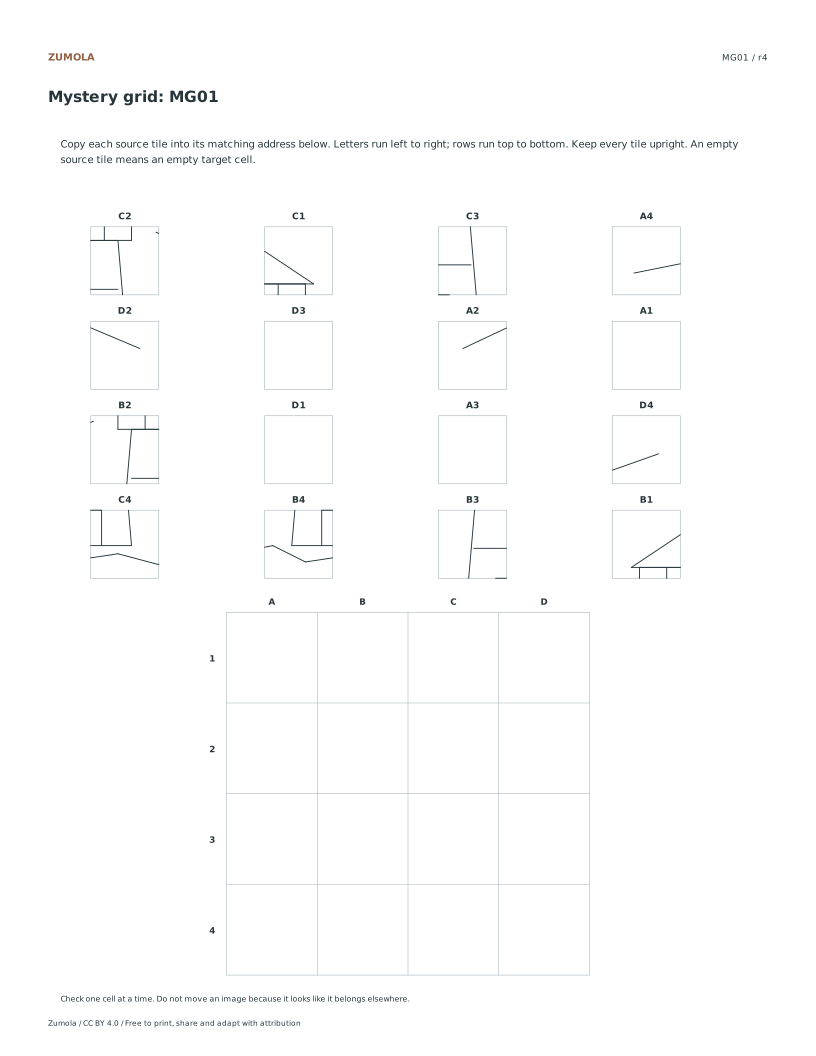
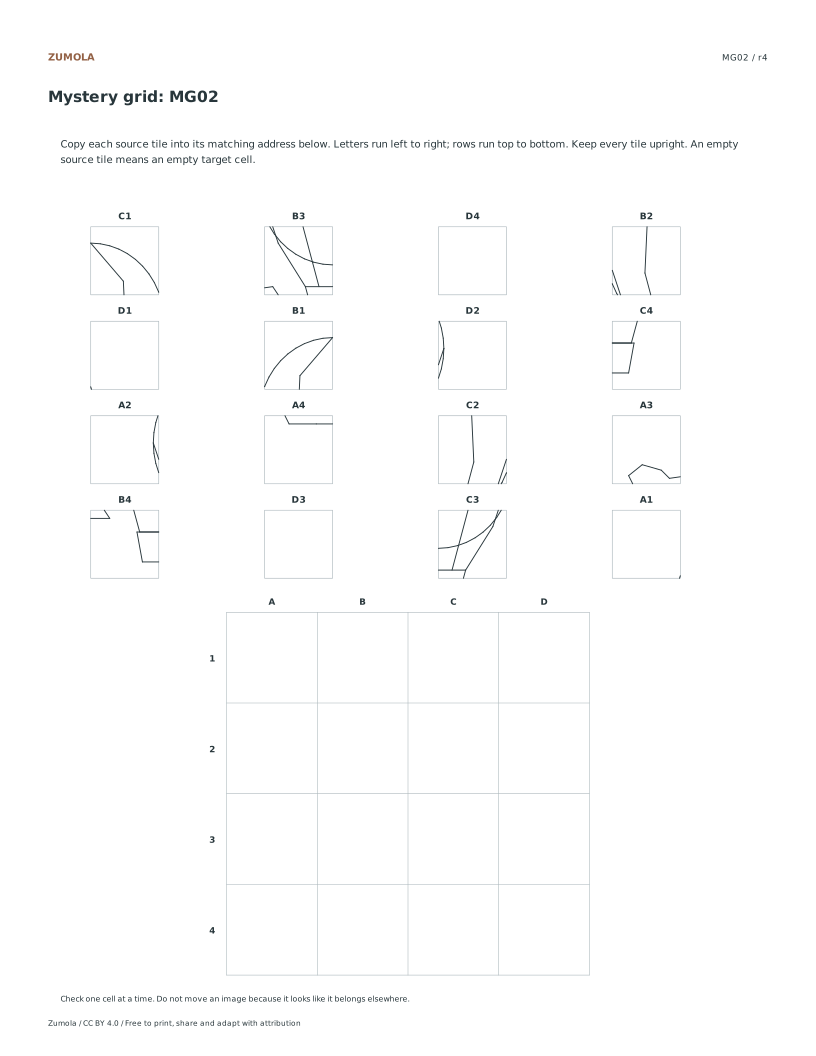
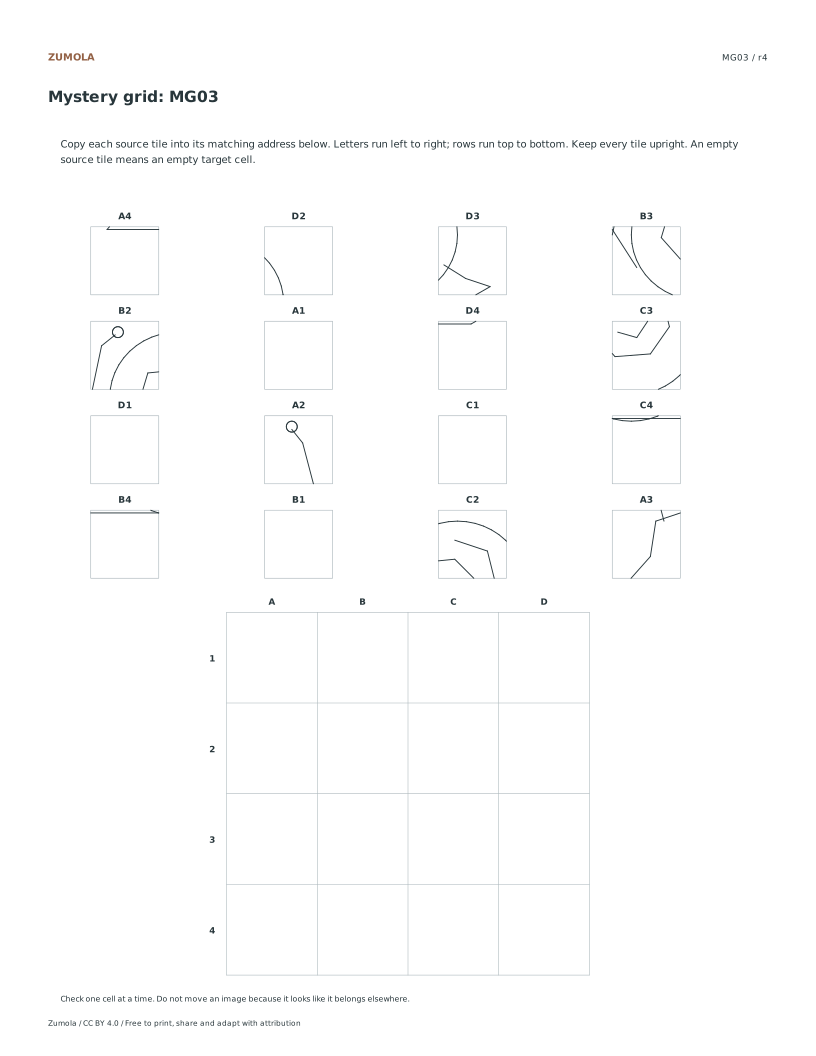
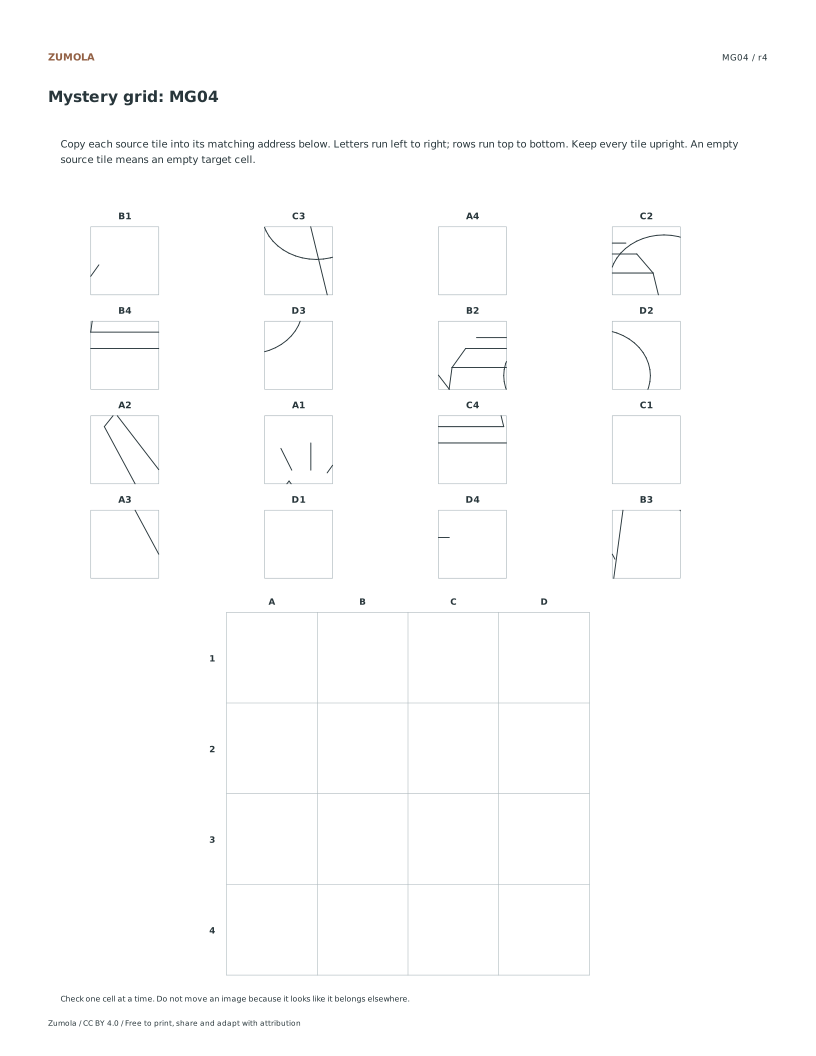
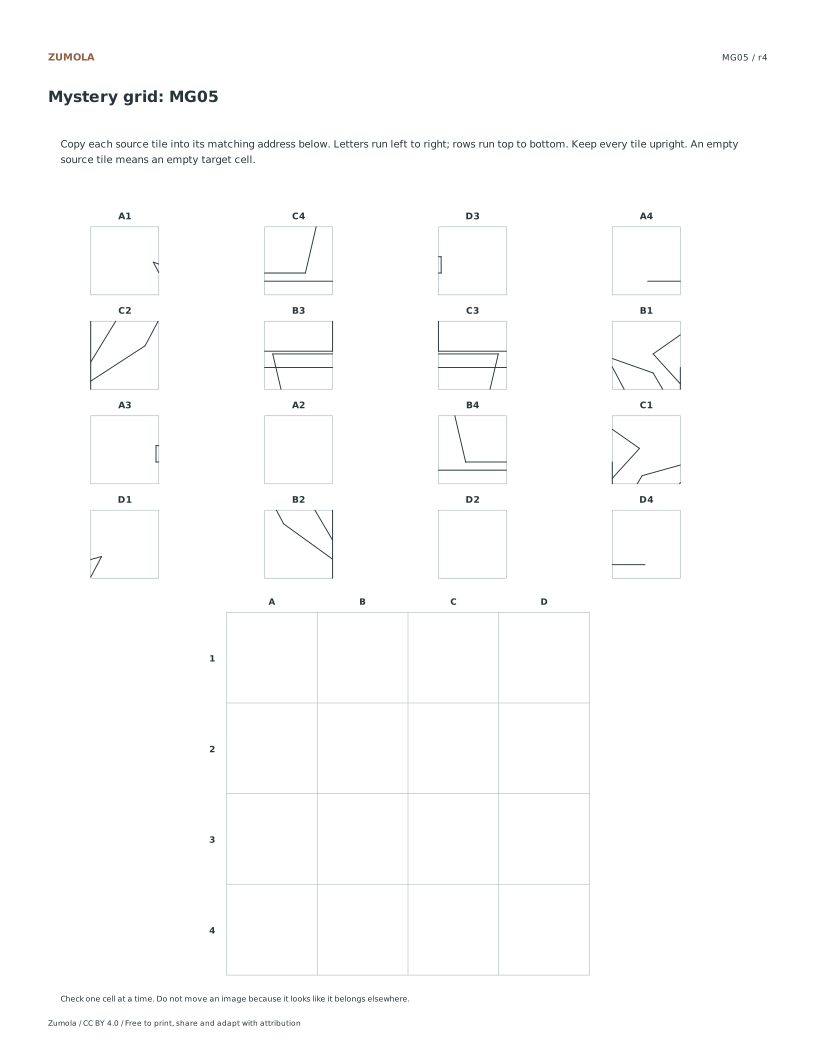
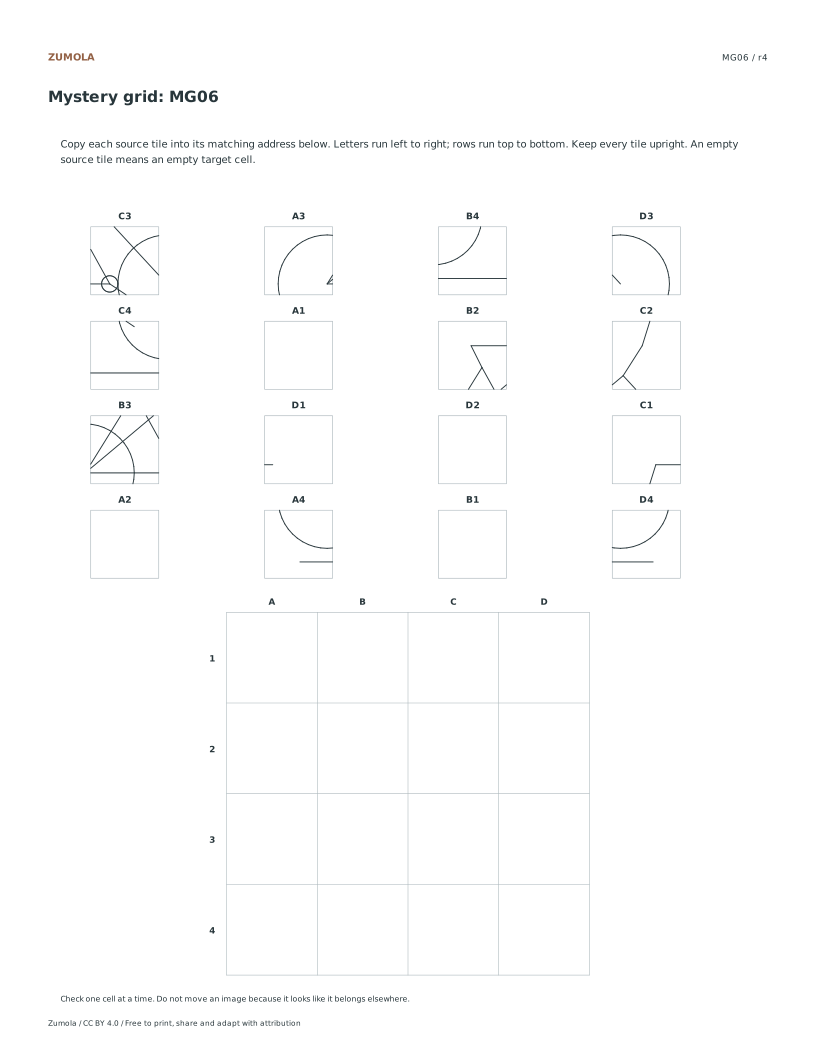
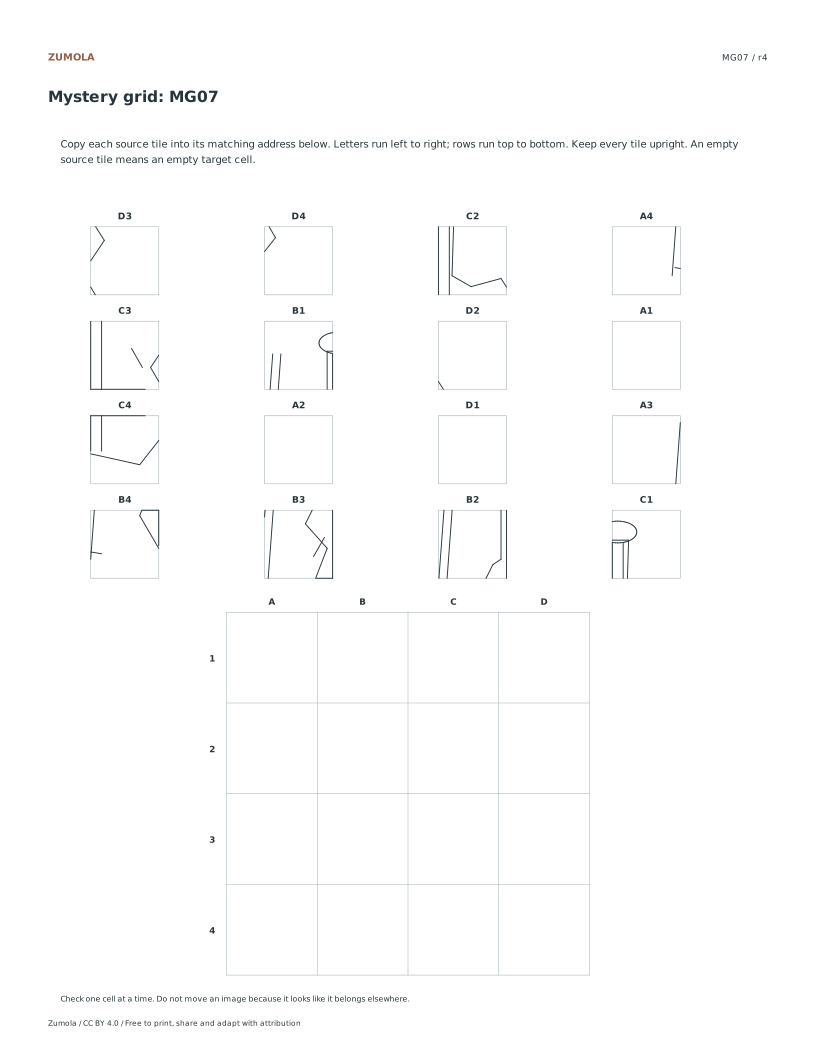
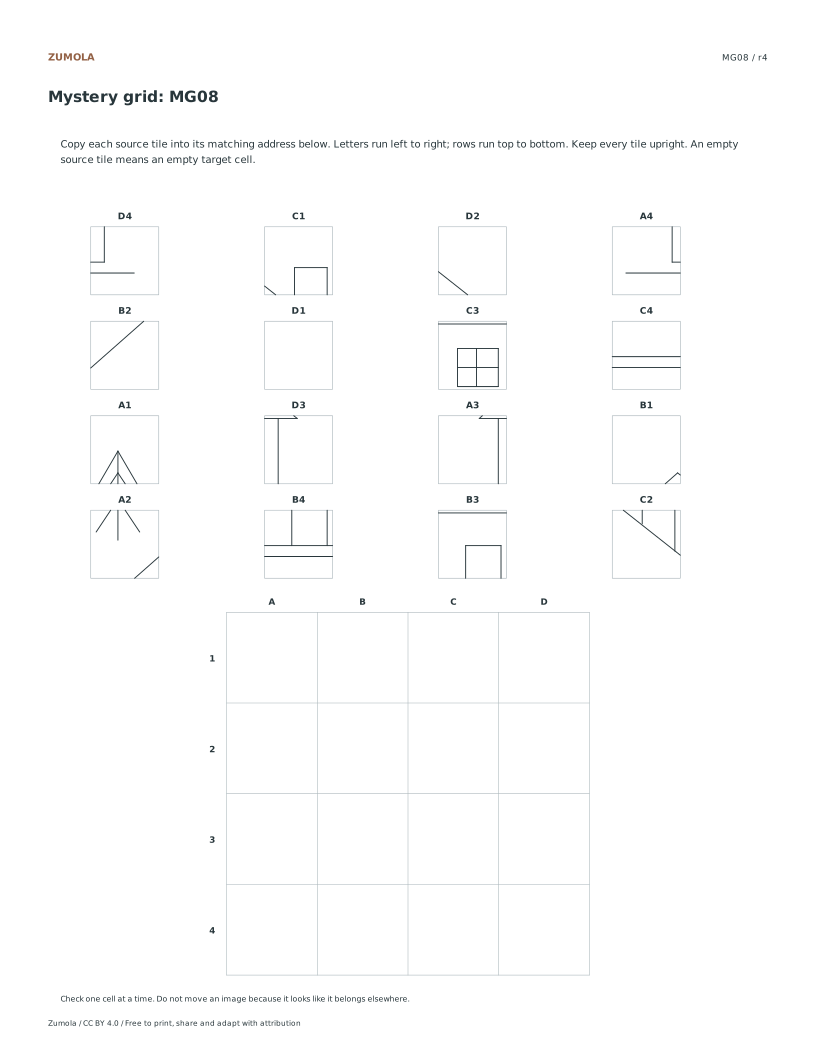
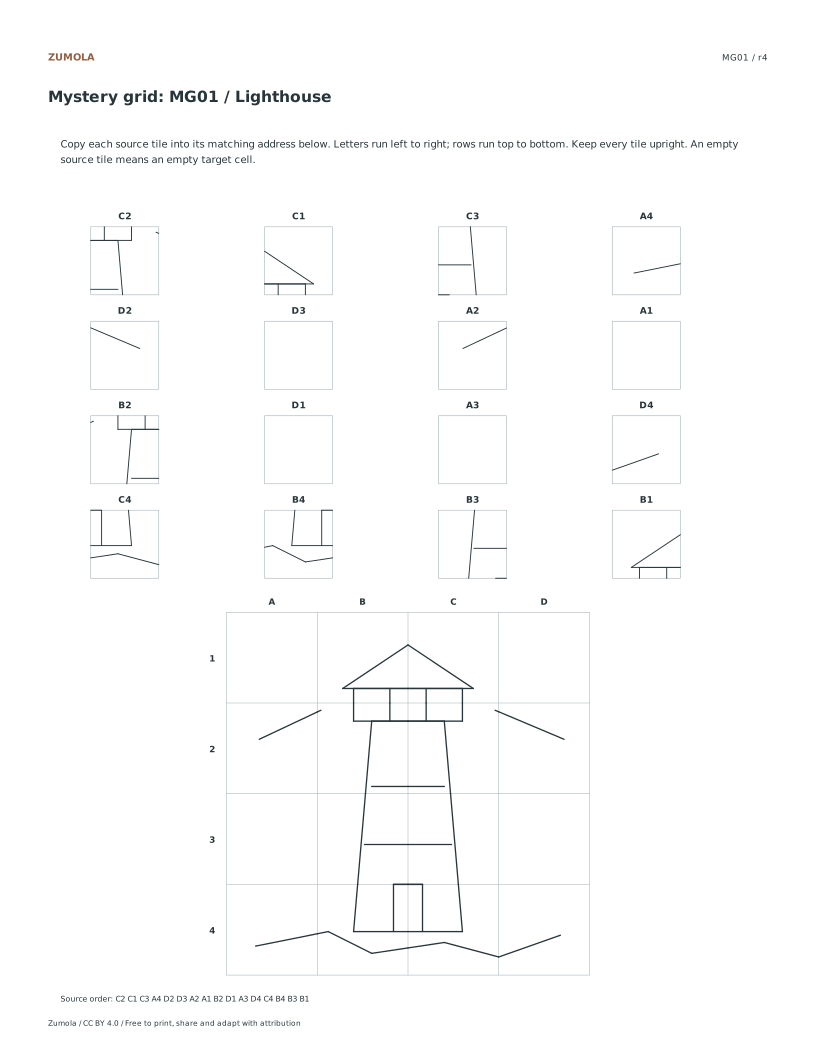
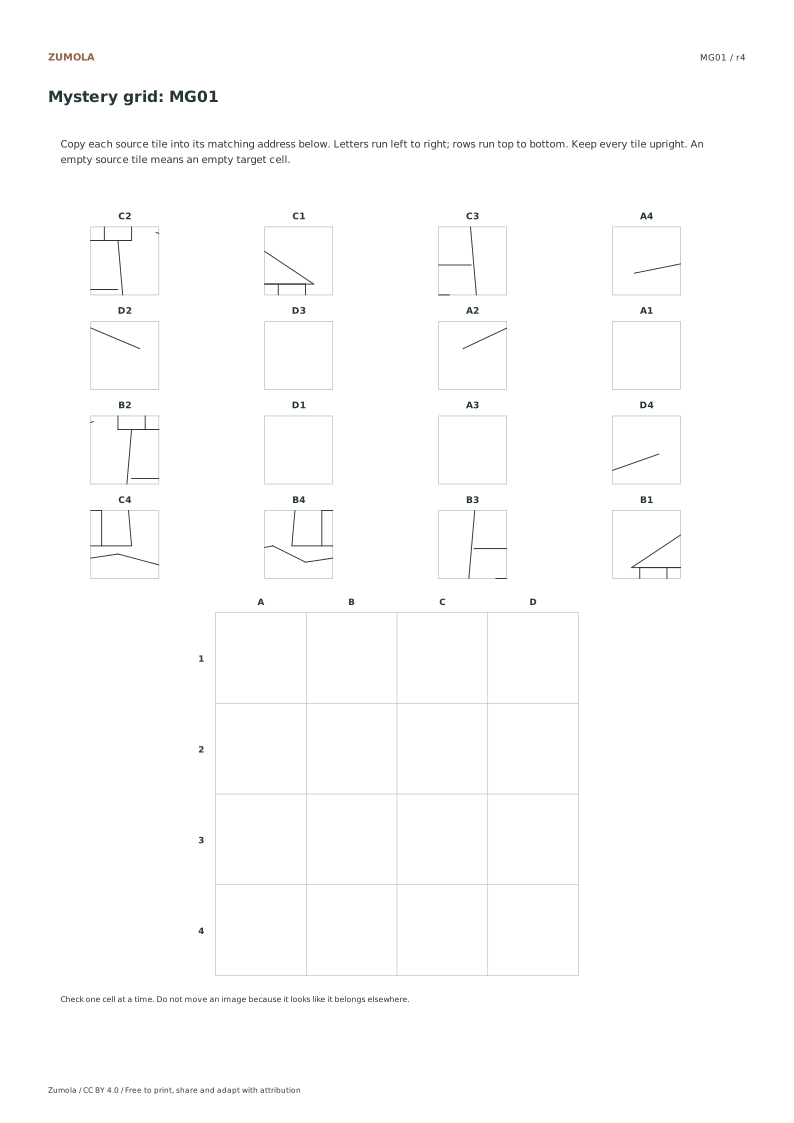
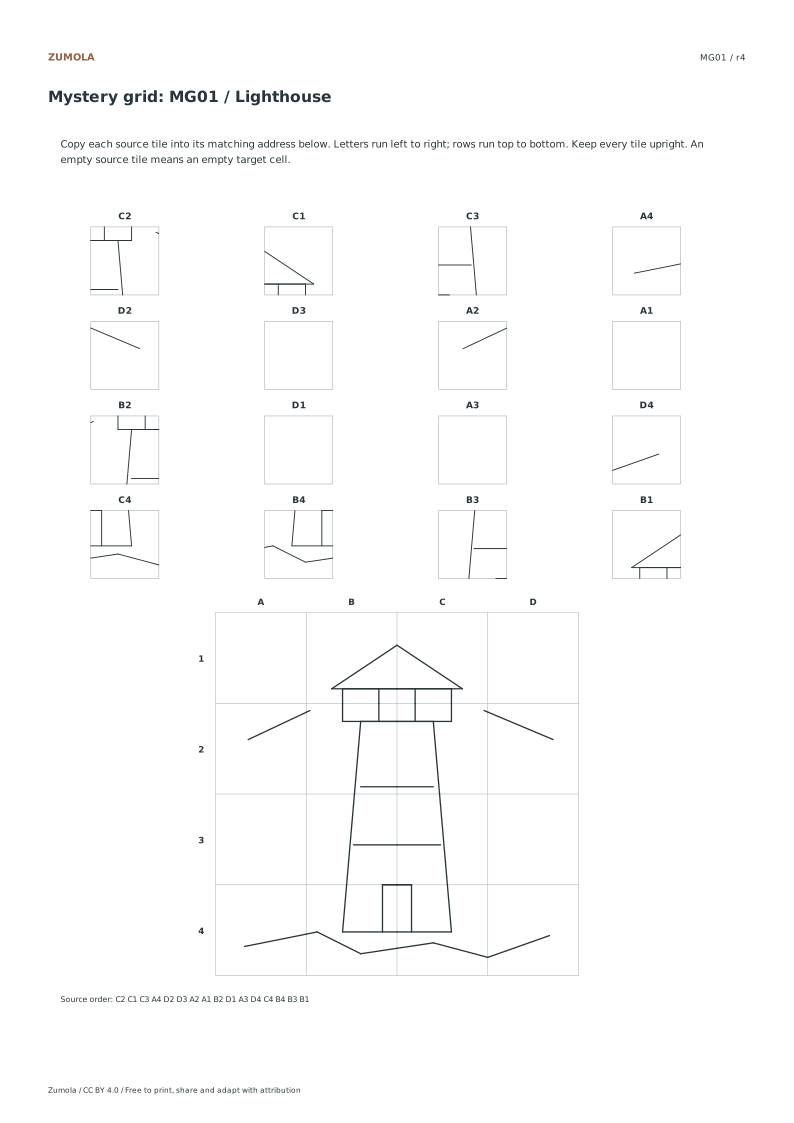
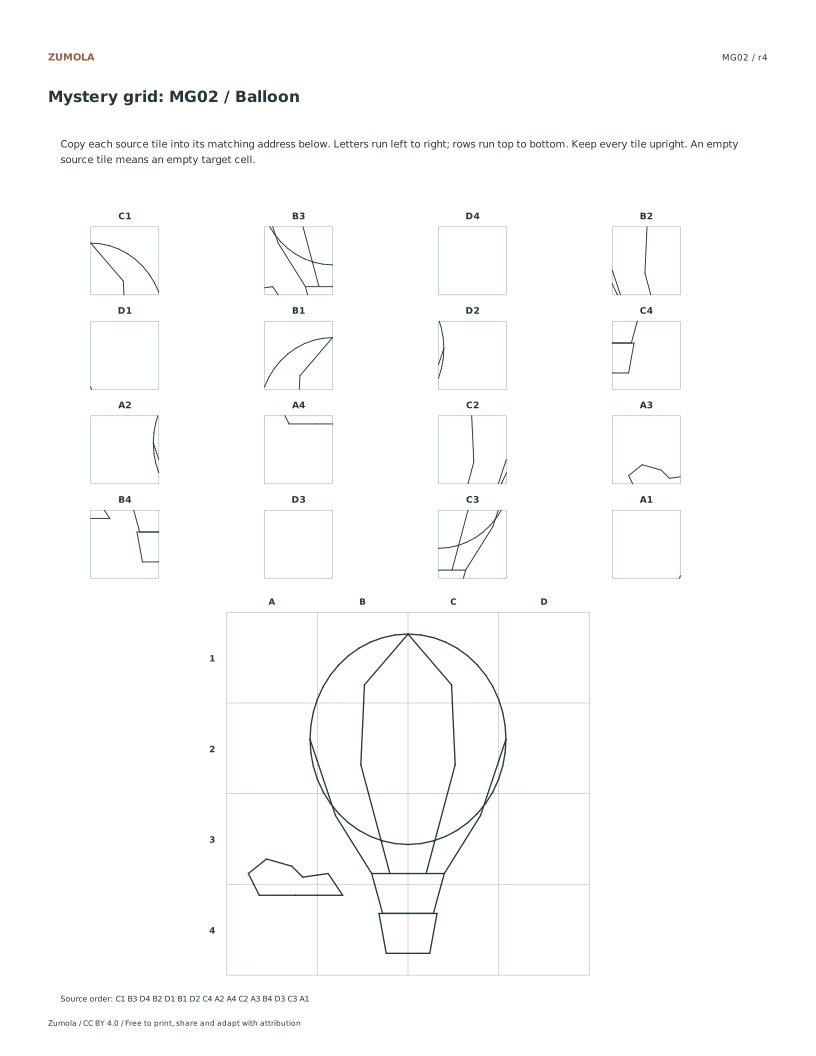
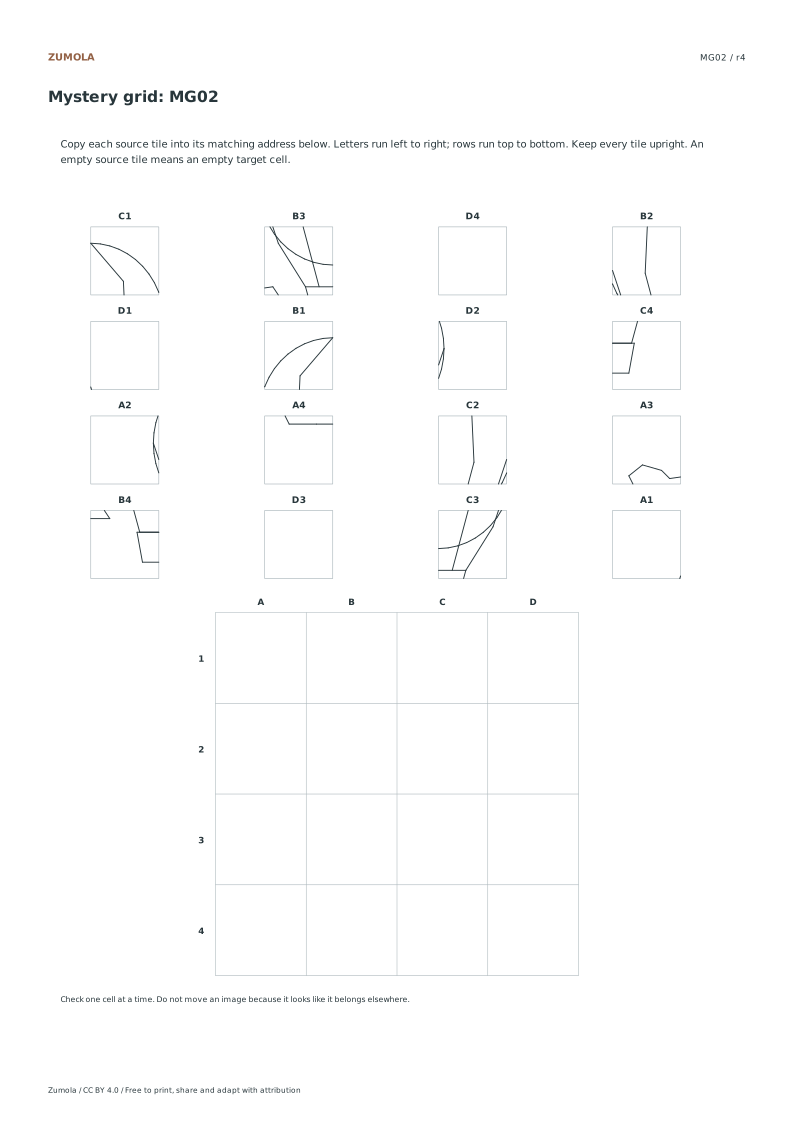
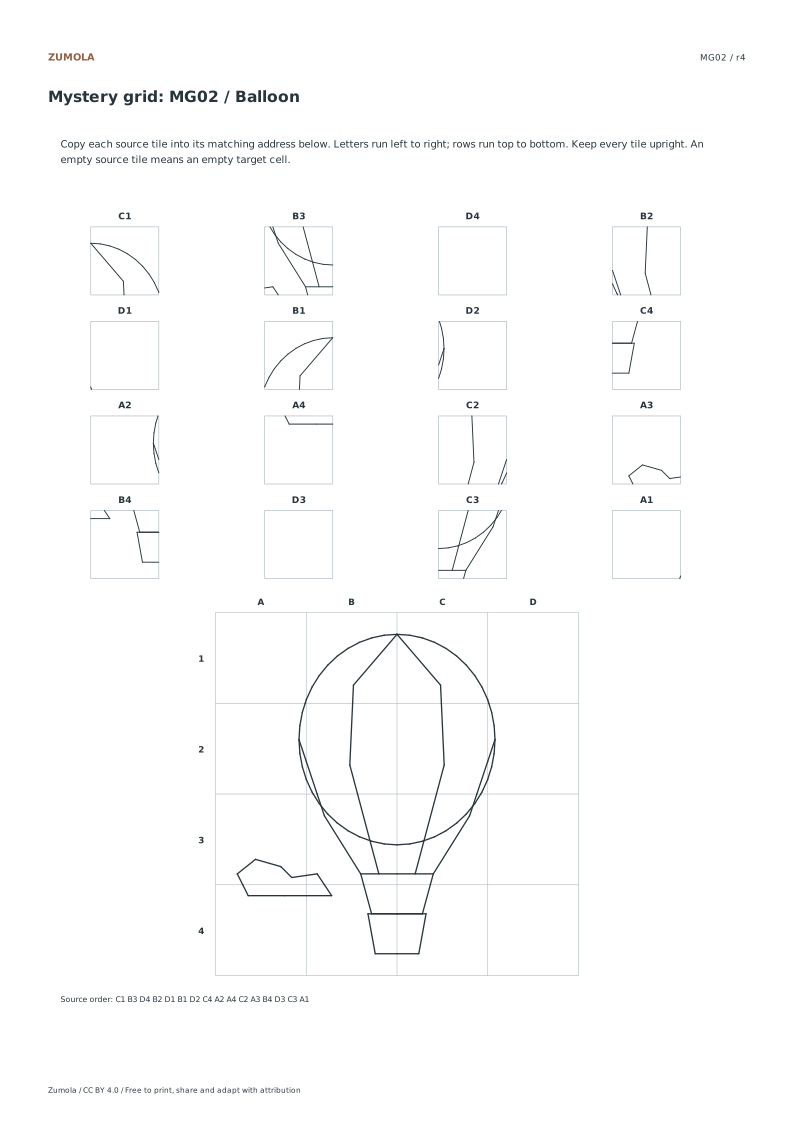
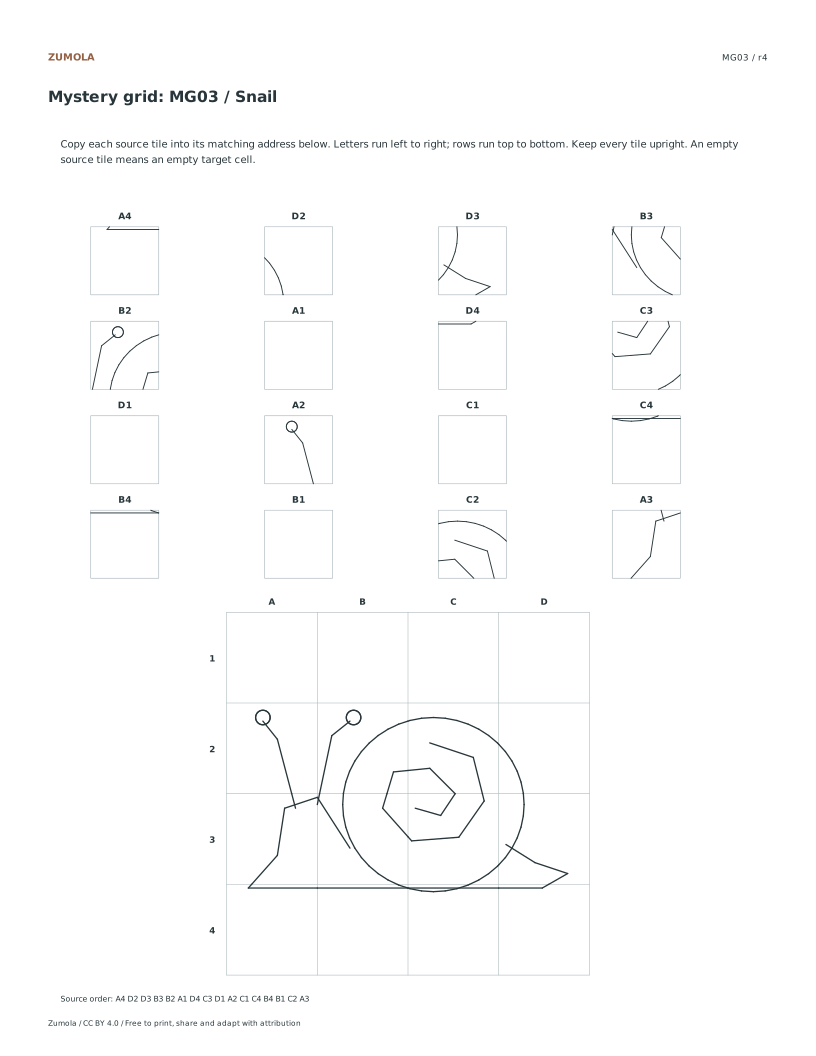
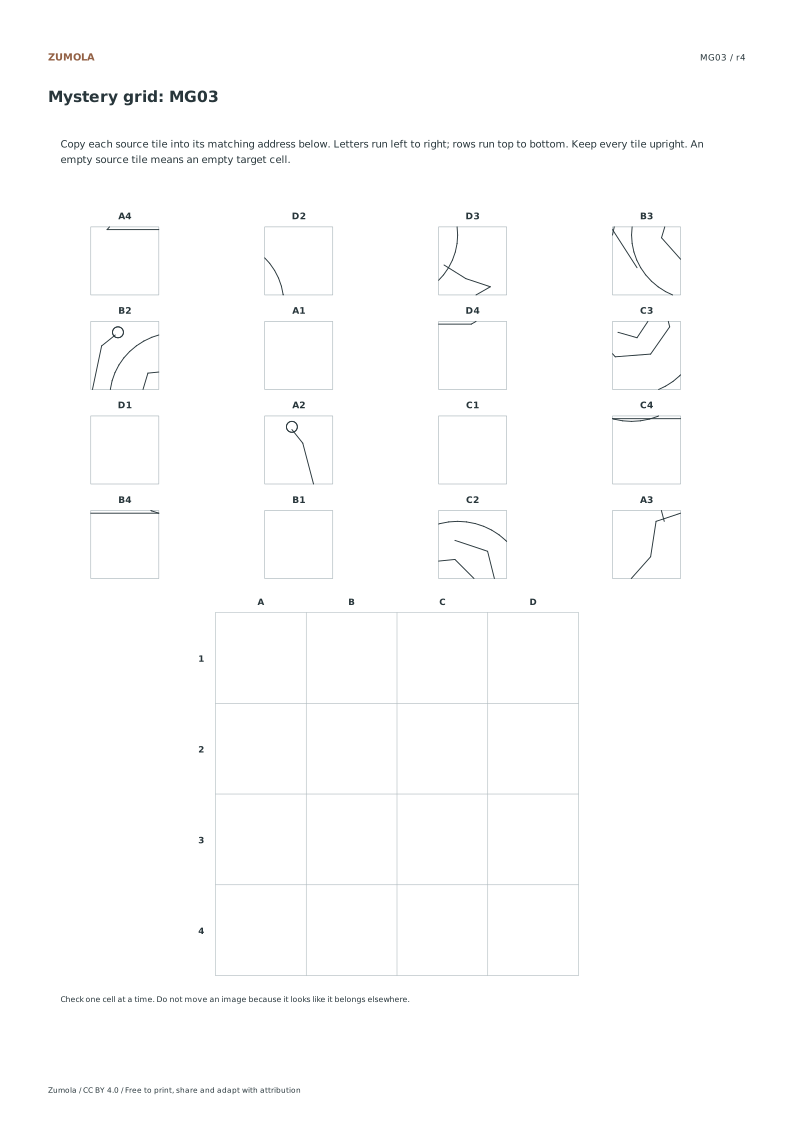
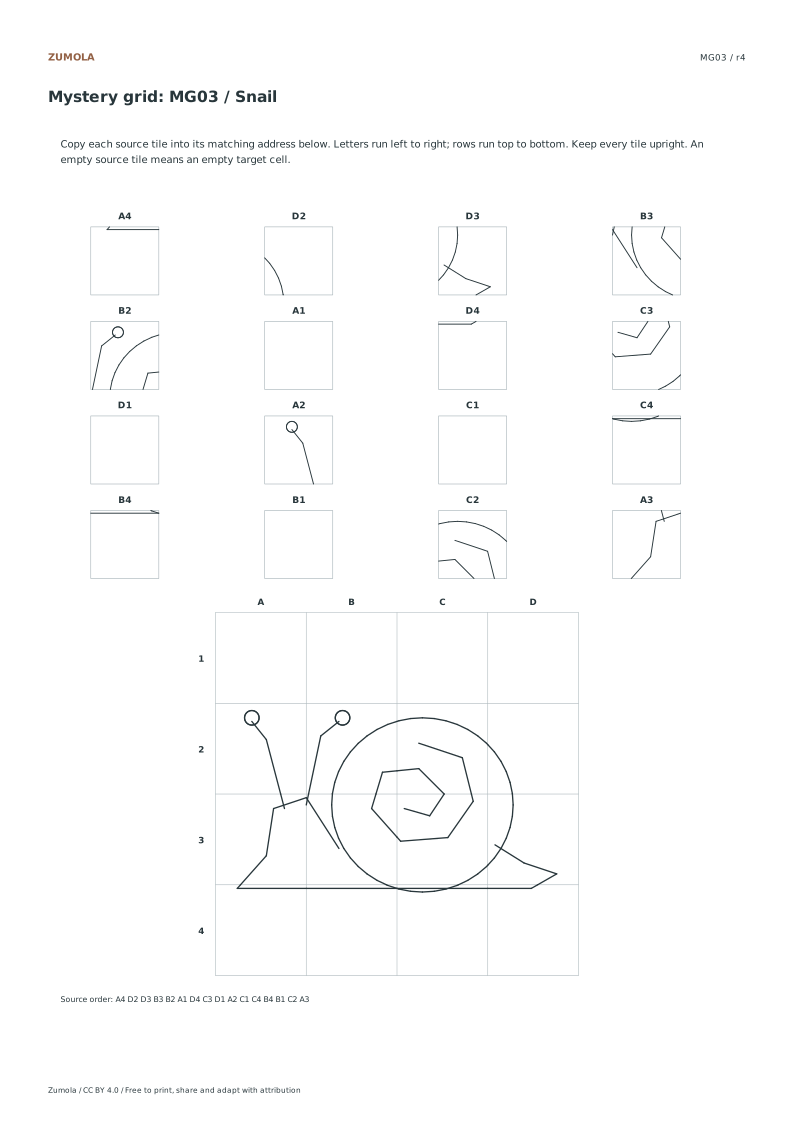
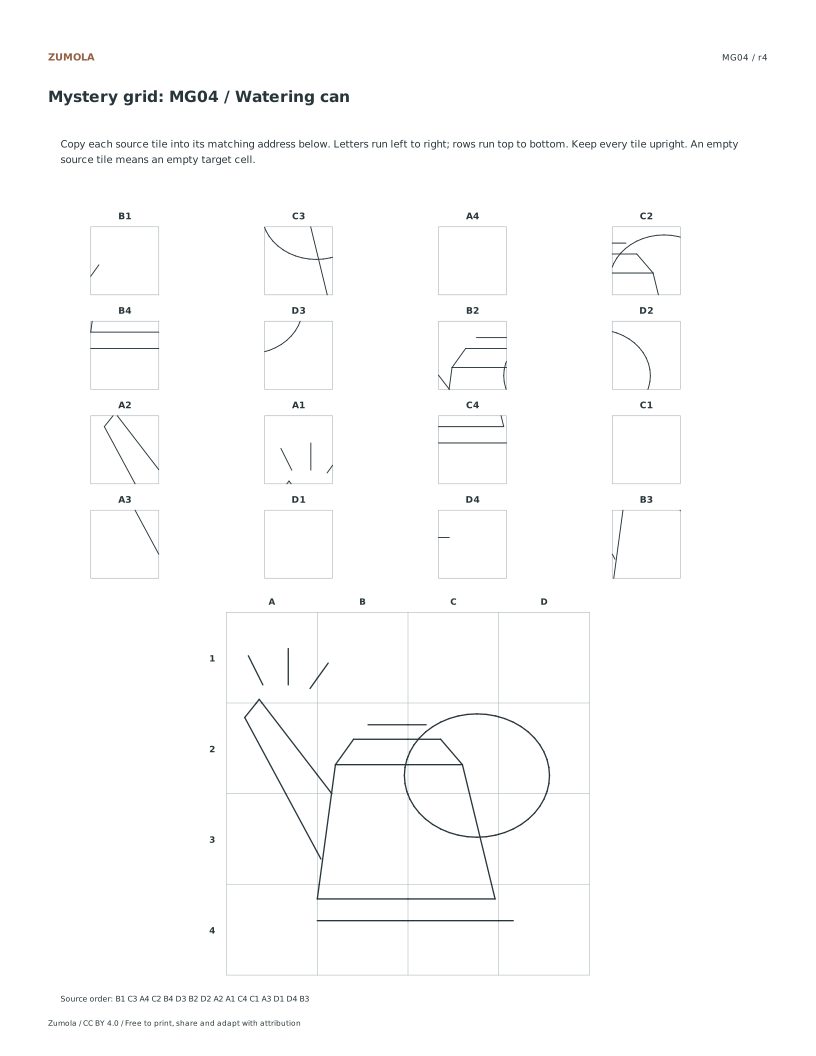
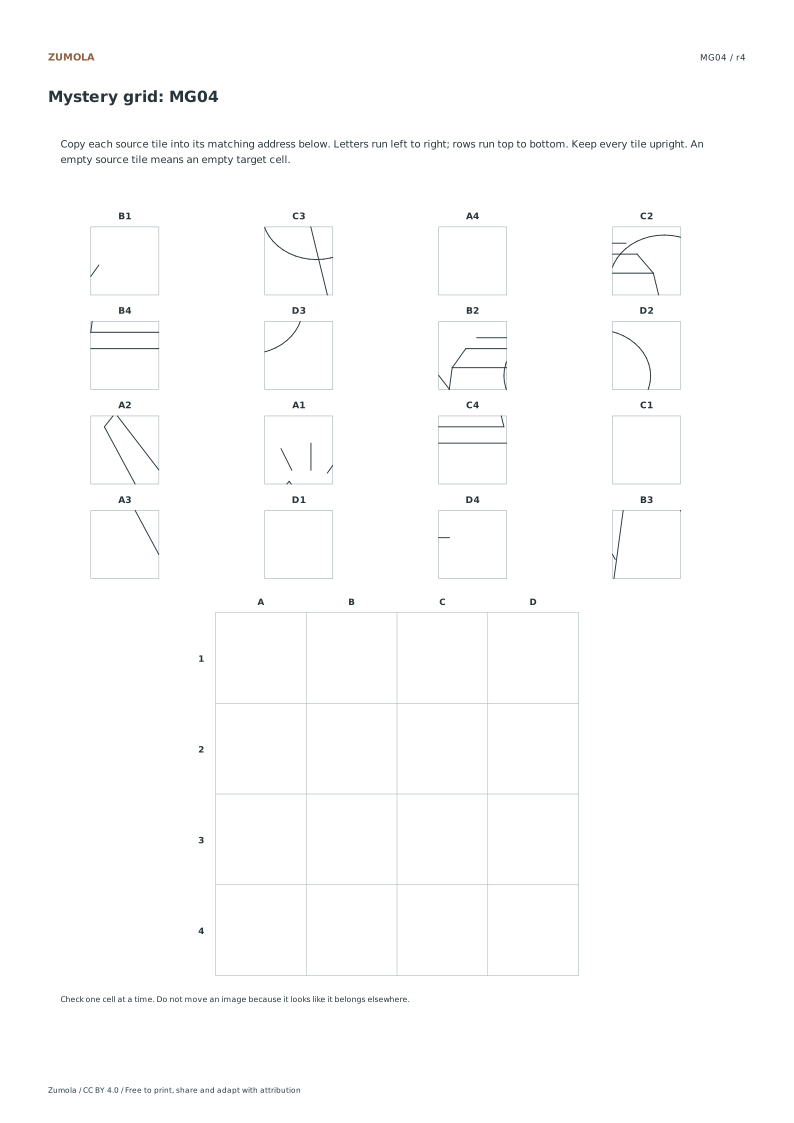
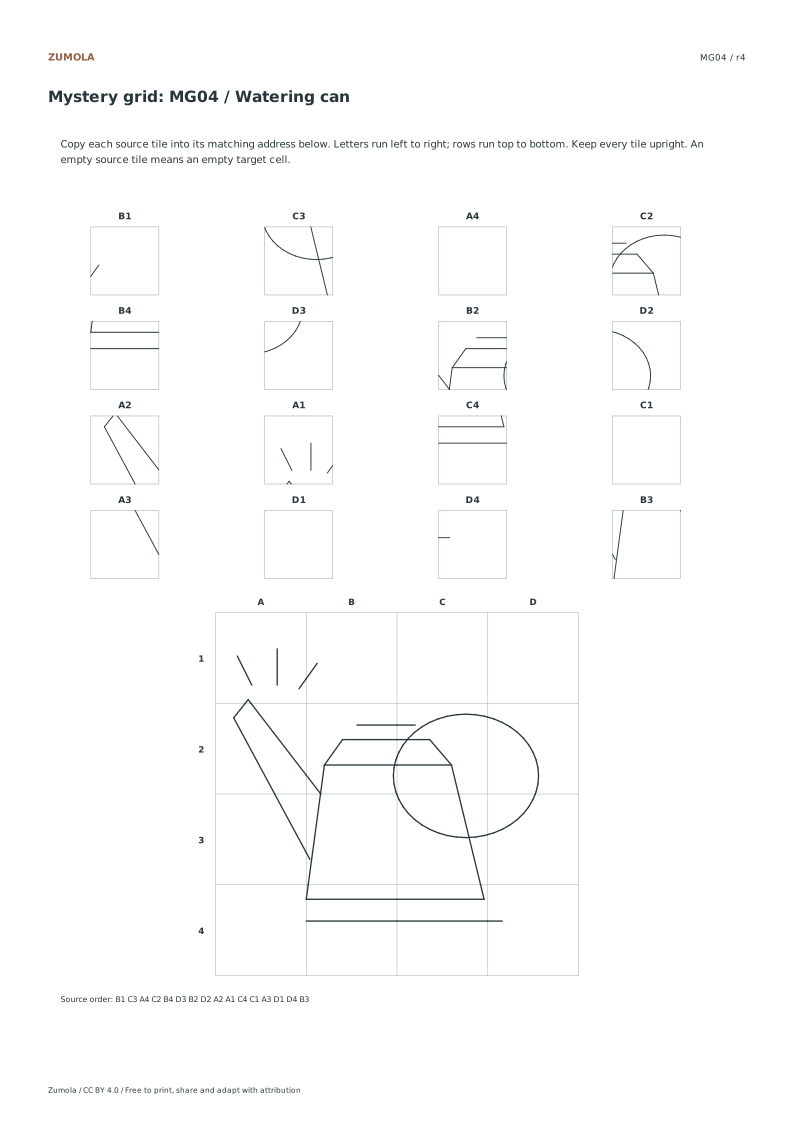
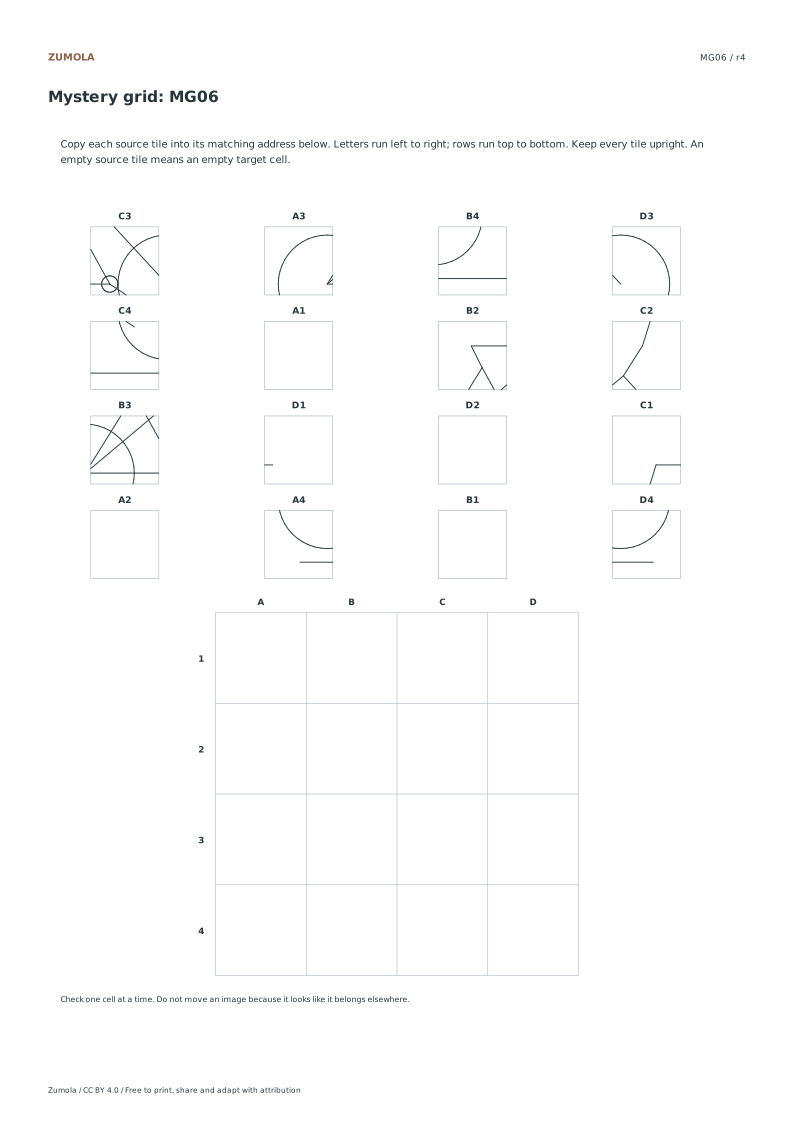
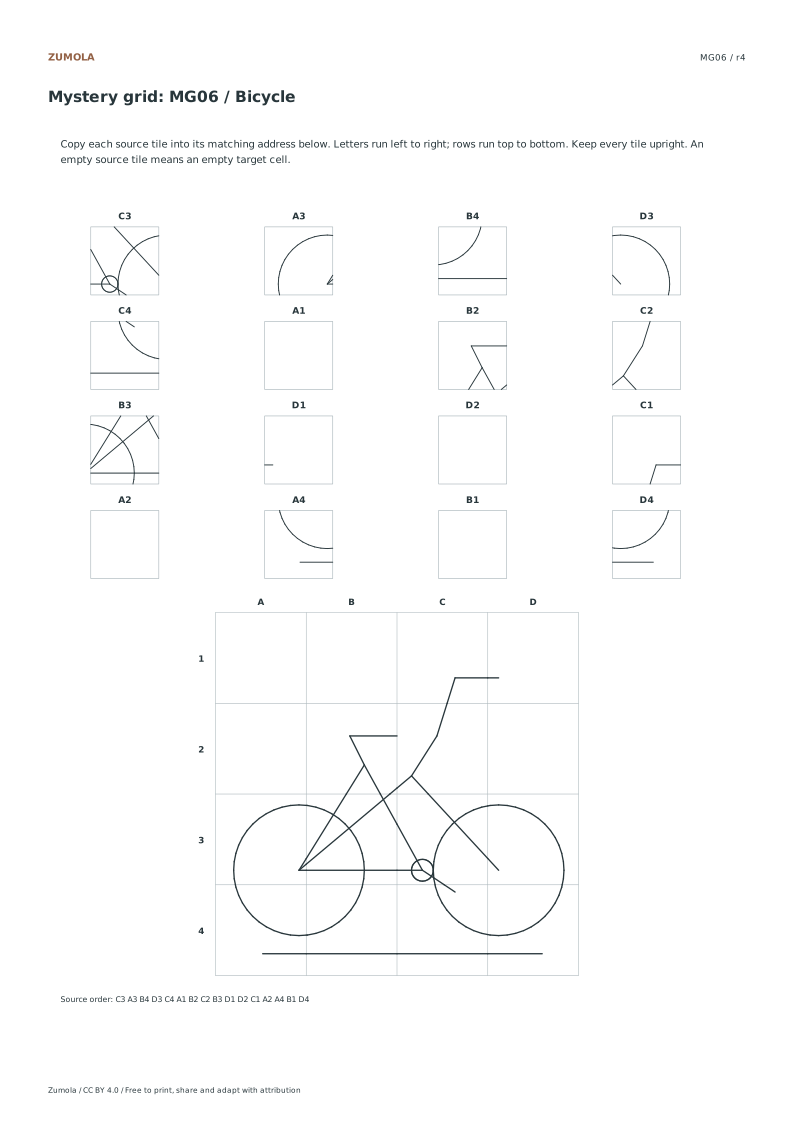
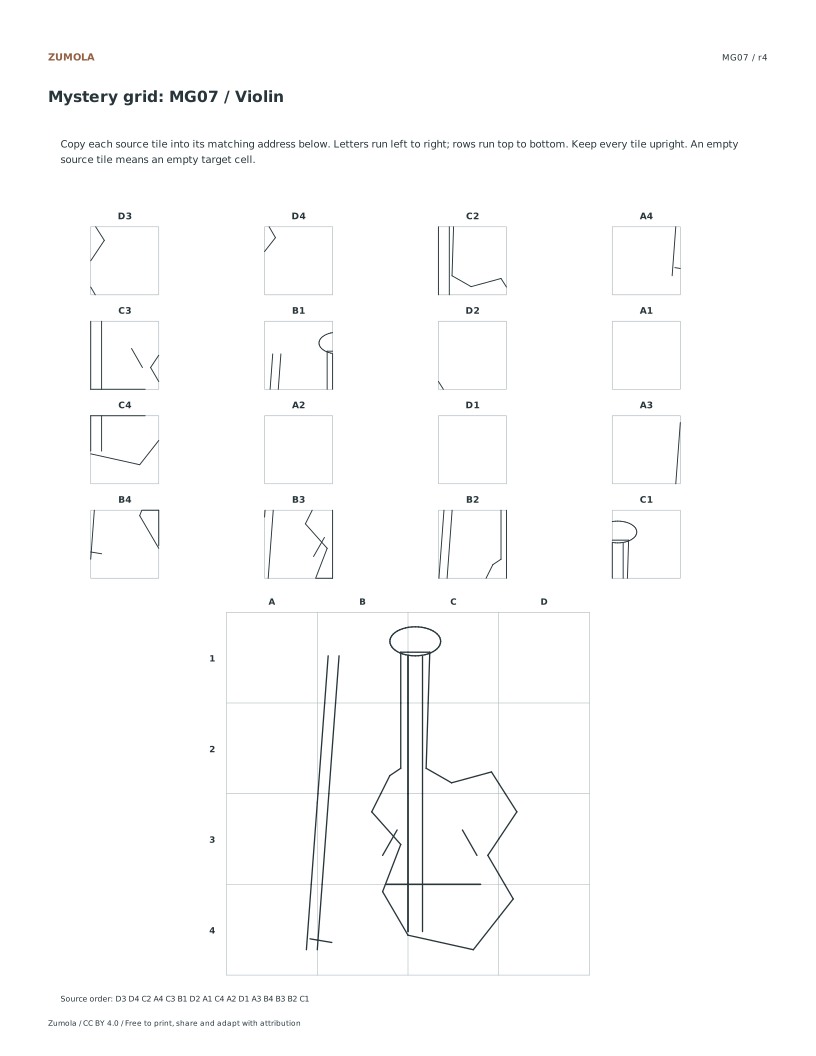
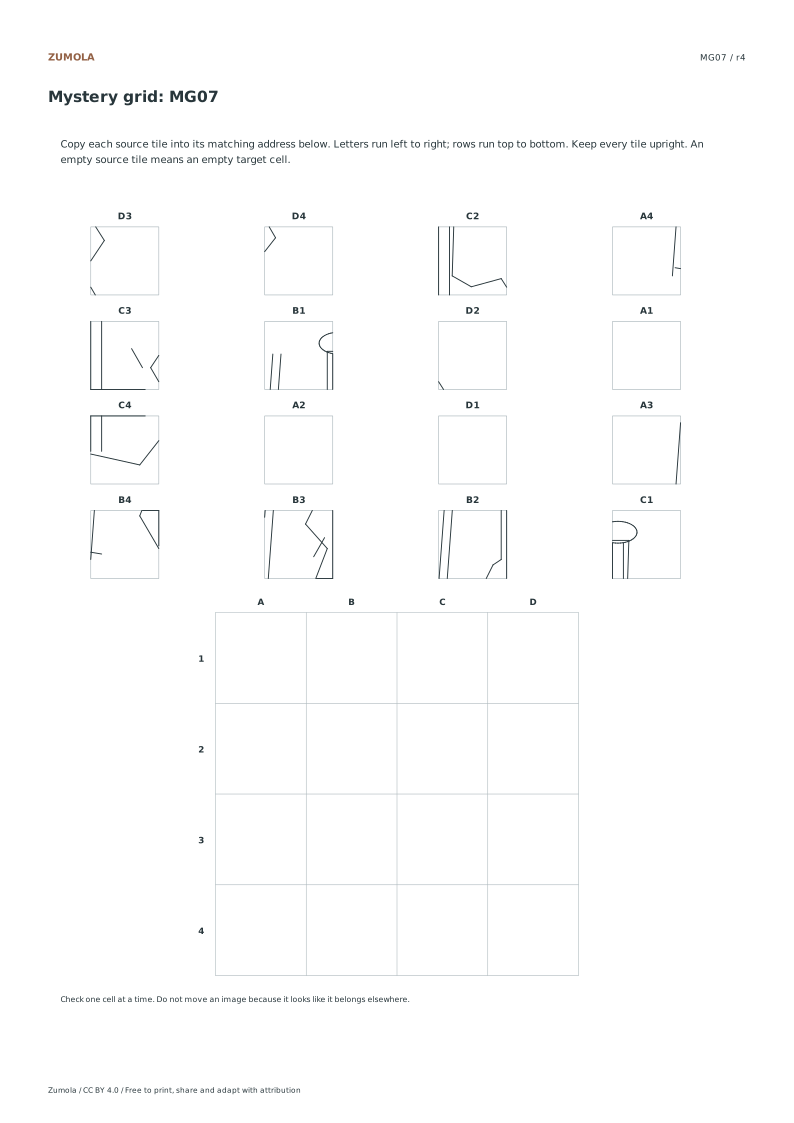
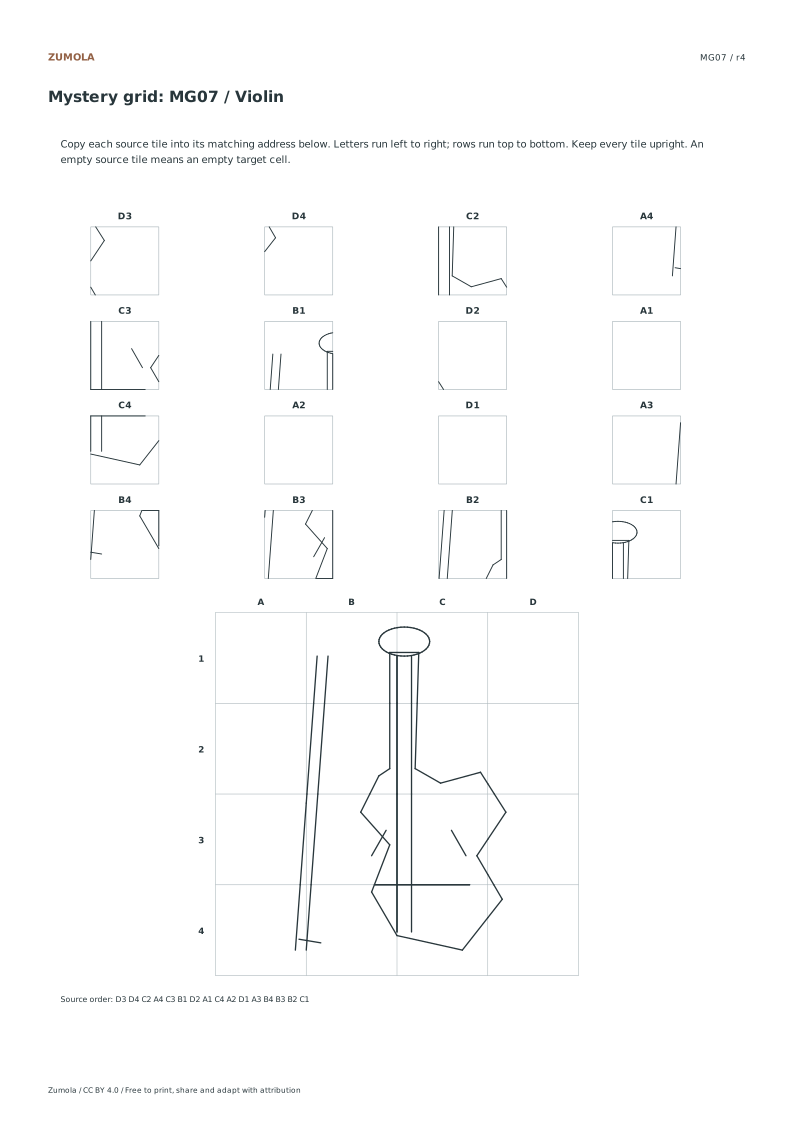
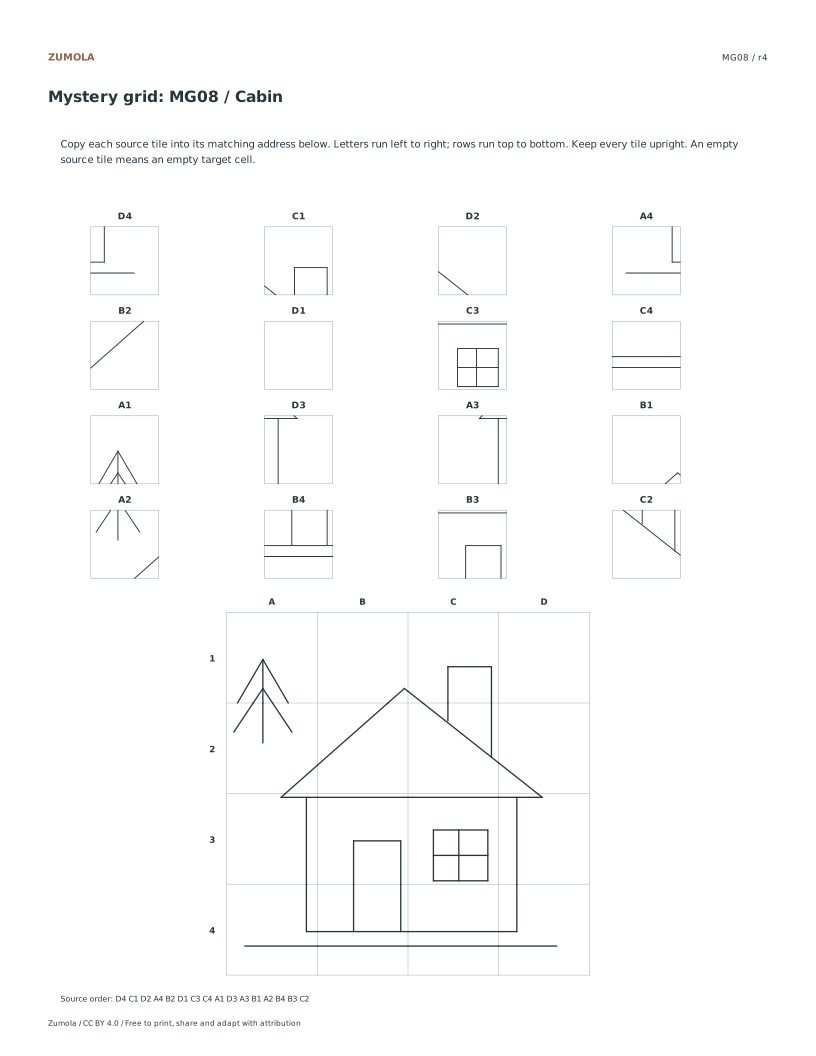
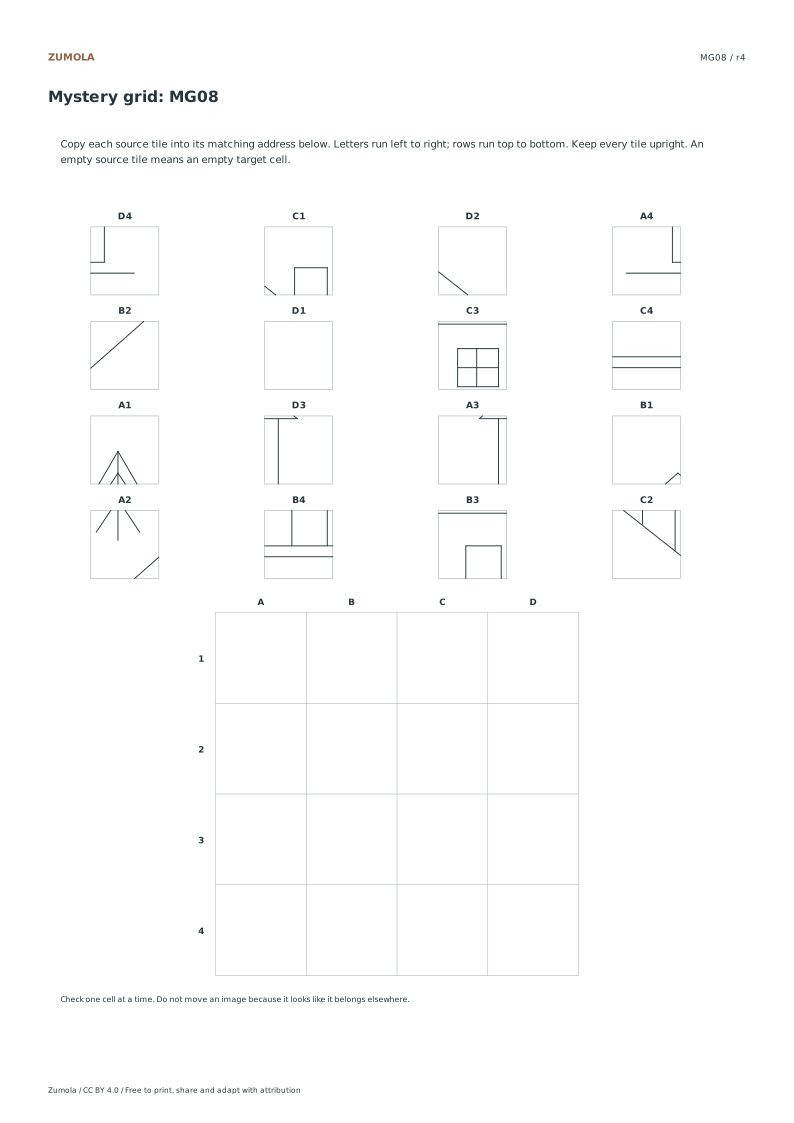
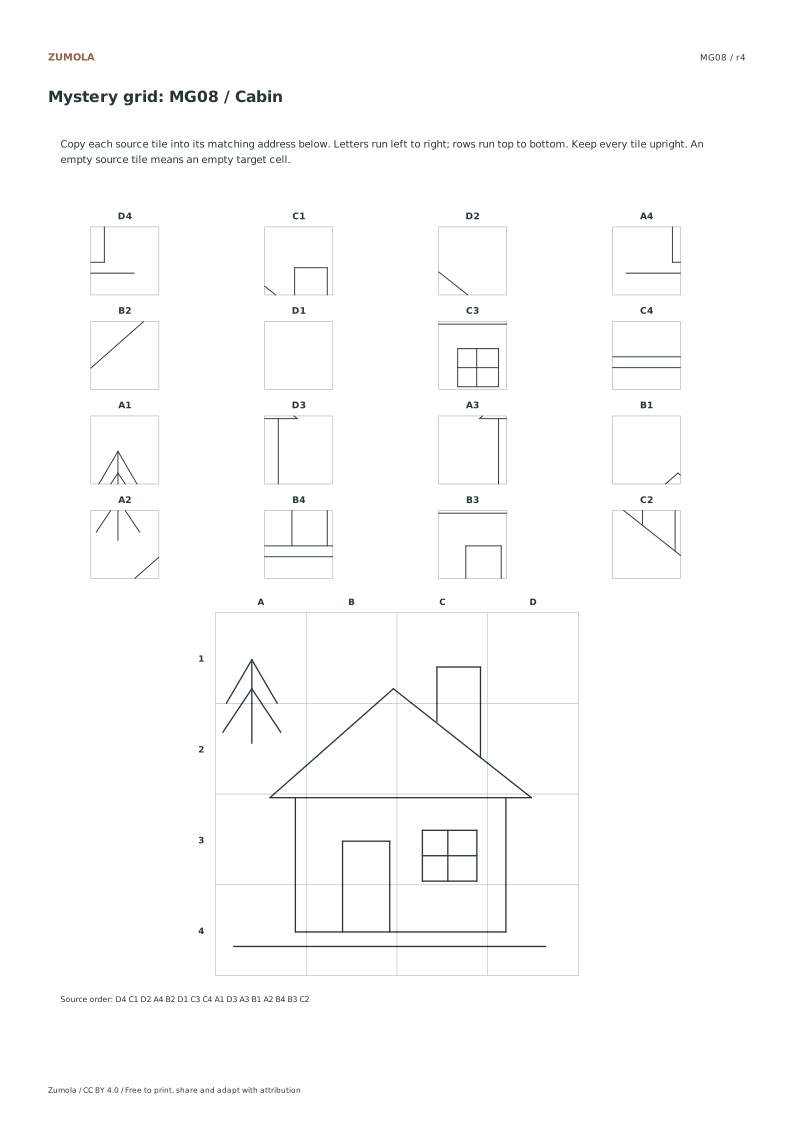
Copy each labeled fragment to its matching address in a 4 × 4 grid. Keep every tile upright and reveal eight original drawings.
Choose US Letter or A4, then use the PDF for printing or SVG for editing. Student worksheets and answer or reference files stay separate. Every linked file is free without signup.
Choose your paper and download
Download paper size
Every worksheet and answer is free. No signup.
The complete collection
Keep practice and answers separate.
Use the student pack first, then compare the reference or answer. Packs are PDFs; individual sheets below also include editable SVG files. The paper choice applies to every download.
An address tells you where, a fragment tells you what
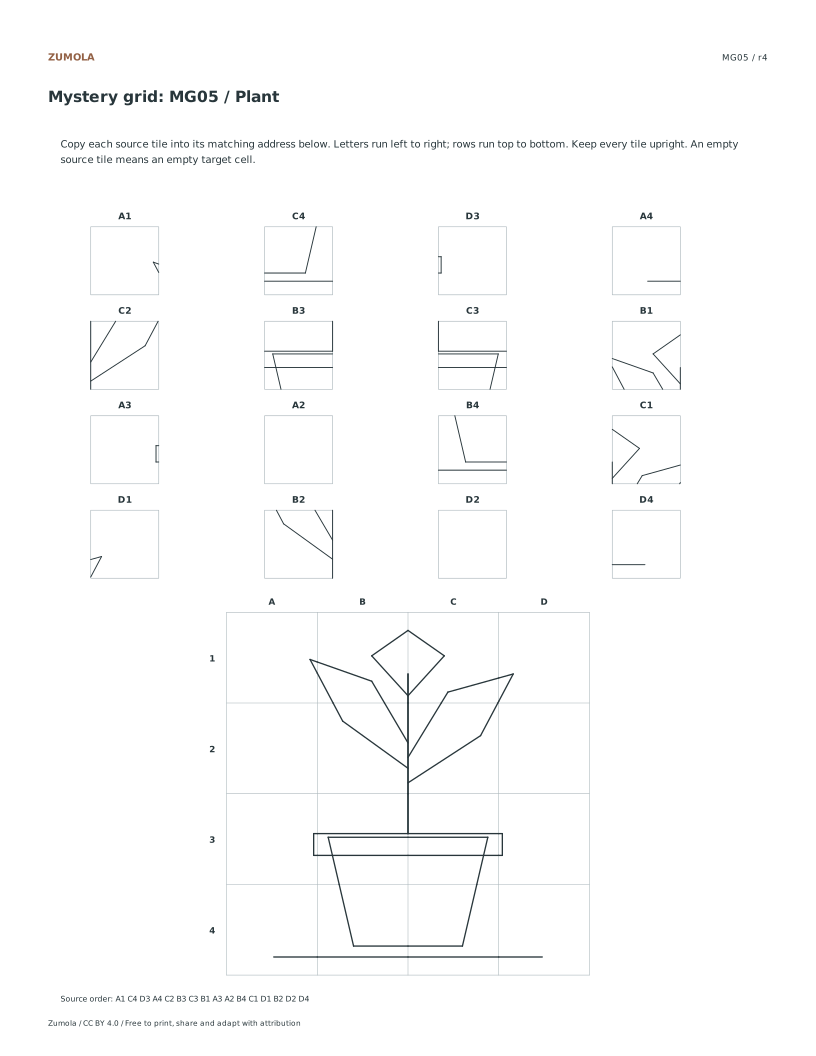
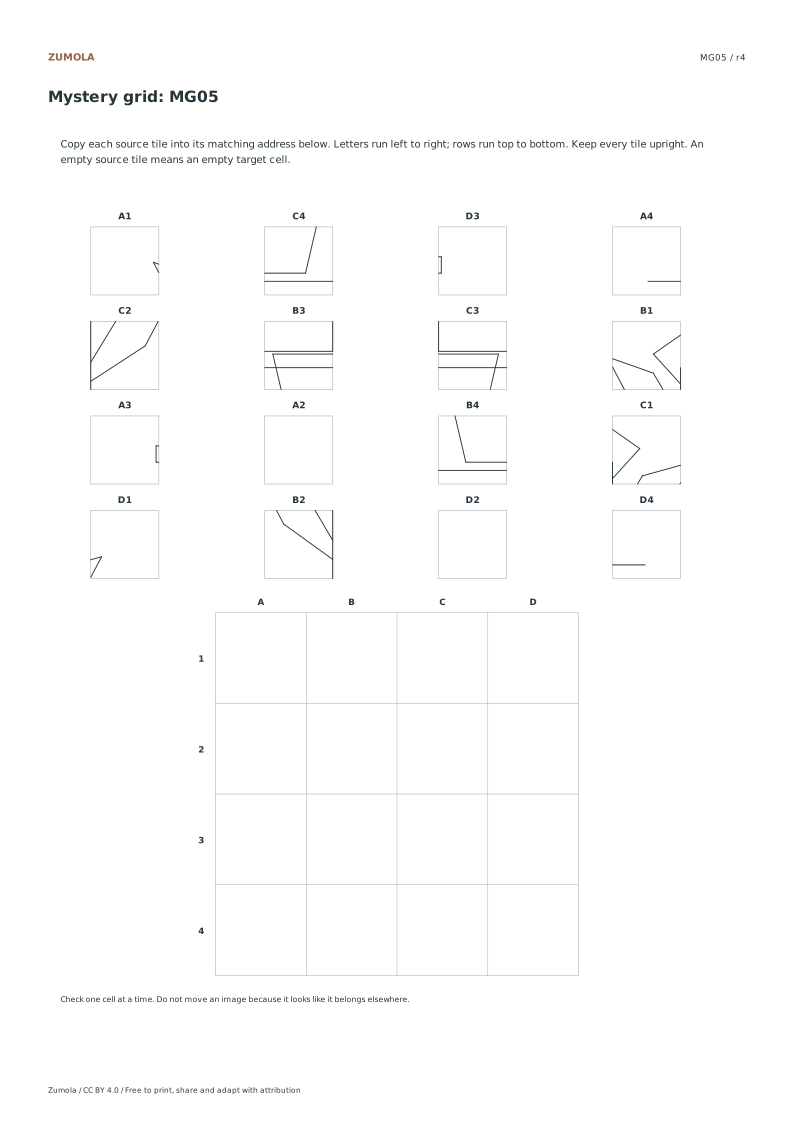
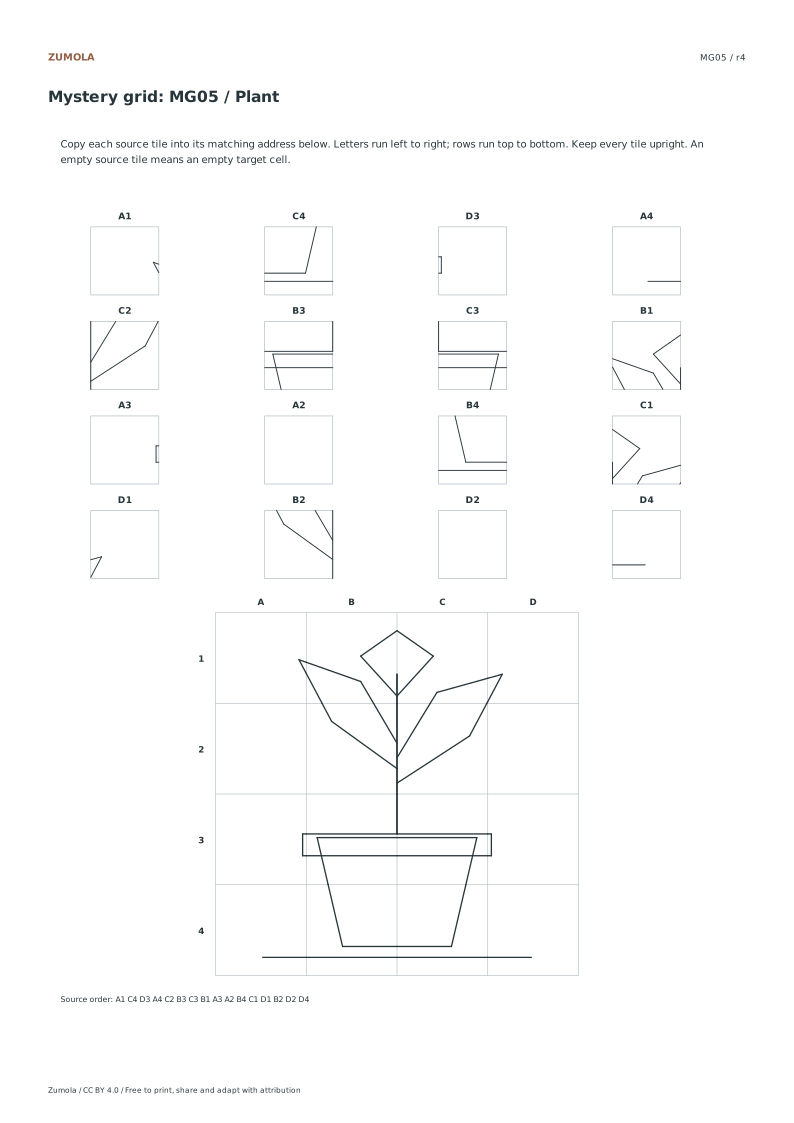
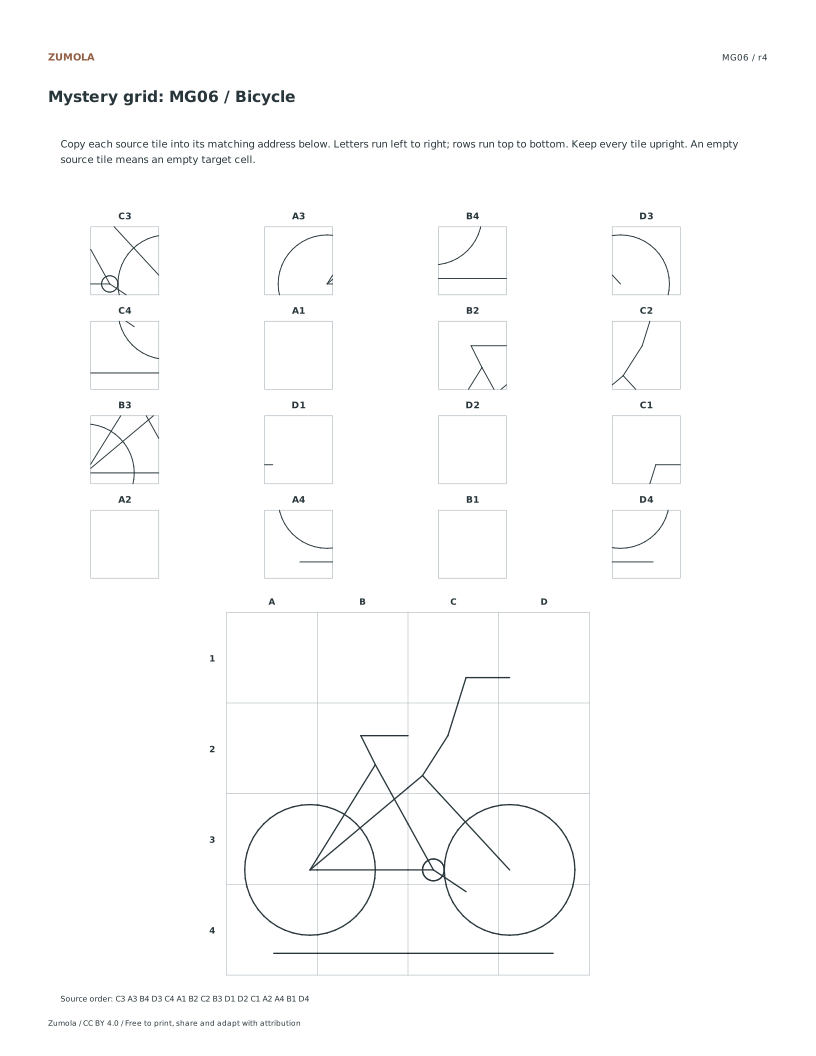
The target has four columns A–D from left to right and four rows 1–4 from top to bottom. A tile labeled C2 belongs in the third column of the second row, whatever its position in the scrambled source collection. Copy the short line segments and their crossings into that cell. The source tile is 18 mm wide and the target cell is 24 mm wide, so transfer each fragment at a 4:3 enlargement.
For example, a source line beginning halfway down its left boundary should enter halfway down the target cell’s left boundary. Copy its relative location rather than the 18 mm measurement. Do not rotate a tile to make a familiar object part look upright. Blank source cells map to blank target cells; they are still part of the complete address assignment.
Puzzle IDs
Original answer subjects
MG01–MG04
Lighthouse, balloon, snail, watering can
MG05–MG08
Plant, bicycle, violin, cabin
Each puzzle has its own fixed shuffle. The student gallery uses the scrambled worksheet; the completed subject appears in the teacher answer. Line segments are clipped at cell boundaries and reconstructed from those same segments in their addressed positions. This task differs from plotting coordinate pairs: addresses locate whole cells rather than individual points.
Work through the page
Identifying Target Coordinates
Begin by examining the target grid structure which consists of four columns and four rows. The addressing system assigns letters to columns moving left to right and numbers to rows moving top to bottom. This creates sixteen unique addresses ranging from A1 to D4. Each address corresponds to a specific cell in the final image. Understanding this coordinate system is essential before placing any tiles. The letters define the horizontal position while the numbers define the vertical position. This fixed layout ensures that every tile has a single correct destination. Students must match the label on each source tile to the corresponding address in the target grid to ensure accurate reconstruction of the mystery image without confusion or misplacement of pieces.
Copying Tile Contents
Once the target address is identified, copy the visual content from the labeled source tile into the matching cell in the target grid. The source tiles are shuffled using a fixed seed but retain their original target addresses. This means the label on the tile indicates where it belongs, not its current position in the shuffled set. Transcribe the line drawing exactly as it appears on the source tile. Do not rotate the tile as orientations are never changed. Ensure that the entire line drawing is split precisely at cell boundaries. This direct transfer method maintains the integrity of the original image while allowing students to solve the puzzle through logical matching rather than artistic interpretation or estimation.
Handling Empty Cells
A blank source tile is a valid part of the picture. Its destination should remain blank too. Check it off by address so that you do not accidentally put a neighboring fragment into the space. The 16 source labels form a complete one-to-one assignment to A1–D4, even when a tile contains no lines. When a stroke crosses a cell boundary, compare its exit point with the matching entry in the next target cell. The answer reconstructs the original from the same clipped line segments and lists the source order for that puzzle.
Checks that catch common errors
Watch for
Check instead
Rotating tiles to fit the visual pattern
Orientations are never rotated. Place the tile exactly as it appears on the source sheet without turning it, relying solely on the address label for placement.
Filling a blank target cell with an invented fragment.
If the source tile at that address is empty, leave the corresponding target cell empty. Still check that address as completed.
Using the shuffled position number for placement
Each source tile keeps its target address, not its shuffled position number. Always look at the letter and number label on the tile to find the correct destination.
Print a test sheet before the full pack
Choose the file matching the paper in your printer. Print the PDF at Actual size / 100%, turning off Fit, Shrink and browser headers. An SVG editor or browser can change its scale even though the file uses millimeter dimensions. Use the supplied calibration bars where present when a task depends on physical size; a screen preview alone does not establish printed size.
The packs contain the same individual pages in collection order. They are a convenient download, not extra different exercises. On coordinate plots, uniform scaling preserves the numerical positions relative to the axes. On image-copy tasks, keep the specified proportions and any stated source-to-target enlargement. Color is optional: labels, line positions and relative lightness also explain the references.
Useful answers
Do I need to plot coordinates like a graph?
No. This is not coordinate-pair plotting. You are matching labeled tiles to grid addresses. The letters and numbers indicate specific cells in a four by four grid, not mathematical coordinates for drawing lines.
Is this a coloring by number activity?
The task is line copying and address matching, rather than coloring by number. You can color the completed original drawing afterward if you wish.
Are the images copyrighted characters?
No. The eight distinct original mystery grid line drawings are original works. No paid or protected character images are copied. The answers reconstruct the original from a bijective permutation of the tiles.
Are the answers and editable files free too?
Yes. Every linked worksheet, PDF, SVG and answer is free without signup. Original Zumola resources use CC BY 4.0: credit Zumola, link the license and indicate changes. Analytics consent is not required to download or use them.
Optional Google Analytics helps us understand which free resources are useful. It is off until you allow it. Drawing tools and downloads work with either choice. Privacy details