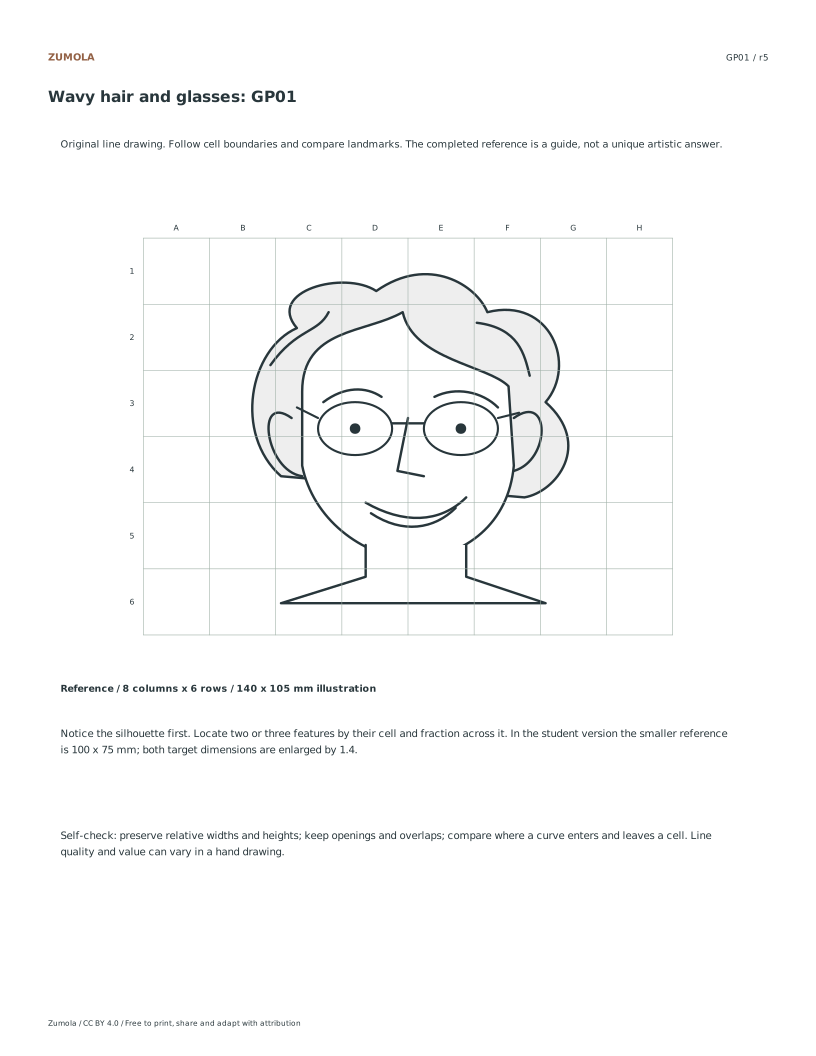
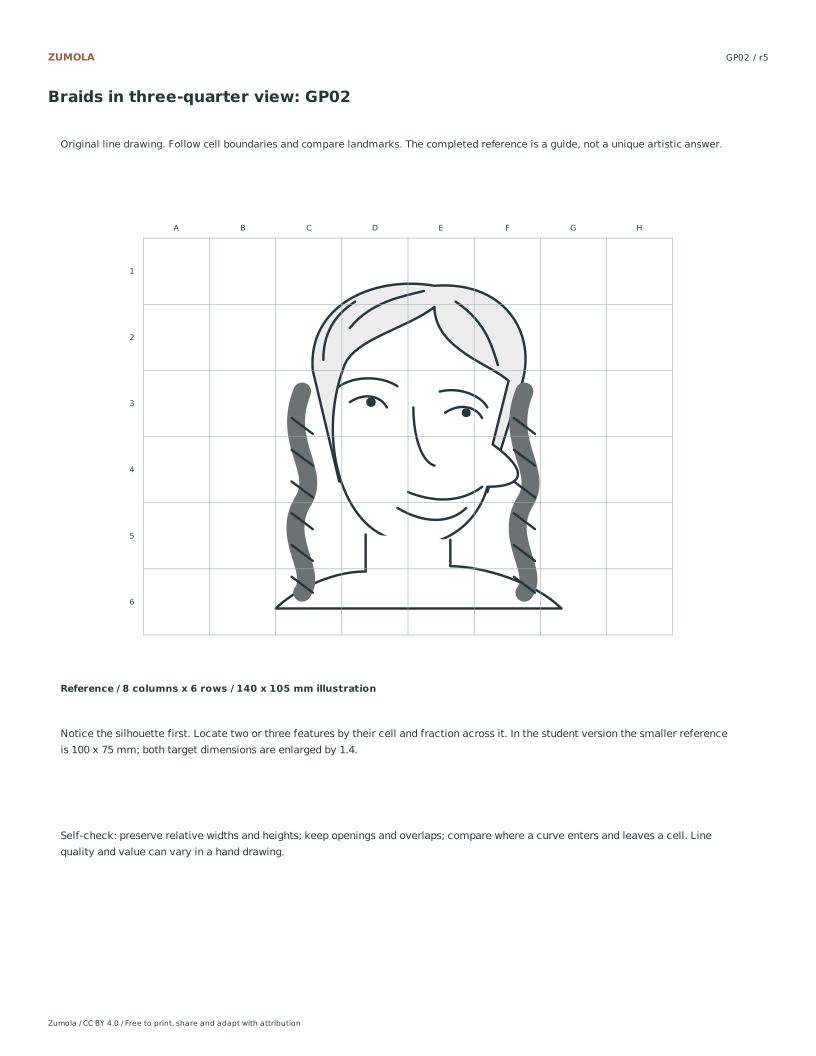
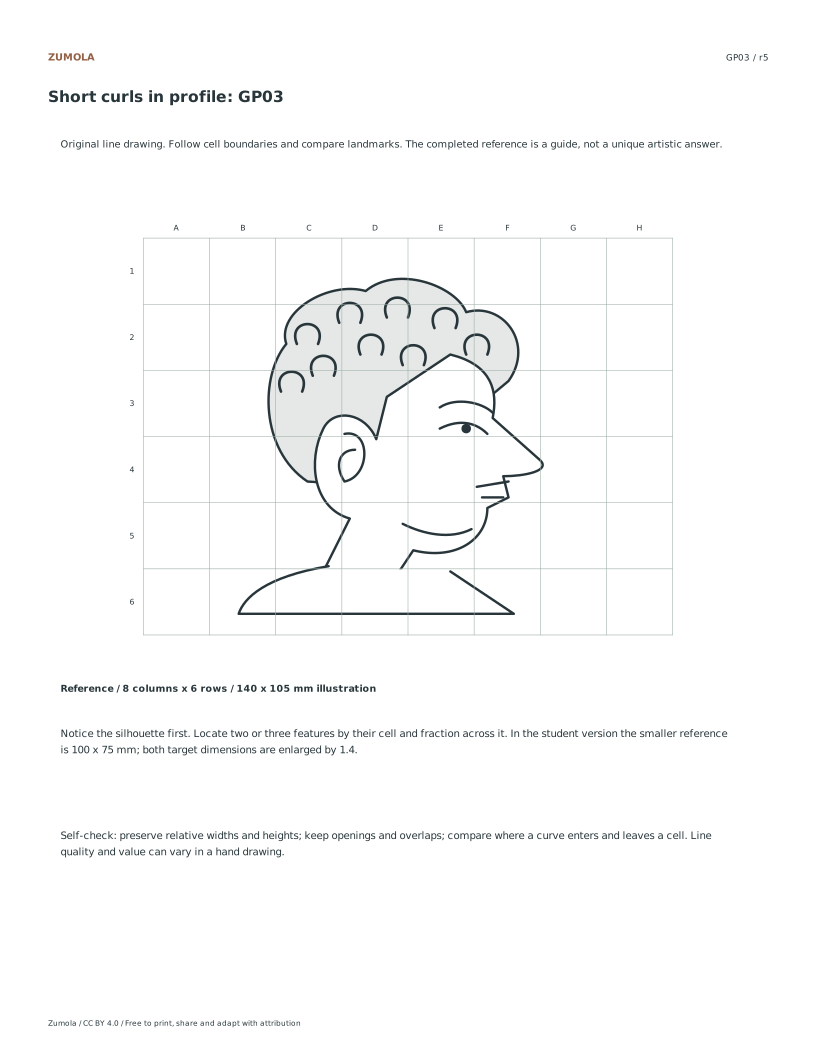
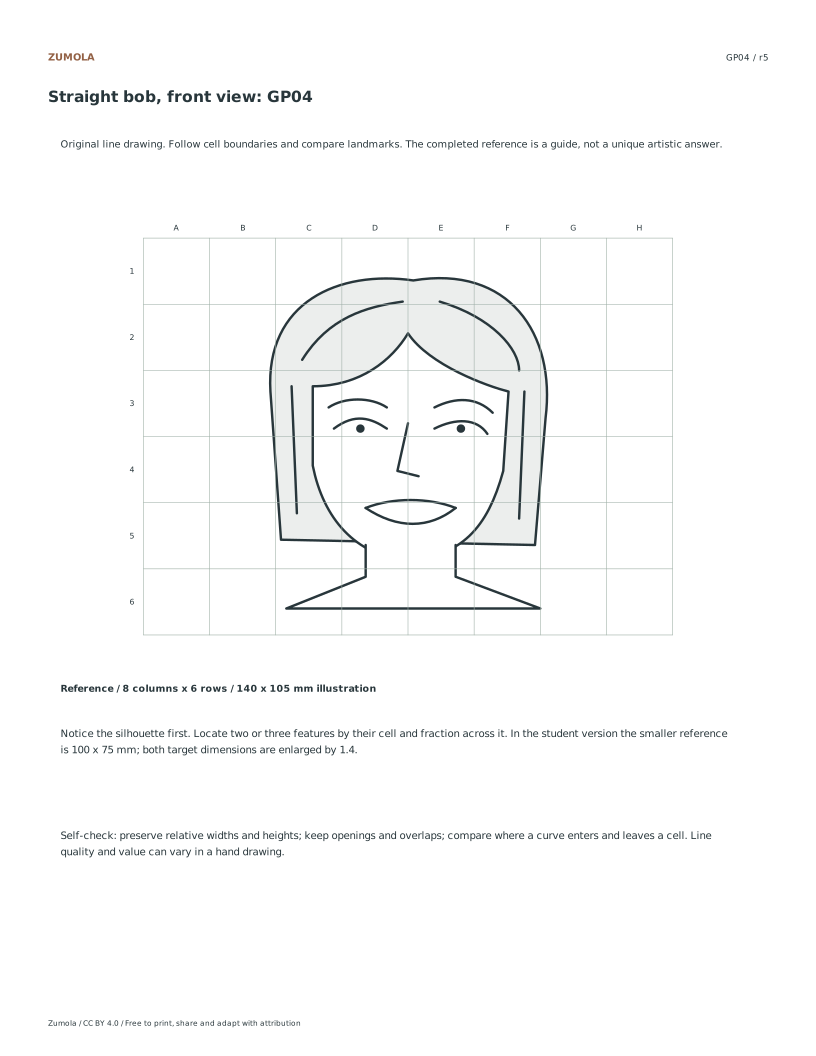
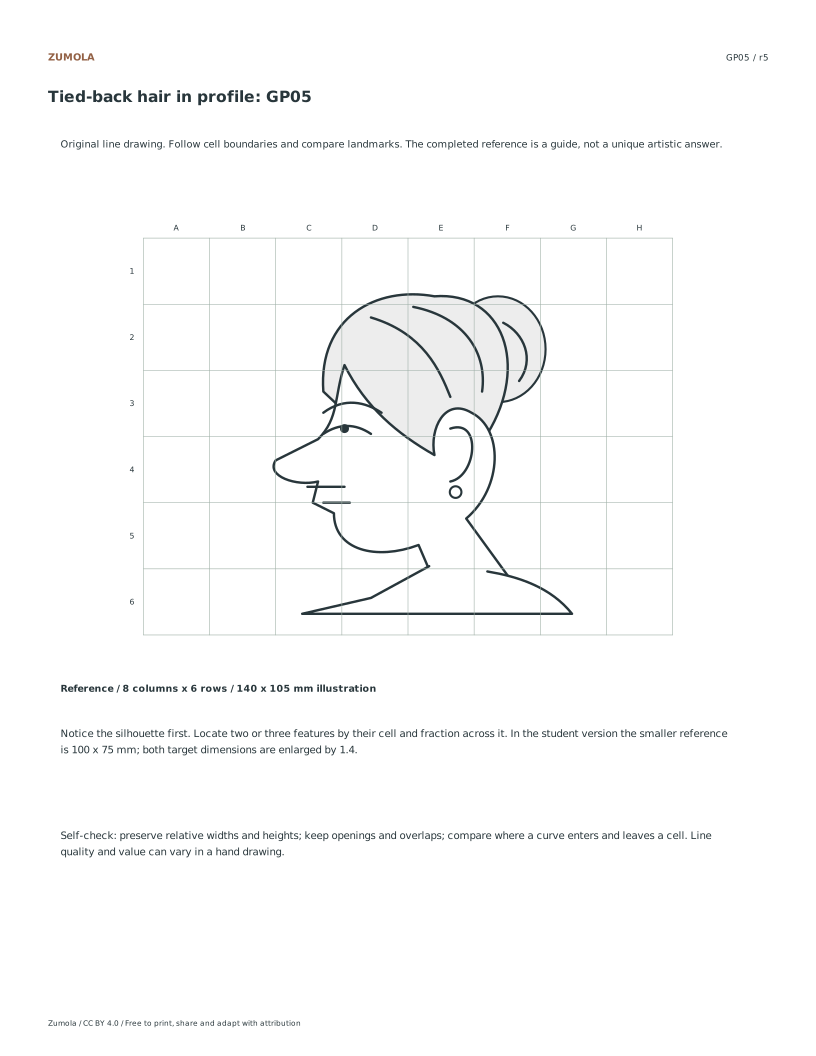
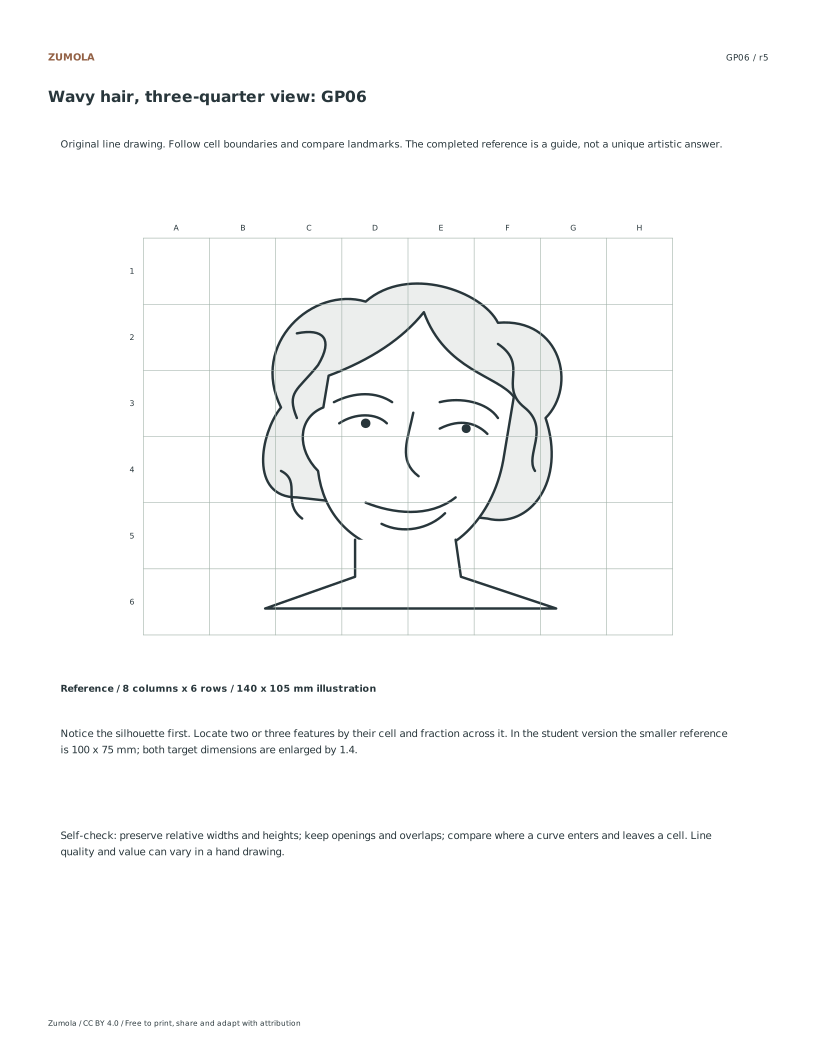
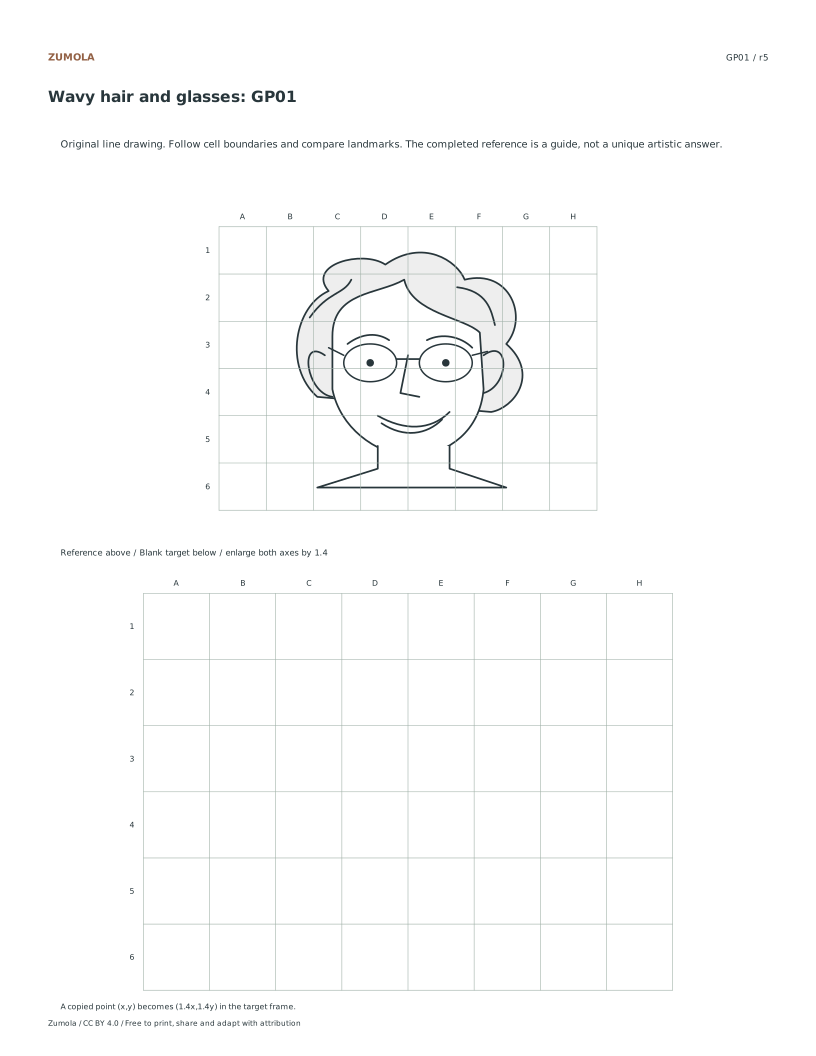
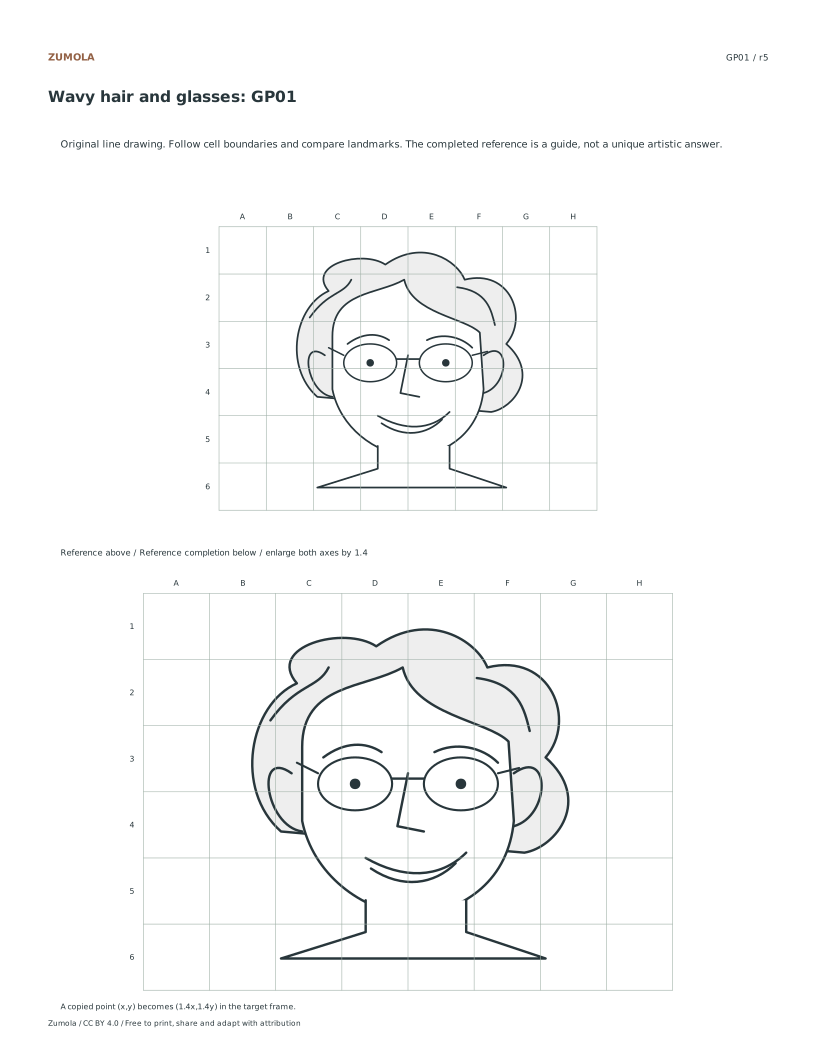
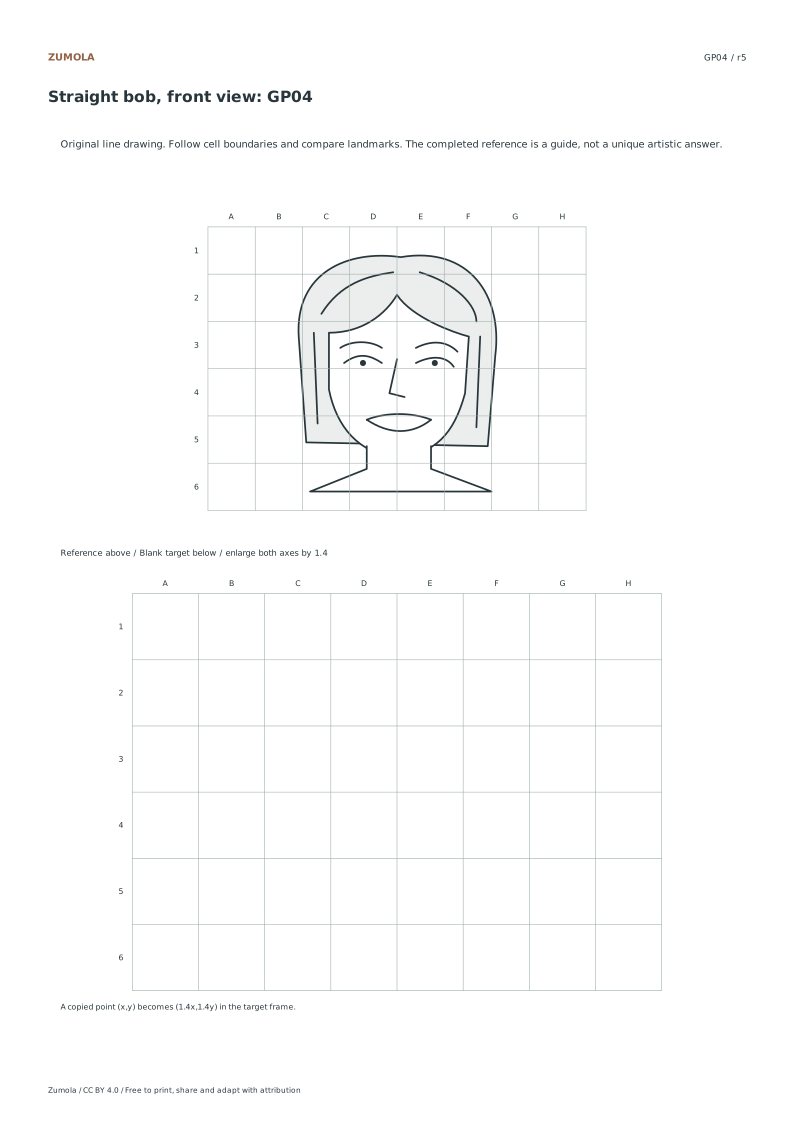
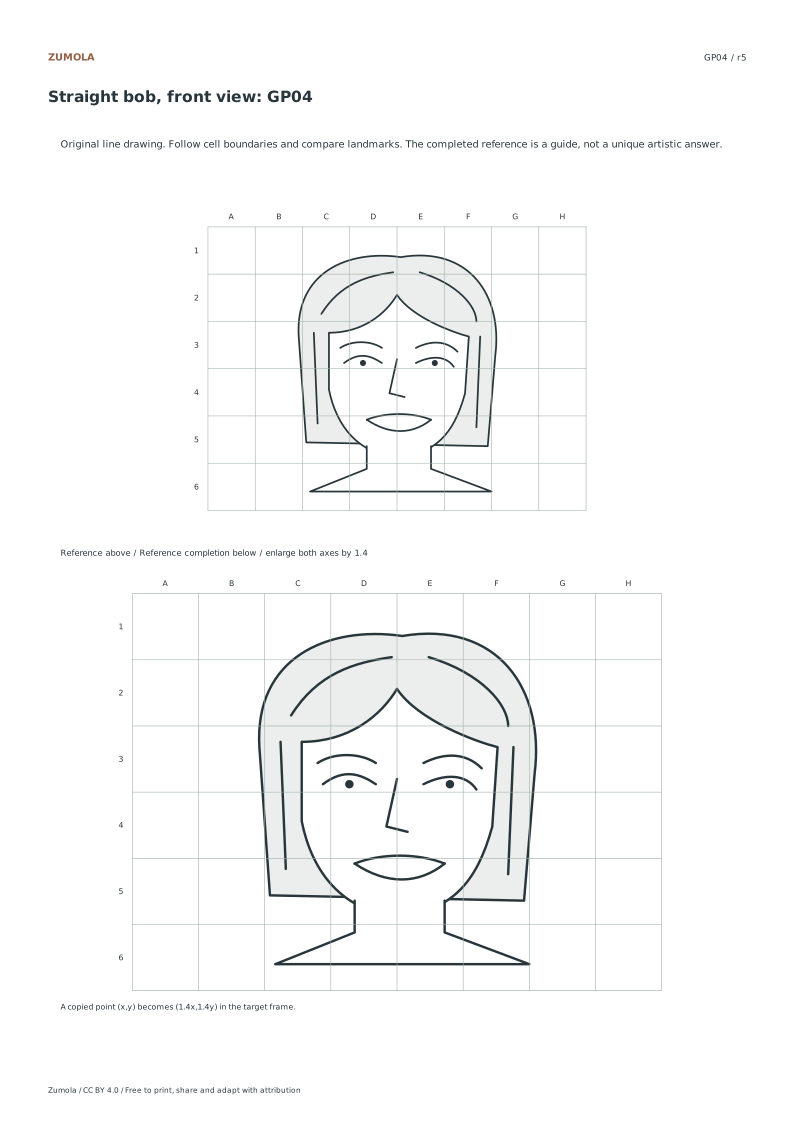
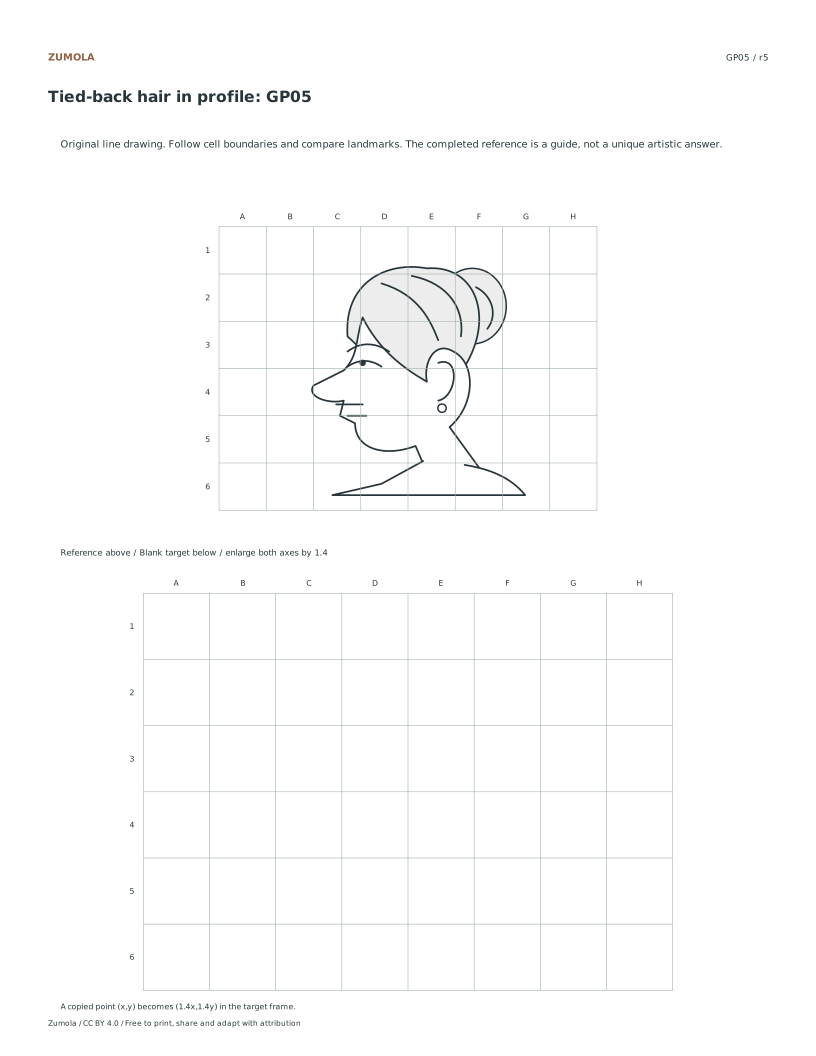
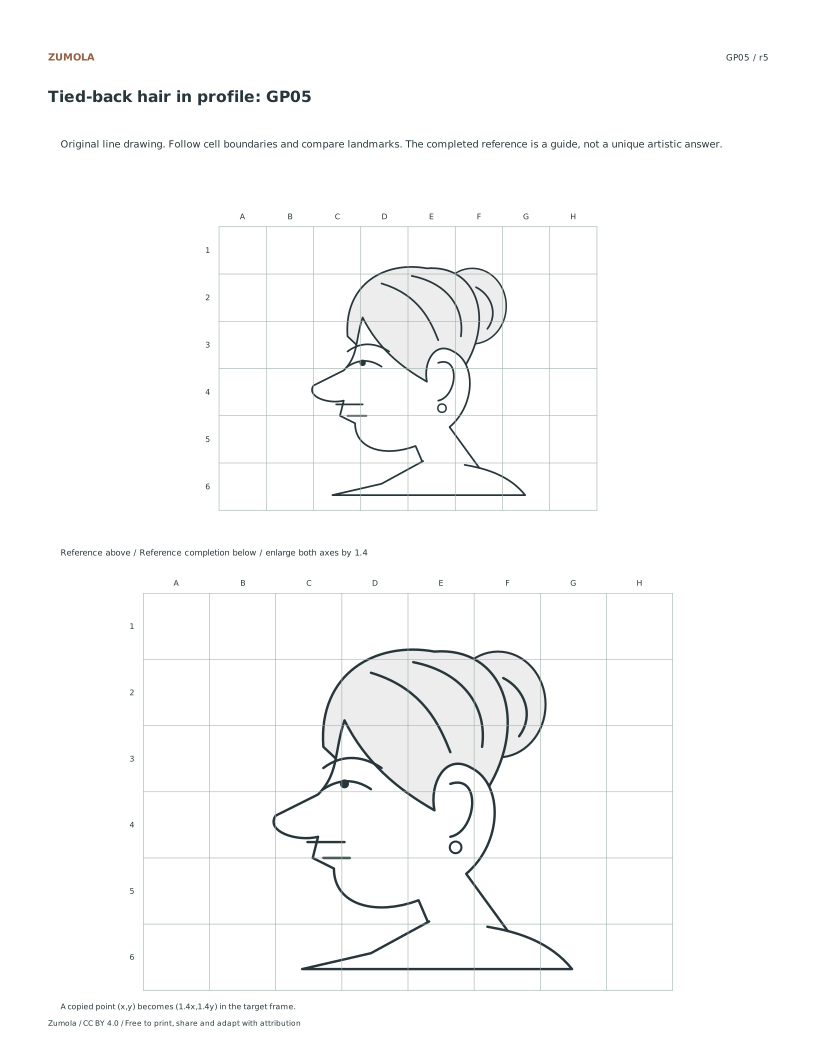
Portrait grid drawing. Find the features, cell by cell.
Copy six original stylized portraits using an eight-by-six grid. Compare front, three-quarter and profile features without assuming one universal face shape.
6 fictional portraits. Original line art + reference answers.
A reference, a task and a way to check it
Copy six original stylized portraits using an eight-by-six grid. Compare front, three-quarter and profile features without assuming one universal face shape.
Choose US Letter or A4 for prepared downloads. Original PDF and SVG files, worksheets and reference answers are free without signup. Collection packs contain the same individual pages in order.
Choose your paper and download
Download paper size
Every worksheet and answer is free. No signup.
The complete collection
Keep practice and answers separate.
Use the student pack first, then compare the reference or answer. Packs are PDFs; individual sheets below also include editable SVG files. The paper choice applies to every download.
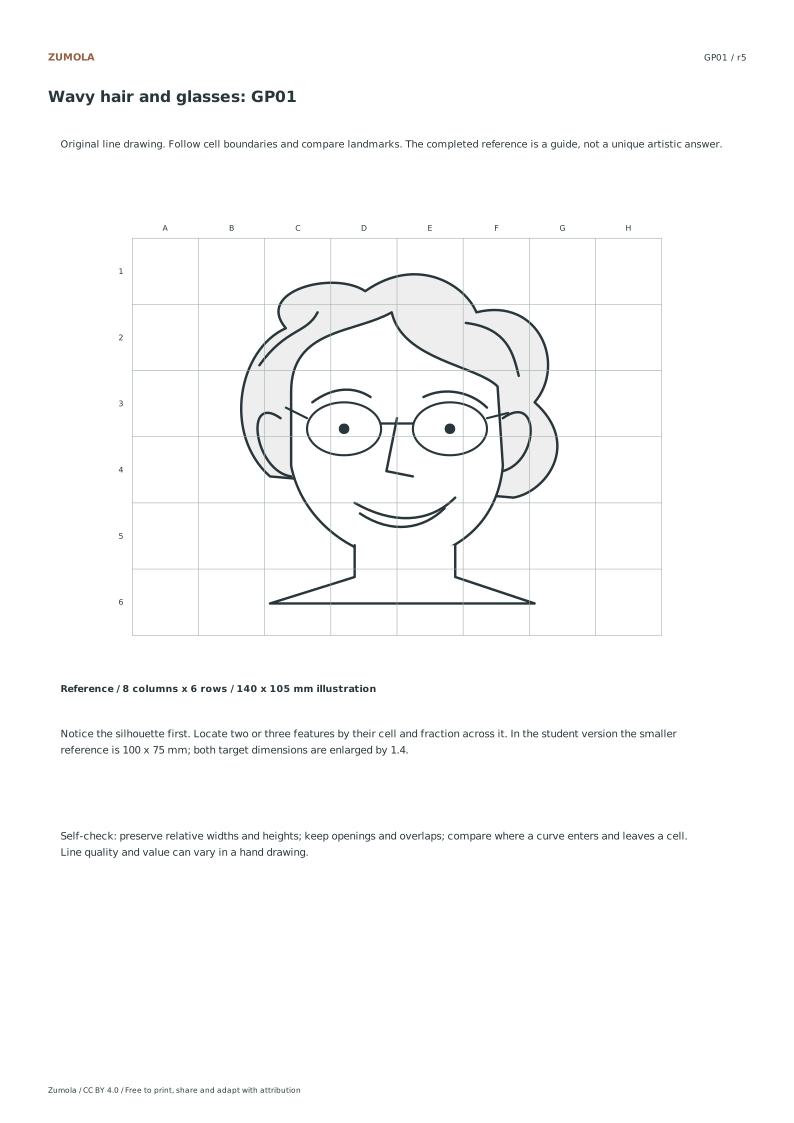
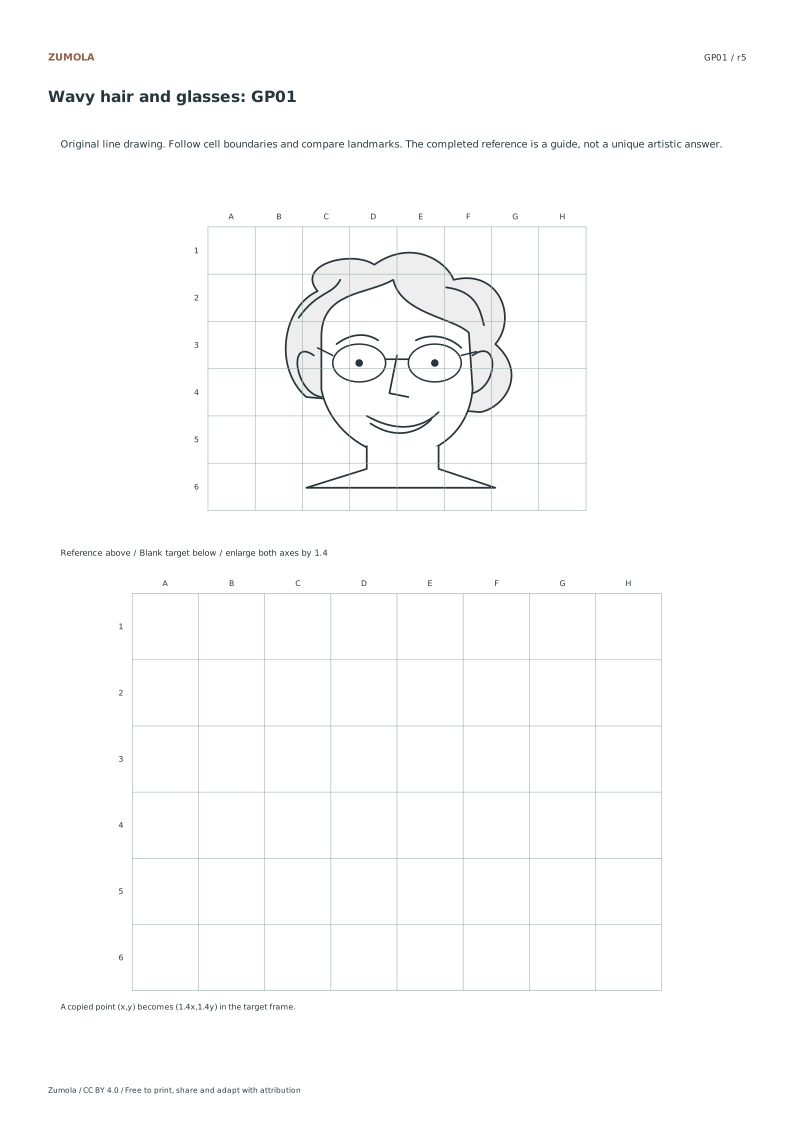
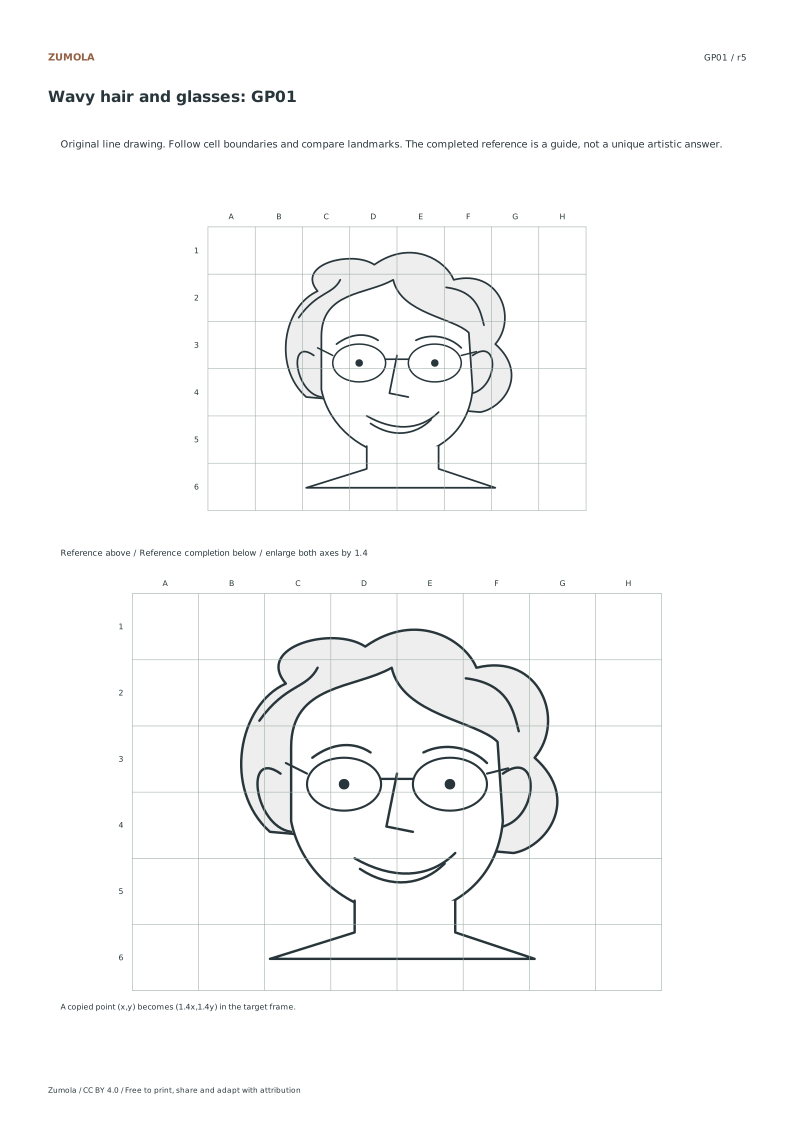
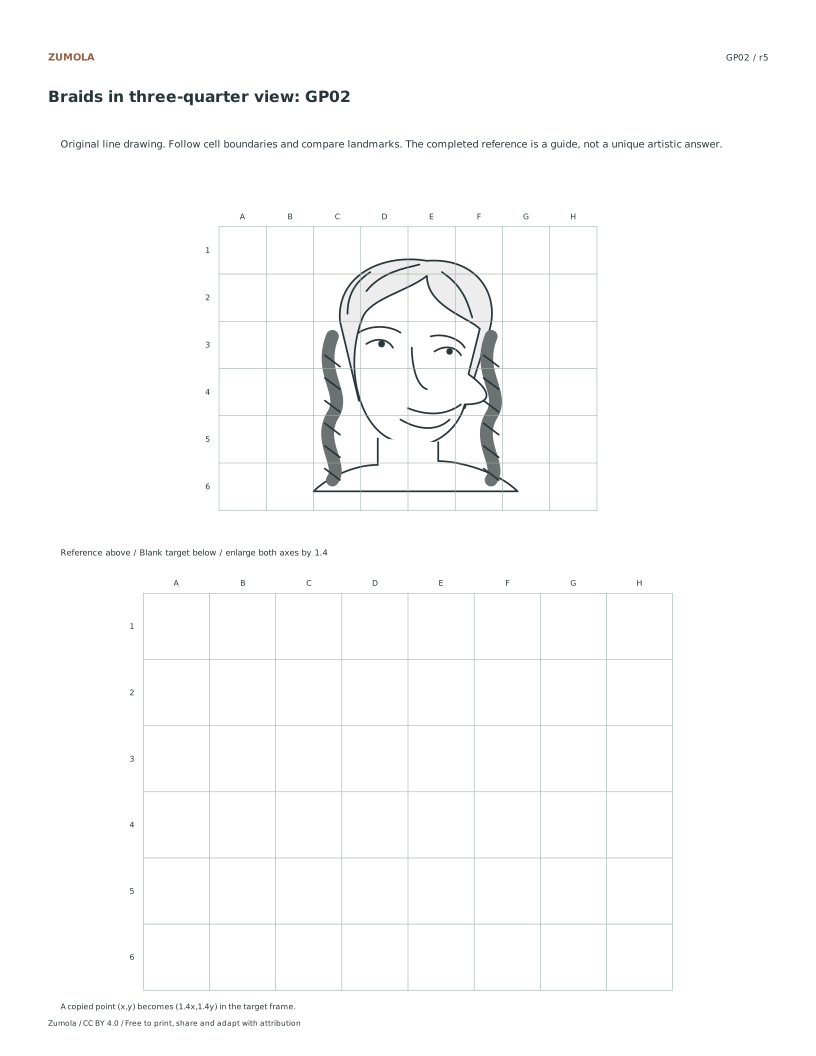
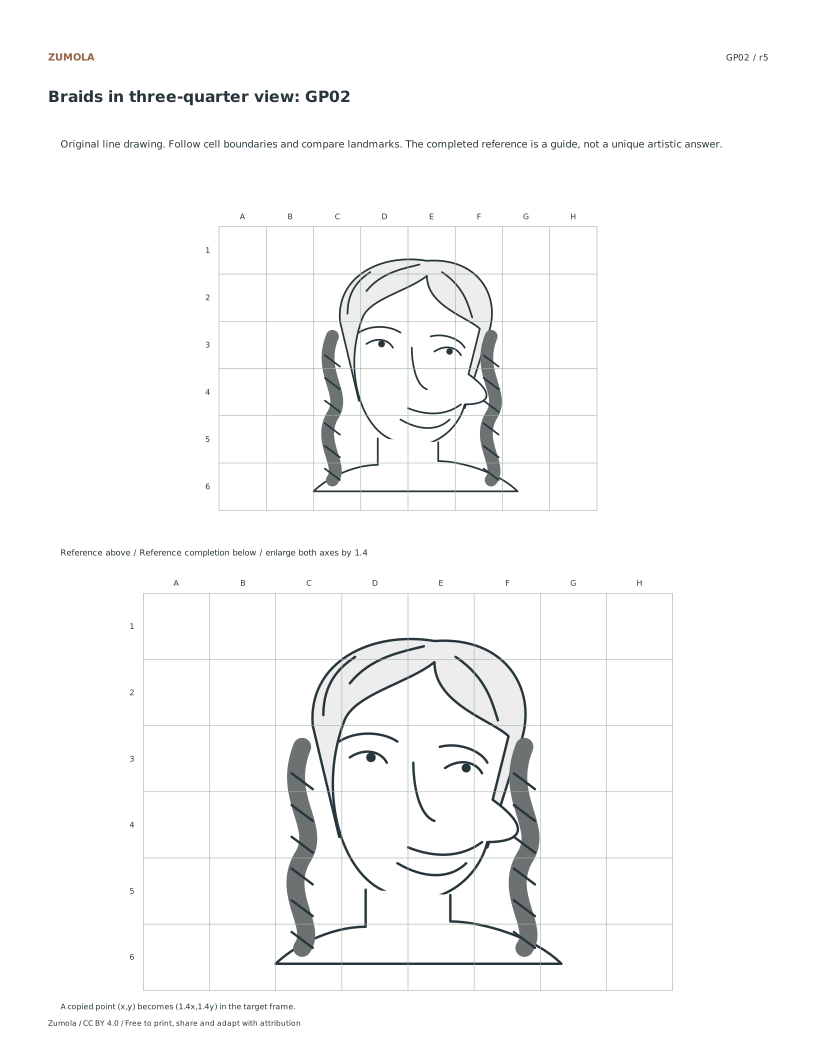
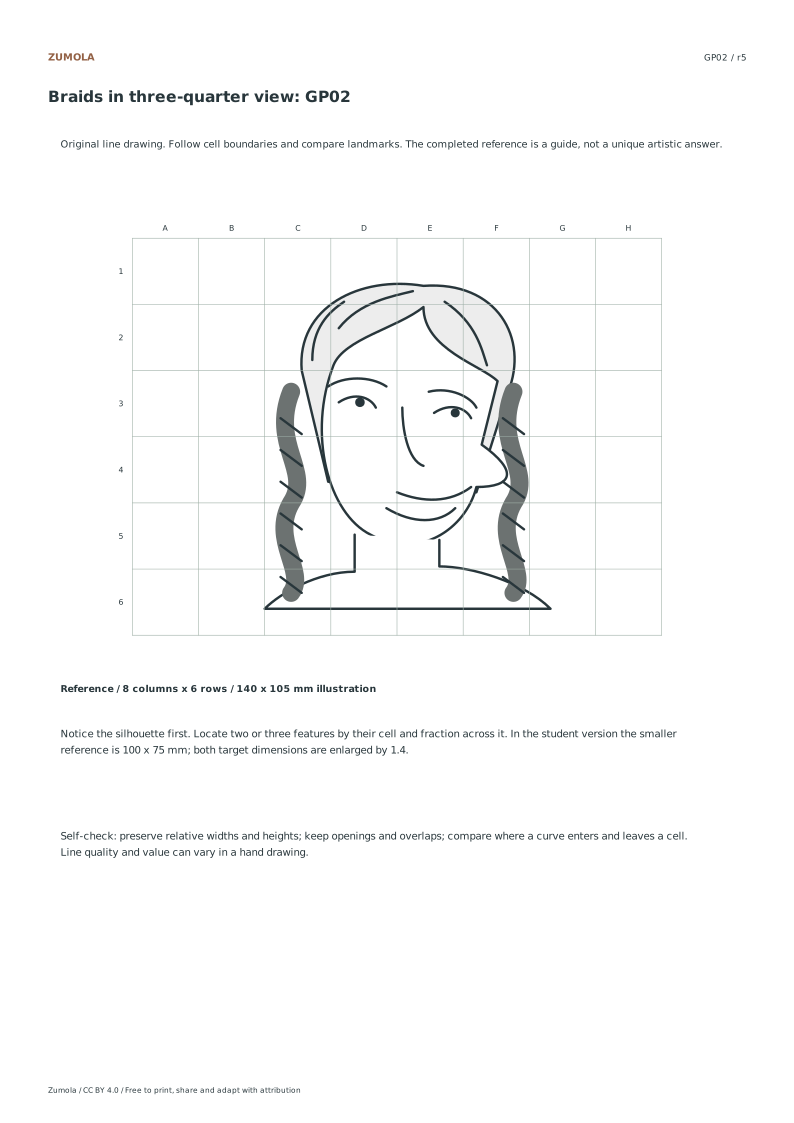
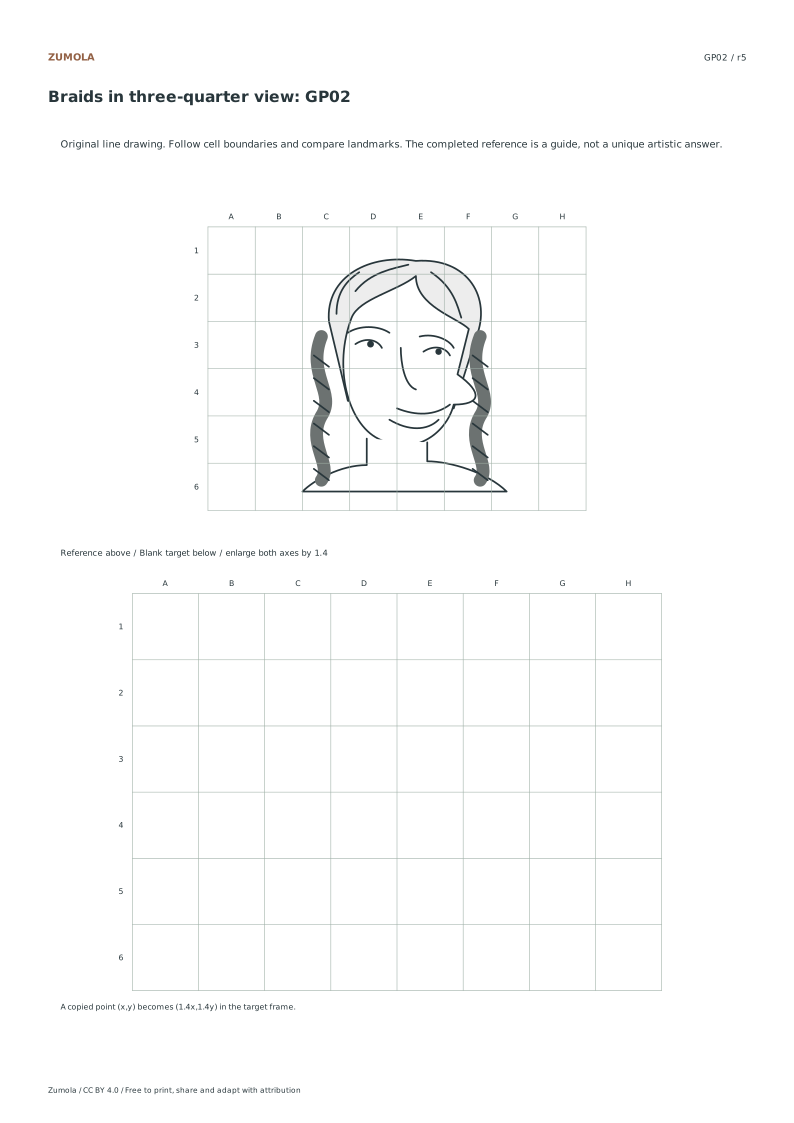
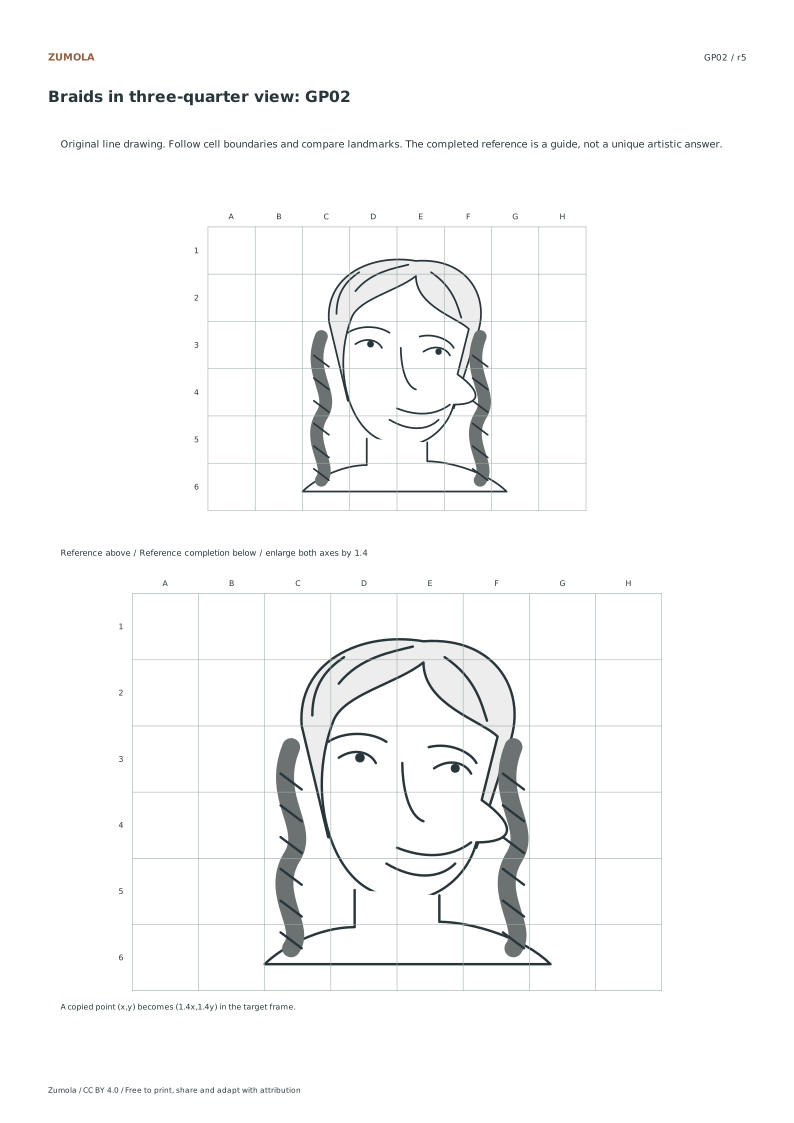
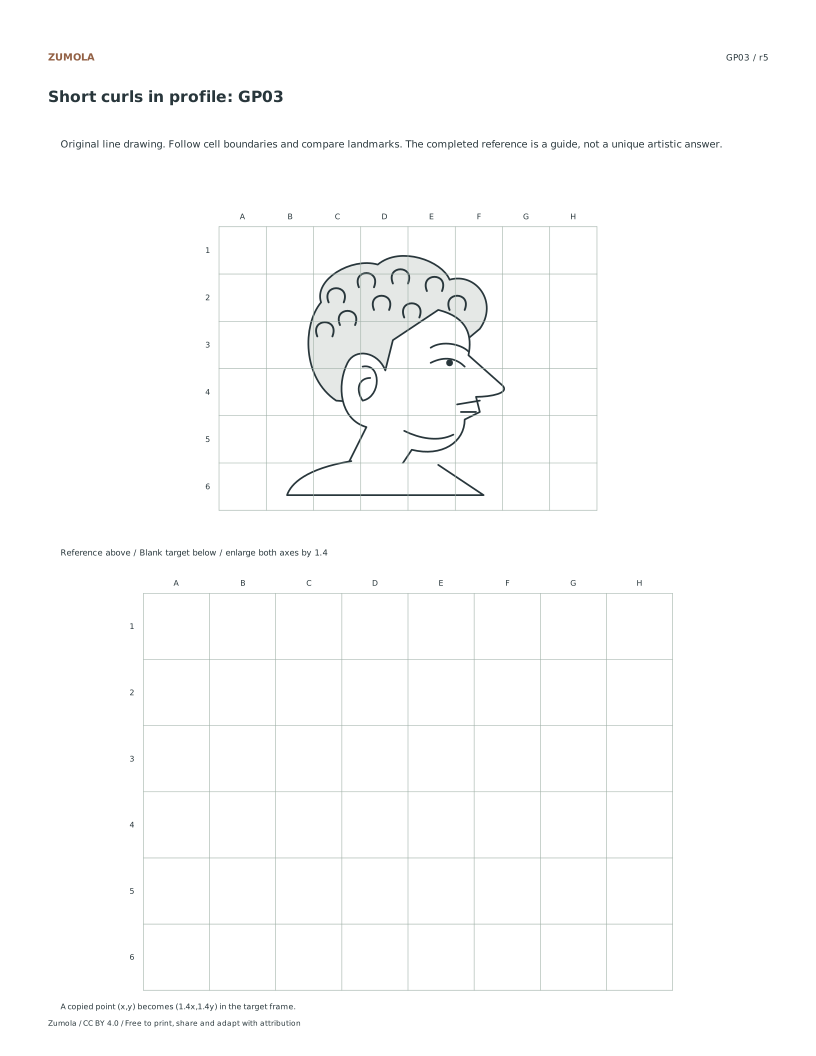
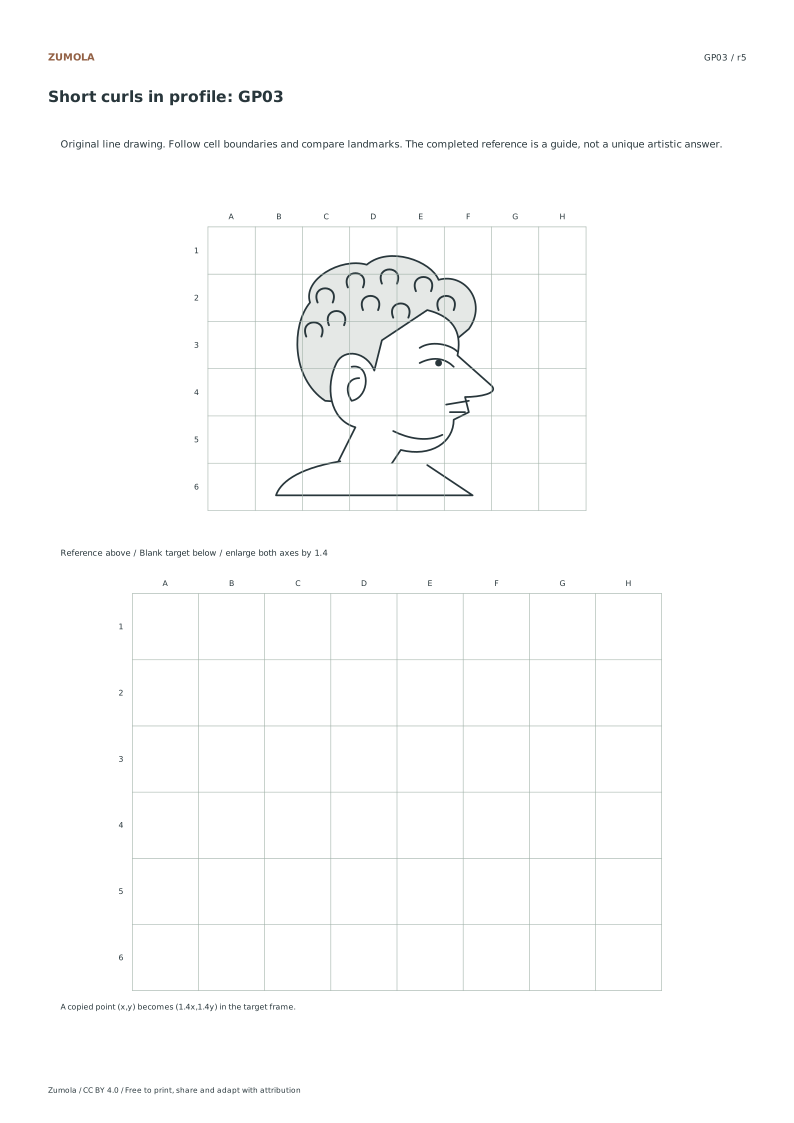
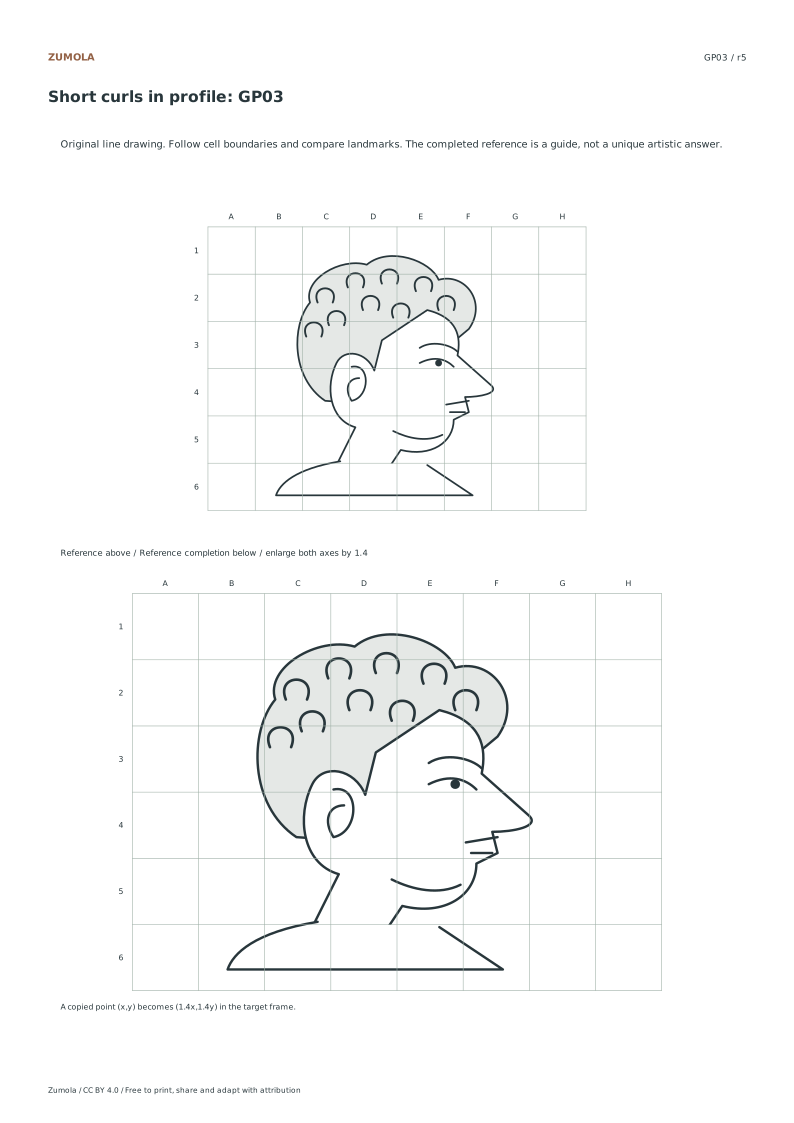
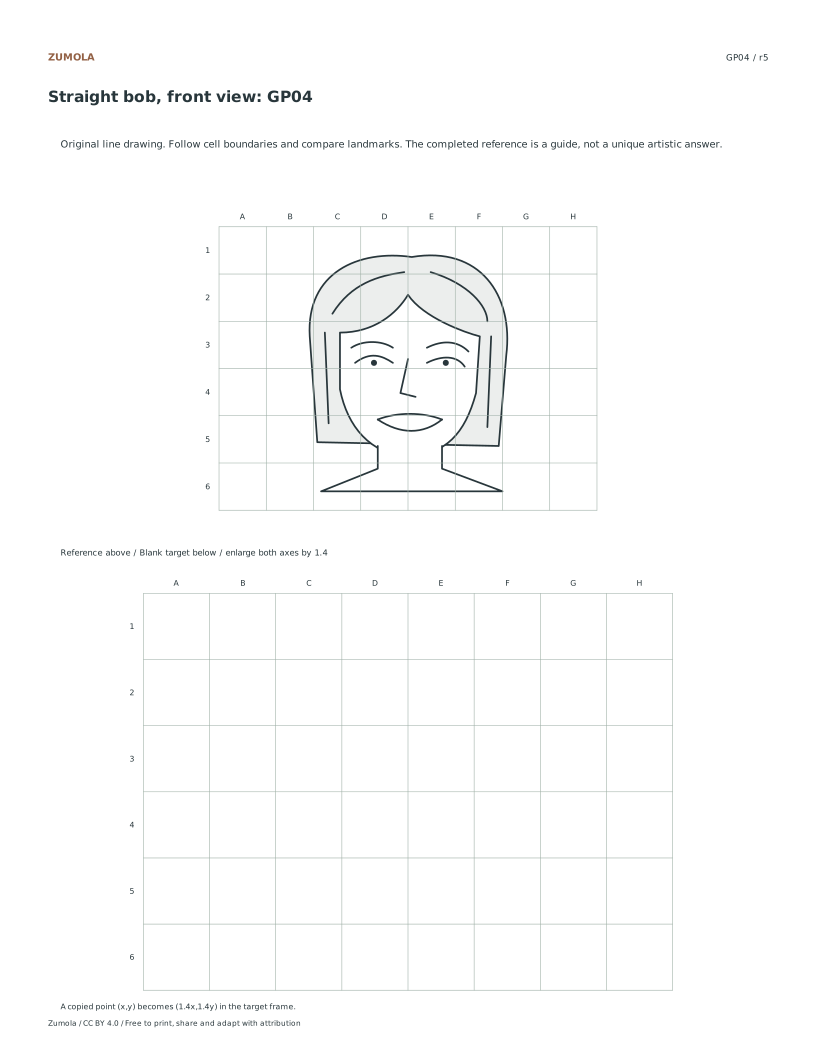
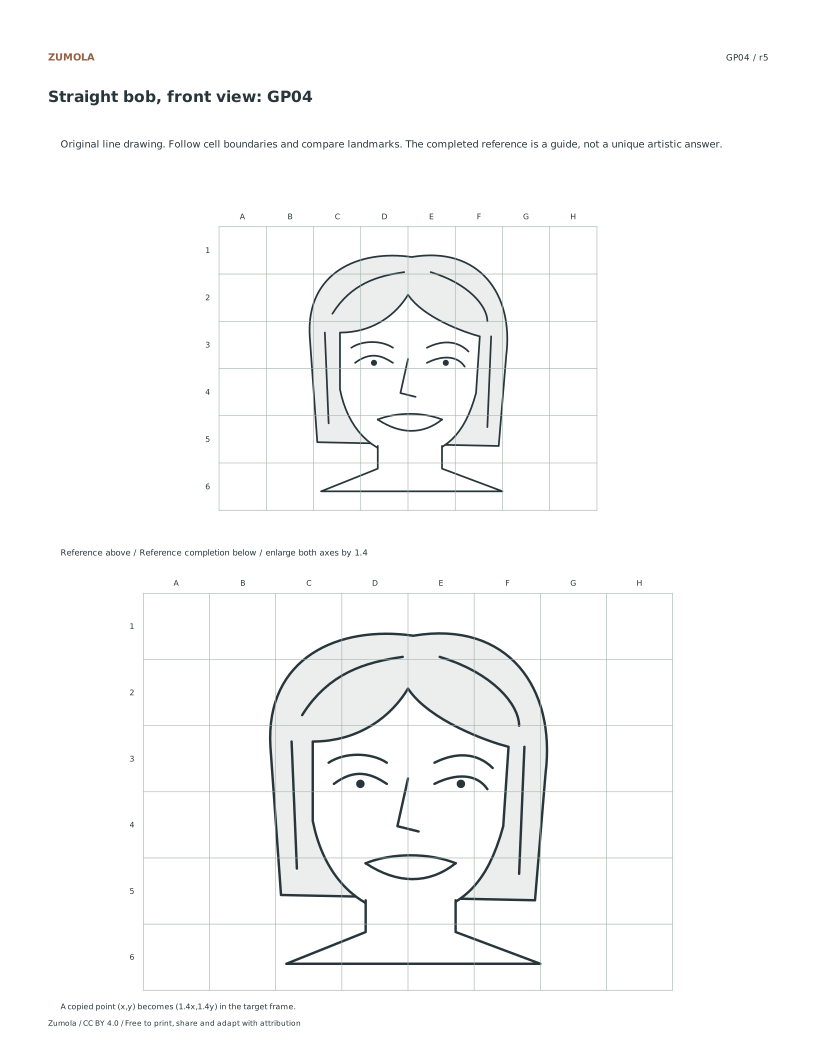
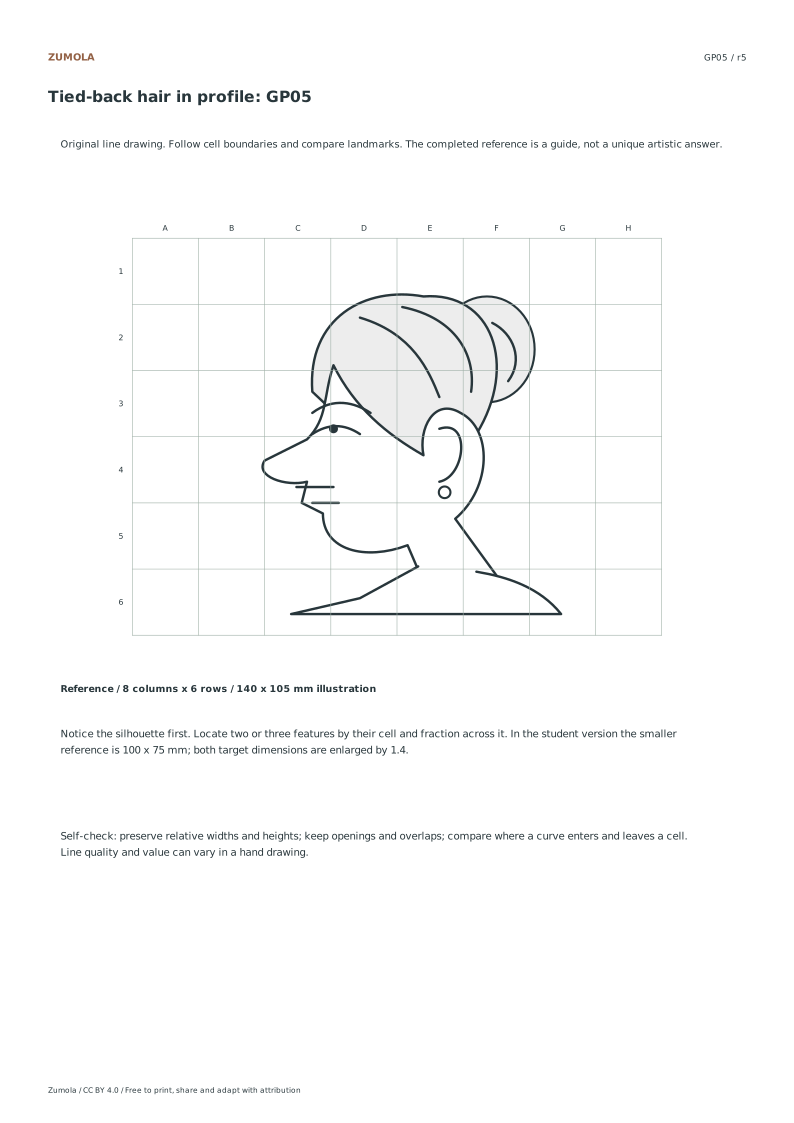
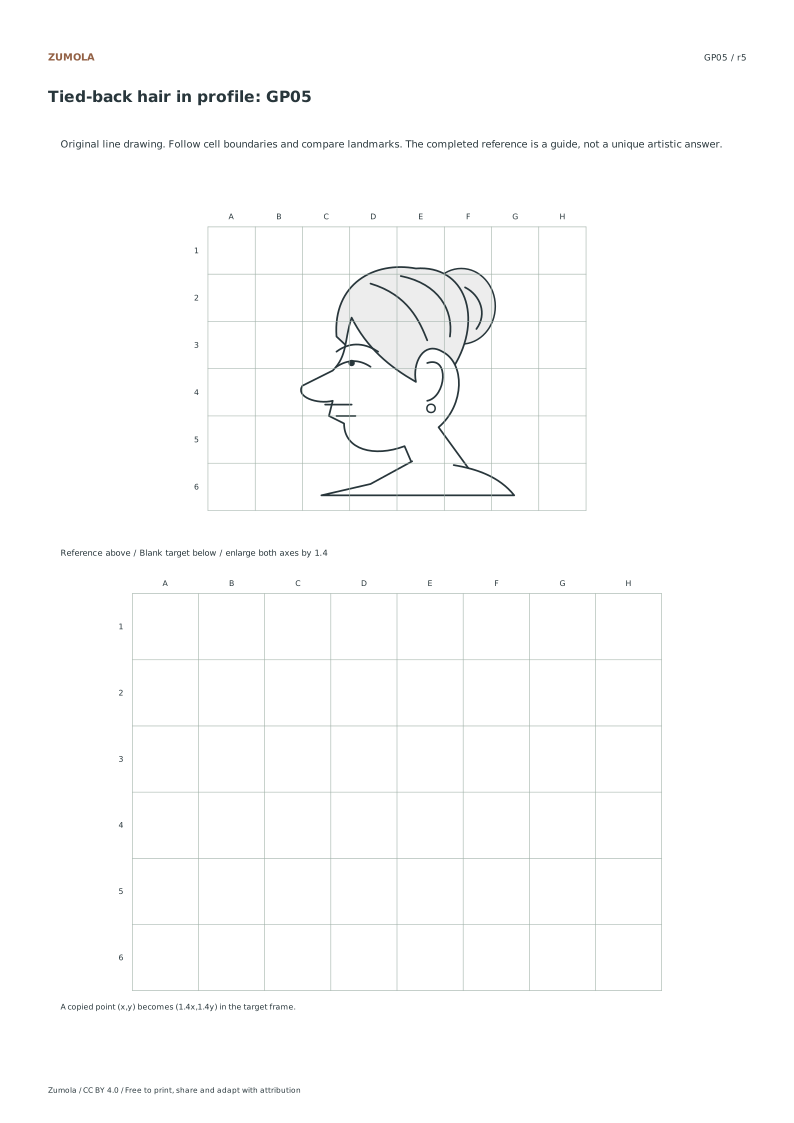
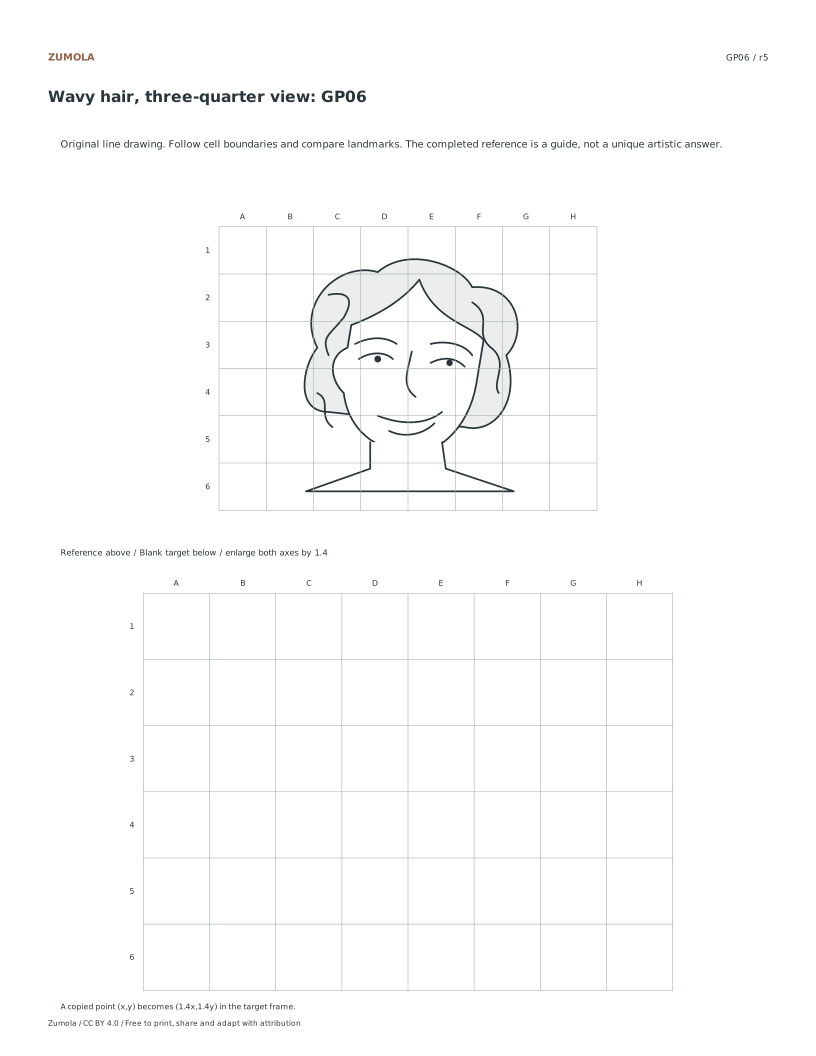
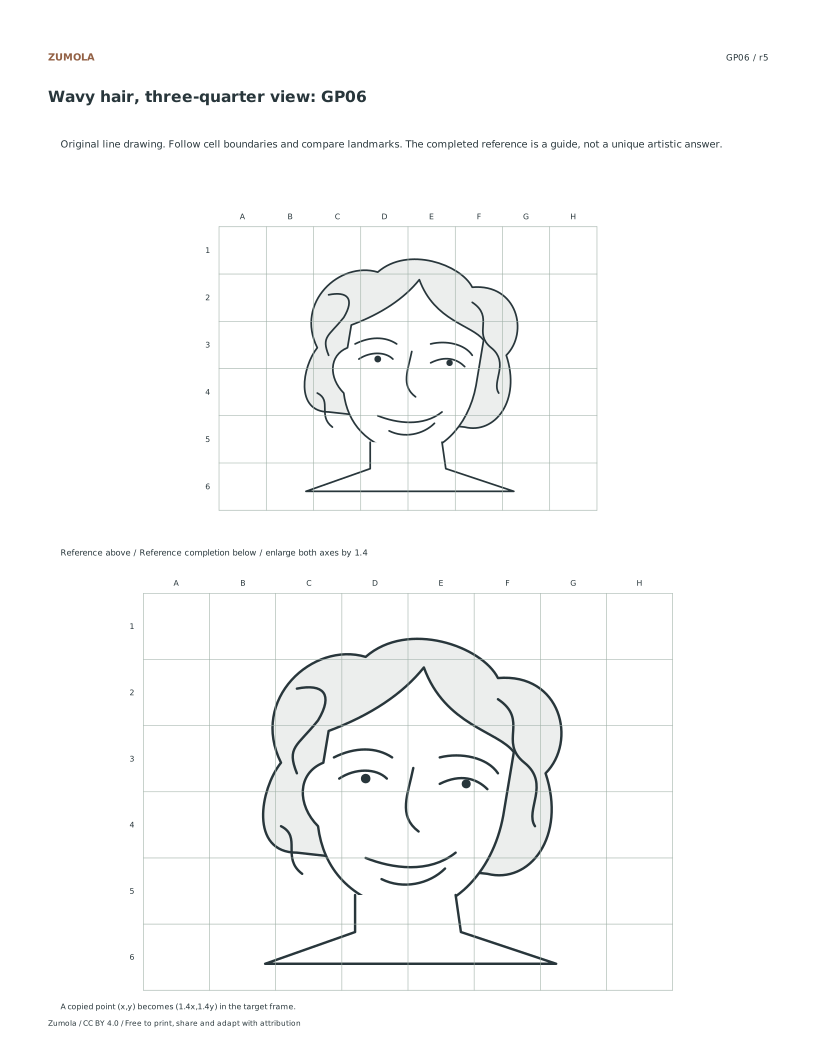
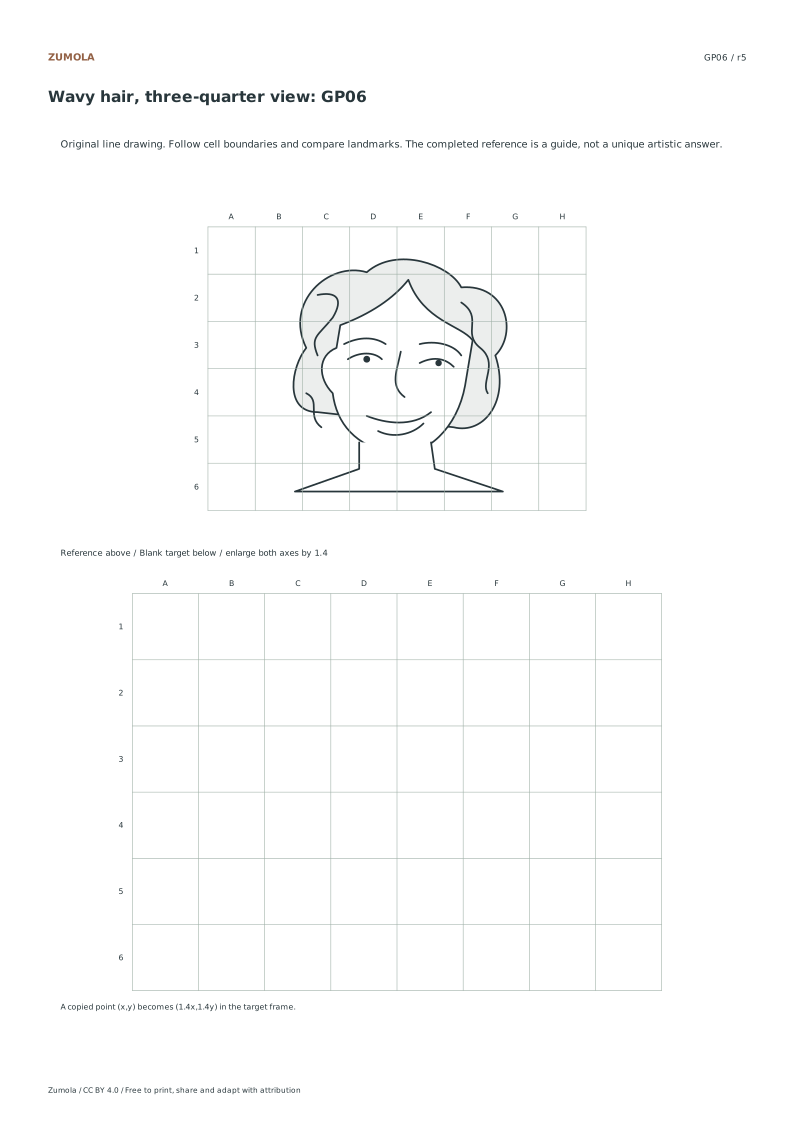
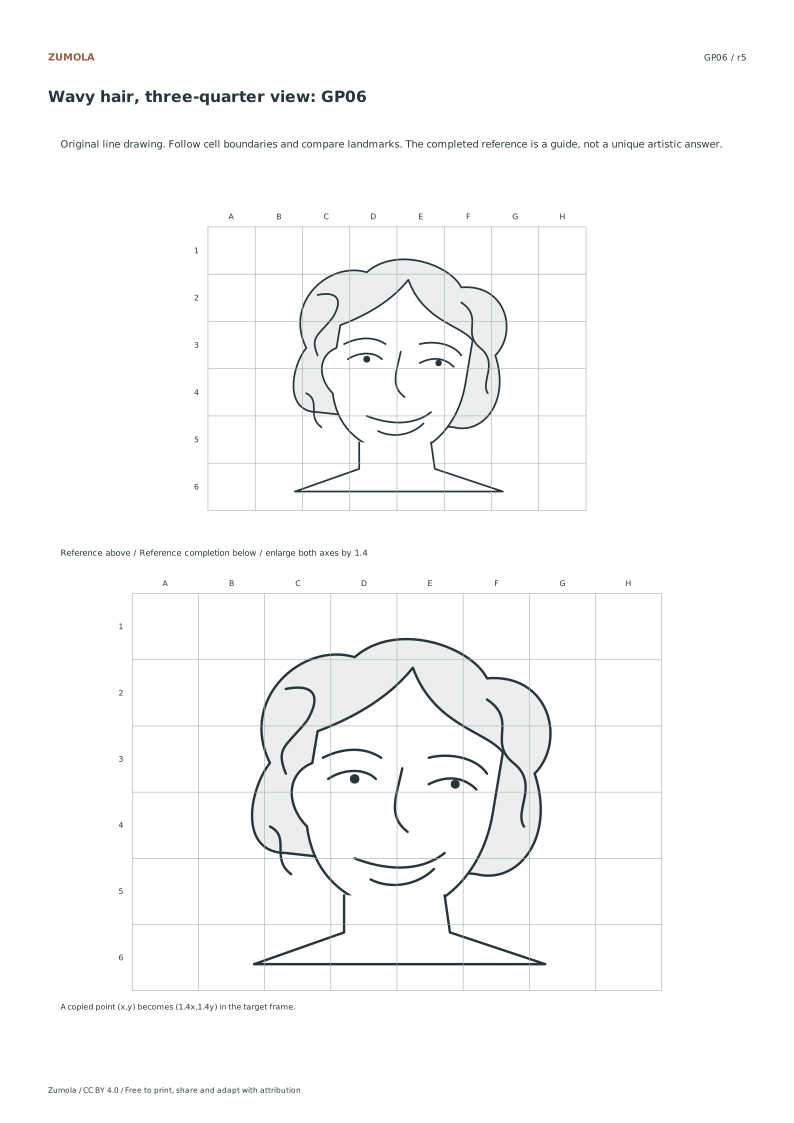
On every student page, the top reference uses 8 × 6 cells at 12.5 mm per cell, for a 100 × 75 mm illustration. The lower target uses the same number of cells at 17.5 mm, giving 140 × 105 mm. Both length ratios equal 1.4. A point halfway across a reference cell belongs halfway across its matching target cell; row and column locations do not change.
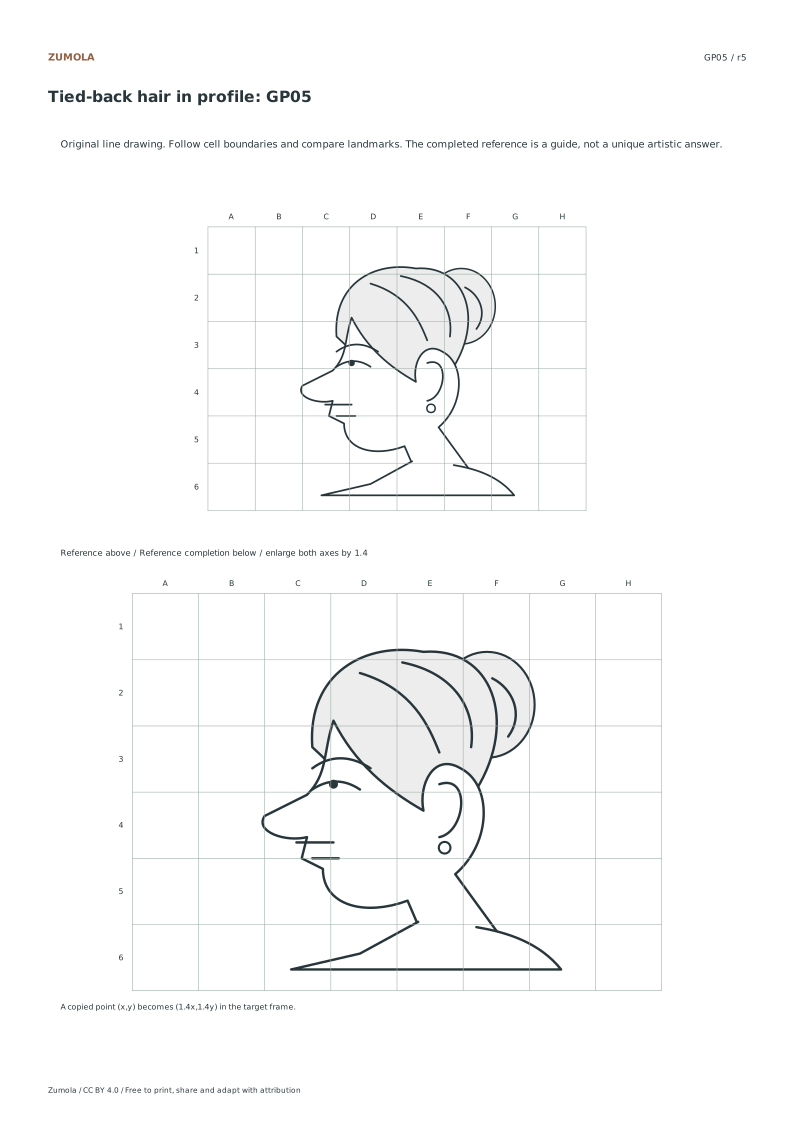
Use the student pack for attempts and keep the completed-reference pack separately. Each pack repeats its individual pages rather than adding more subjects. Compare the outer silhouette first, then two or three internal landmarks and the gaps between them. A hand rendering can differ in line quality while retaining the mapped relationships. The supplied drawings are original stylized studies, with no photographs, identified portrait subjects or copied character art.
Work through the page
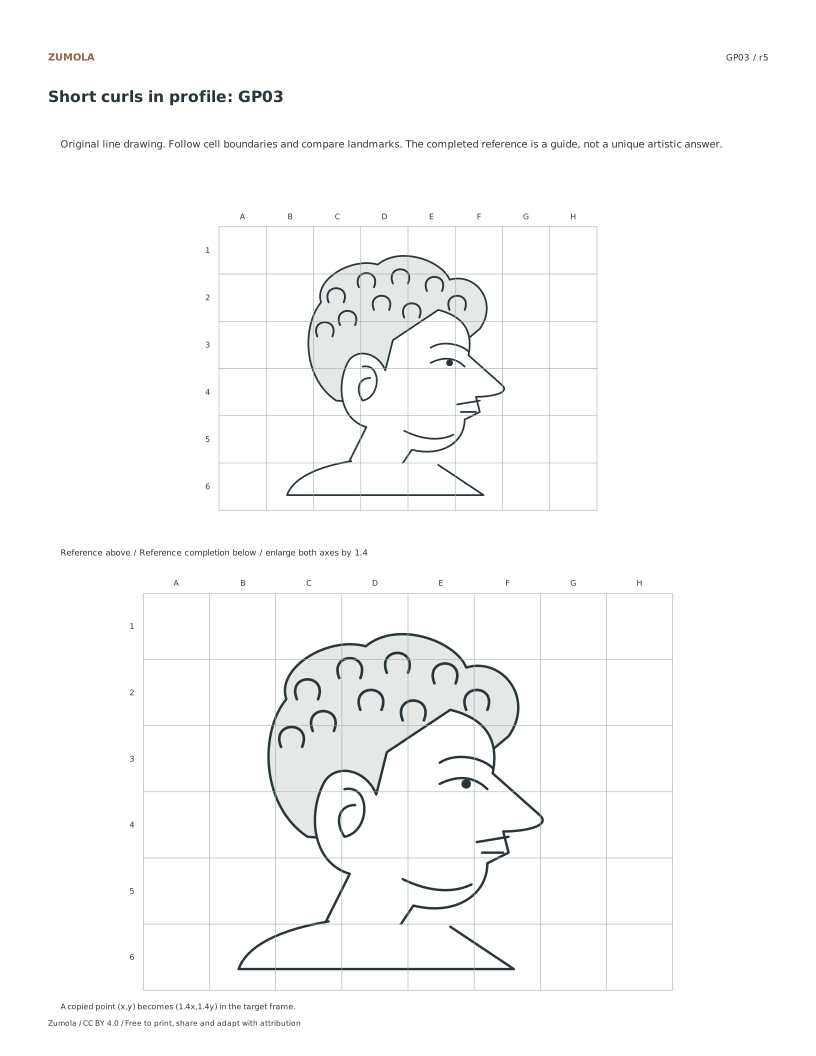
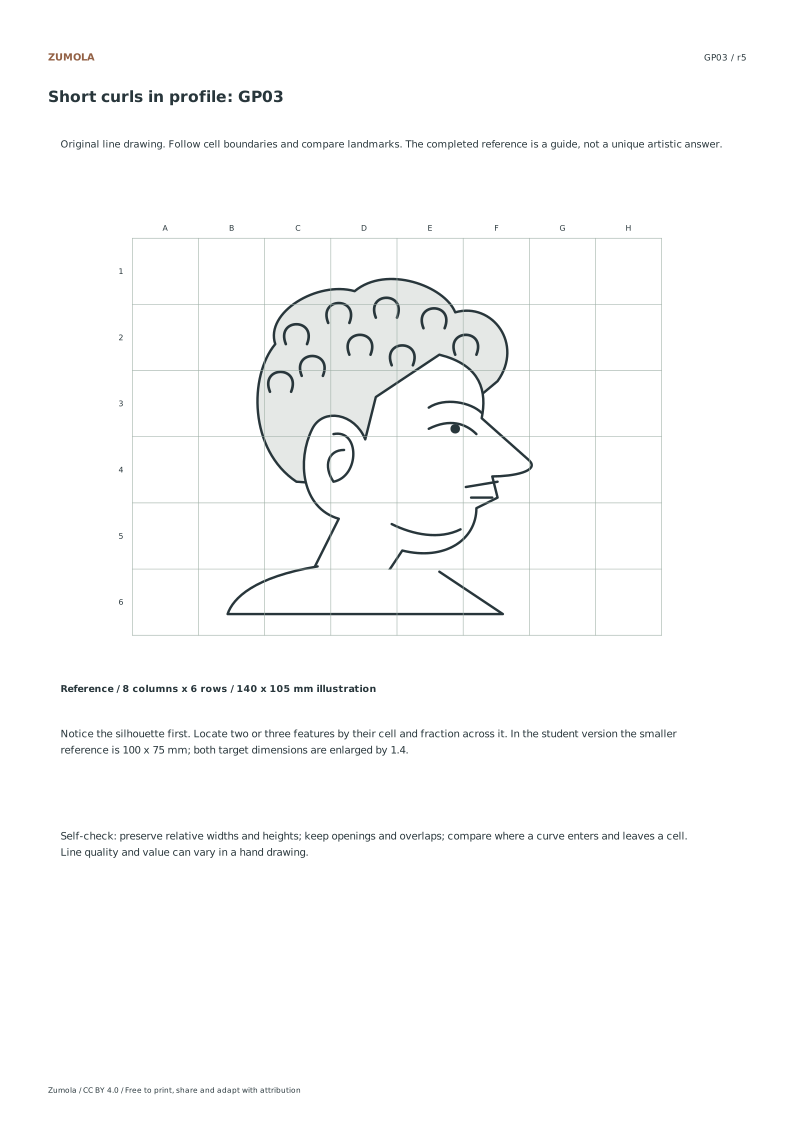
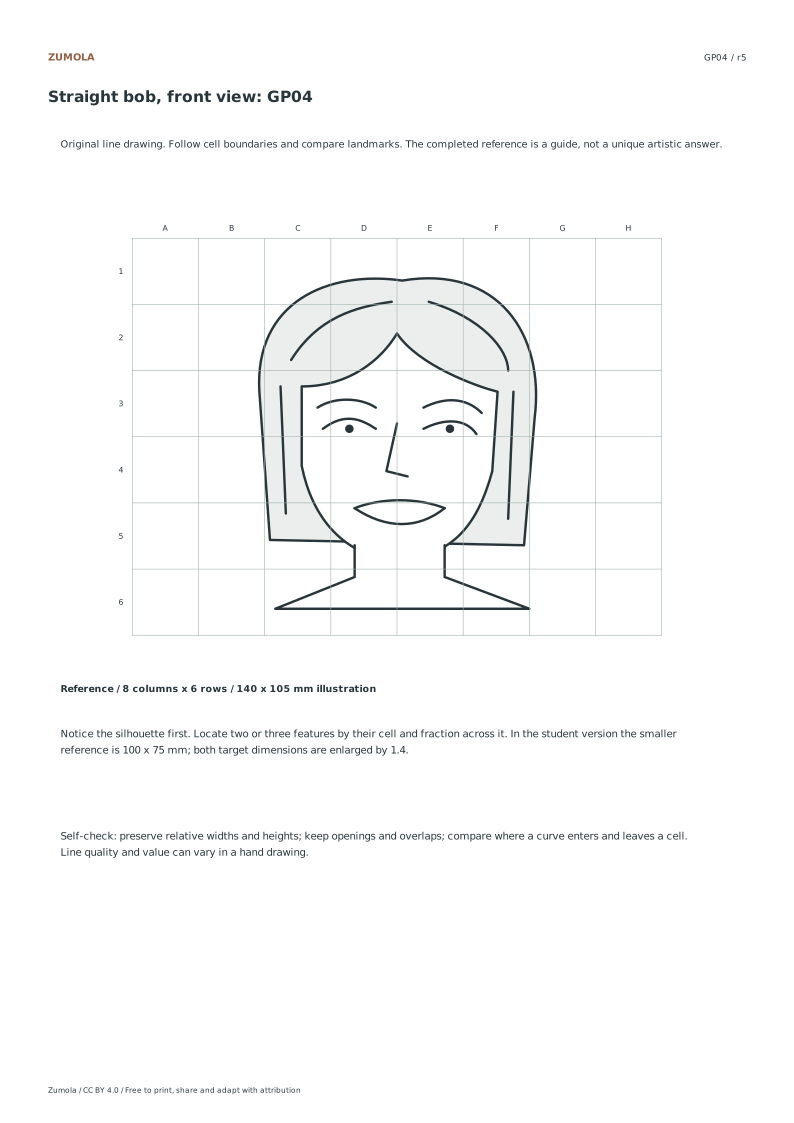
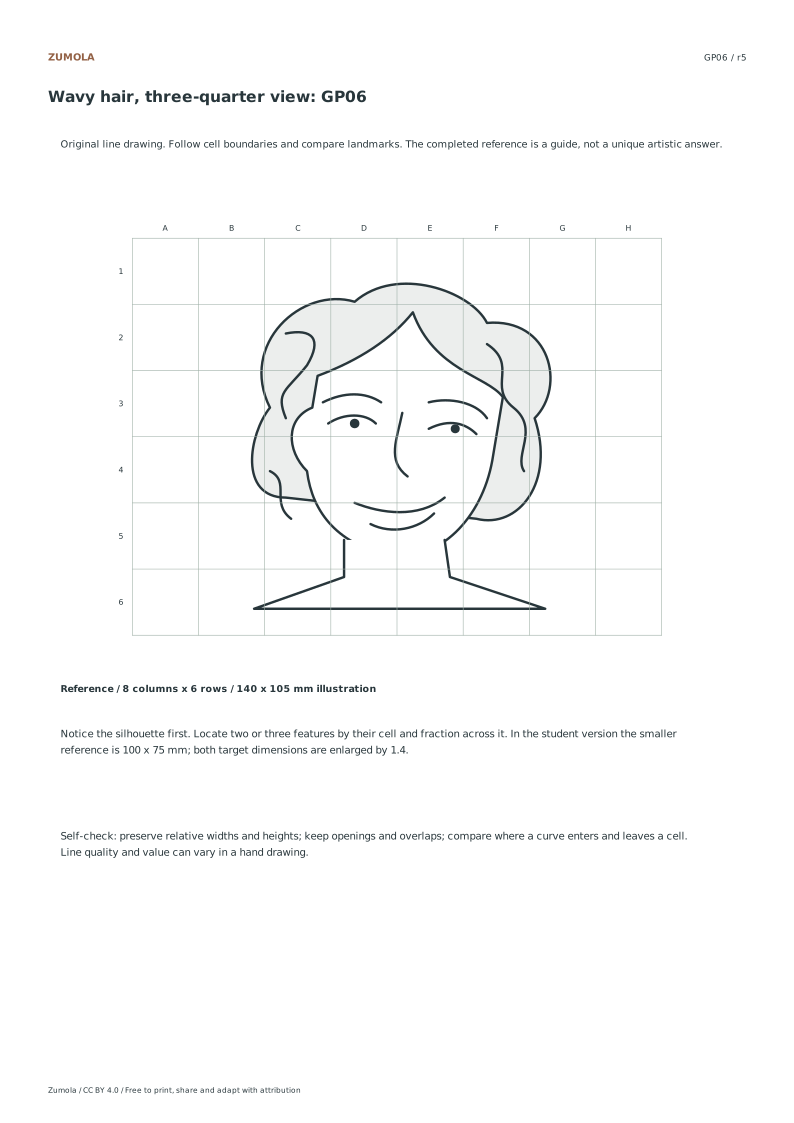
Preparing the Reference Sheet Choose one portrait worksheet rather than expecting all six faces on a single page. Each student sheet includes a 100 × 75 mm reference above a blank 140 × 105 mm target. The reference and target both have eight columns and six rows. A separate reference file presents a larger completed illustration for closer viewing; its size is different from the smaller model on the student sheet. The six subjects are fictional stylized people, drawn individually with different silhouettes, hair and poses. They are not photographs or portraits of identified people. Select a front view first if you want fewer overlapping facial features.
Setting Up the Target Canvas The source cells are 12.5 mm wide and high; target cells are 17.5 mm. This gives the same enlargement factor, 17.5/12.5 = 1.4, along both directions. Locate an eye corner, hairline change or nose tip by its cell and fractional position inside that cell, then transfer that relative position. A local reference point (x,y) maps to (1.4x,1.4y) in the target frame. The page offsets are different, so do not multiply an absolute distance measured from the outside paper edge. Uniformly shrinking a whole worksheet preserves the relative factor, although its printed millimeter dimensions change.
Comparing Landmarks and Details Focus on transferring specific landmarks rather than aiming for medical accuracy or universal human face proportions. Compare the position of eyes, nose, and mouth relative to the grid lines on both the reference and target sheets. The six portraits feature varied poses, such as front view, three-quarter view, and profile. Artistic variation is expected and acceptable. Use the completed reference answer pack to check your landmark placement. Do not expect identical artistic styles. The goal is accurate spatial mapping of features. Check that wavy hair, braids, or short curls align correctly with their respective grid coordinates to ensure a faithful enlargement.
Checks that catch common errors
Watch for
Check instead
Assuming any Fit setting changes the reference-to-target ratio.
Uniform resizing preserves the relative 1.4 enlargement. It changes physical millimeter sizes, while unequal resizing can also distort proportions. Use Actual size to retain the stated file dimensions.
Assuming universal human face proportions or medical accuracy when comparing the stylized fictional portraits.
Compare specific landmark positions relative to the grid lines instead of relying on general anatomical rules, as the art is stylized and varies.
Searching for a separate blank-target pack for these portrait tasks.
Each student page already has its reference above the blank target. Reference and answer packs are separate downloads.
Match the file before printing
Print the PDF matching the paper in your printer at Actual size / 100% if you want to retain the millimeter dimensions defined in the file. Turn off Fit and Shrink when those dimensions matter. Uniform resizing preserves relative image proportions and angles but changes physical lengths. Unequal resizing can distort both. SVG editors and browser print dialogs can also change scale, so measure a physical calibration span when the task relies on size.
These files have digital geometry and layout checks. Physical printer testing has not been completed. Complete a student page before comparing the worked answer or reference illustration. A geometric or counting result can be exact, while a hand drawing can vary in its marks and interpretation. The original resources use CC BY 4.0: credit Zumola, link the license and indicate changes.
Useful answers
Are the portraits based on real people or photos?
No, the six portraits are individually drawn original stylized line art of fictional people. They are not real likenesses, photos, anime characters, or geometric substitutes.
How do I scale coordinates from reference to target?
Apply the formula (x, y) to (1.4x, 1.4y). The reference canvas is 100x75 units, and the target is 140x105mm, representing a uniform 1.4 enlargement.
What if my drawing looks different from the answer key?
Artistic variation is expected. Compare landmark positions relative to the grid rather than expecting identical artistic style. The focus is on spatial accuracy, not exact replication.
Are the answers and editable files free too?
Yes. Every linked original worksheet, answer, PDF and SVG is free without signup. Individual SVG sheets stay editable; collection packs are PDF files. Analytics consent is not required to use the resources.
Optional Google Analytics helps us understand which free resources are useful. It is off until you allow it. Drawing tools and downloads work with either choice. Privacy details