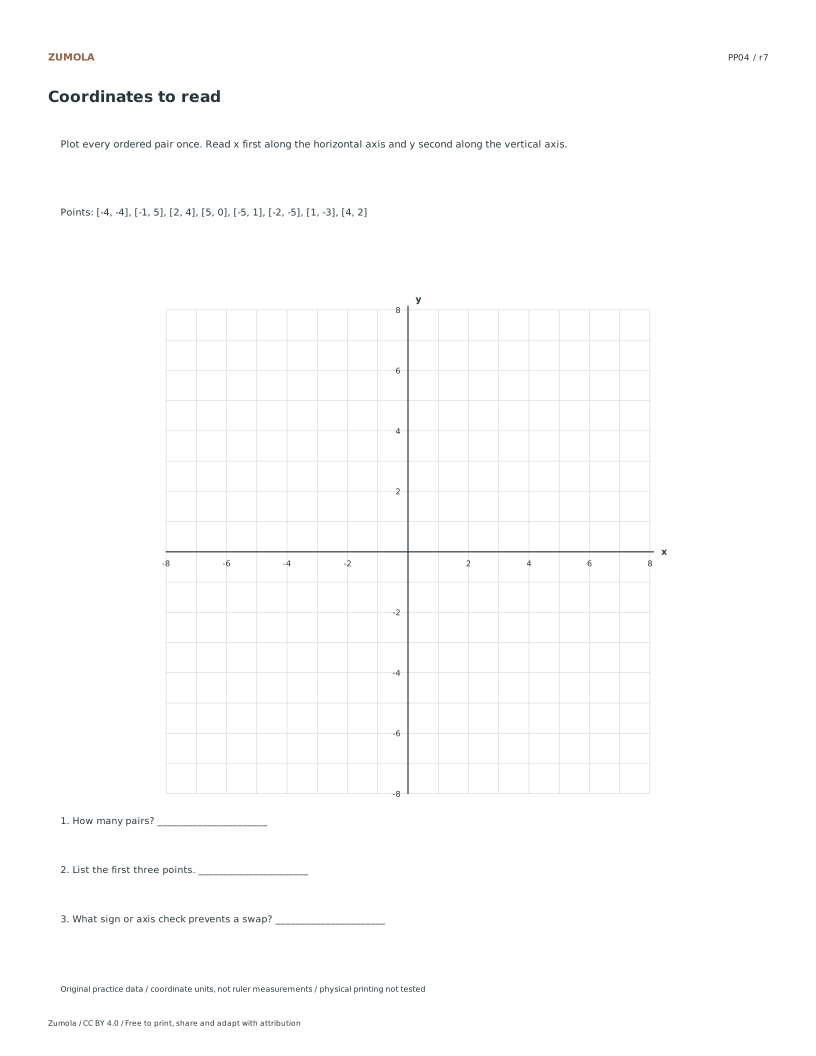
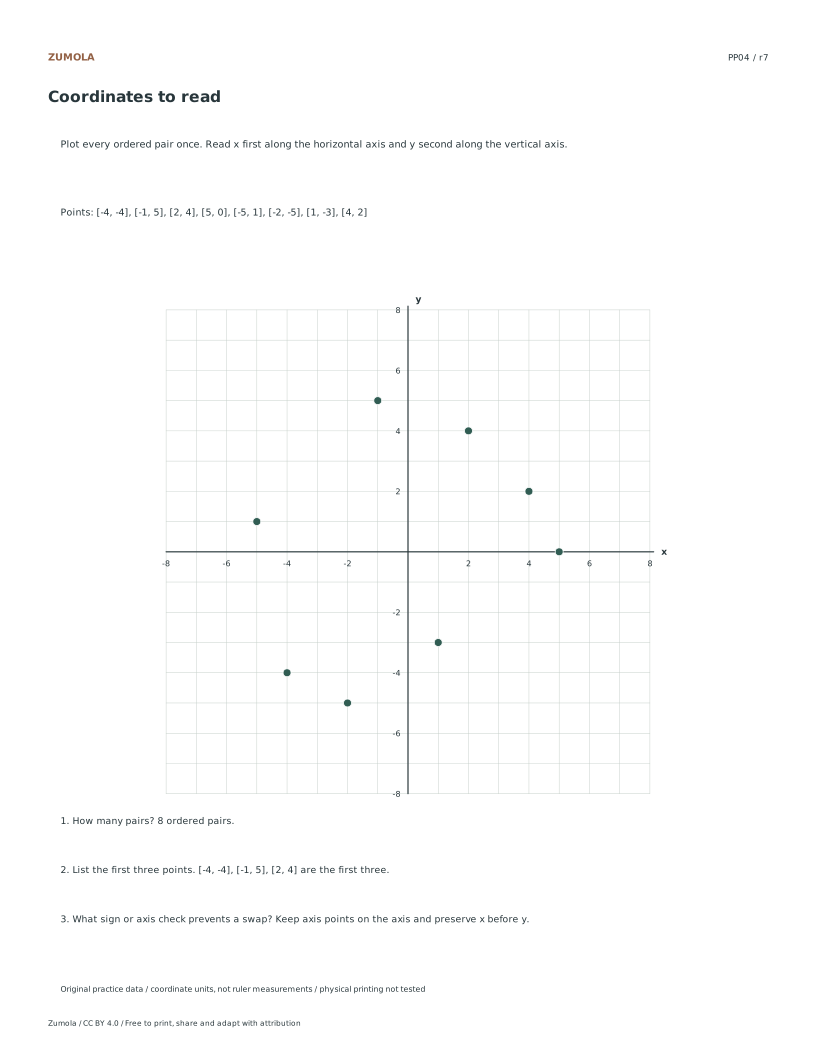
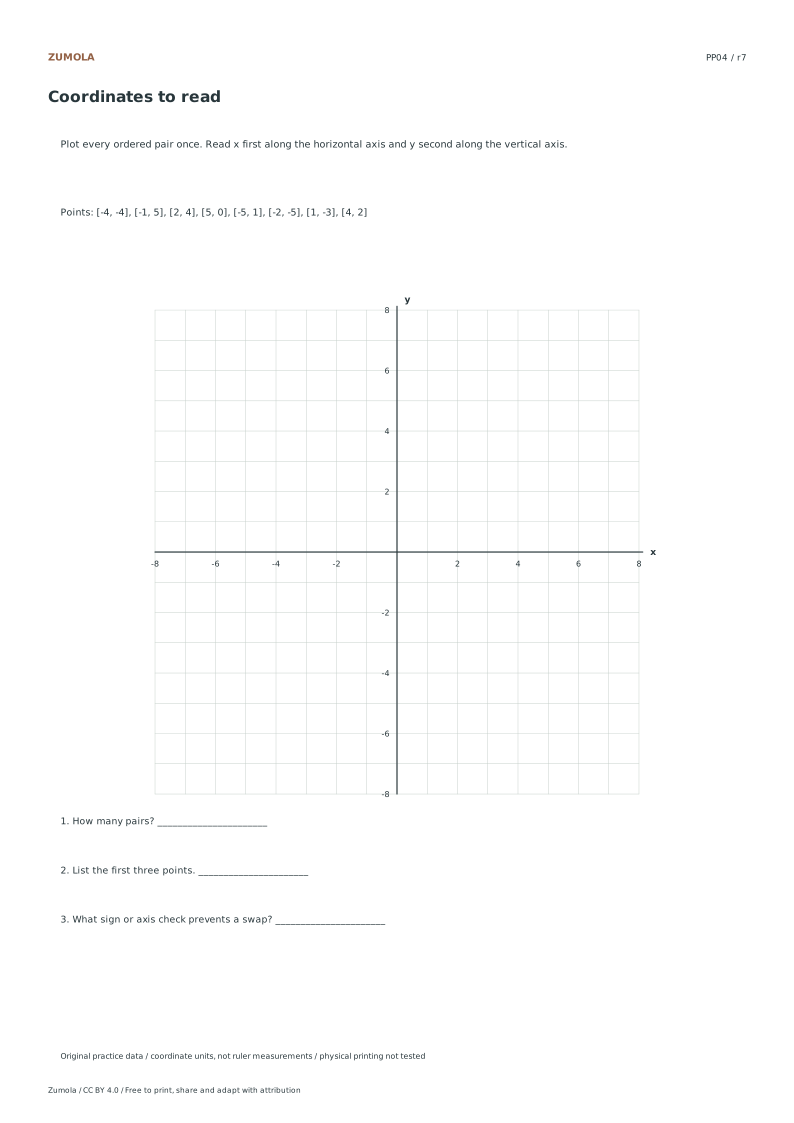
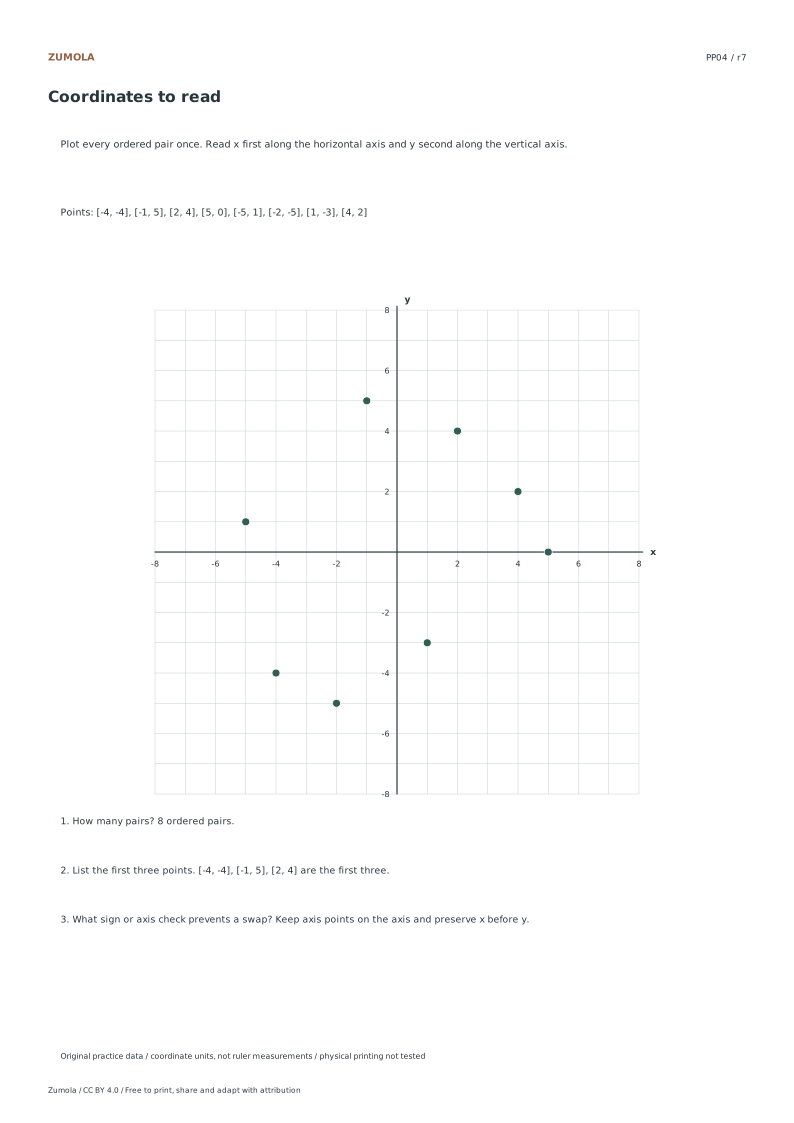
Plot four sets of ordered pairs, including quadrant and axis points. Keep x first, y second, and preserve every supplied sign.
Choose Letter or A4, then download a student sheet first. Keep the separate reference or answer file closed until you have attempted the case. Every worksheet, SVG and answer is free without signup.
Choose your paper and download
Download paper size
Every worksheet and answer is free. No signup.
Free original resourcePP01
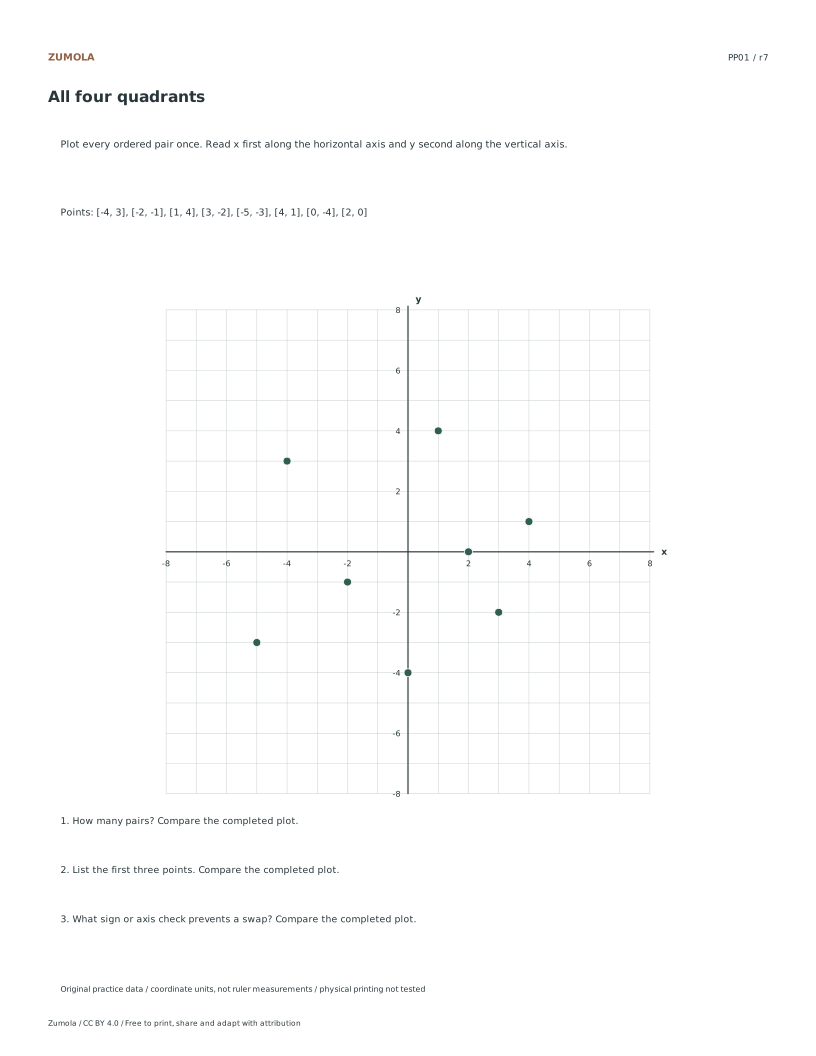
All four quadrants
Original worksheet collection. Letter or A4 PDF and editable SVG.
All examples use original fictional data and coordinate units. They are practice material, not measured classroom results, published questions or evidence about real people.
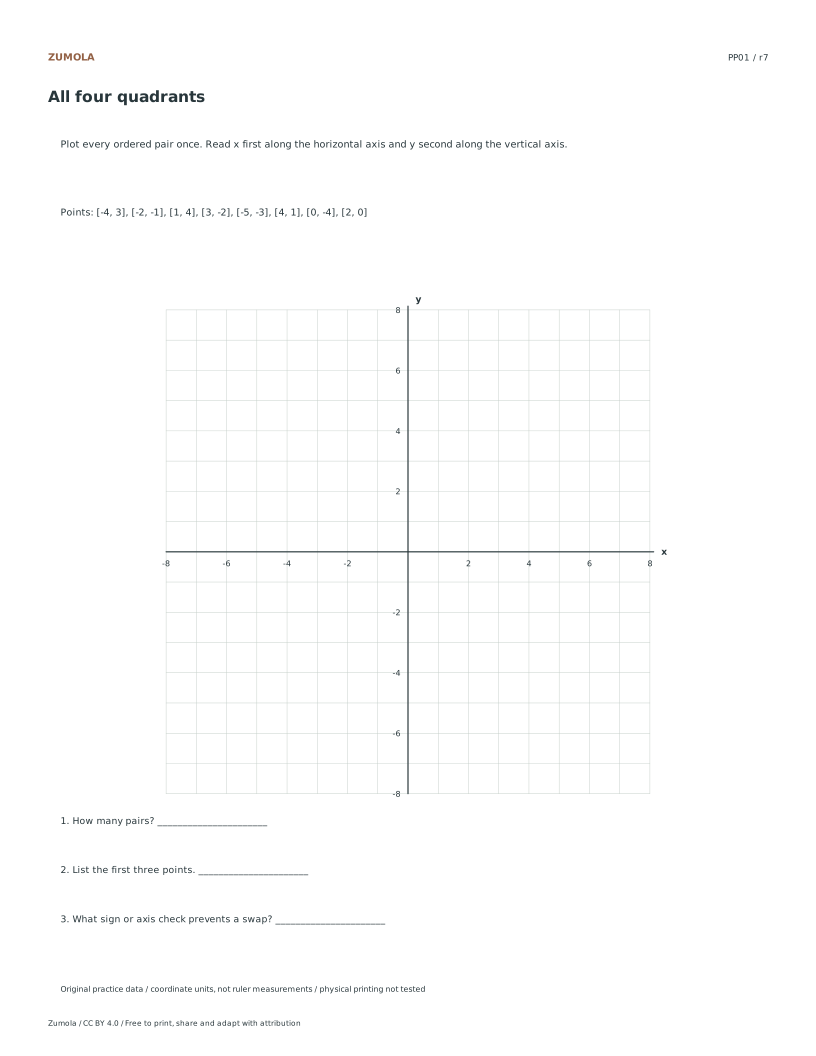
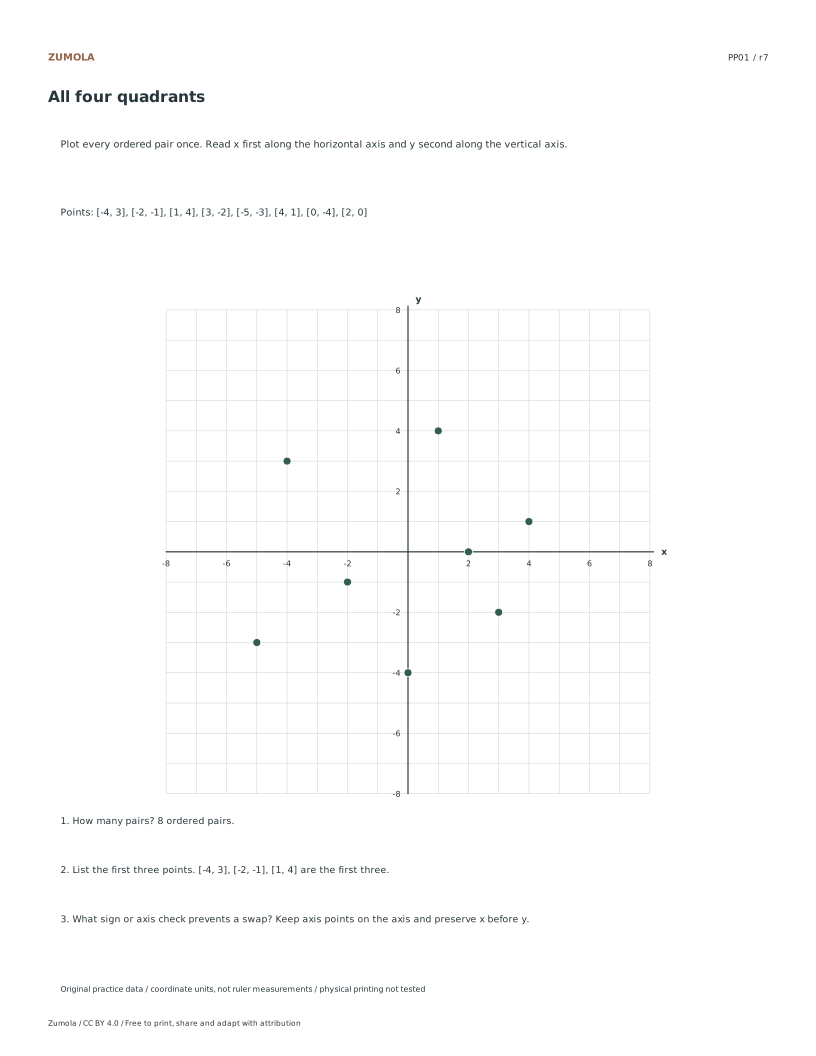
Check the first case
PP01: All four quadrants
Check
Worked result
1
8 ordered pairs.
2
[-4, 3], [-2, -1], [1, 4] are the first three.
3
Keep axis points on the axis and preserve x before y.
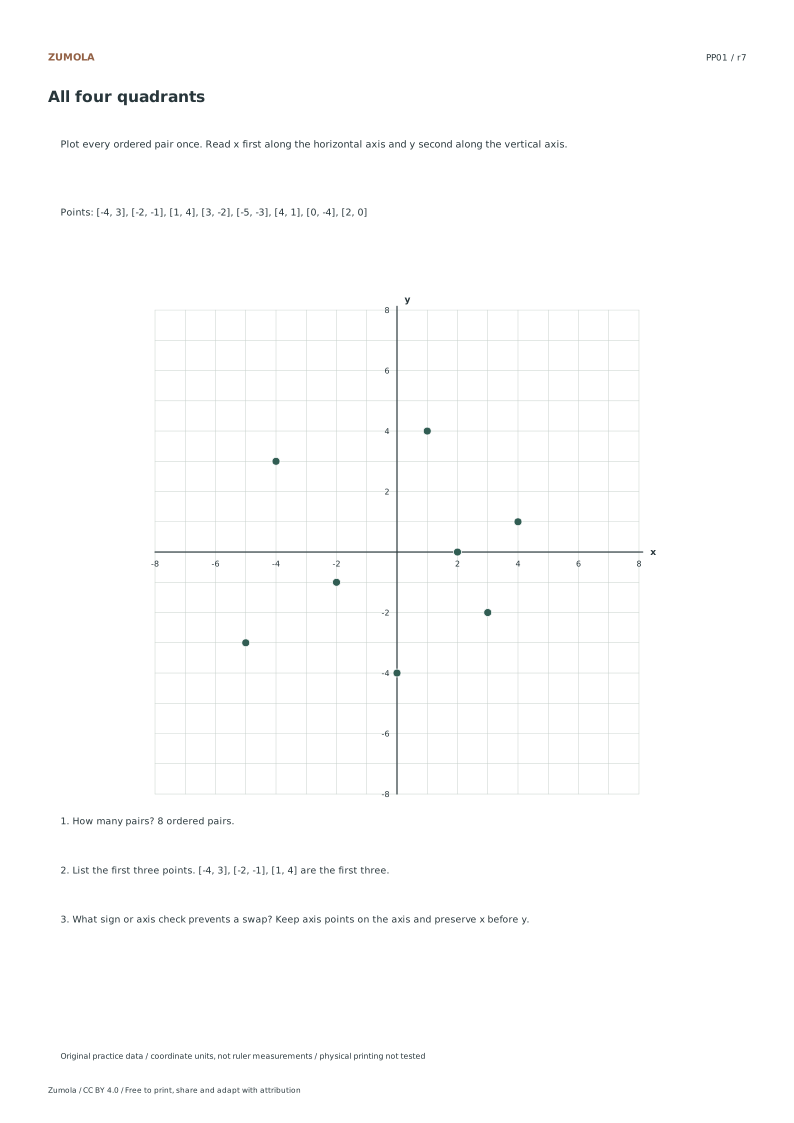
The first case shows the checking pattern. Individual answer files contain the completed graph and result for every case.
Work through the graph
Verify Coordinate Order
Begin by confirming that each ordered pair follows the standard horizontal then vertical convention. The first number represents the x-coordinate and the second represents the y-coordinate. For instance in case PP01 the pair negative four three places the point left of the origin and above it. Ensure you do not swap these values as this would place the point in the wrong quadrant. Check that signs are preserved exactly as written in the original point lists. This step ensures that the listed coordinates align with the intended fictional practice material before any physical marking occurs on the printable sheet.
Locate Axis Intercepts
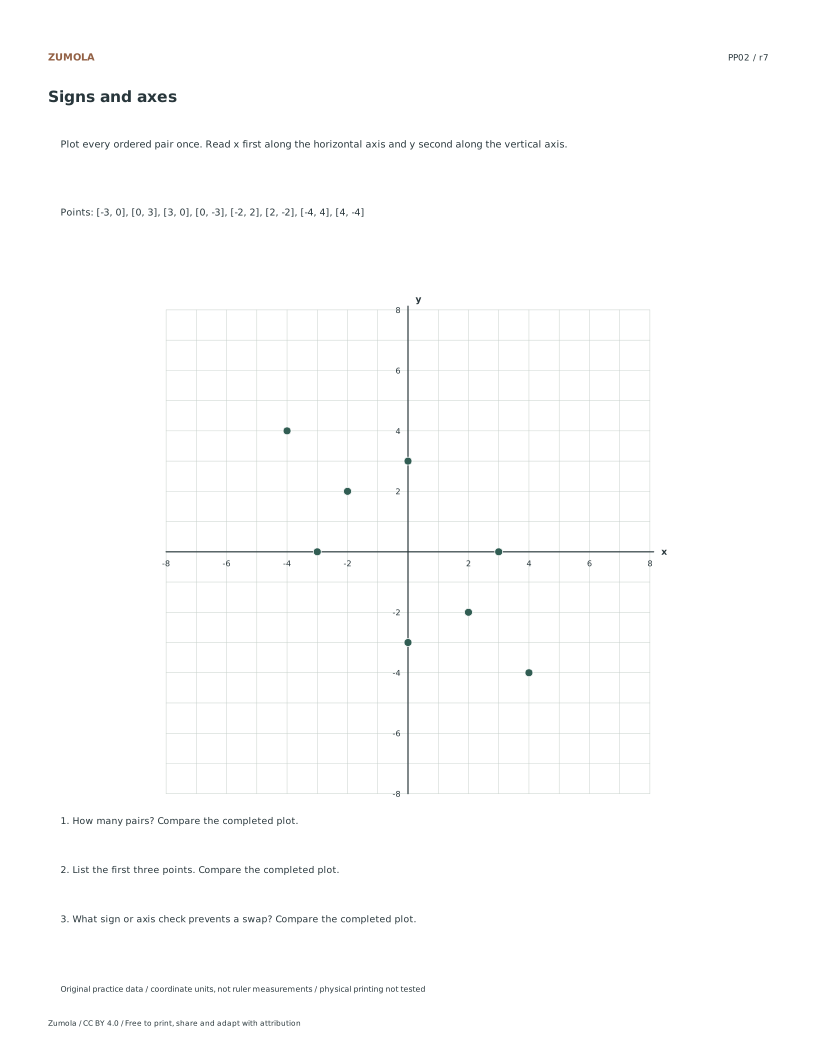
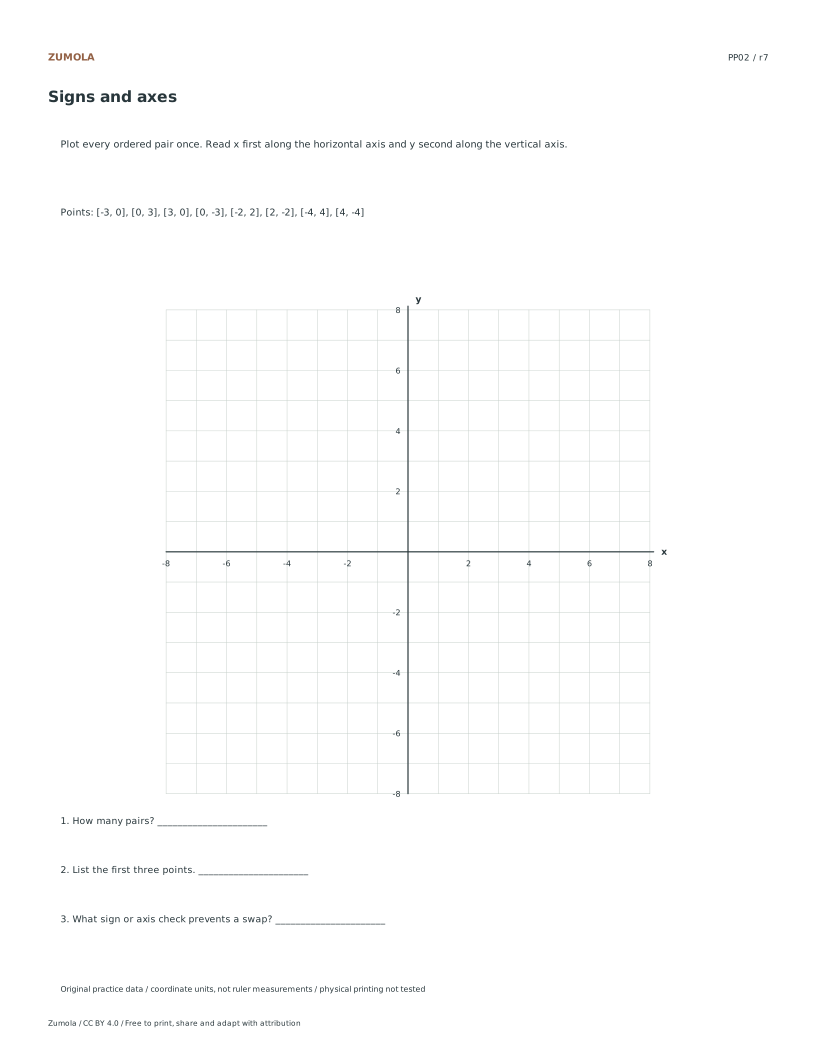
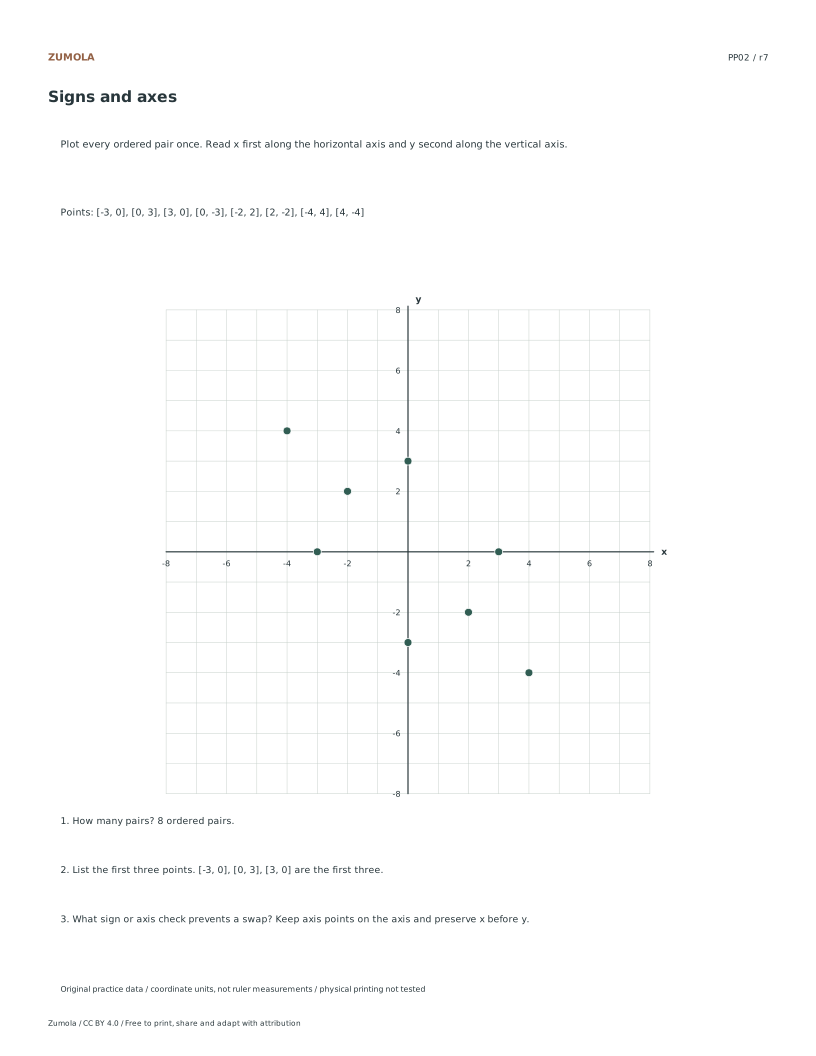
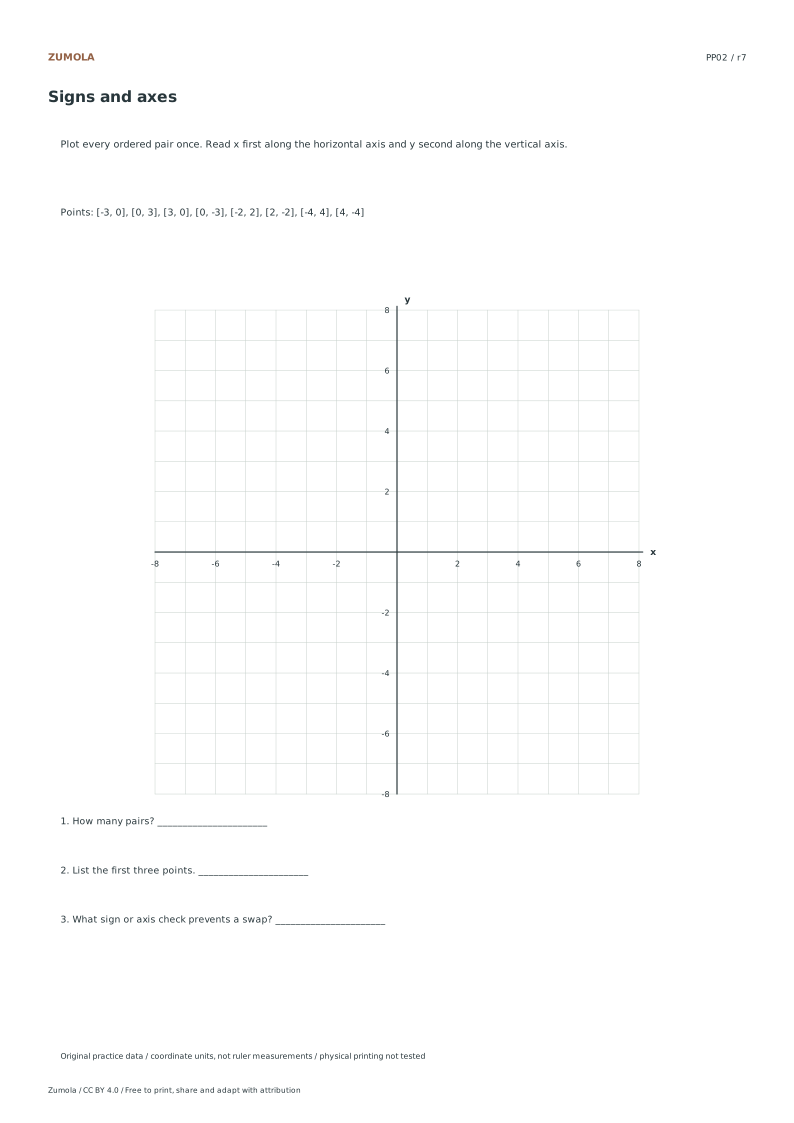
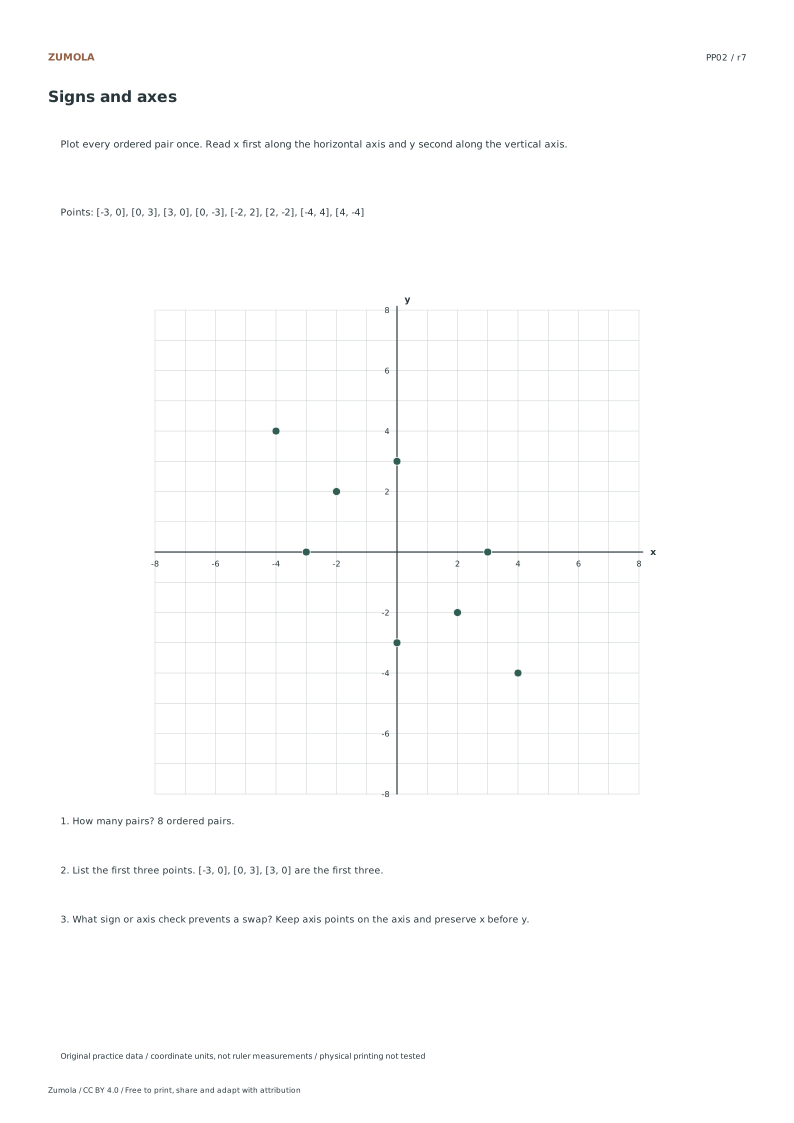
Identify points where either the x or y value is zero. These points lie directly on the axes rather than within a quadrant. In case PP02 points like zero three or negative three zero must be placed precisely on the vertical or horizontal line. Do not shift these points into the nearest quadrant. The axes use integer unit ticks so align the point with the corresponding tick mark. Recognizing these intercepts prevents common placement errors and ensures that the fictional data structure remains accurate according to the supplied values in the reference PDF.
Plot Sequential Points
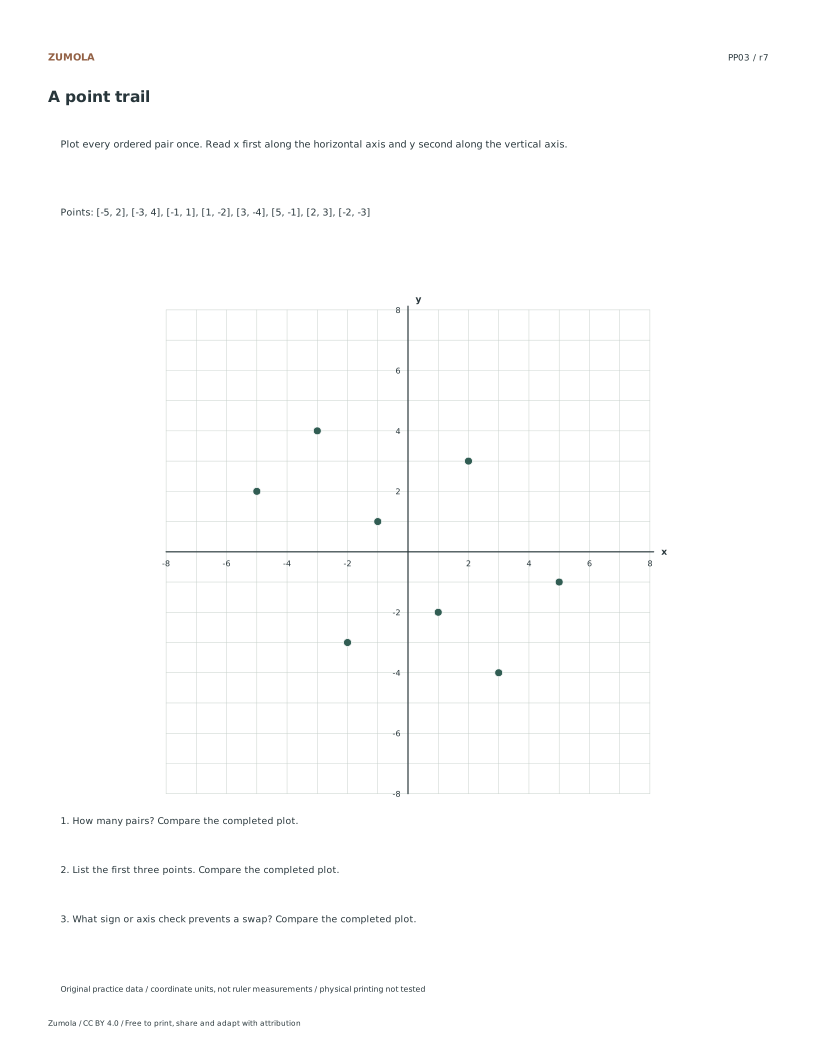
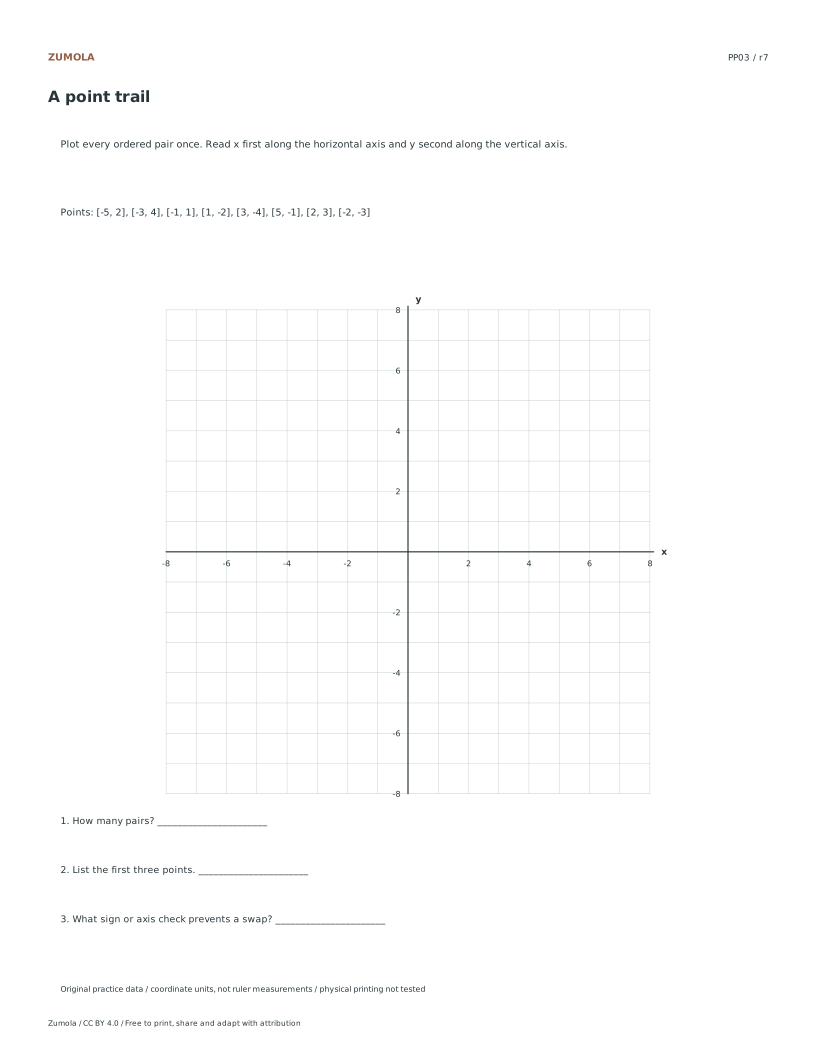
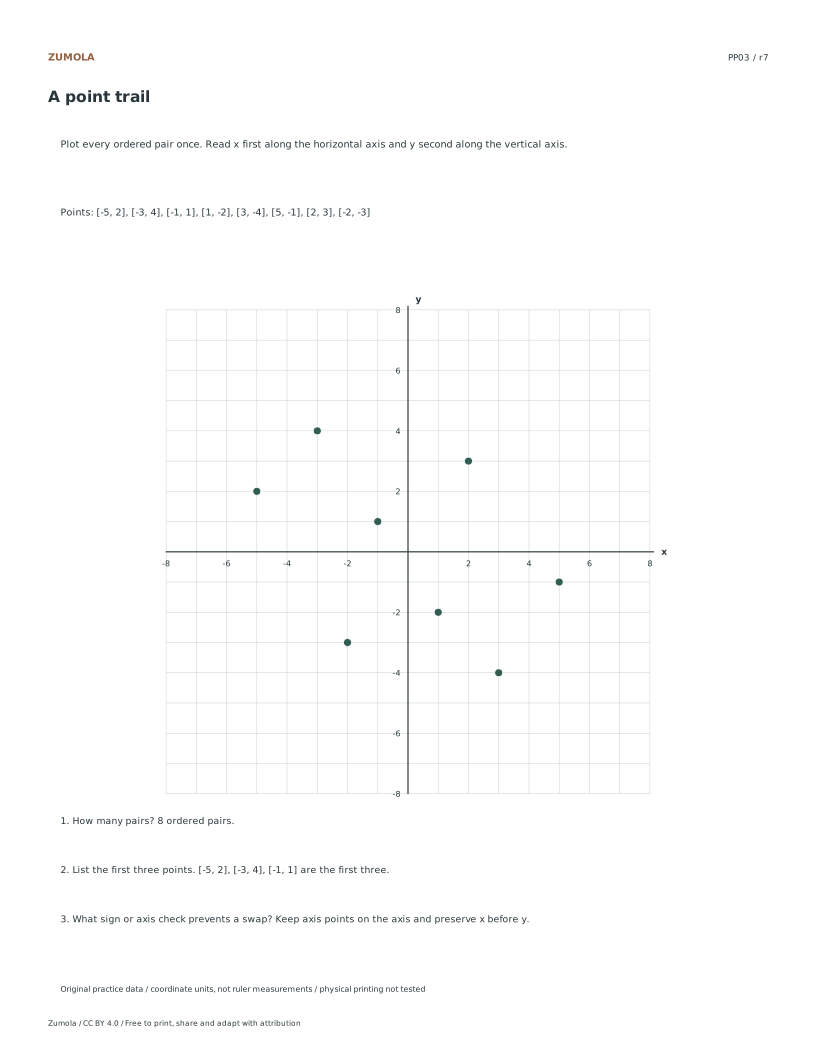
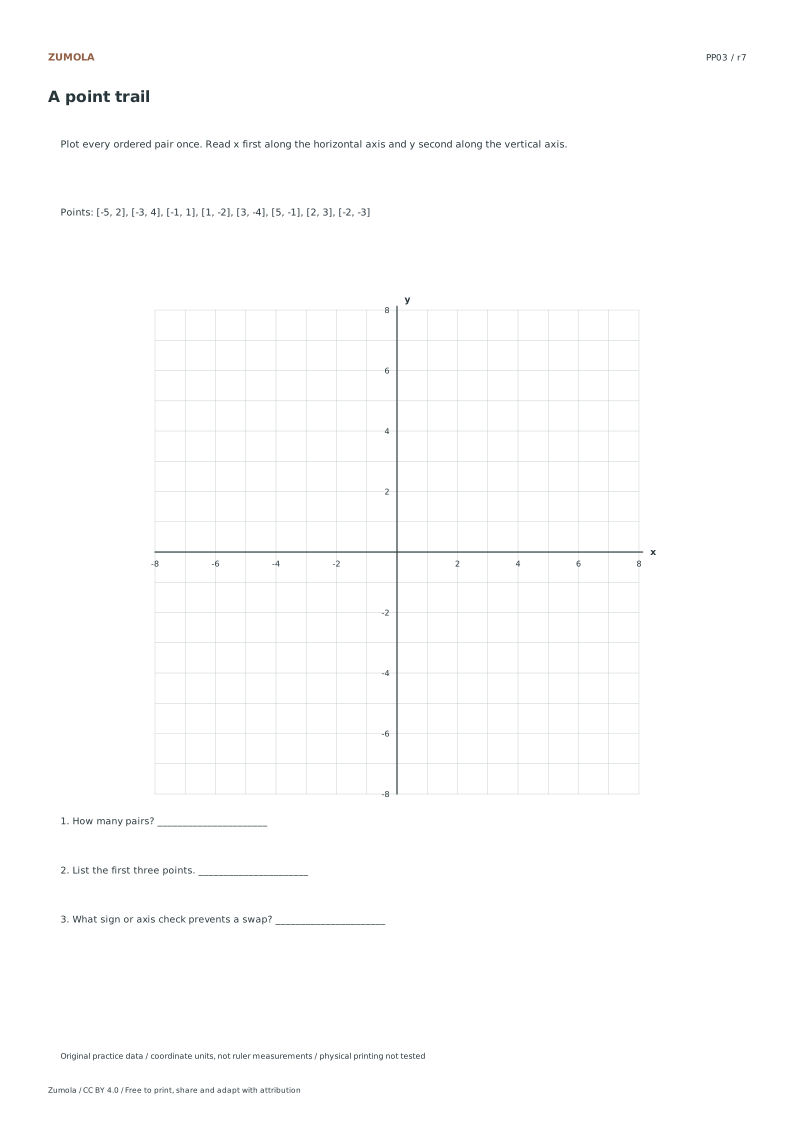
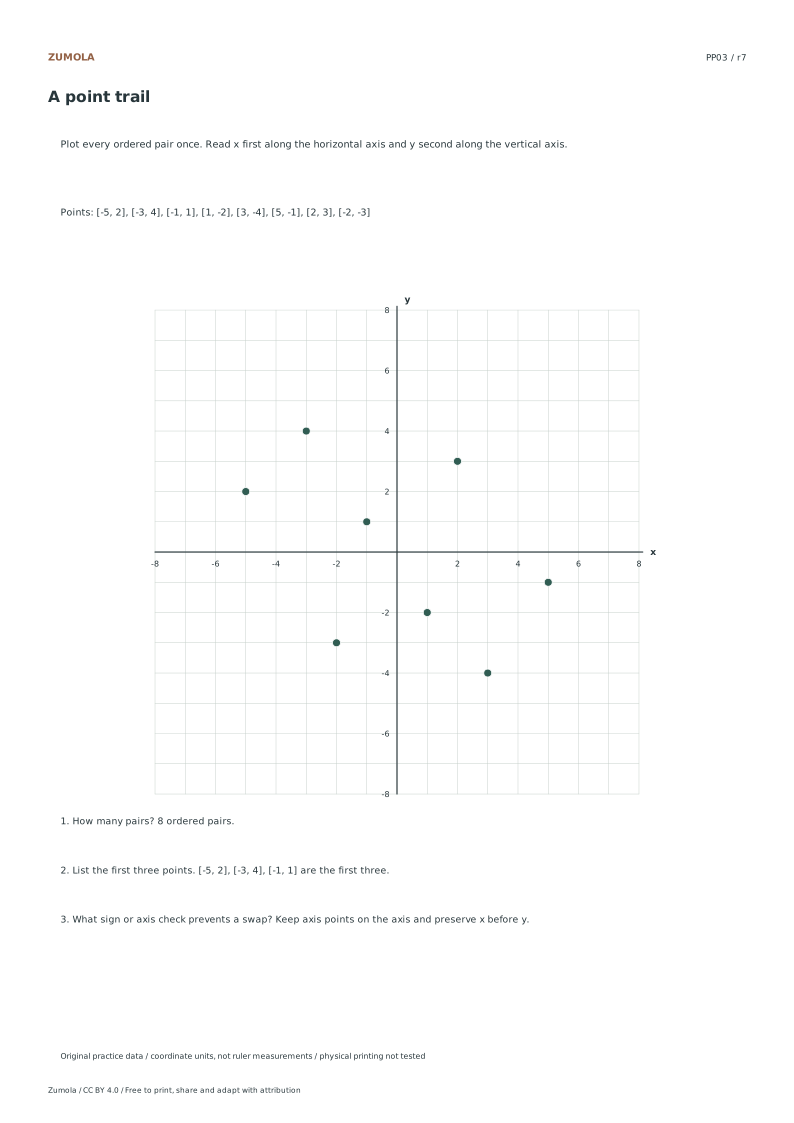
Process each point from the list one at a time without skipping. For case PP03 start with negative five two and continue through the trail to negative two negative three. Mark each location clearly using a distinct dot. Since these are original fictional practice materials there is no need to connect the dots unless instructed. Verify that every ordered pair from the four original point lists is plotted exactly once. This methodical approach helps maintain accuracy when working with the separate student and answer PDFs provided in the free resource pack.
Checks that catch common errors
Watch for
Check instead
Moving axis points into quadrants
Keep points with a zero coordinate on the axis line itself. For example in PP02 the point zero three belongs on the y axis not in quadrant one or two. The supplied values determine the exact location so respect the zero value as a valid coordinate position rather than a boundary to cross.
Swapping x and y values
Always plot the first number horizontally and the second vertically. In PP01 the pair one four is right one up four not right four up one. Preserving the coordinate order is essential because the digital coordinates define the correct answer key in the separate reference PDFs provided for each case.
Ignoring negative signs
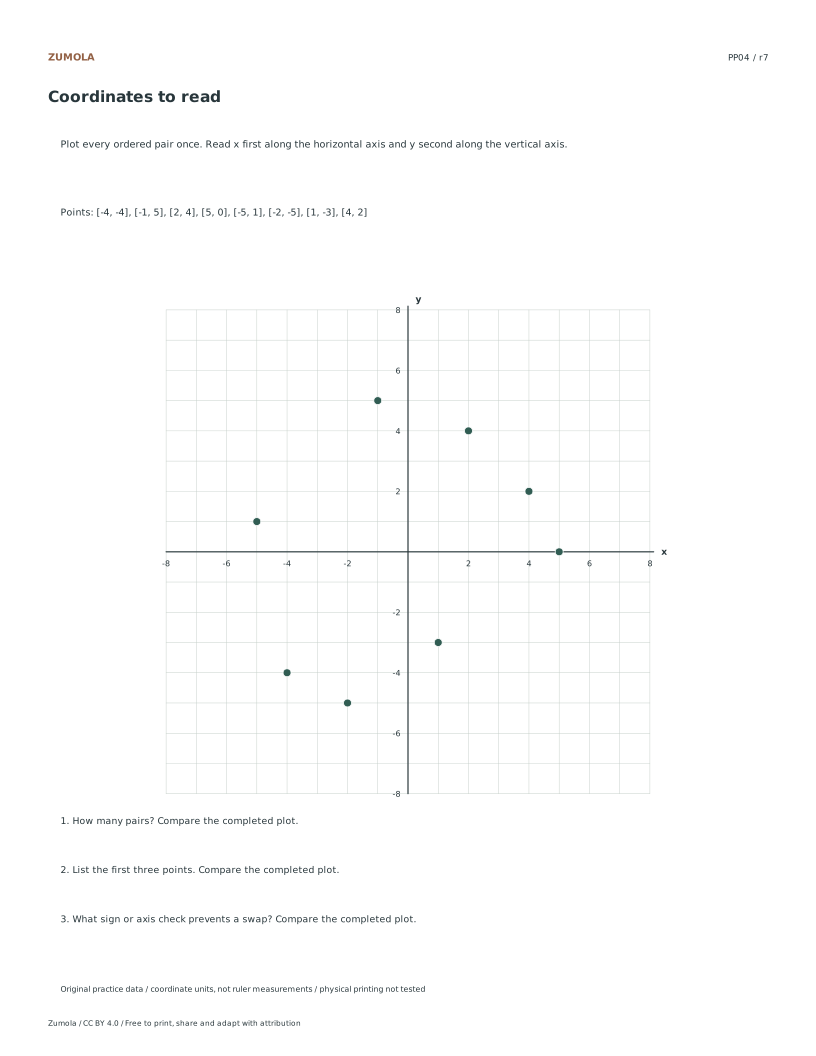
Treat negative numbers as directional indicators. In PP04 the pair negative four negative four requires moving left and down from the origin. Do not plot it in the positive quadrant. The original point lists include specific signs that must be respected to match the fictional practice material accurately without altering the intended geometry.
Keep the labels and margins readable
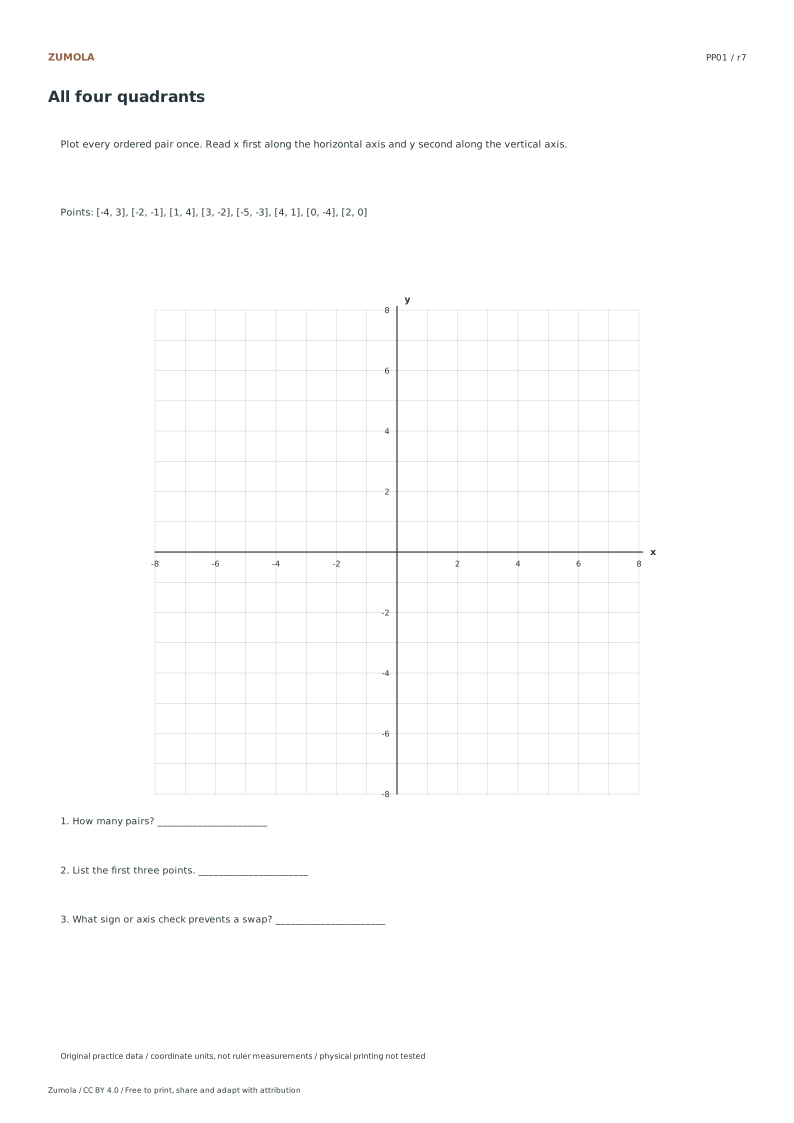
Choose the PDF that matches your paper. Print at Actual size / 100% and turn off Fit, Shrink and browser headers. SVG is editable but an editor can rescale it; the PDF is the simpler print route. Physical printer, classroom and curriculum tests have not been completed.
Useful answers
Which coordinate comes first?
Read x first along the horizontal axis, then y along the vertical axis.
Are points on an axis allowed?
Yes. A zero coordinate places the point on an axis and remains valid.
How do I check a quadrant?
I is (+,+), II is (-,+), III is (-,-), IV is (+,-).
Are the answer files and editable graphs free?
Yes. The individual student, reference and answer files plus collection packs are free without signup. Credit Zumola under CC BY 4.0 when sharing or adapting.
Optional Google Analytics helps us understand which free resources are useful. It is off until you allow it. Drawing tools and downloads work with either choice. Privacy details