Finding slope from a graph. Read, subtract, check.
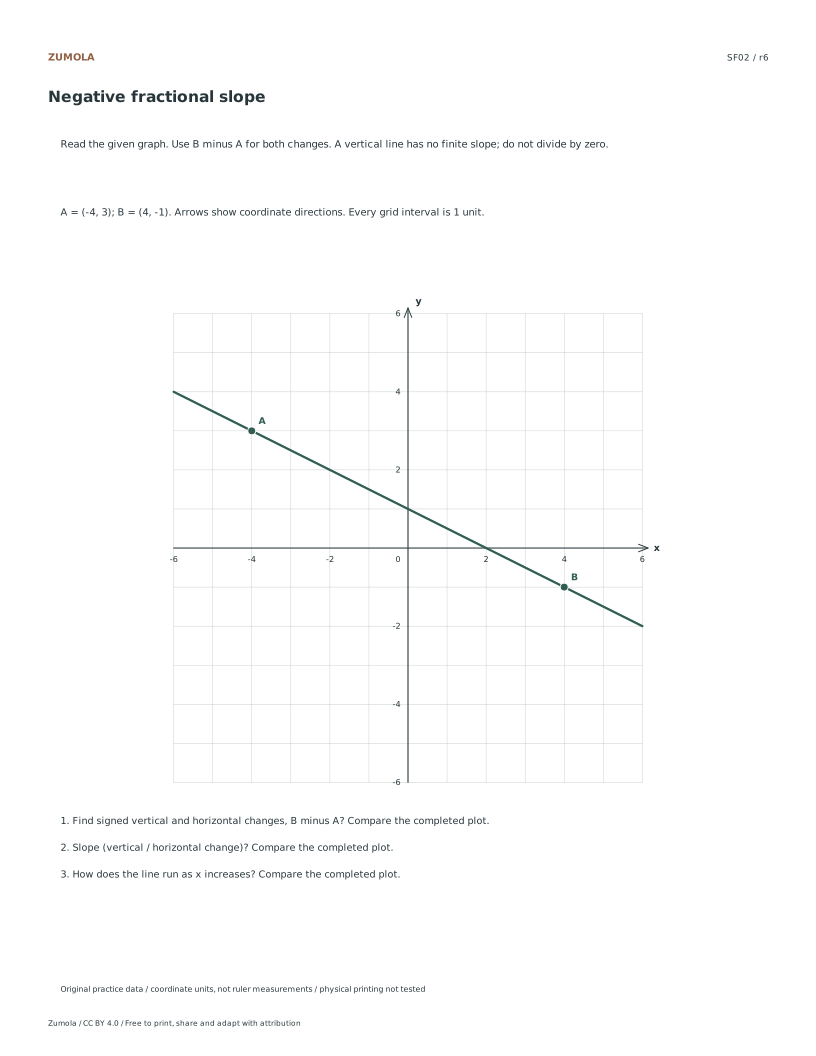
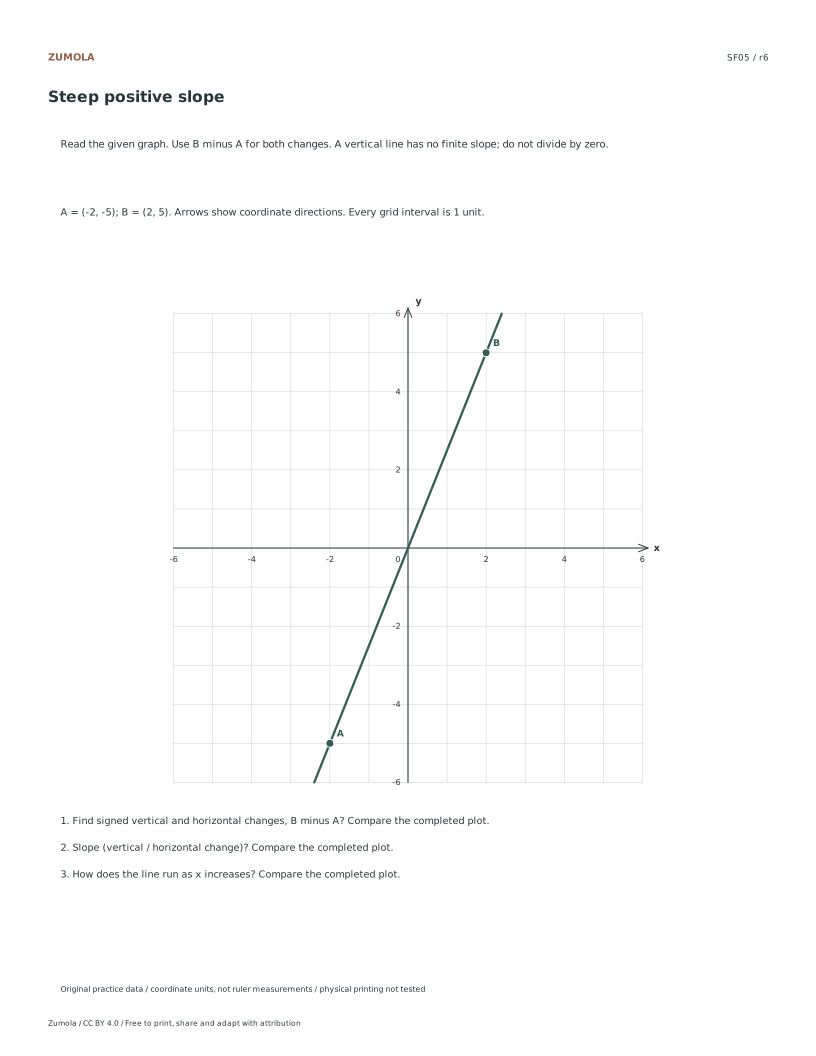
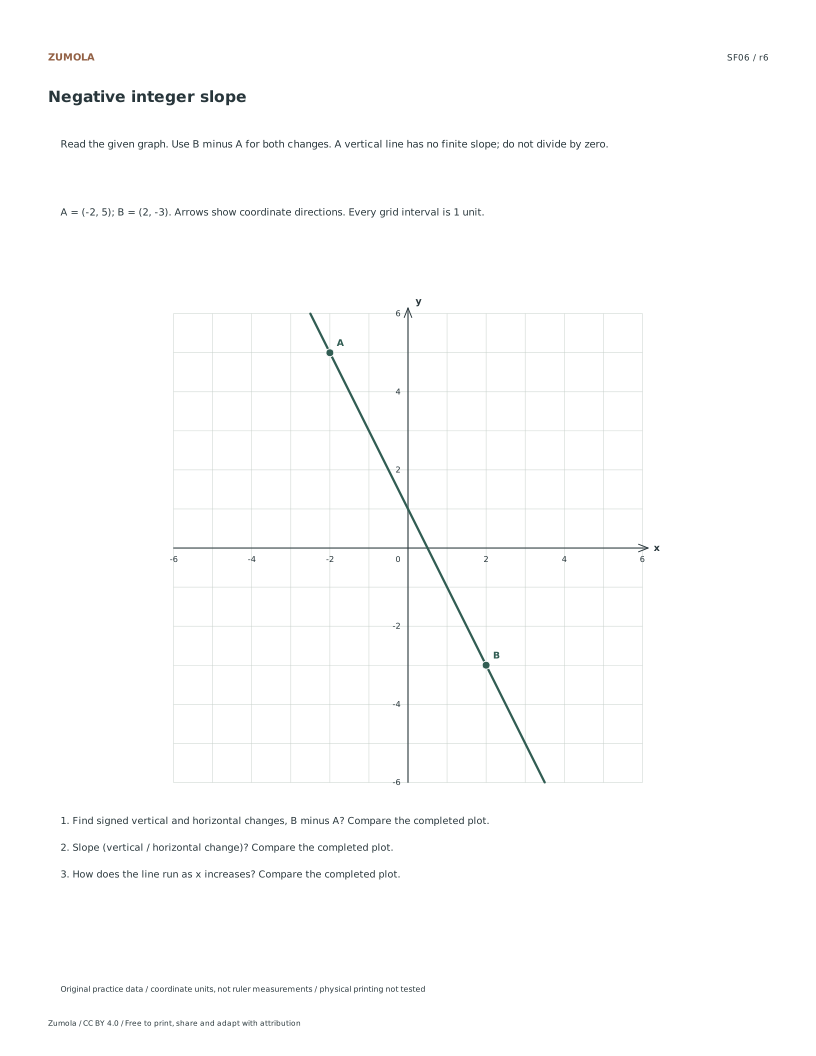
Read six given lines and calculate their slopes from two marked points. Work with positive, negative, zero and undefined slopes, then compare each signed calculation.
6 graph-reading cases. Signed changes + special cases.
A graph, a task and a worked check
Read six given lines and calculate their slopes from two marked points. Work with positive, negative, zero and undefined slopes, then compare each signed calculation.
Use the student pack for an attempt, then compare the separate reference or worked answer. Every case is original. All PDF and editable SVG resources are free without signup; each collection pack repeats its individual sheets in the same order.
Choose your paper and download
Download paper size
Every worksheet and answer is free. No signup.
The complete collection
Keep practice and answers separate.
Use the student pack first, then compare the reference or answer. Packs are PDFs; individual sheets below also include editable SVG files. The paper choice applies to every download.
The examples and datasets are made for these worksheets. They are not measured classroom results, published textbook questions or evidence about real people. Axis values and the supplied data determine the answers; paper measurements do not replace those numbers.
Check the first case
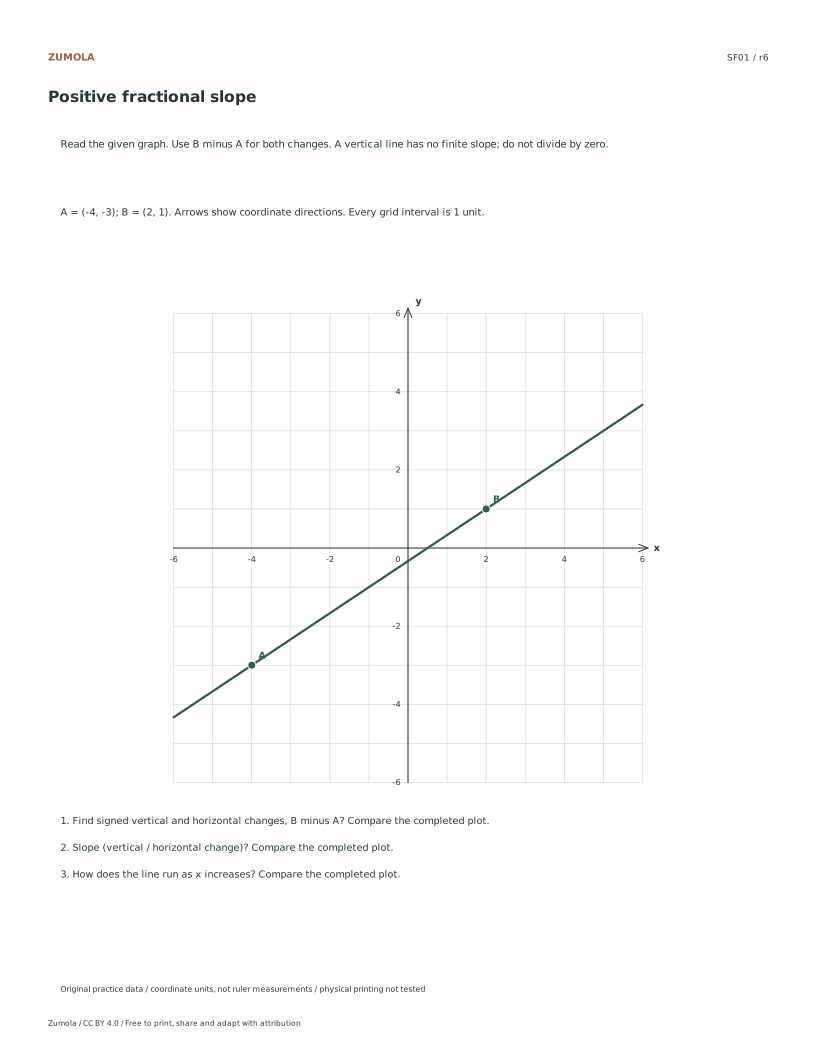
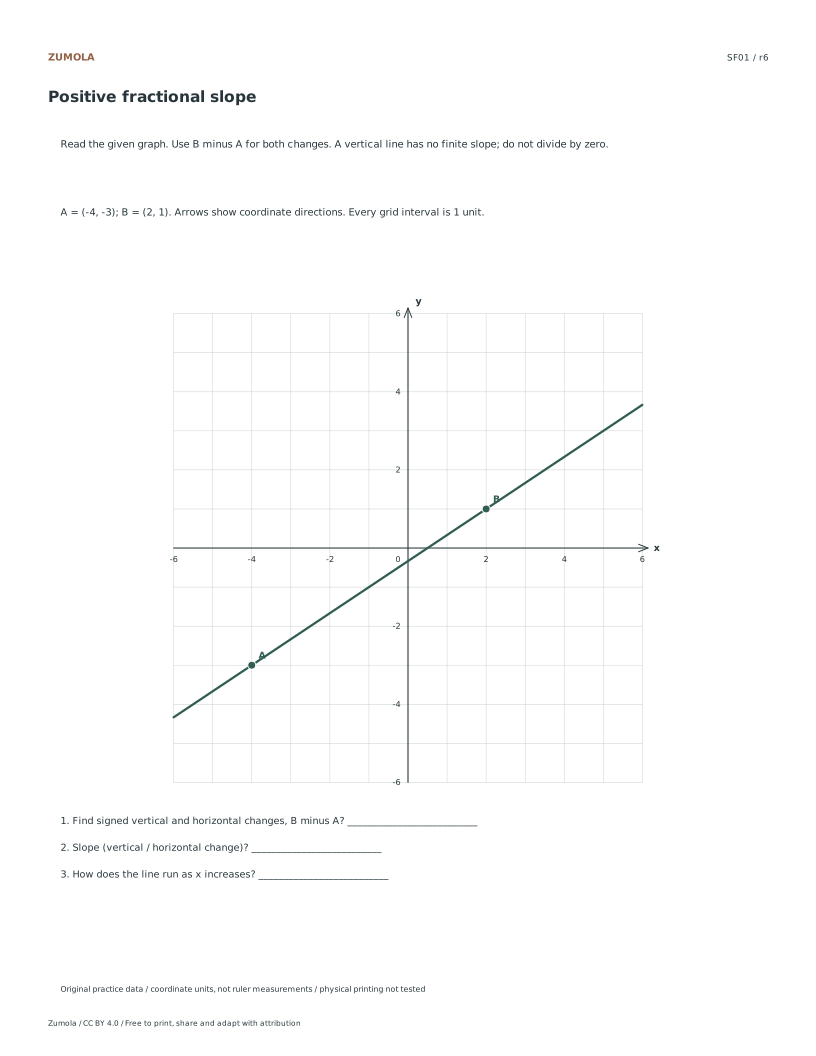
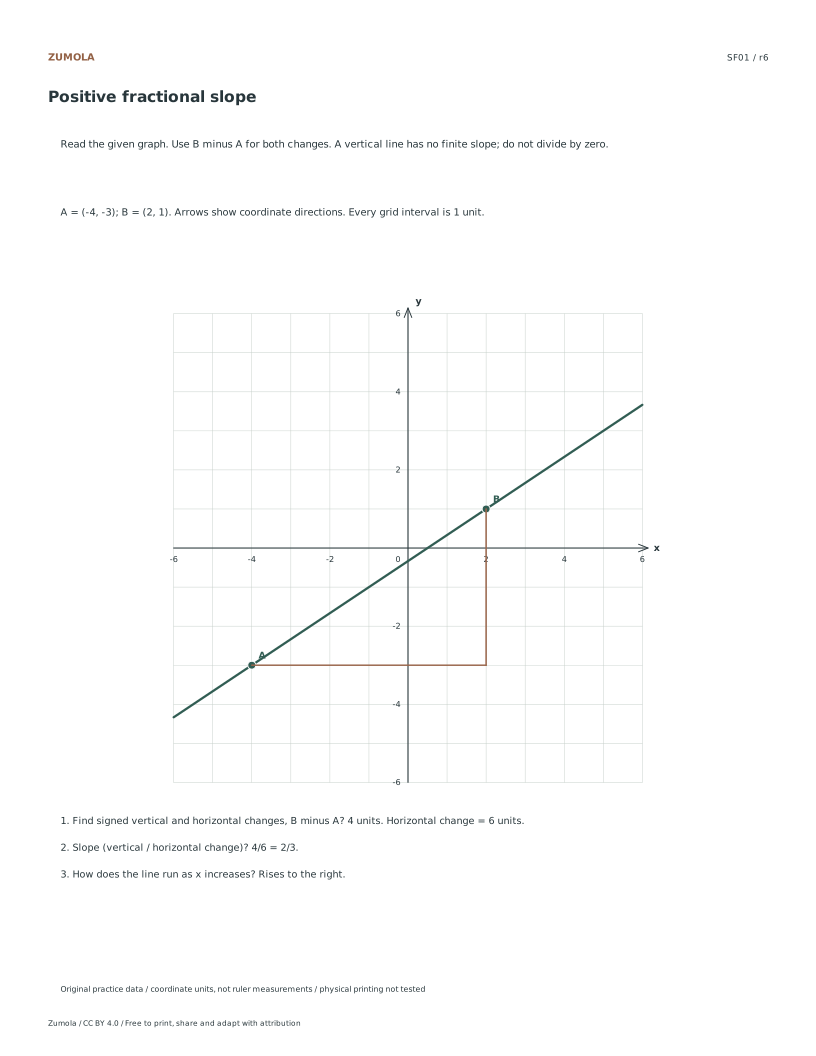
SF01: Positive fractional slope
Check
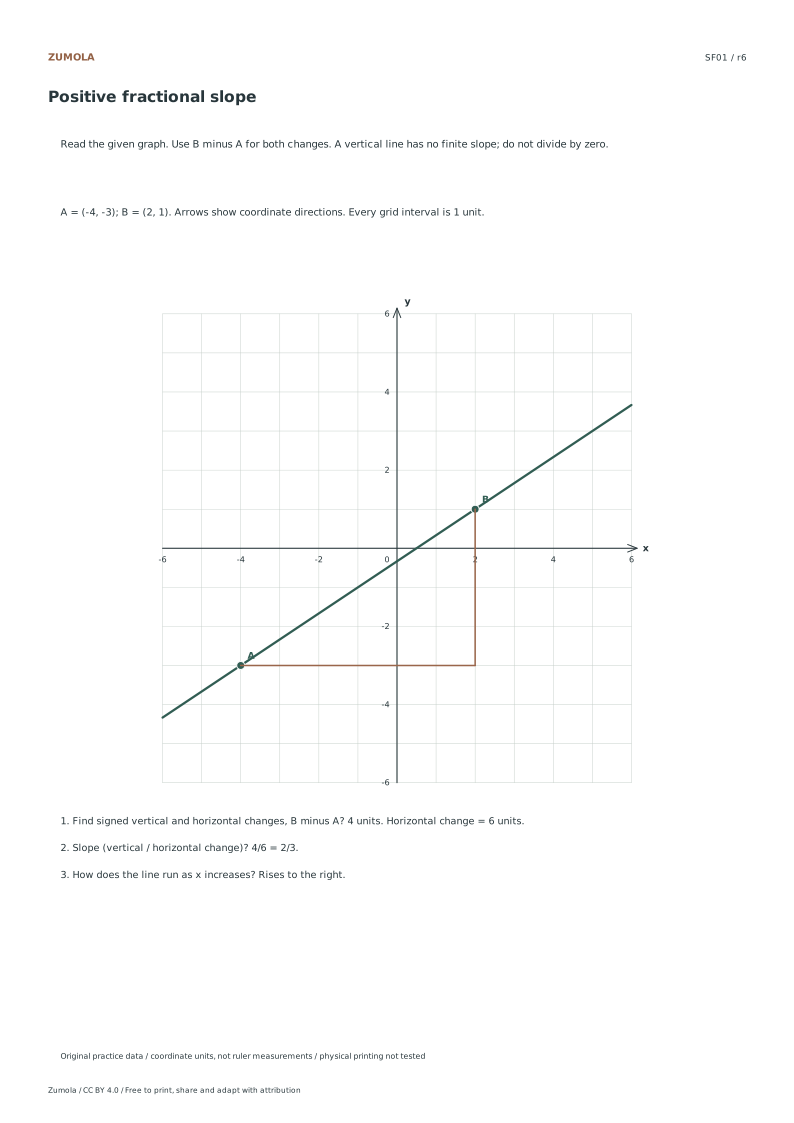
Worked result
1
4 units. Horizontal change = 6 units.
2
4/6 = 2/3.
3
Rises to the right.
The table gives one worked case so you can check the method. The separate answer files contain the completed plots and results for every case. Equivalent simplified fractions are valid; a vertical slope remains undefined.
Work through the graph
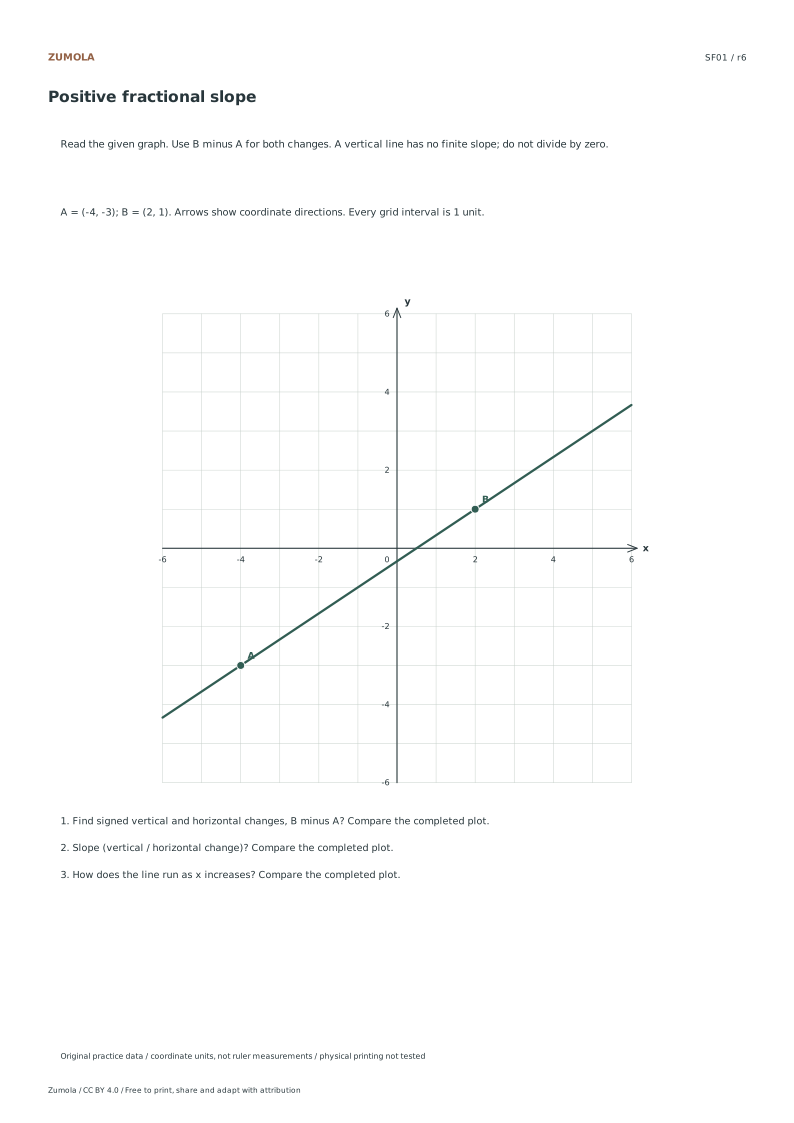
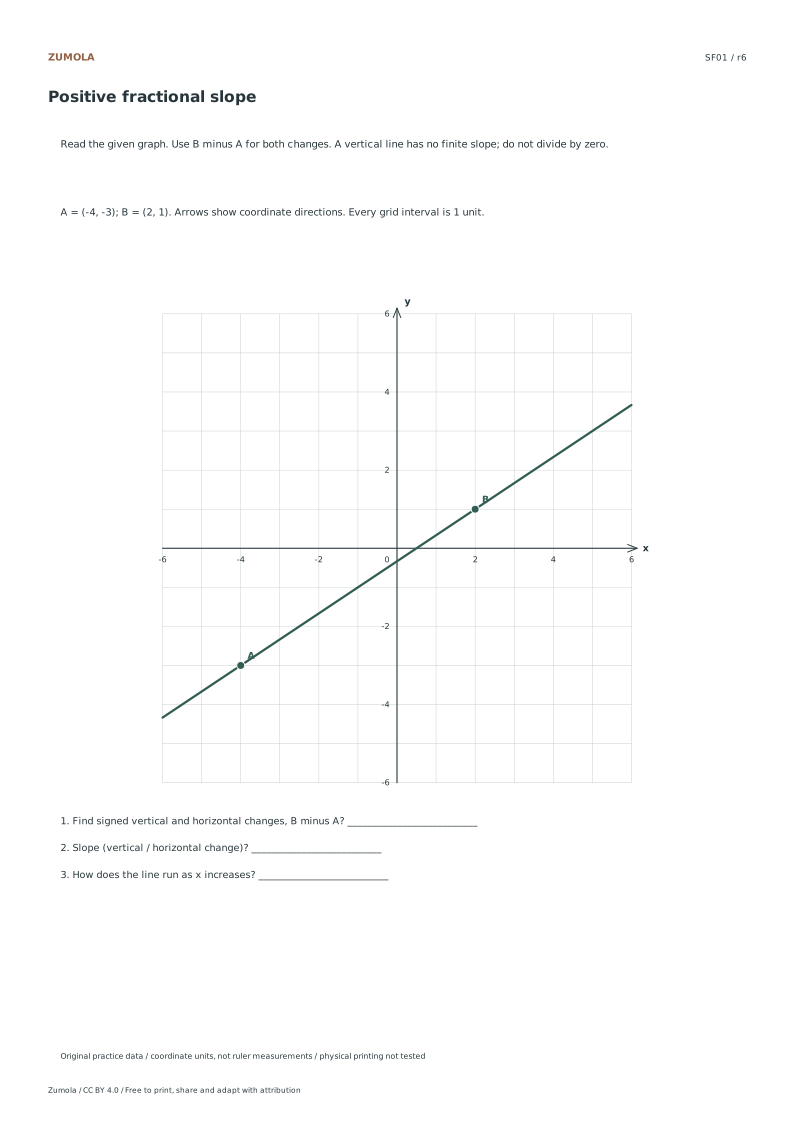
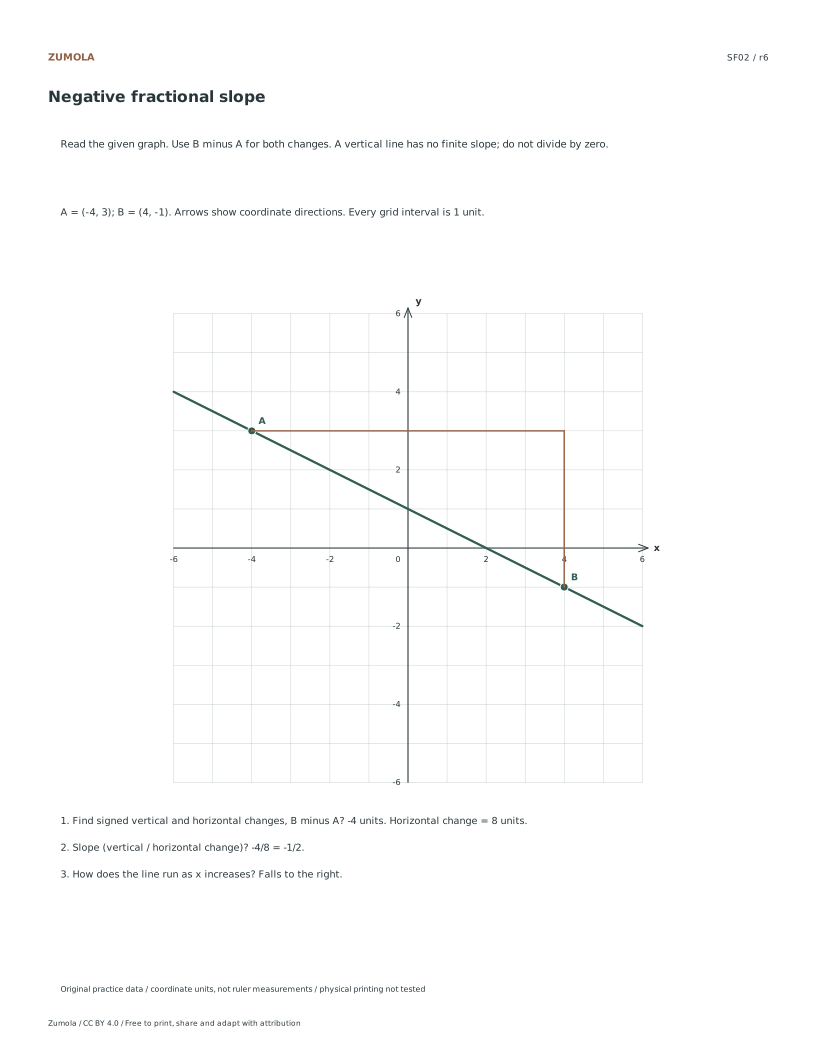
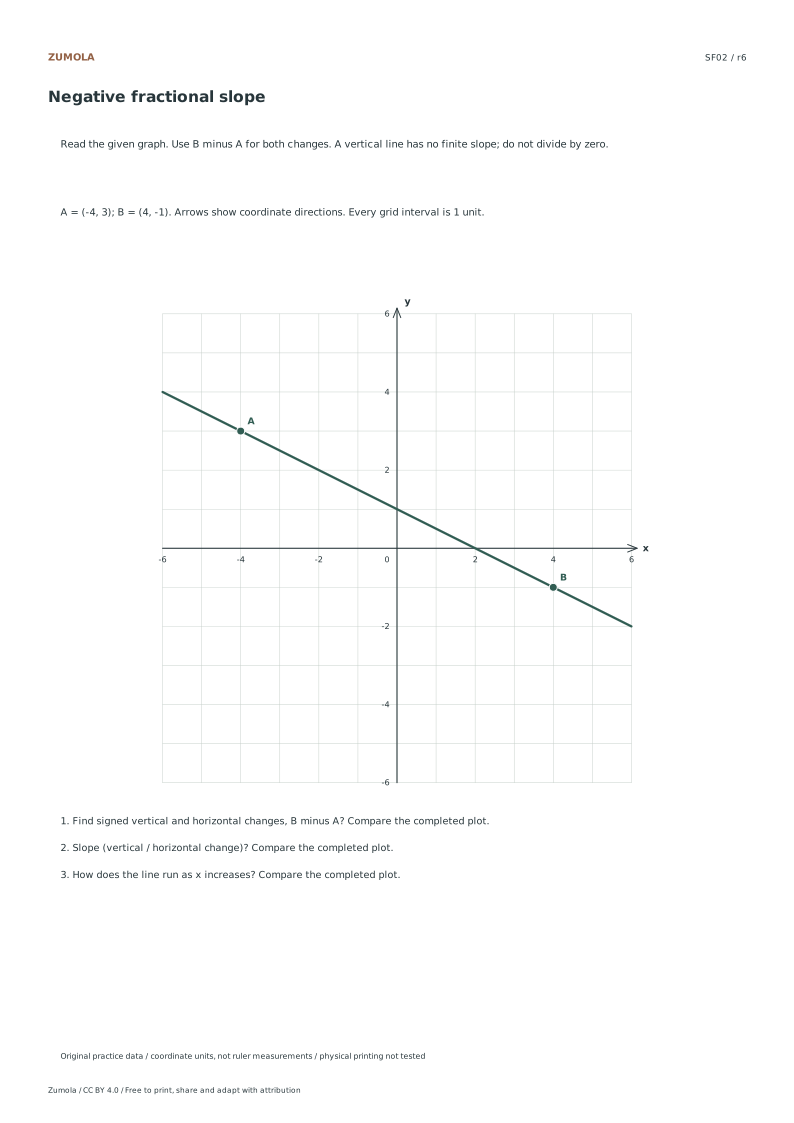
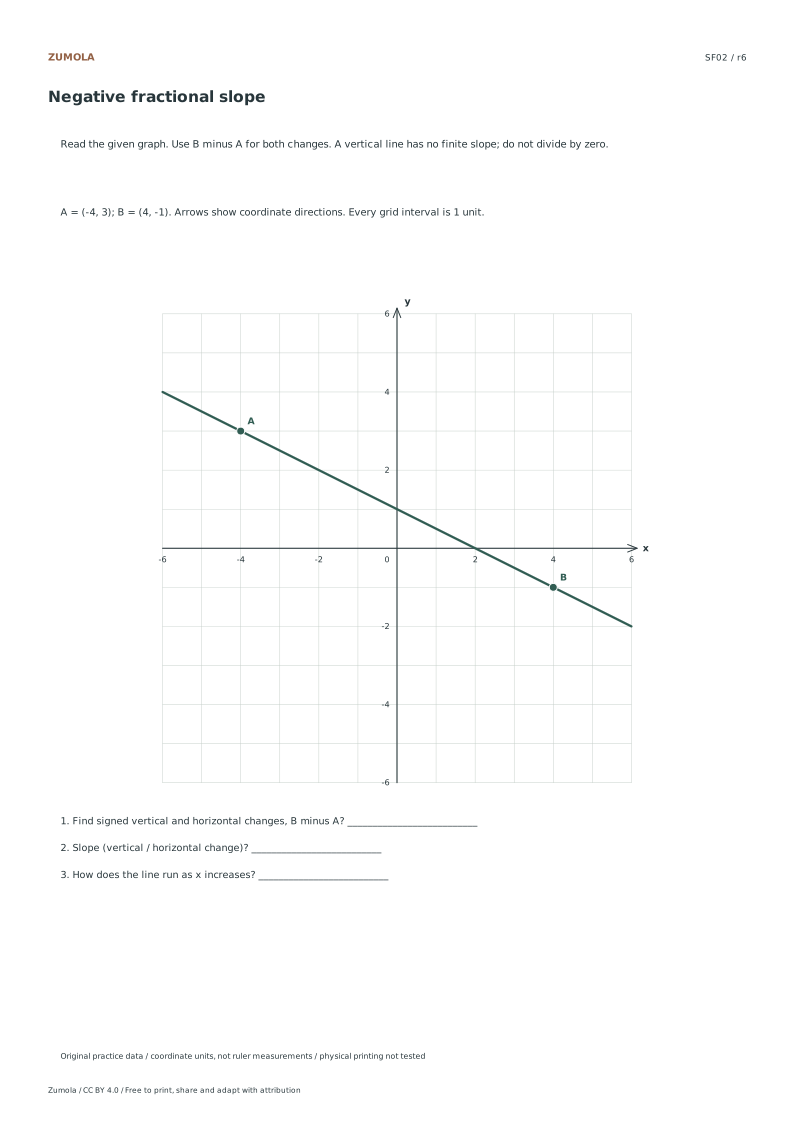
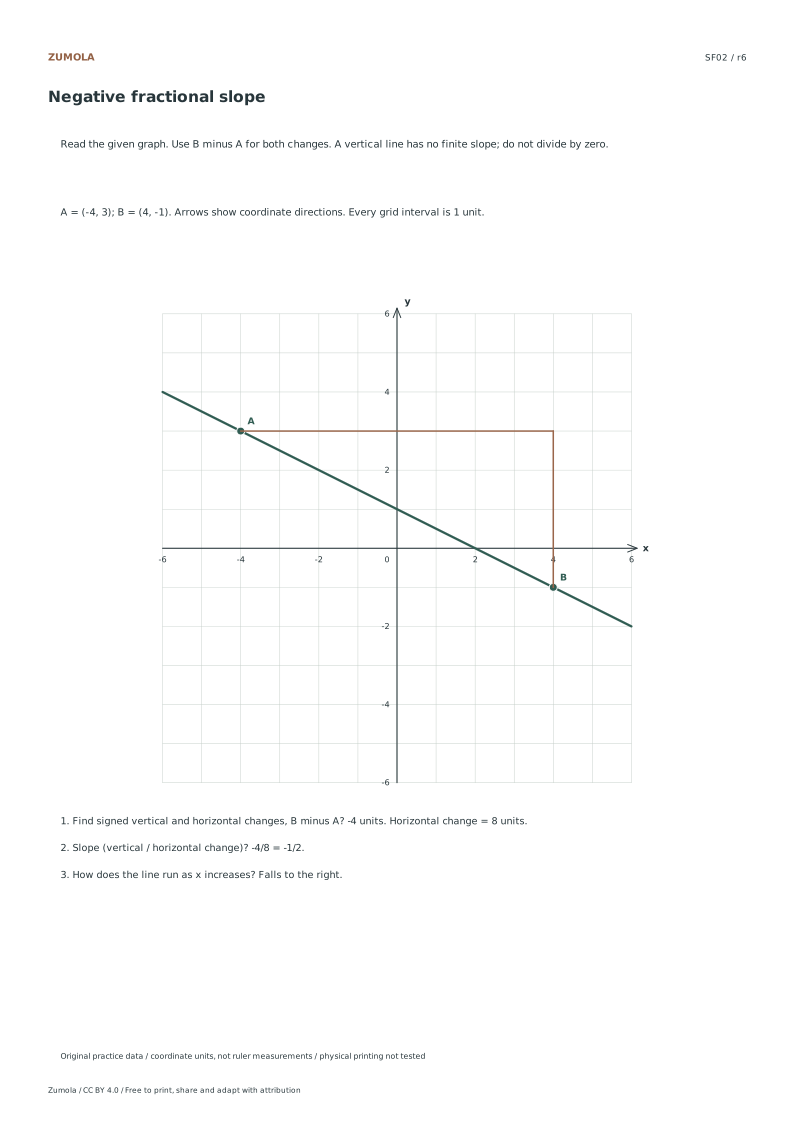
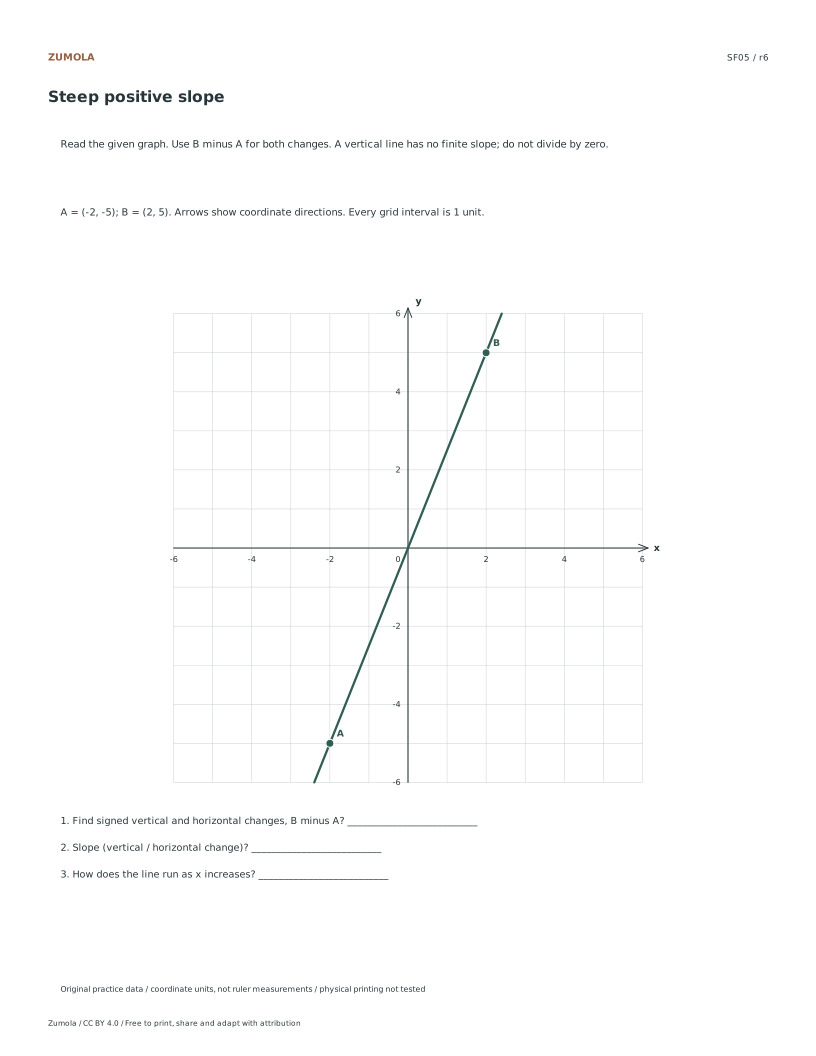
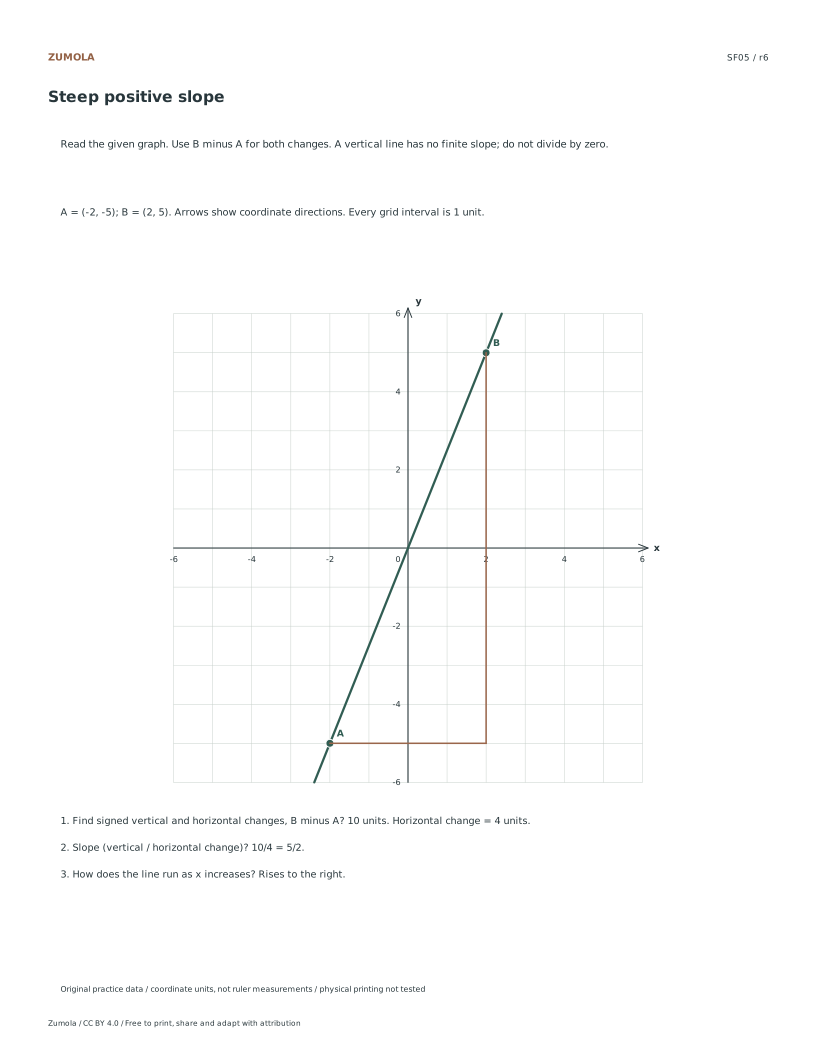
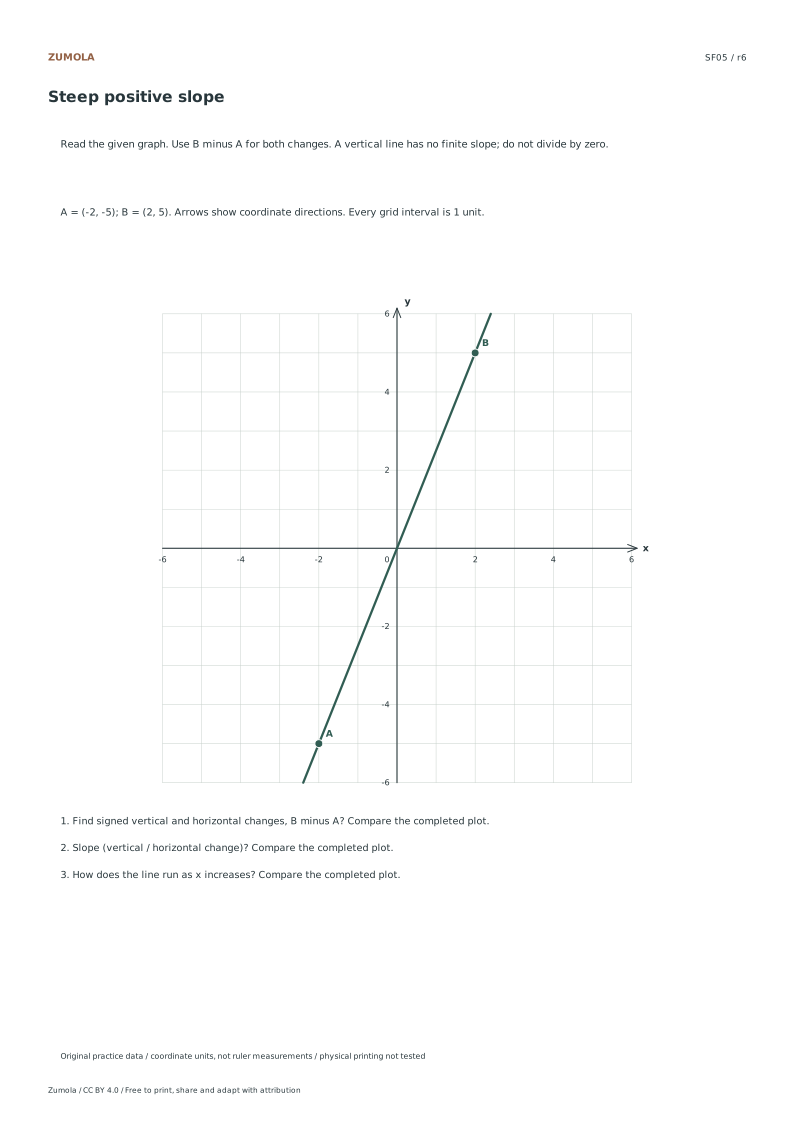
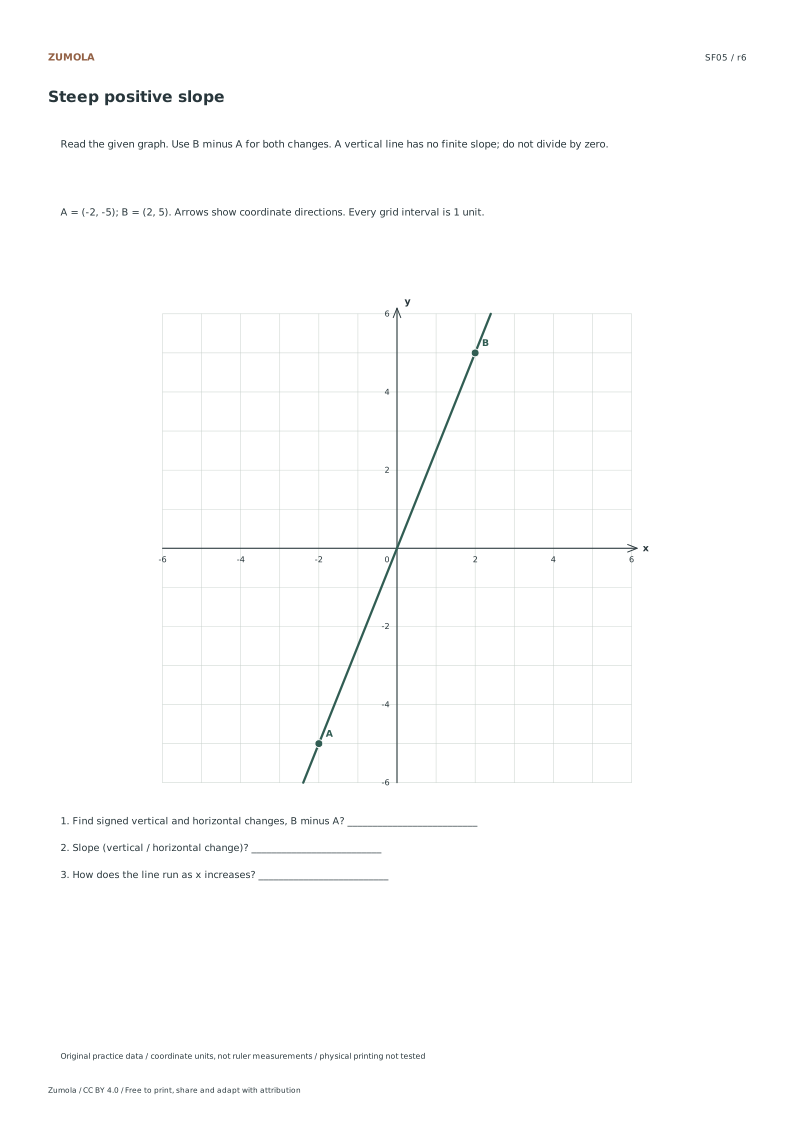
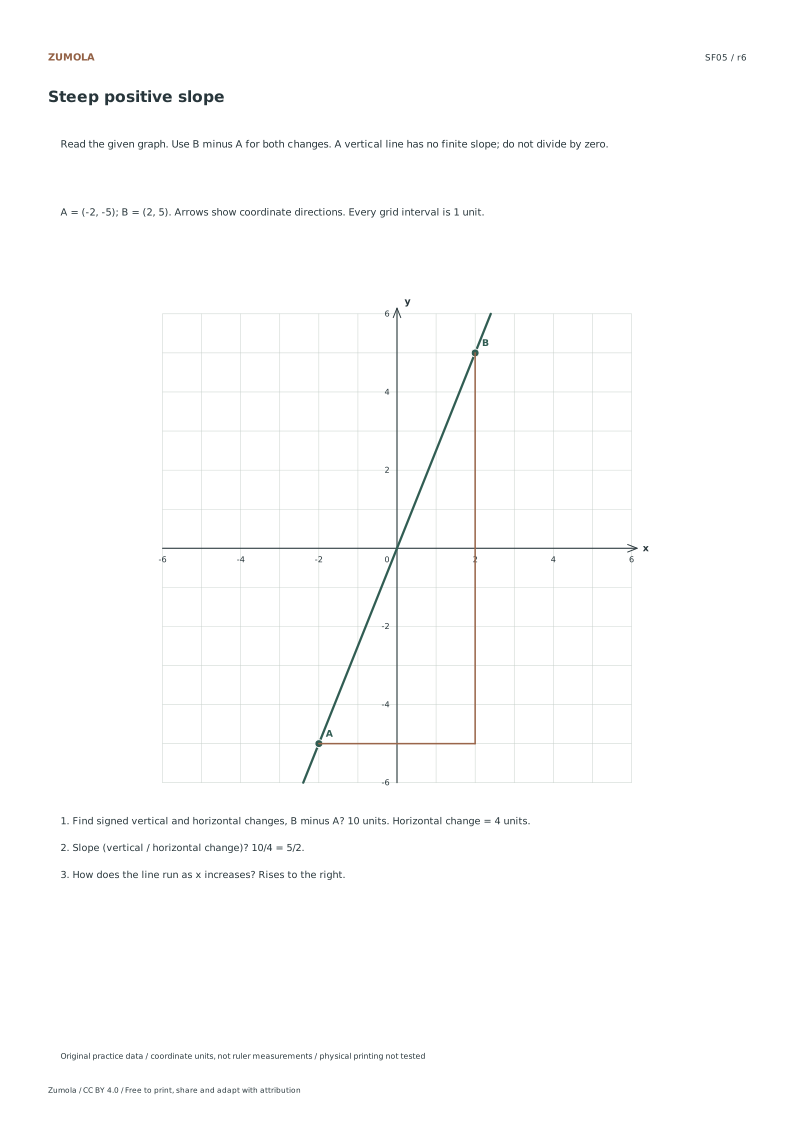
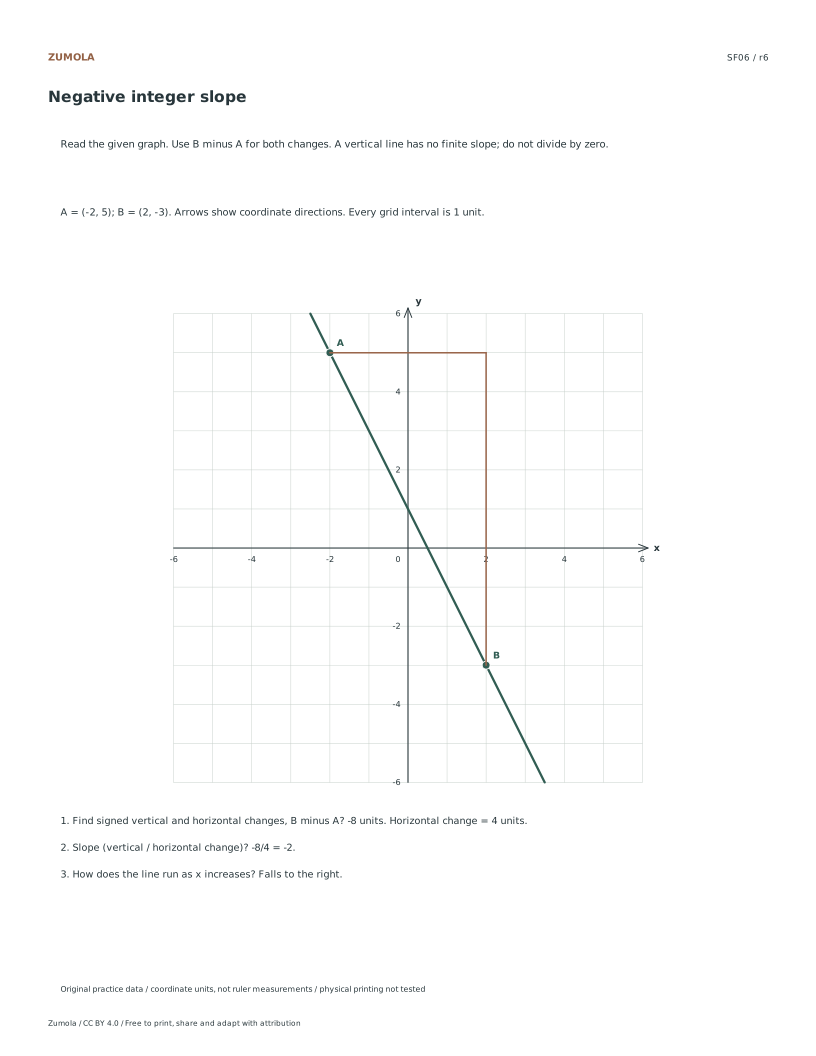
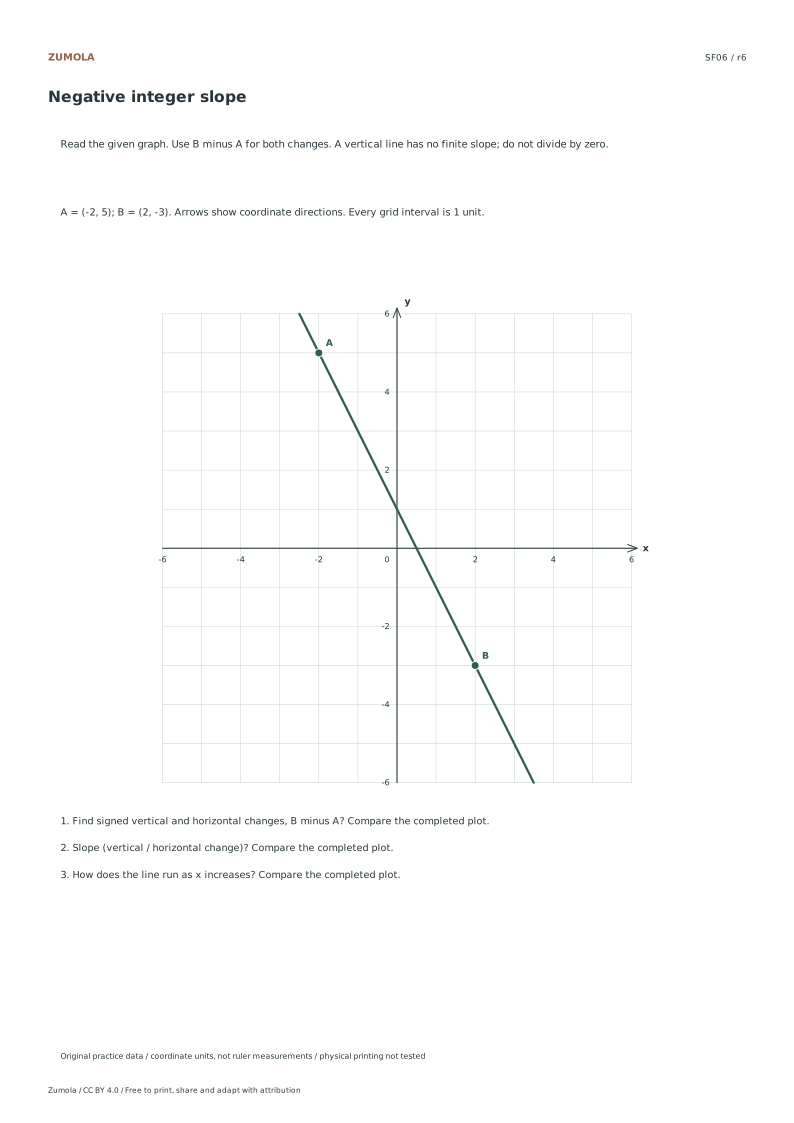
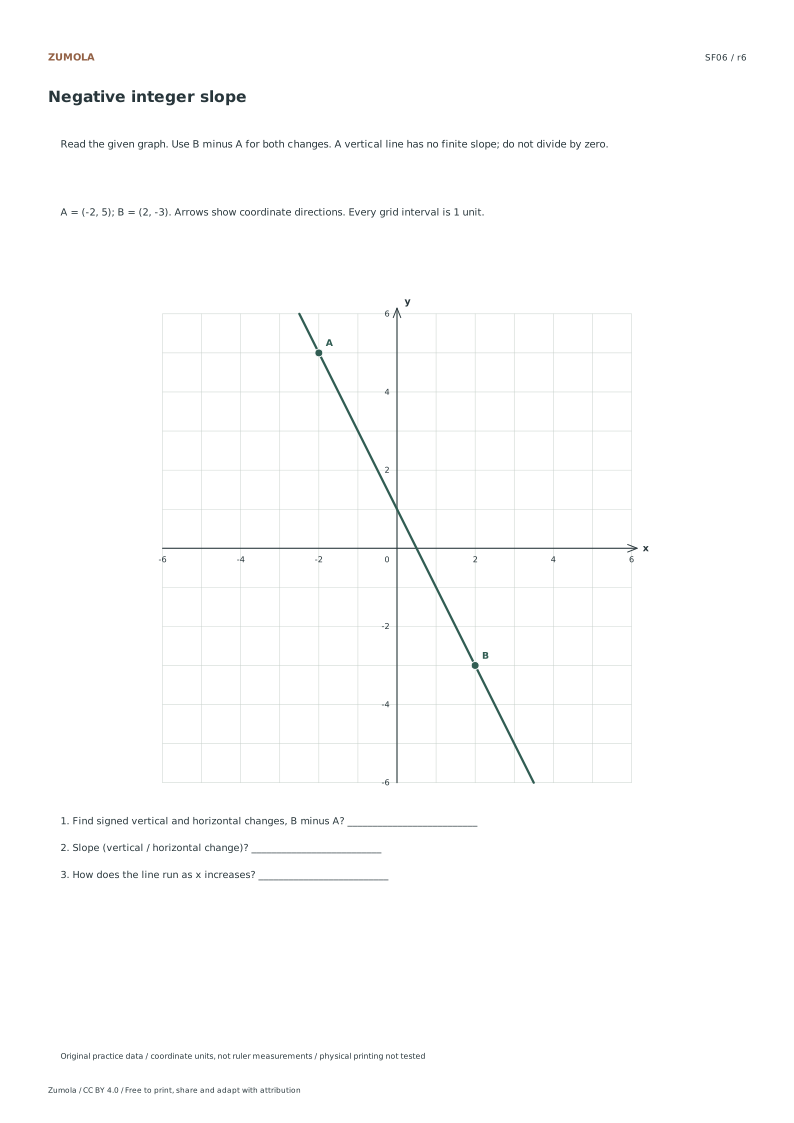
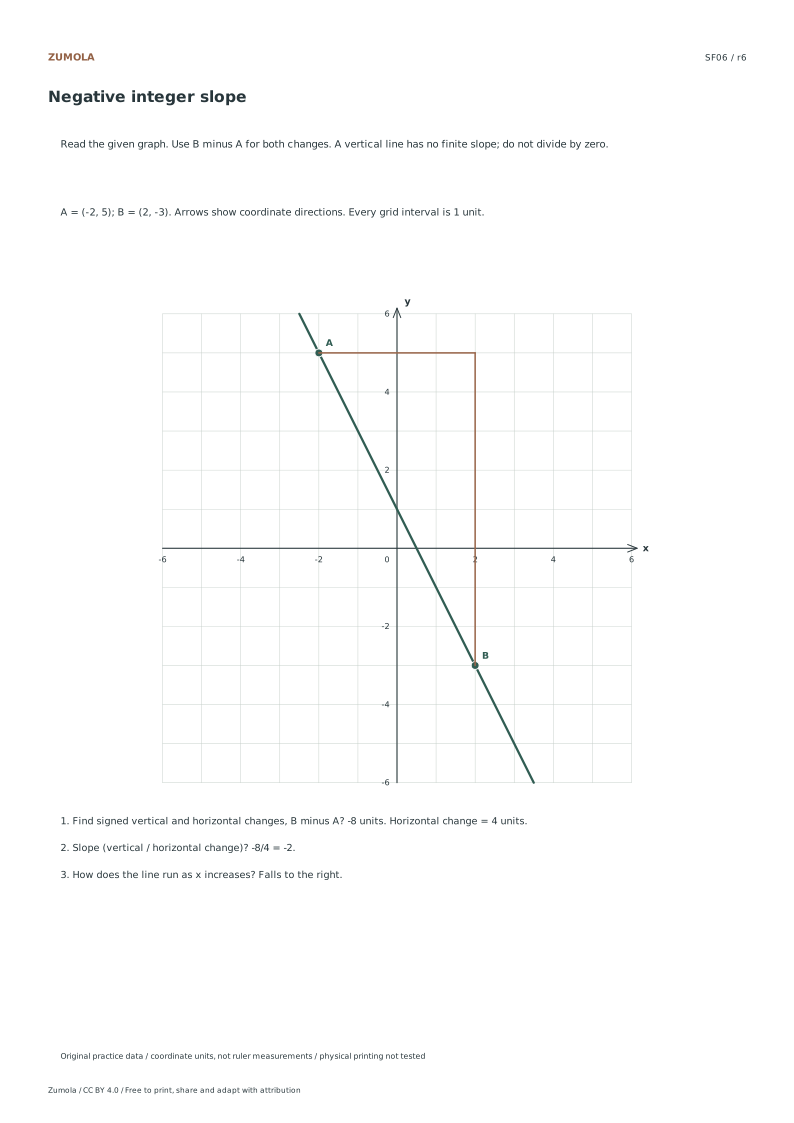
Read the two marked points Start with the coordinate pairs printed above the graph, then find their A and B markers. In SF01, A is (-4,-3) and B is (2,1). From A to B the horizontal change is 2-(-4)=6 and the vertical change is 1-(-3)=4. Their ratio is 4/6=2/3. The pale square grid helps count those changes, but the numerical labels define the units. A line that looks steeper is not automatically an integer-slope case. Read and calculate before comparing the separate answer.
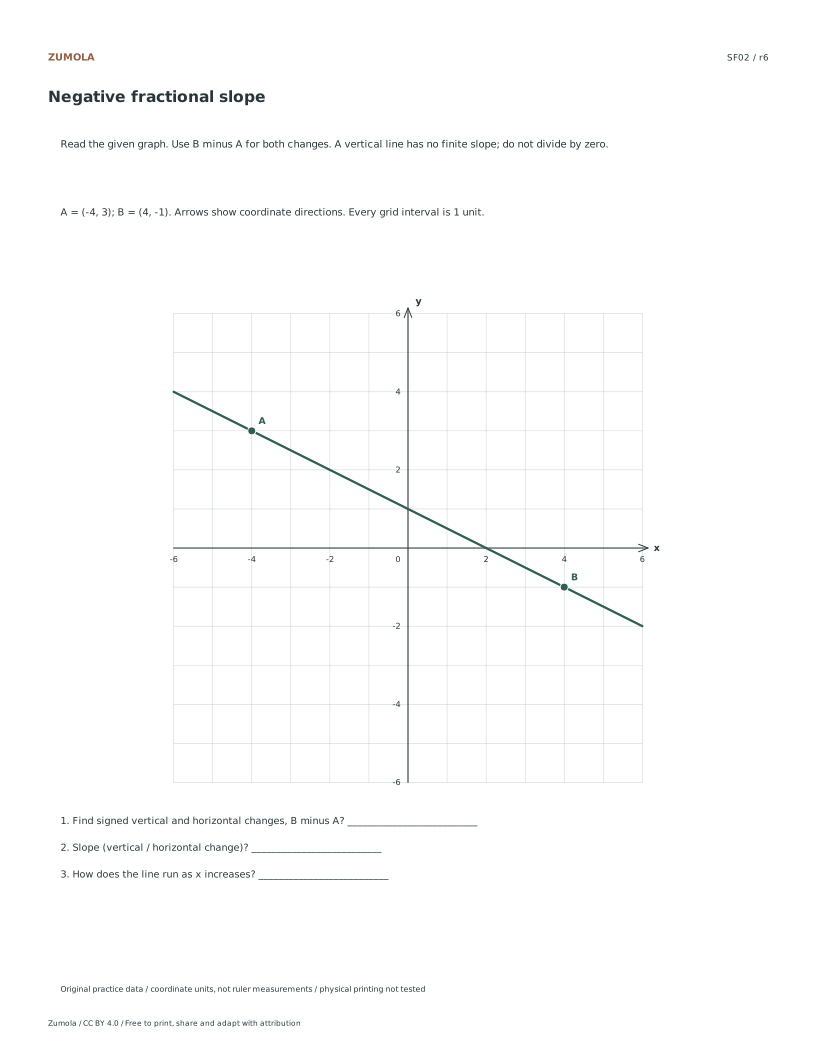
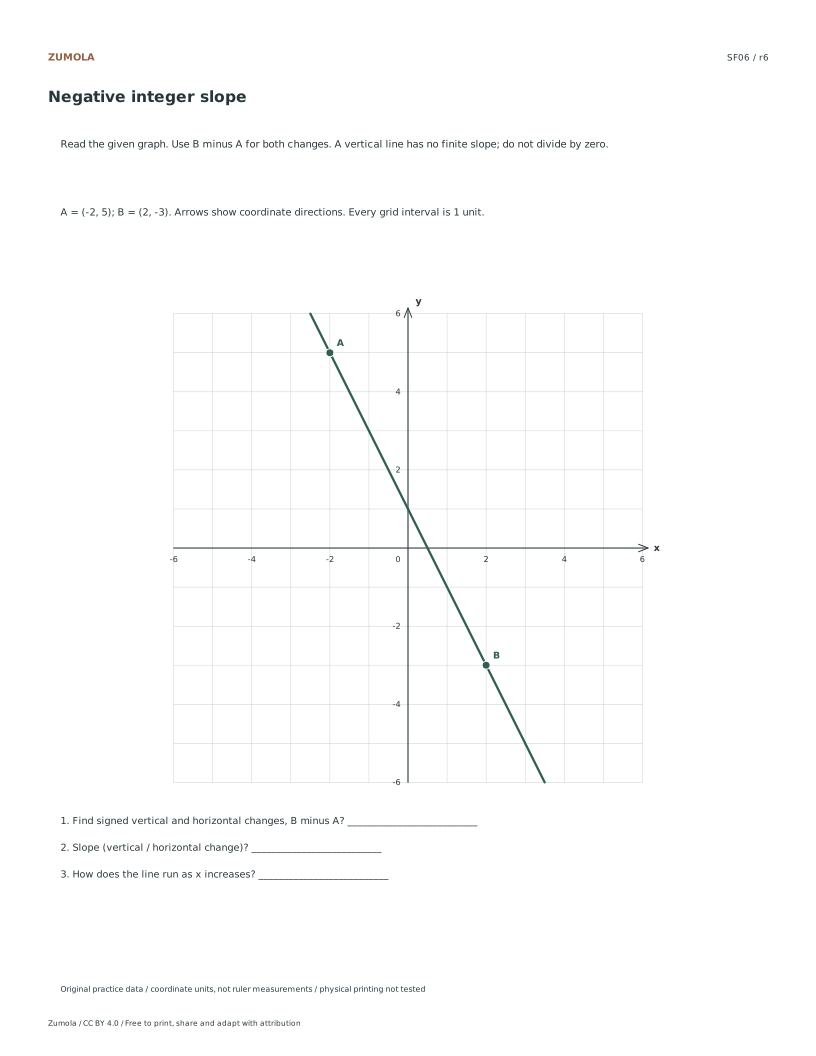
Applying the Signed Change Formula Calculate the slope using the signed change in y divided by the signed change in x. Maintain the same subtraction order for both coordinates to ensure accuracy. For example, subtract the y-coordinate of point A from point B, and do the same for the x-coordinates. This method works for all six cases including positive and negative fractional slopes. Remember that the sign of the result depends on the direction of the line. Consistent application of this formula prevents errors when dealing with negative coordinates or steep lines. Always verify that the numerator and denominator reflect the correct directional changes between the two endpoints.
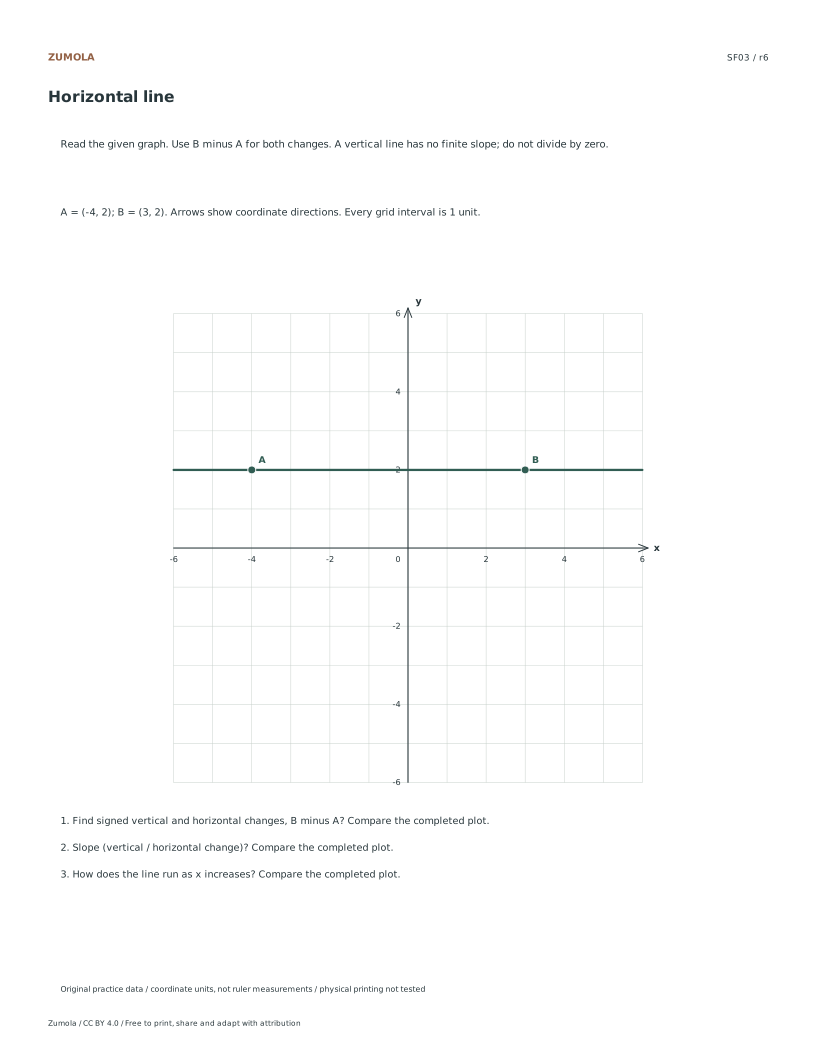
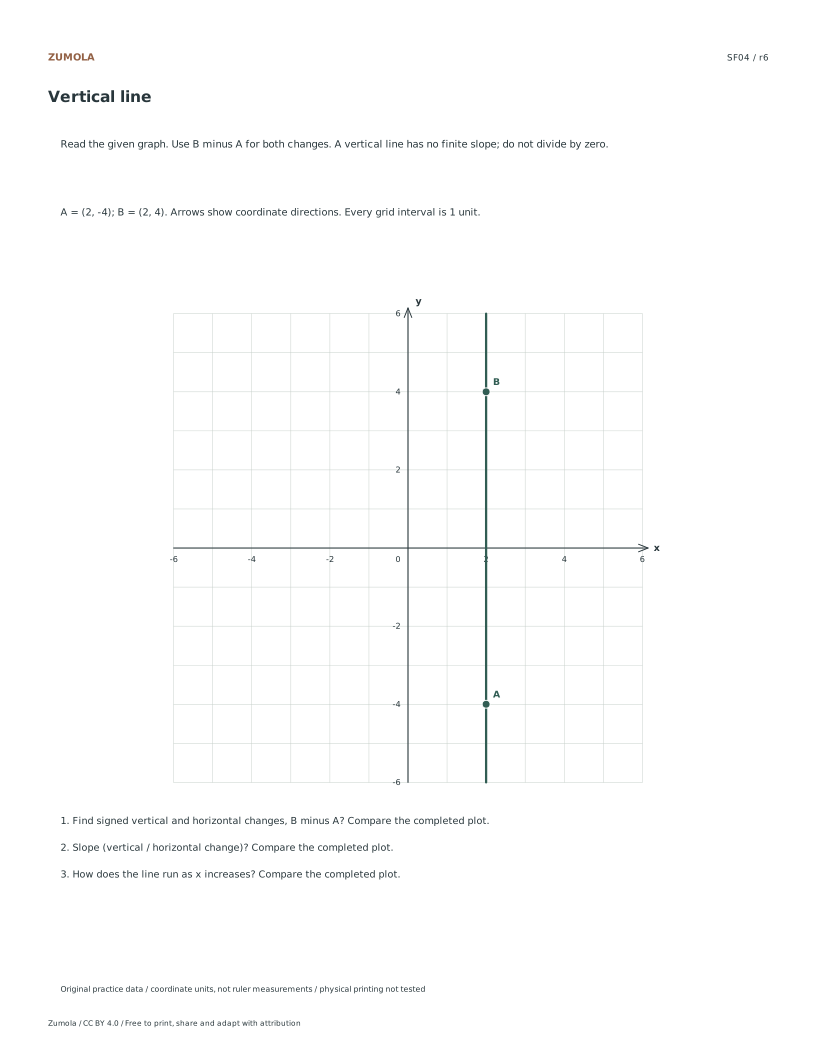
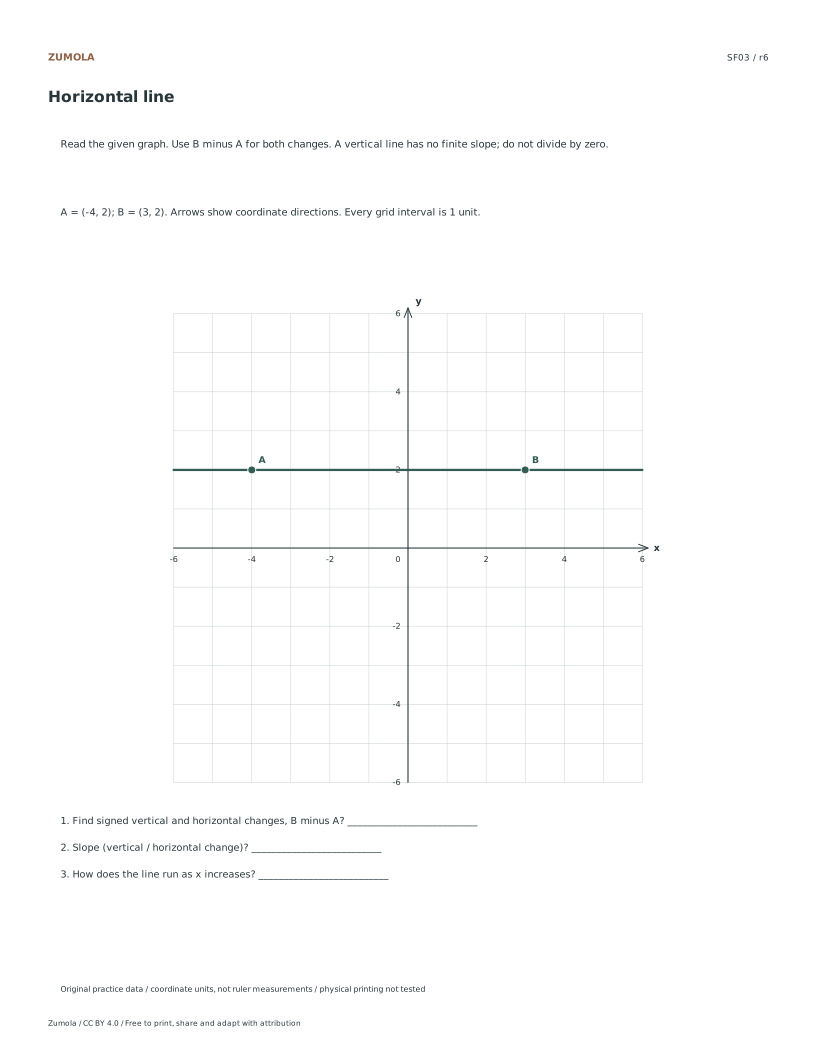
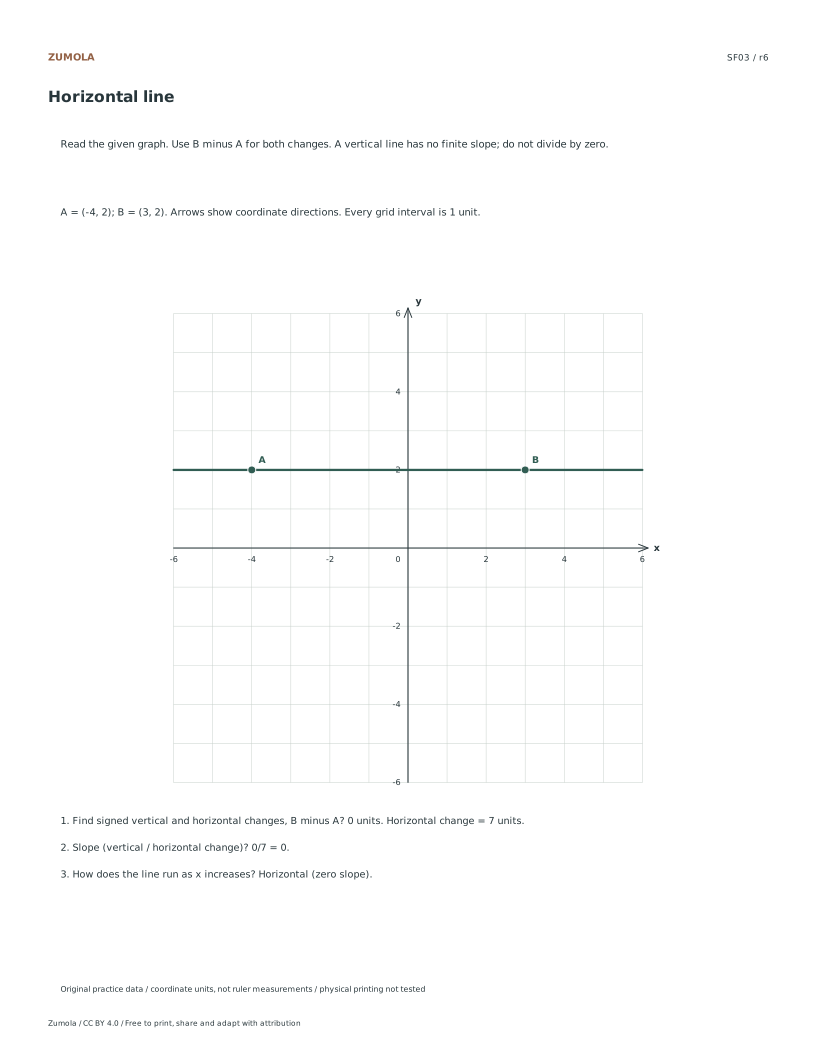
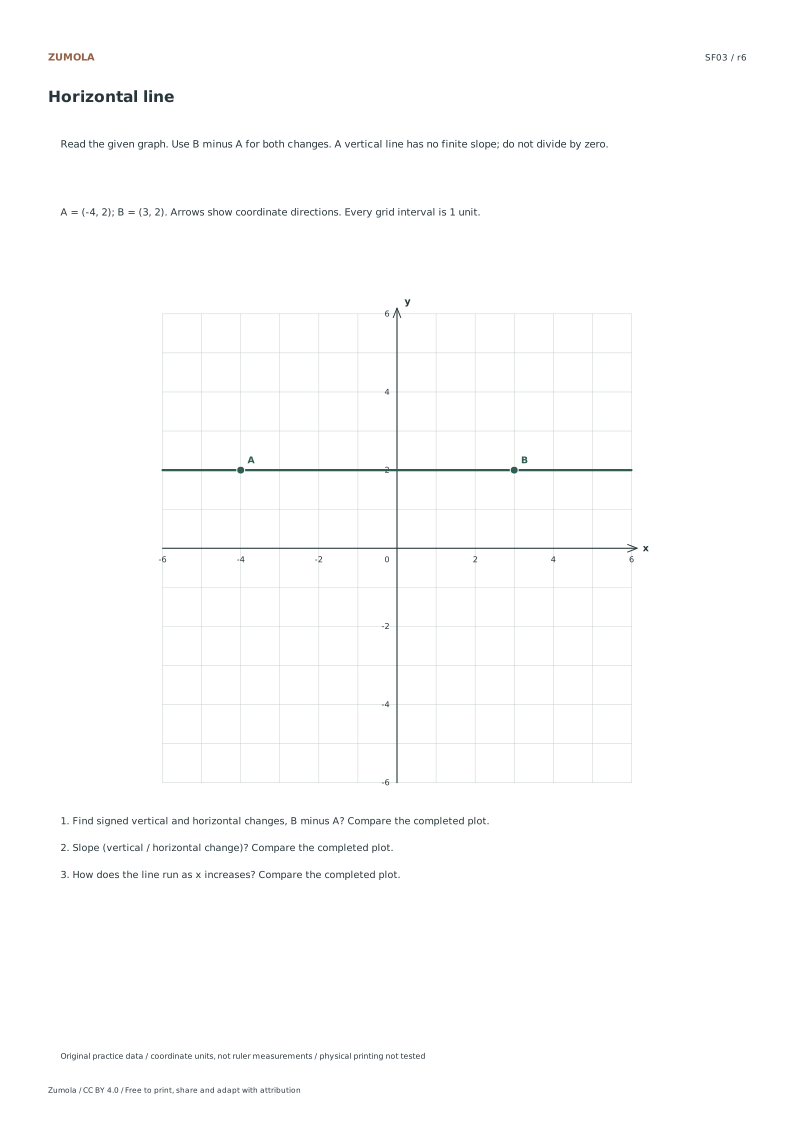
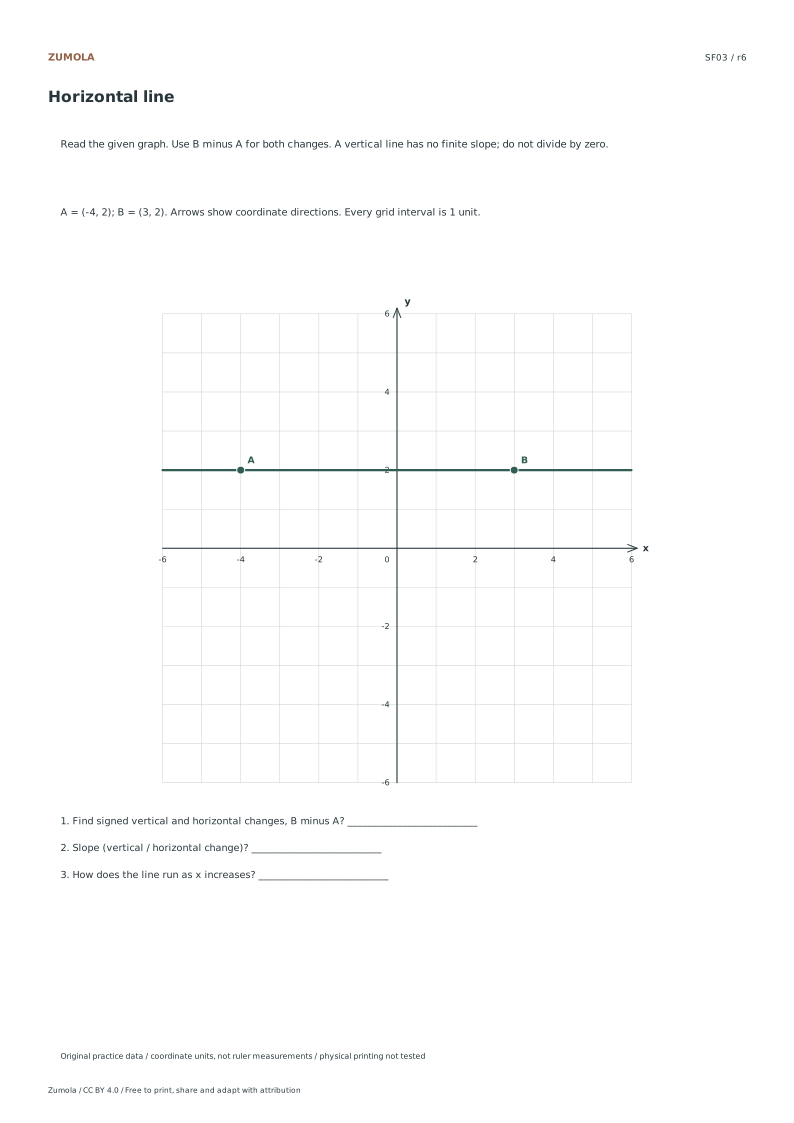
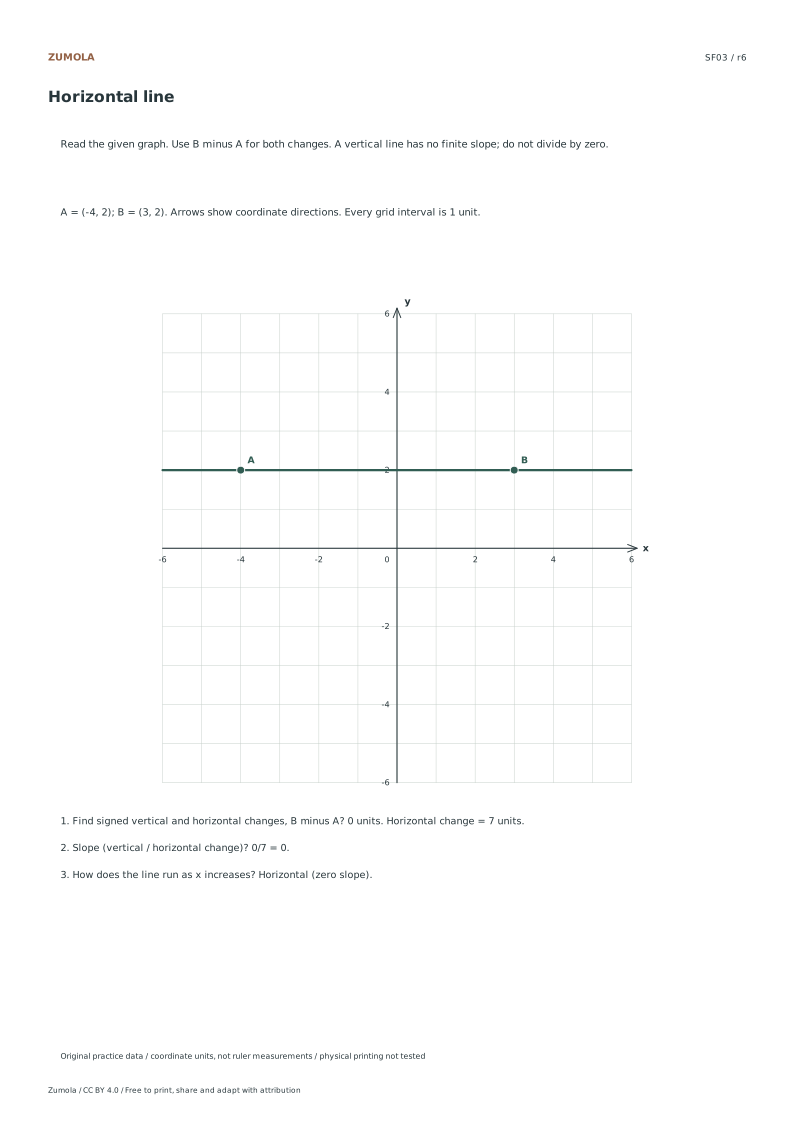
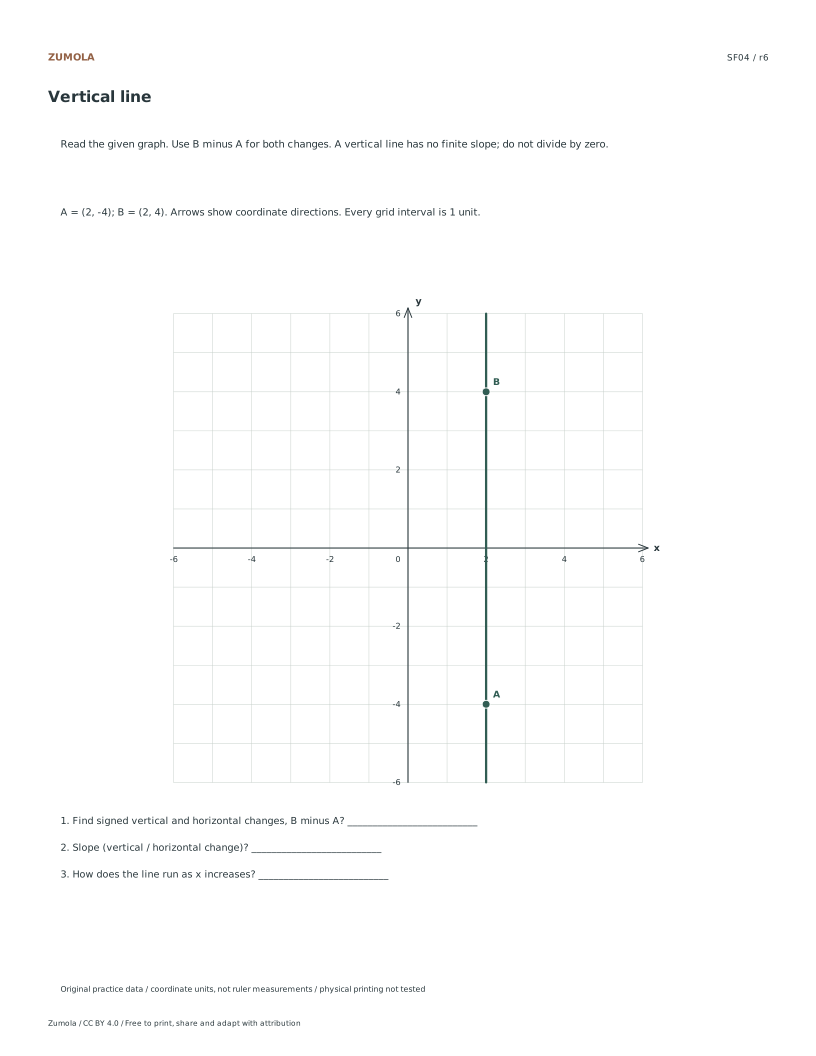
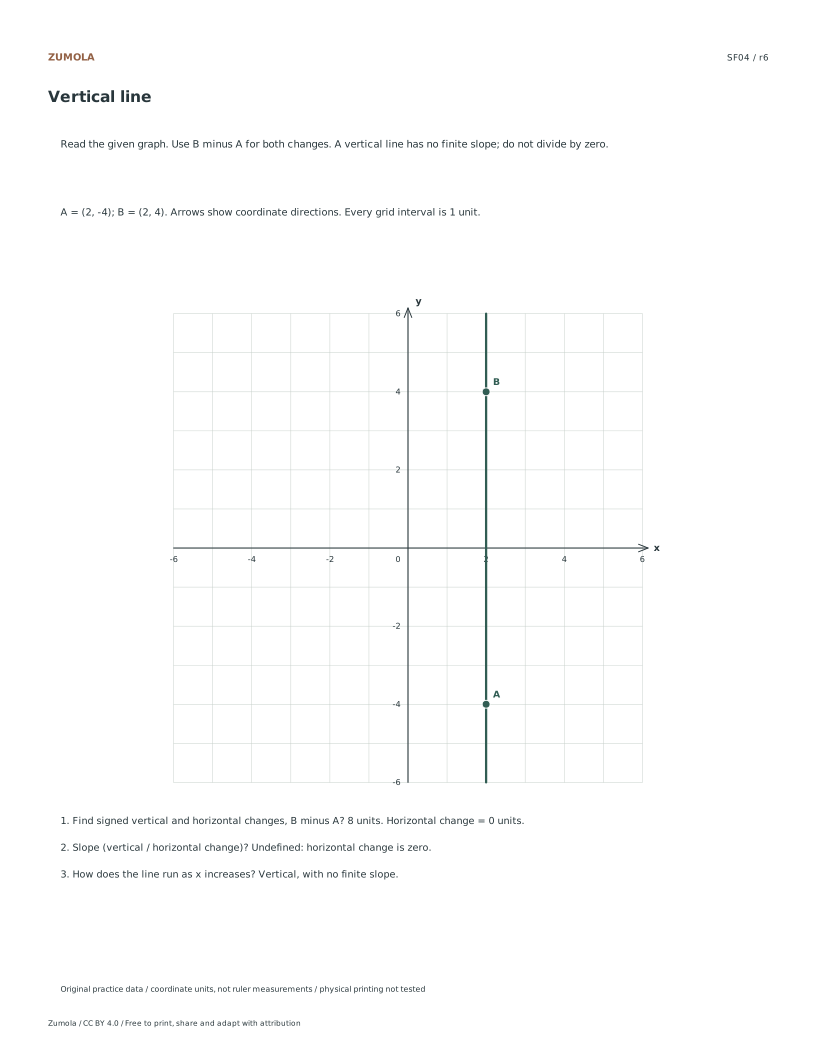
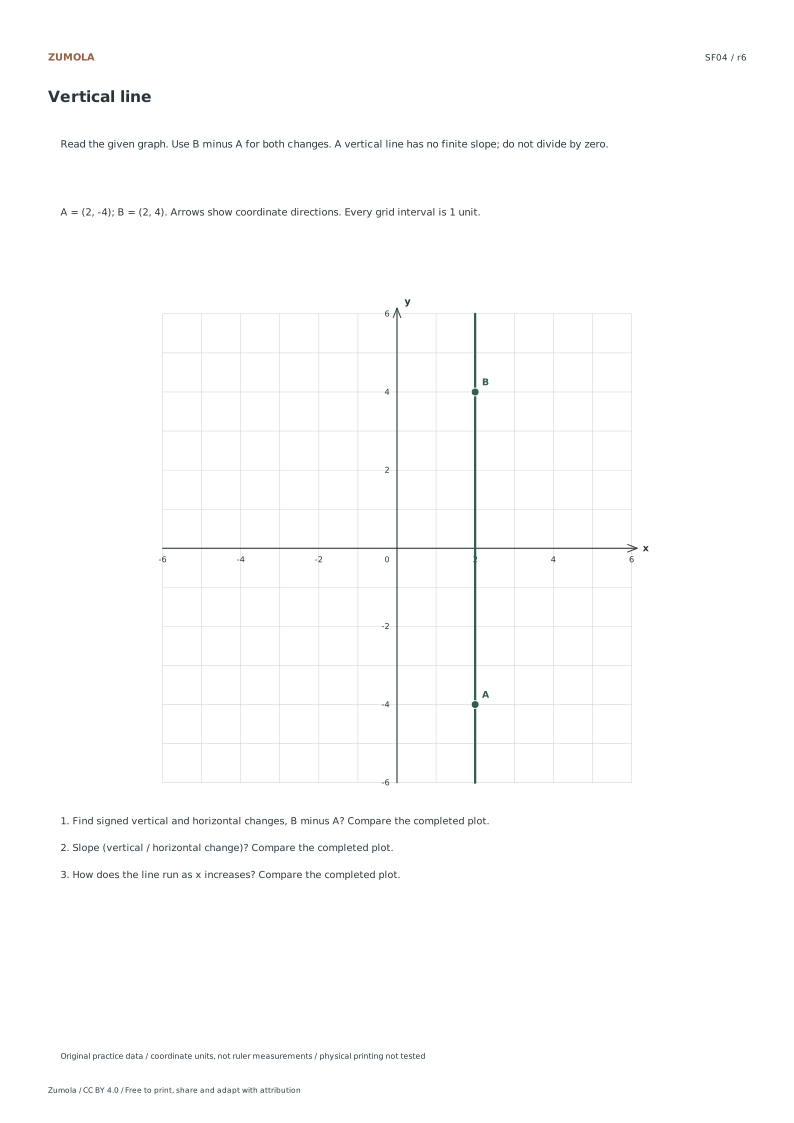
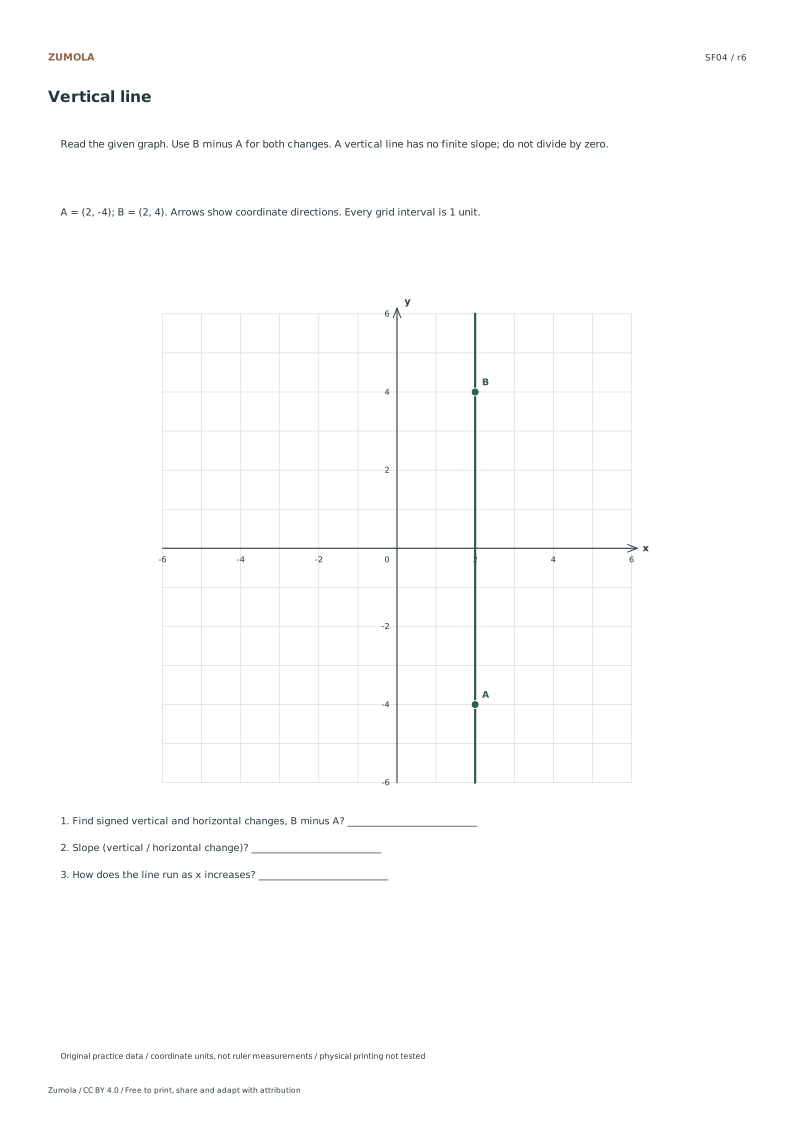
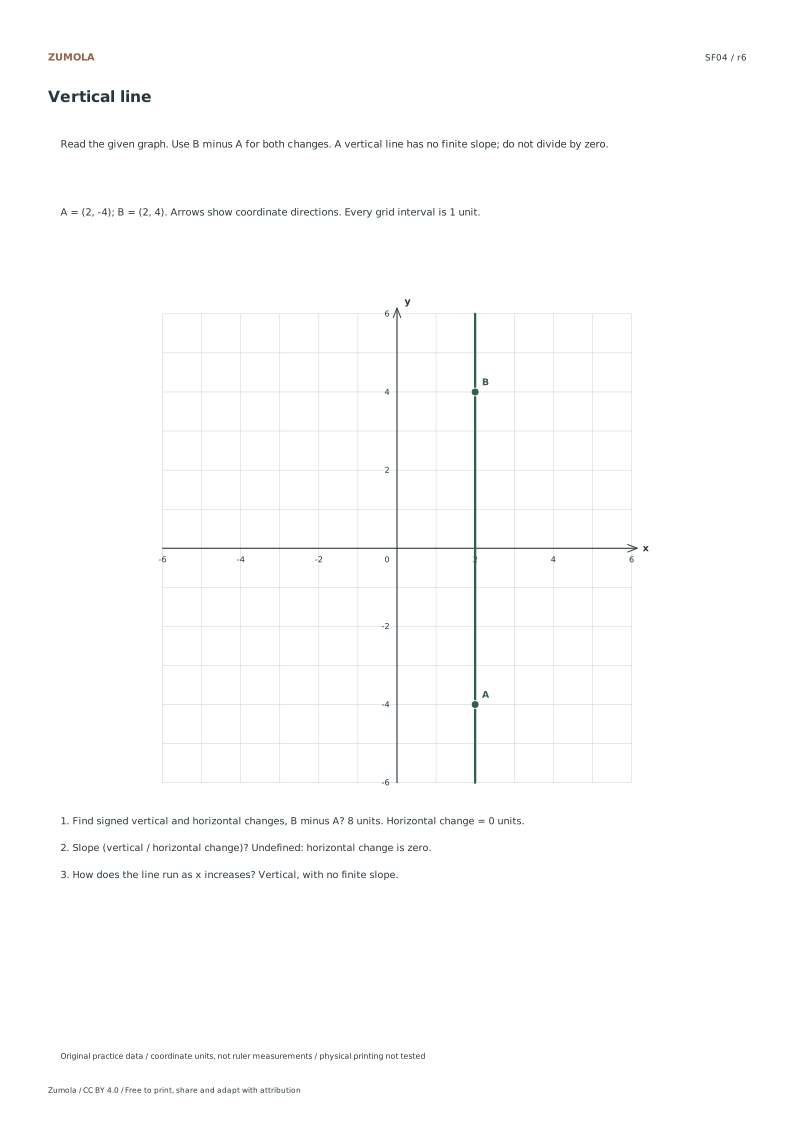
Handling Special Vertical and Horizontal Cases Address the unique properties of horizontal and vertical lines separately from standard diagonal calculations. For horizontal lines, the change in y is zero, resulting in a slope of zero when the two x-coordinates differ. For vertical lines, the change in x is zero, making the slope undefined because division by zero is not possible. Do not attempt to calculate a finite value for vertical lines. Recognize these cases immediately to avoid mathematical errors. The reference sheets provide specific guidance for these scenarios, ensuring you correctly identify zero and undefined slopes without relying on numerical division that would fail.
Checks that catch common errors
Watch for
Check instead
Reading slope from millimeters on the printed page
Use the numerical axis scales provided in the digital units, as physical printer scaling varies and does not affect the mathematical answer.
Using inconsistent subtraction order for x and y
Always subtract the first point from the second point for both coordinates to maintain the correct sign and direction of the slope.
Calculating a finite value for vertical lines
Recognize that vertical lines have zero run, meaning the slope is undefined, not zero or infinite in a calculable sense.
Keep the labels and margins readable
Choose the Letter or A4 file that matches your paper. Actual size / 100% preserves the designed layout; a different uniform print scale changes physical lengths but does not change the listed numbers or the arithmetic. Keep the whole chart and all labels inside the printable area. A ruler can help draw straight segments, but calculate from the stated numerical scale.
These files have digital geometry, arithmetic and page-boundary checks. Physical printer and classroom trials have not been completed. The resources are practice material, with no claim of curriculum certification or precision-instrument accuracy. The original files use CC BY 4.0: credit Zumola, link the license and indicate changes.
Useful answers
Why is a vertical slope undefined rather than zero?
The horizontal change is zero. Division by zero does not define a finite slope. A horizontal line instead has zero vertical change and nonzero horizontal change, giving slope zero.
Can I subtract A minus B instead?
Yes, if you reverse both coordinate differences. Both signs change, so the quotient stays the same. Reversing only one difference changes the sign incorrectly.
Do I need to measure a line angle?
No. These tasks use the labeled coordinate differences. An angle measured from the physical paper is not a substitute for the ratio of the numerical axis changes.
Are the answer files and editable graphs free?
Yes. Reference, student and worked-answer files are all free without an account. Single sheets include PDF and SVG; collection packs are PDF files. Analytics consent is not required to download.
Optional Google Analytics helps us understand which free resources are useful. It is off until you allow it. Drawing tools and downloads work with either choice. Privacy details