Free line control exercises

A few deliberate lines.
A useful place to start.

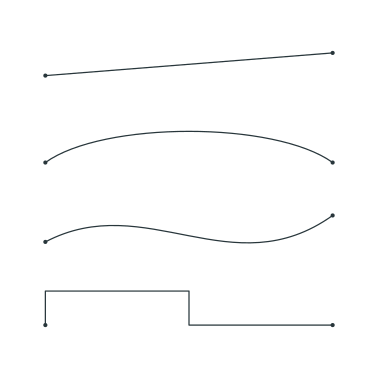
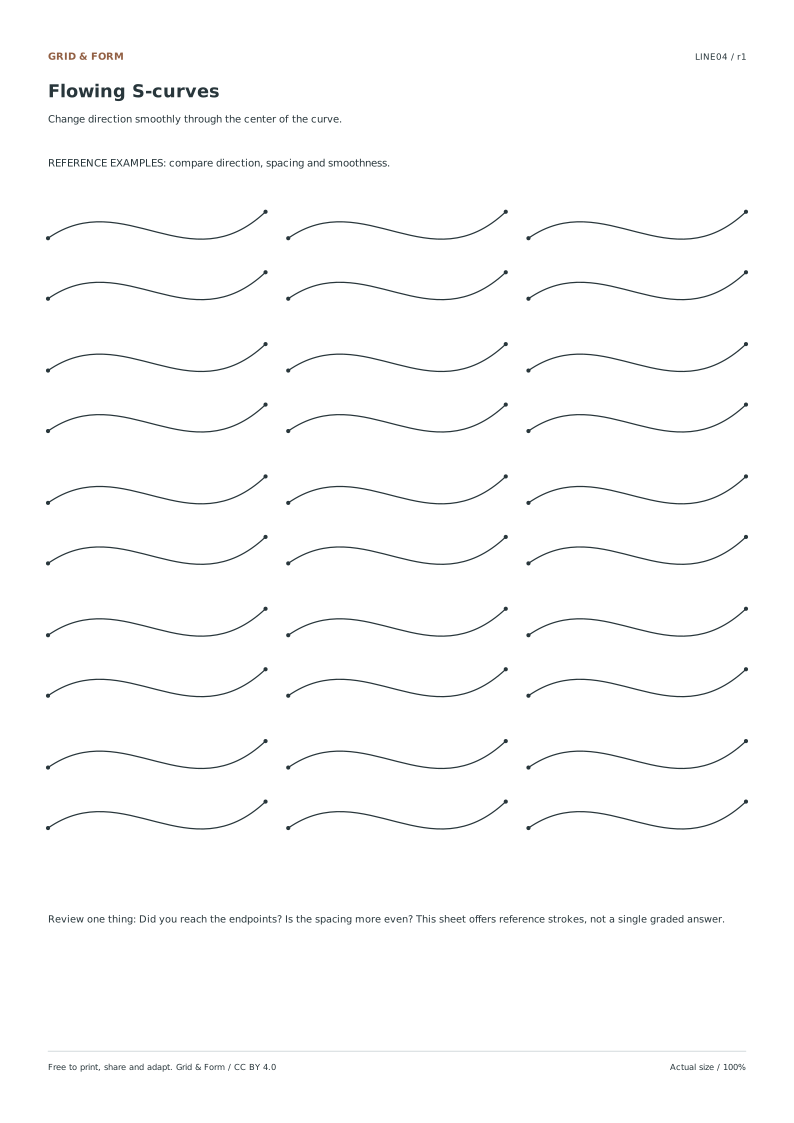
Six printable sheets for reaching endpoints, keeping parallel spacing, following curves and turning corners. Use a light guide, repeat in the blank space below, then choose one thing to improve.

6 sheets · 2 starting levels.
15 guided & 15 open attempts per sheet.
Reference strokes included.

Start with the mark you want to practice.

Choose a level
Download paper size

Keep a six-sheet practice set.

A six-page student pack and a six-page reference pack. Each individual sheet is also available below as a PDF or editable SVG.

6 pages per file · free · CC BY 4.0

All paper sizes & editable formats
US Letter
A4

Try one row. Then pay attention.

  1. Make the page comfortable.

    Use a pencil or pen that you already like. Turn the paper to a comfortable angle and leave space for your hand. There is no required grip or drawing tool.

  2. Follow the light guide once.

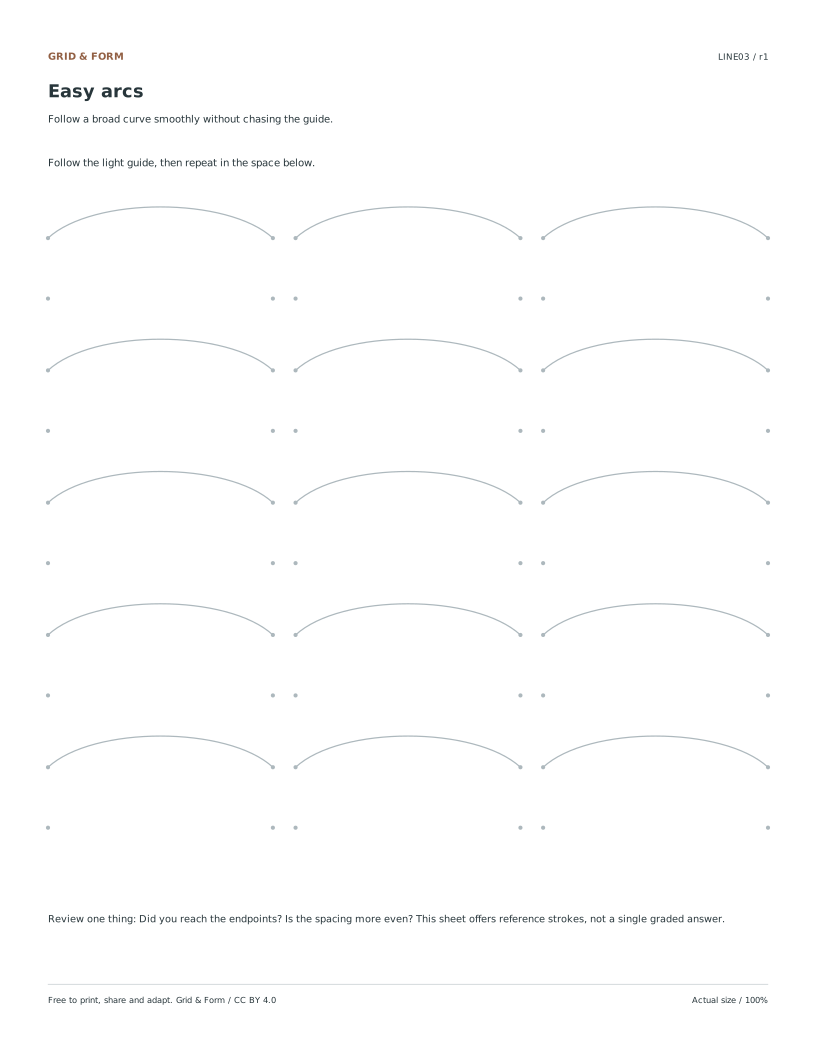
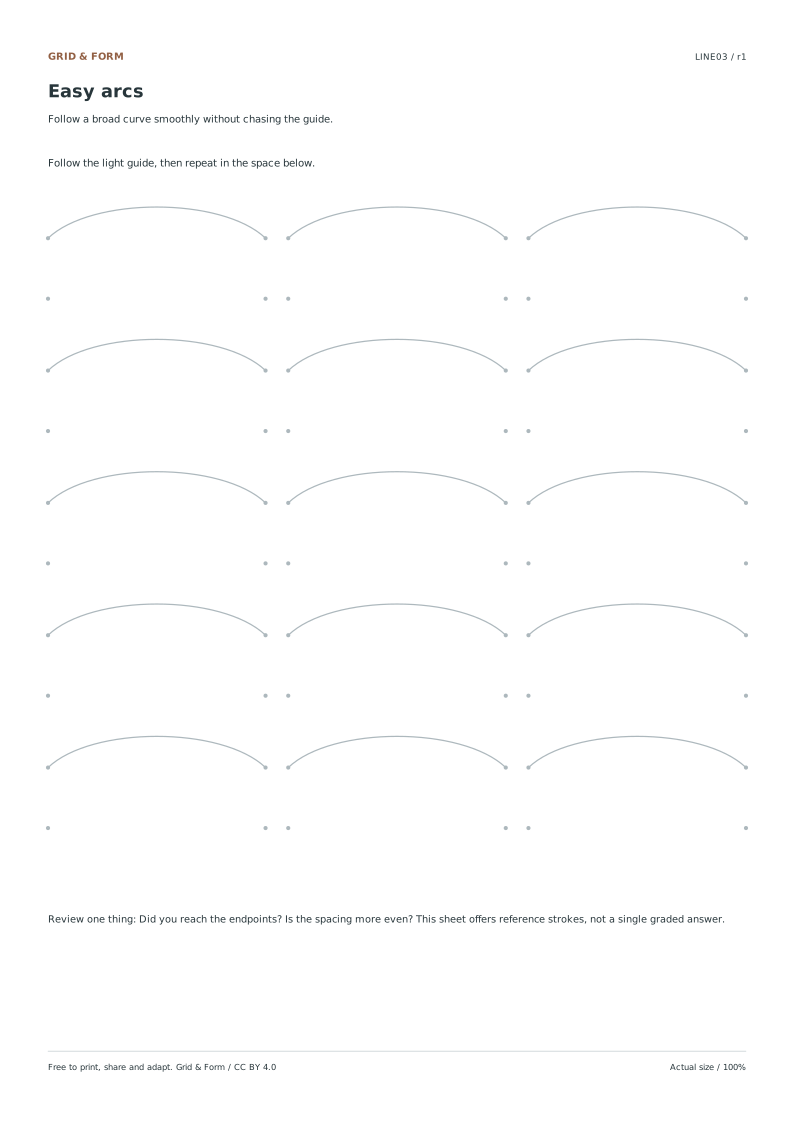
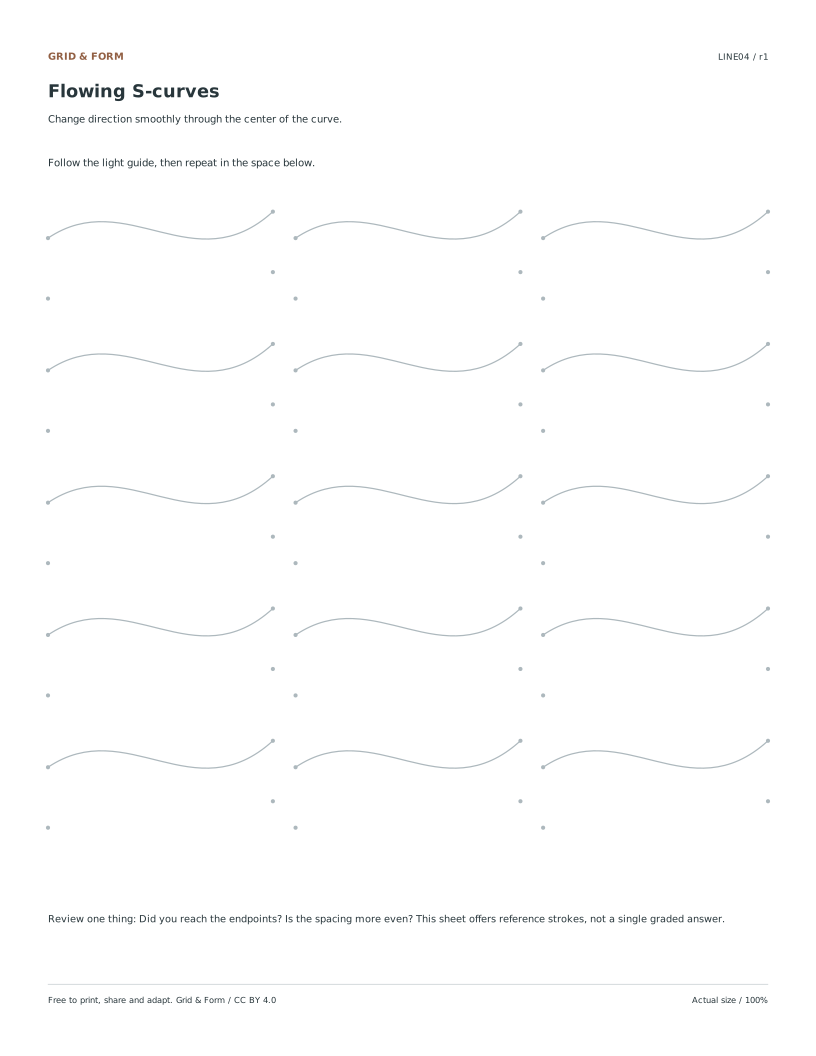
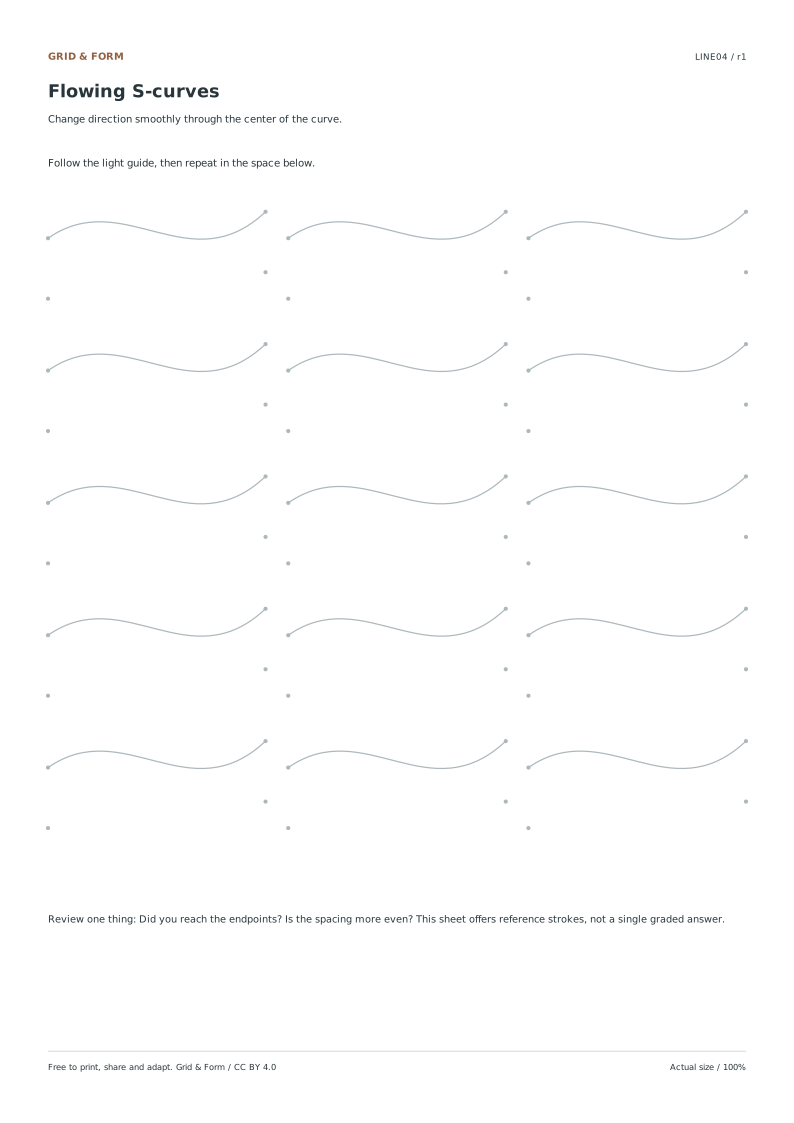
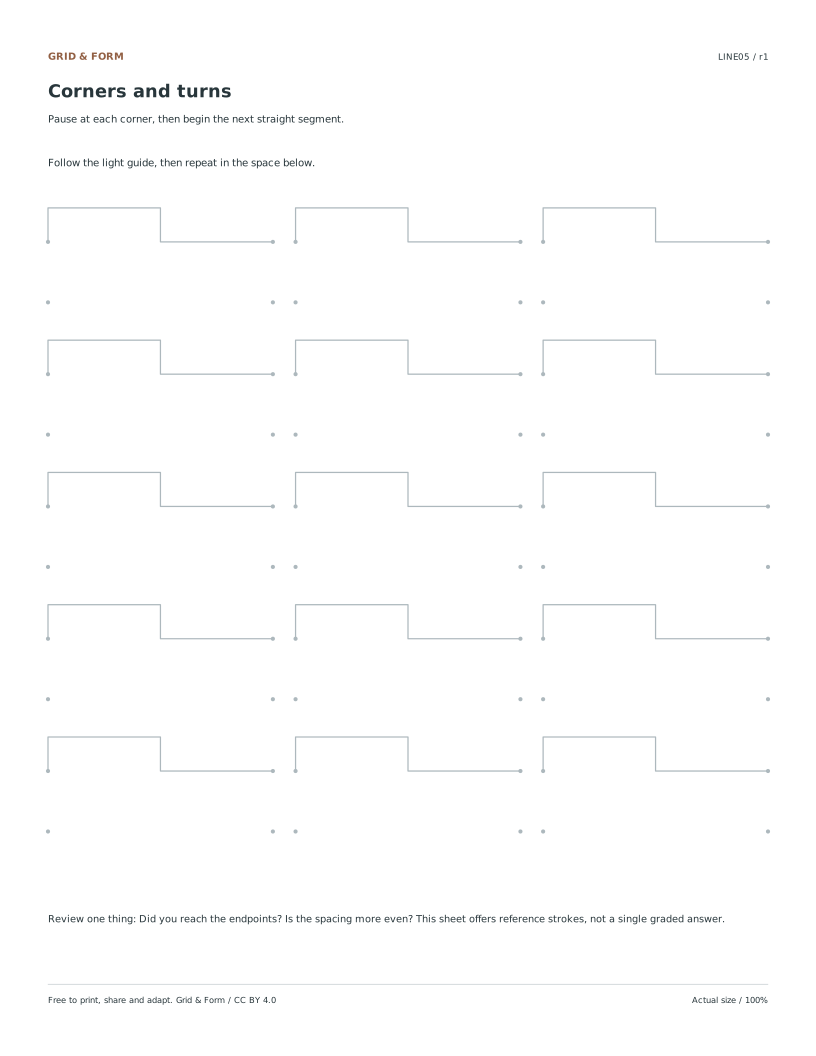
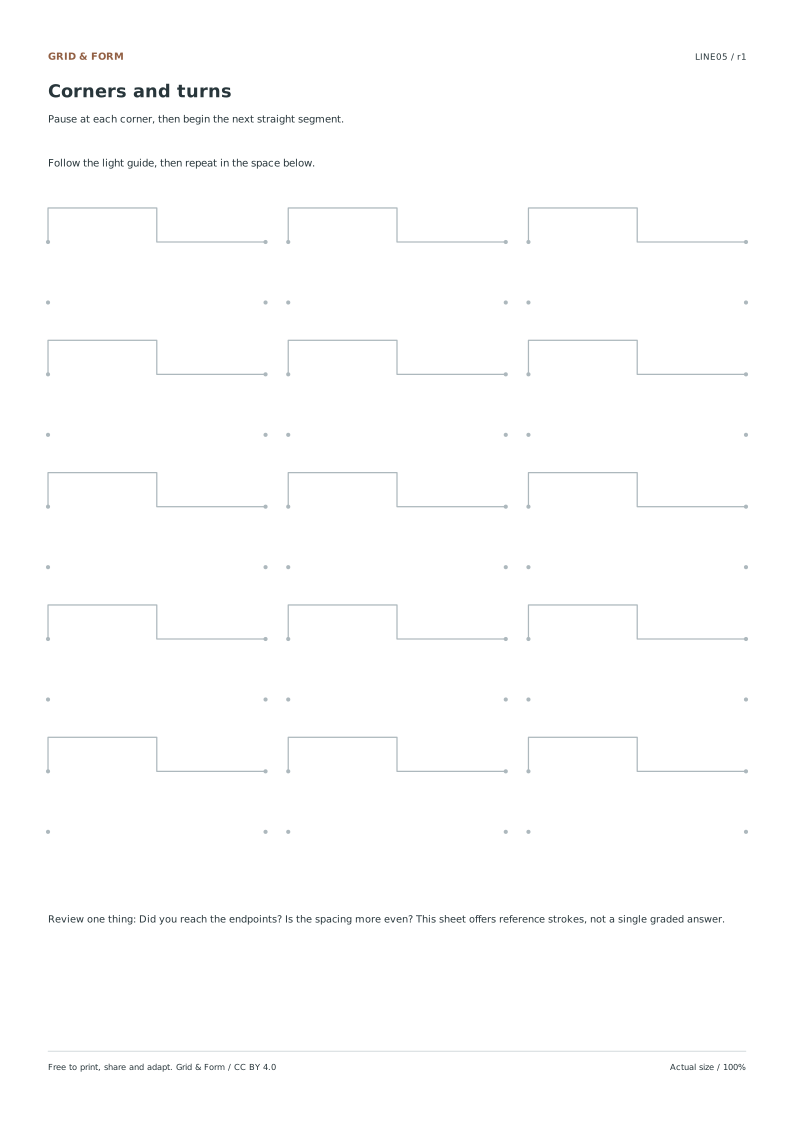
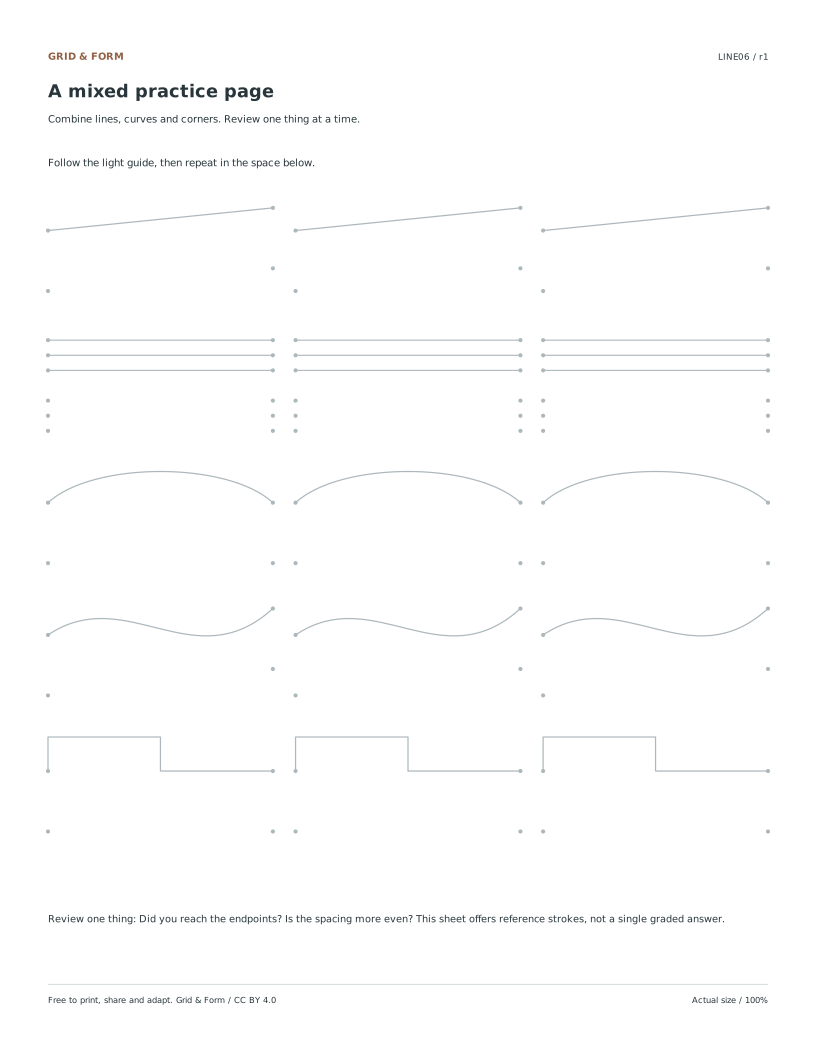
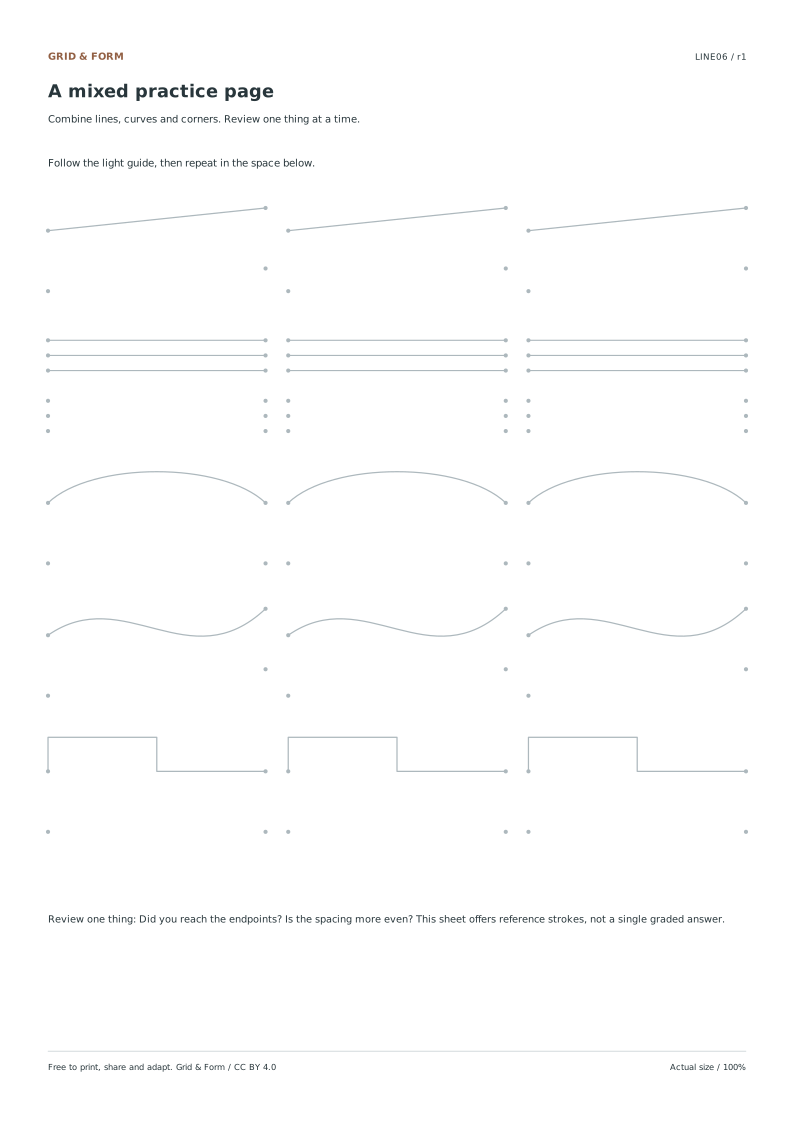
    Treat it as a direction to notice, not a line that must be repeatedly scratched over. The filled points show the intended endpoints.

  3. Repeat in the open space.

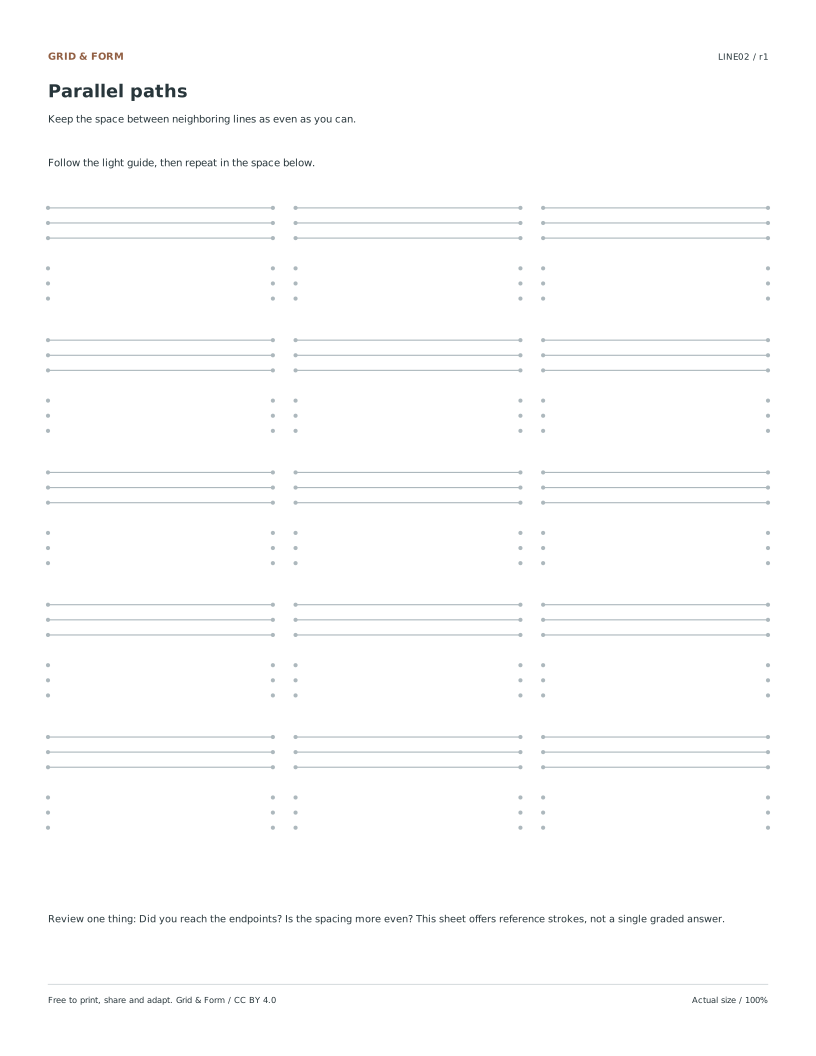
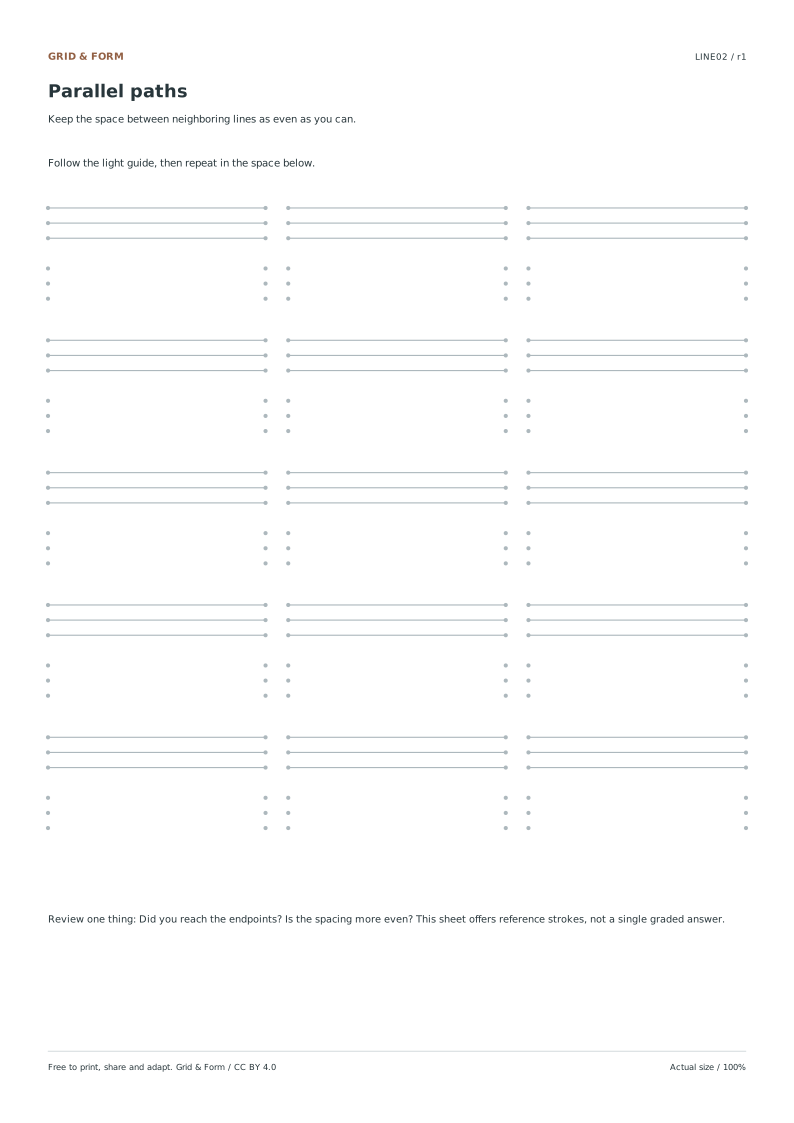
    The points below match the guide’s endpoints. Choose your own path between them, keeping the same general shape.

  4. Pause after a row.

    Look at one feature: endpoint accuracy, spacing, a smooth curve or a clean corner. Name that observation before starting the next row.

A short warm-up, not a test

One observation
is enough.

Try a few minutes before a grid drawing or an isometric exercise. You do not need to finish all six sheets in one sitting.

If the movement feels uncomfortable, stop or change your position. This collection is general drawing practice. It does not assess handwriting, diagnose a difficulty or provide a therapy program.

What should you look for?

PatternA useful observationTry on the next attempt
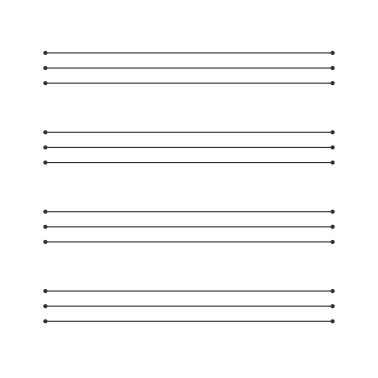
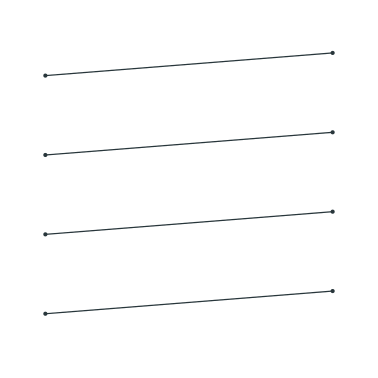
Straight lineDid the stroke reach both points? Did it bow?Look toward the endpoint before moving.
Parallel linesIs the gap similar at both ends?Compare the empty space between the lines.
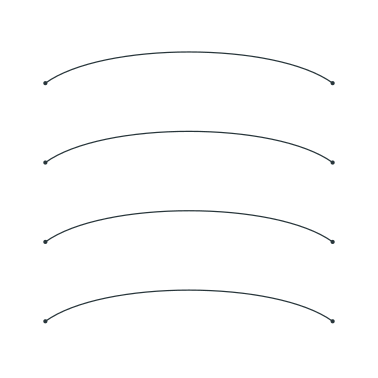
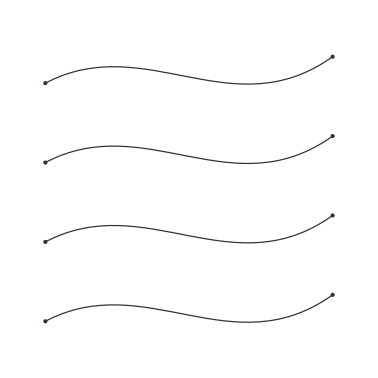
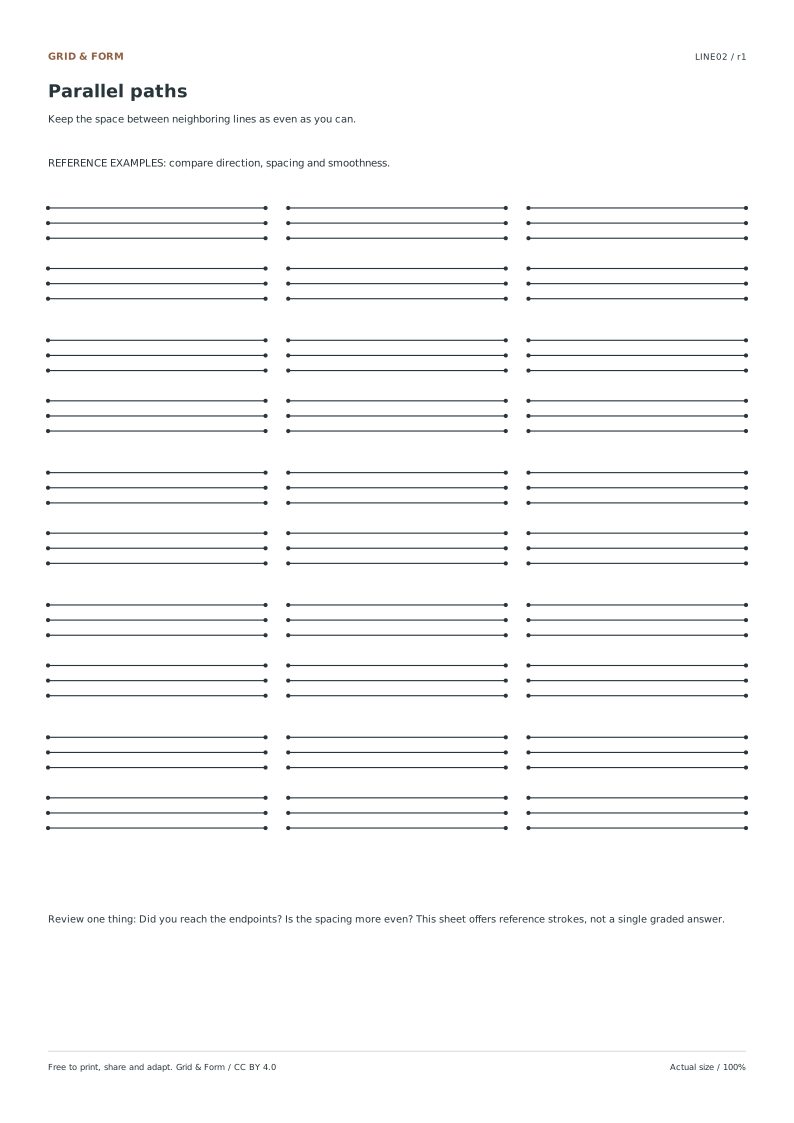
Arc or S-curveIs there a sharp kink or an unintended flat section?Notice the broad direction change before starting.
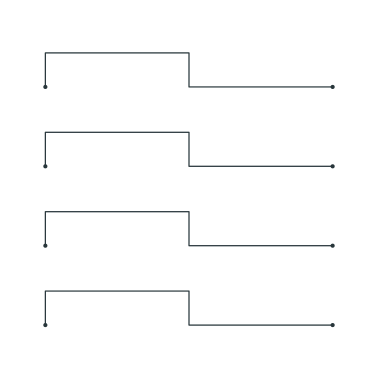
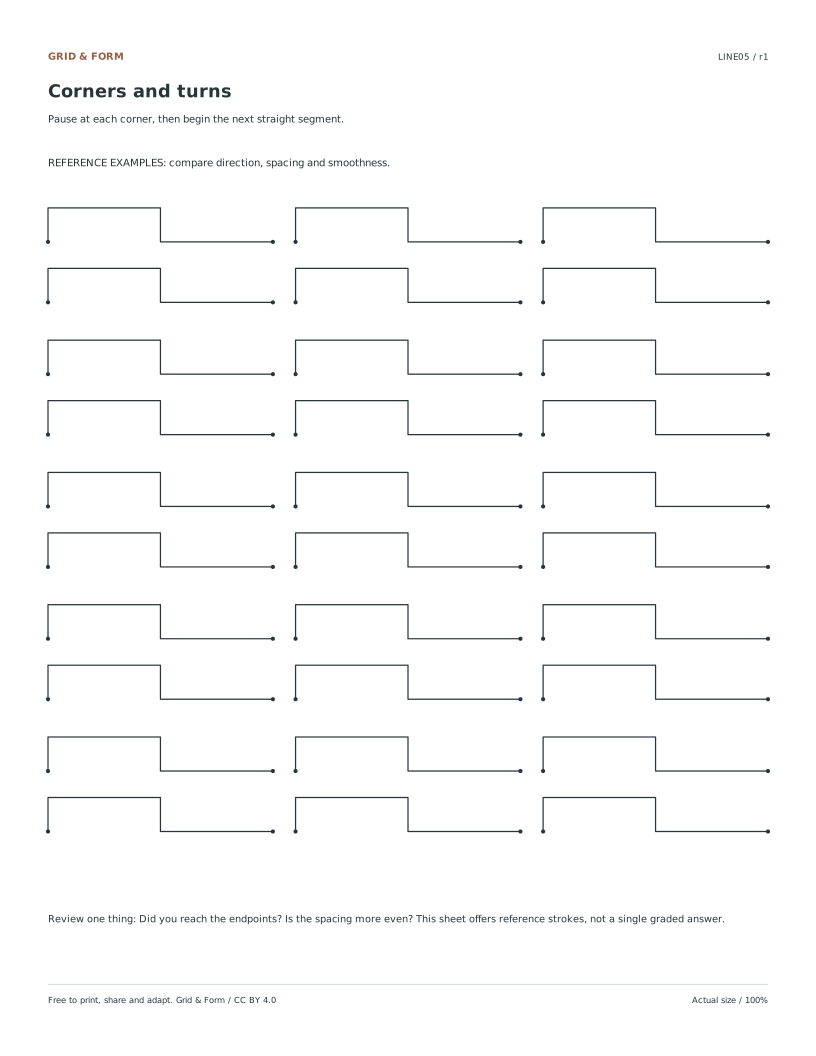
CornersDo the turns occur at the intended positions?Pause at each corner and start a new segment.
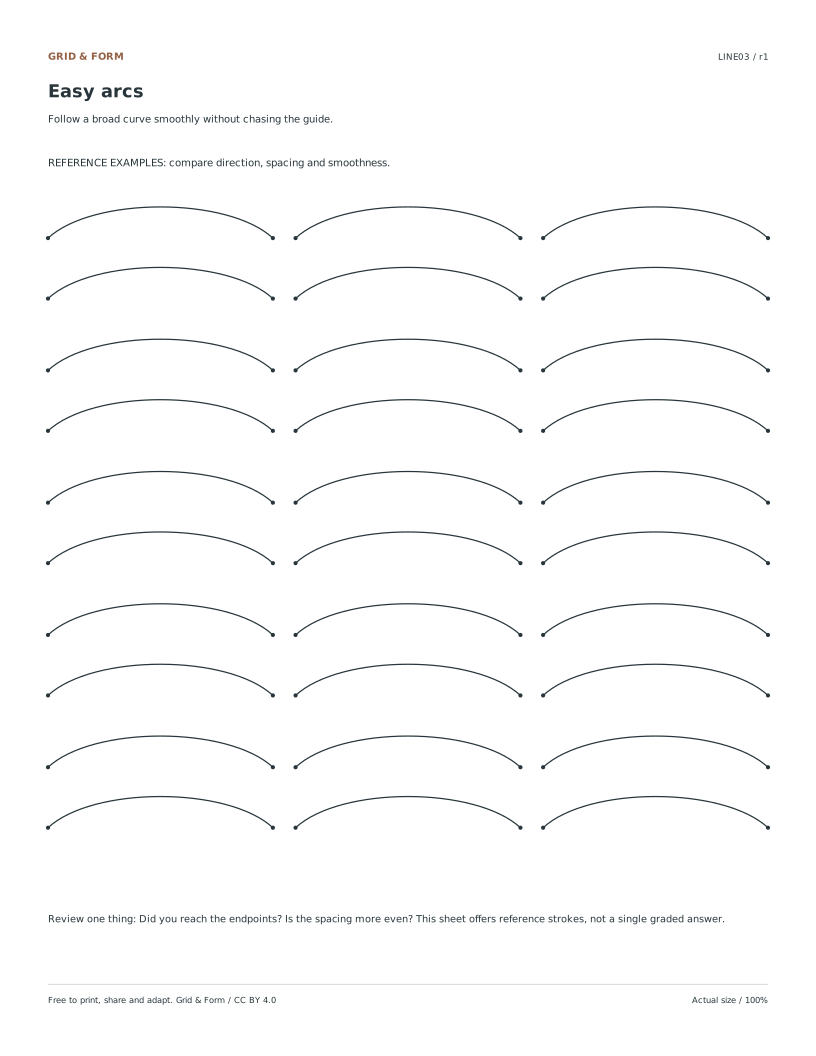
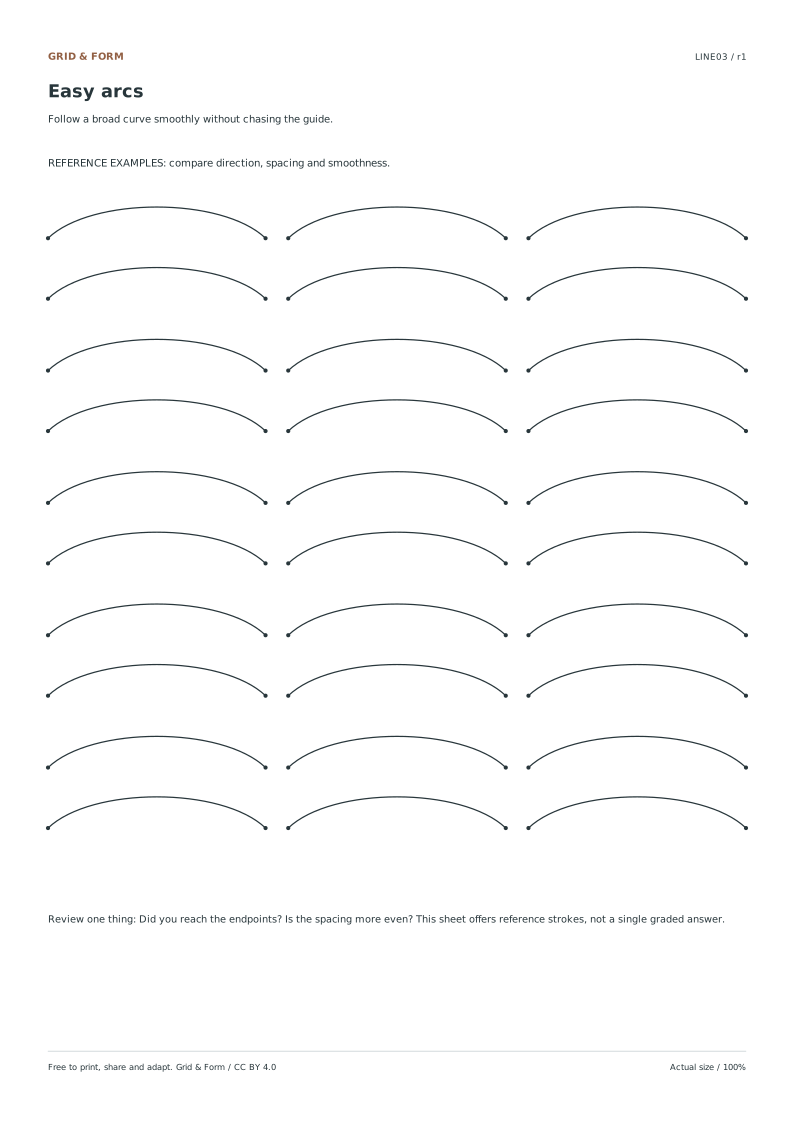
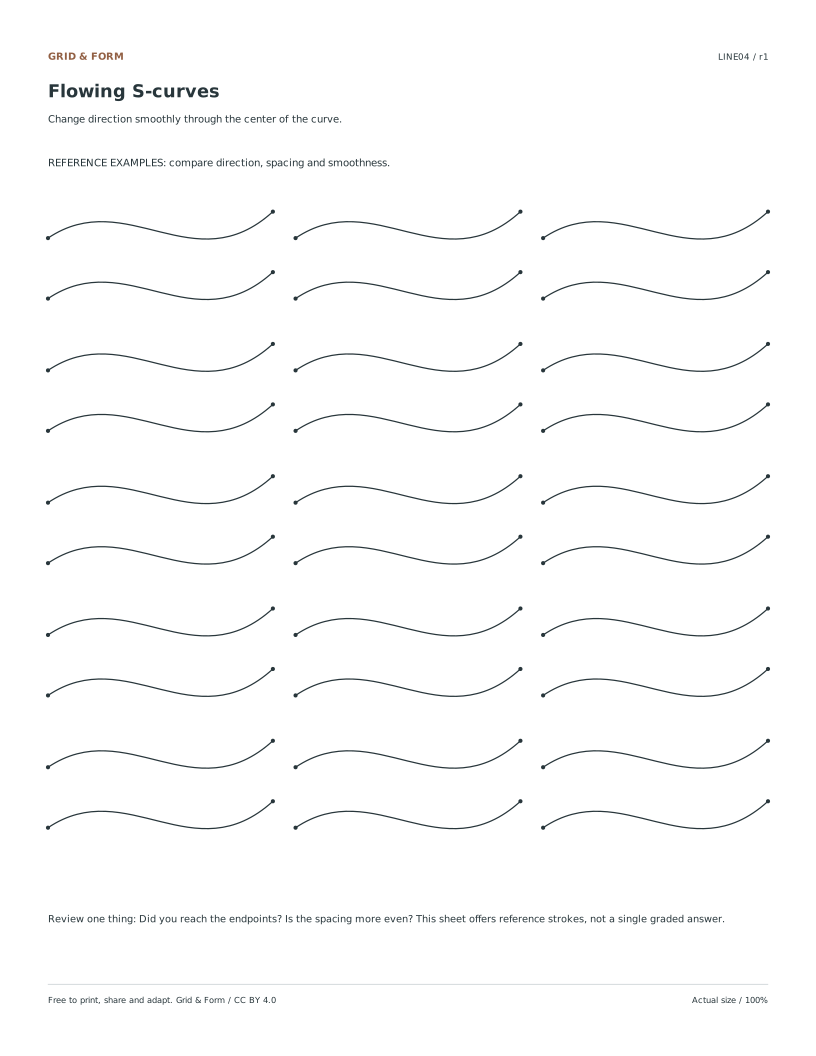
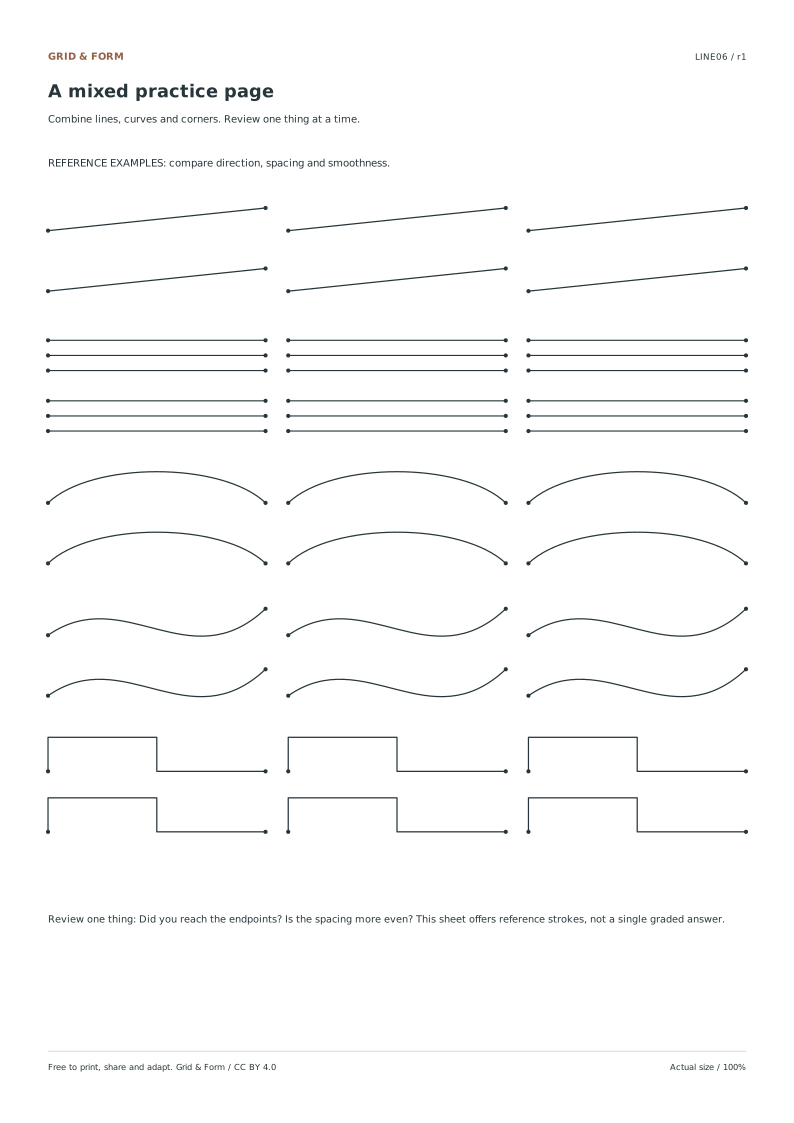
The reference is an example, not a single artistic answer. A freehand curve can differ from the vector guide. Use the page to compare an intention with a result, then make a deliberate next attempt.

A few useful answers

Before you begin

Do these line exercises have answers?

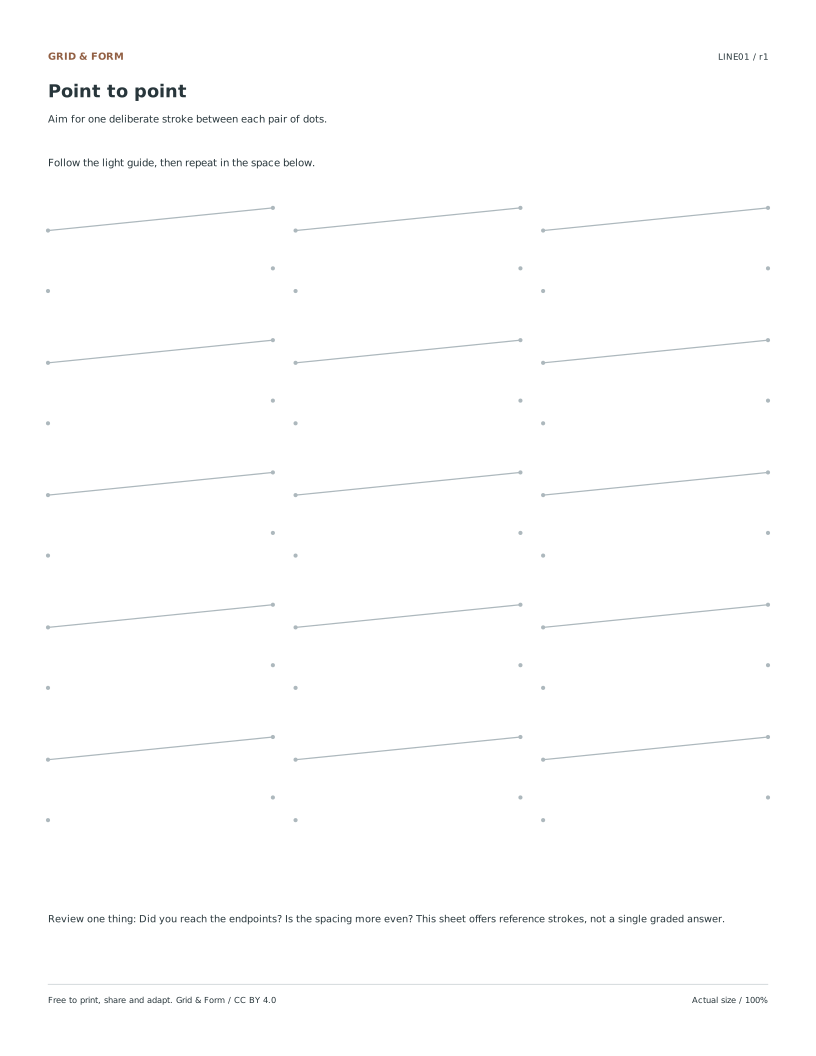
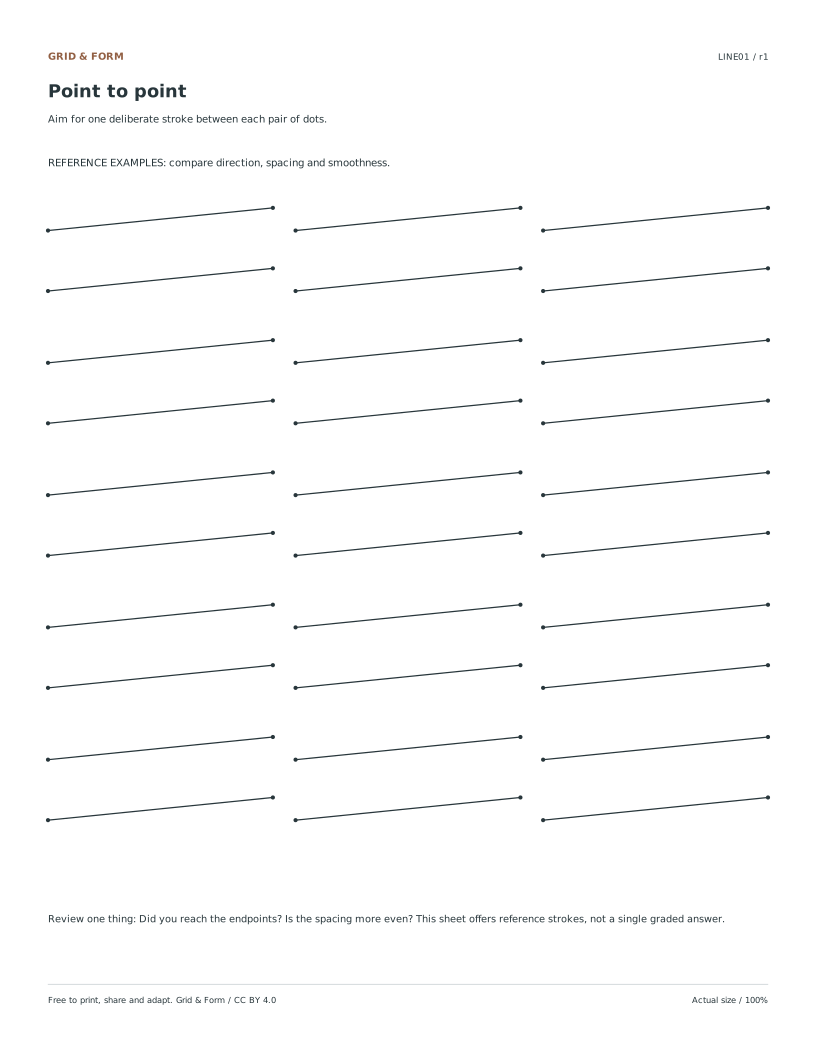
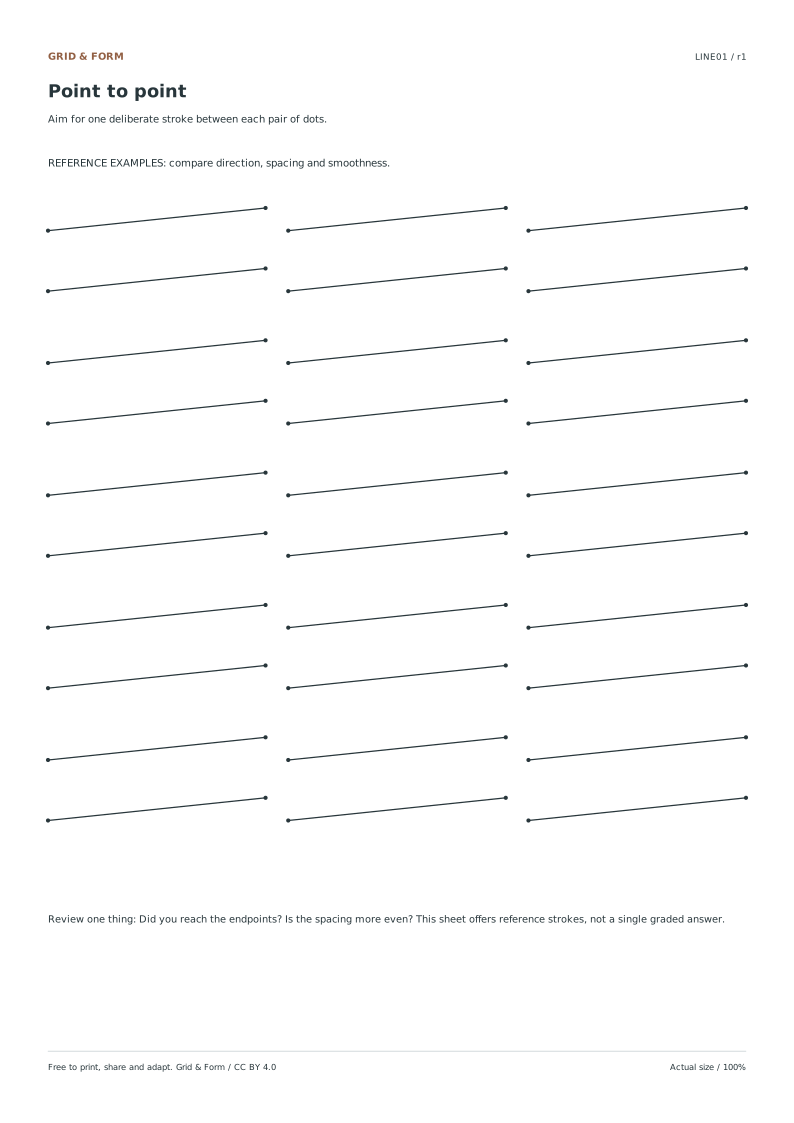
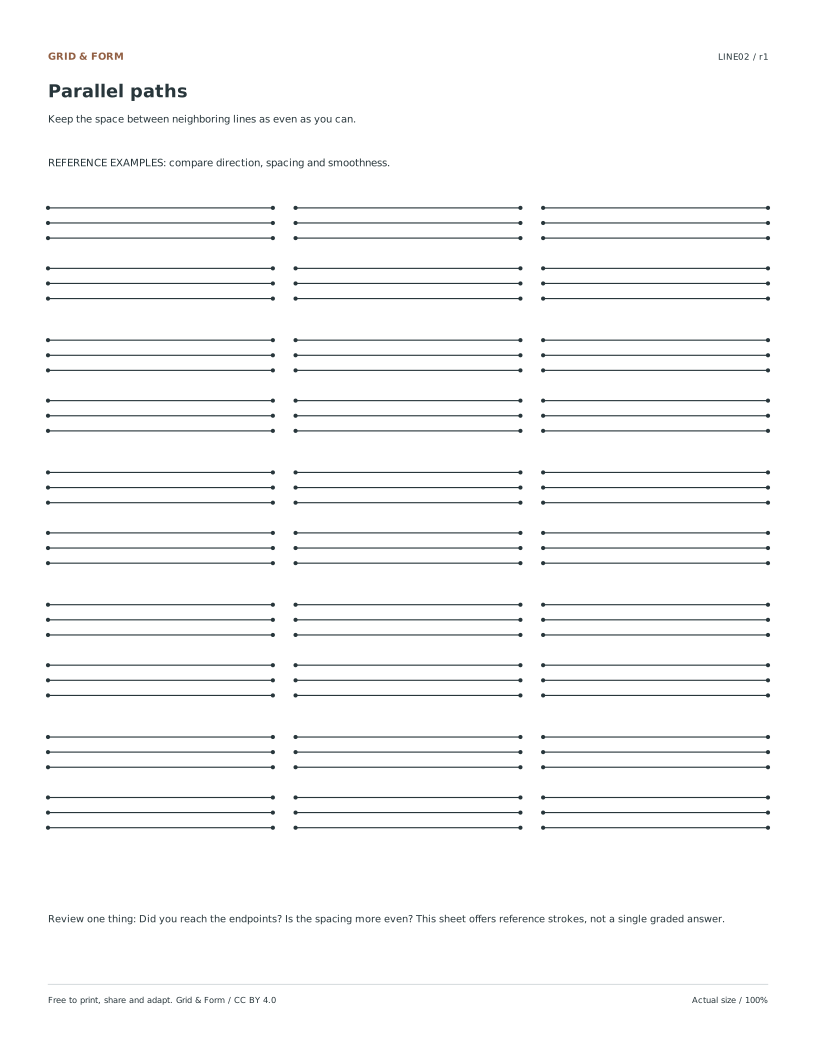
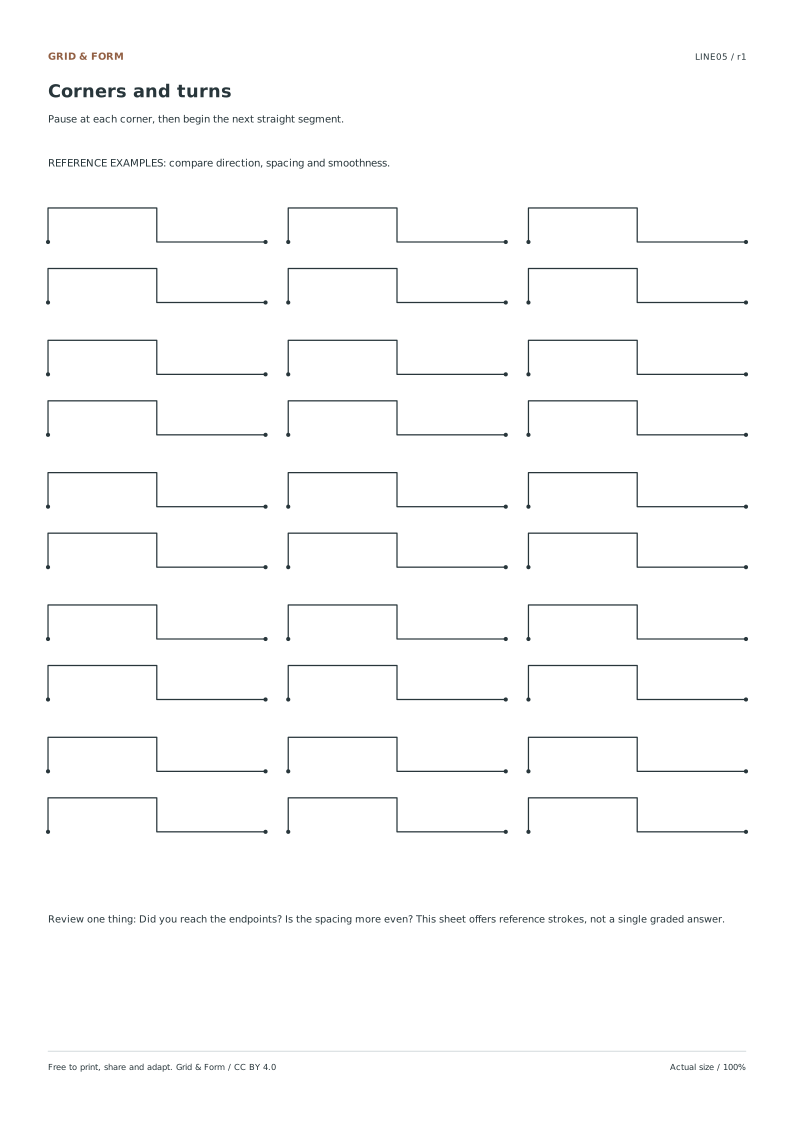
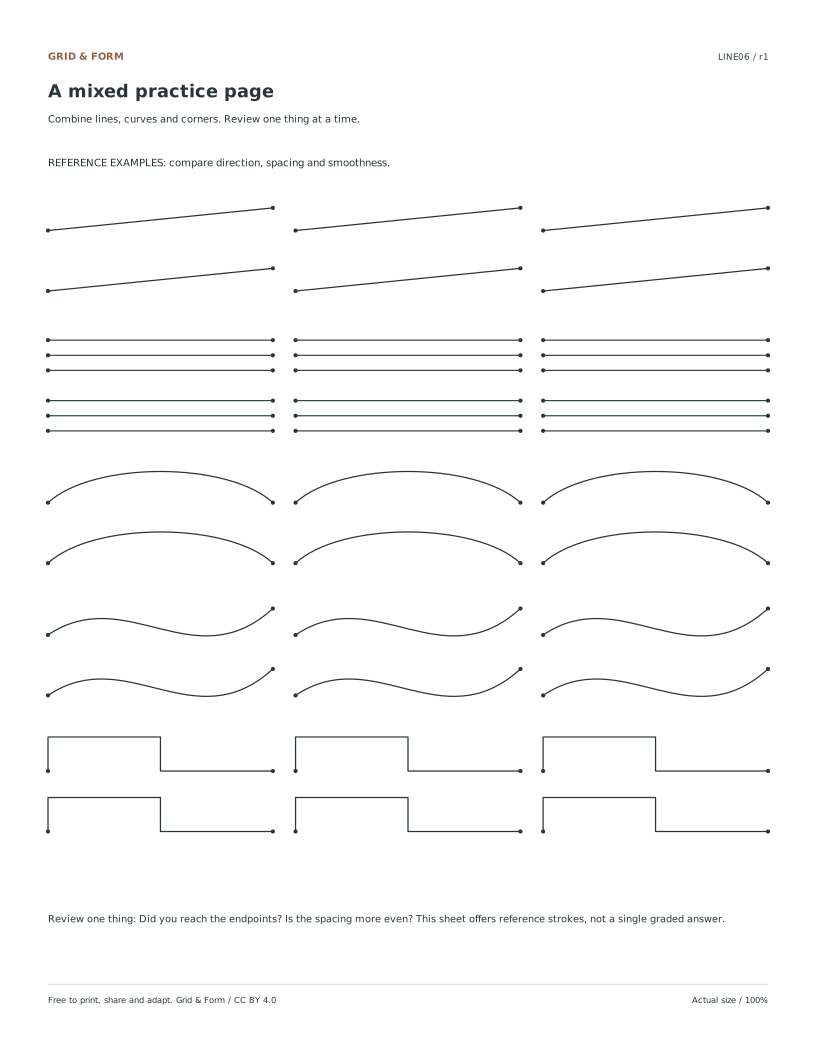
They have reference examples showing the target strokes and endpoints. Line quality is a practice judgment, so there is no single numerical score or unique artistic answer.

Should I trace every guide many times?

The layout gives one guided row and an open repeat below. Start with a single deliberate pass. If you want more repetitions, print another copy or use a new blank space.

Do I need special pens or a tablet?

No. The files are designed for ordinary paper with a pencil or pen. Printing in grayscale is enough to see the light guides and reference strokes.

Are these medical or rehabilitation worksheets?

No. They are general drawing exercises. They do not claim to treat a condition, measure motor ability or replace individualized professional advice.

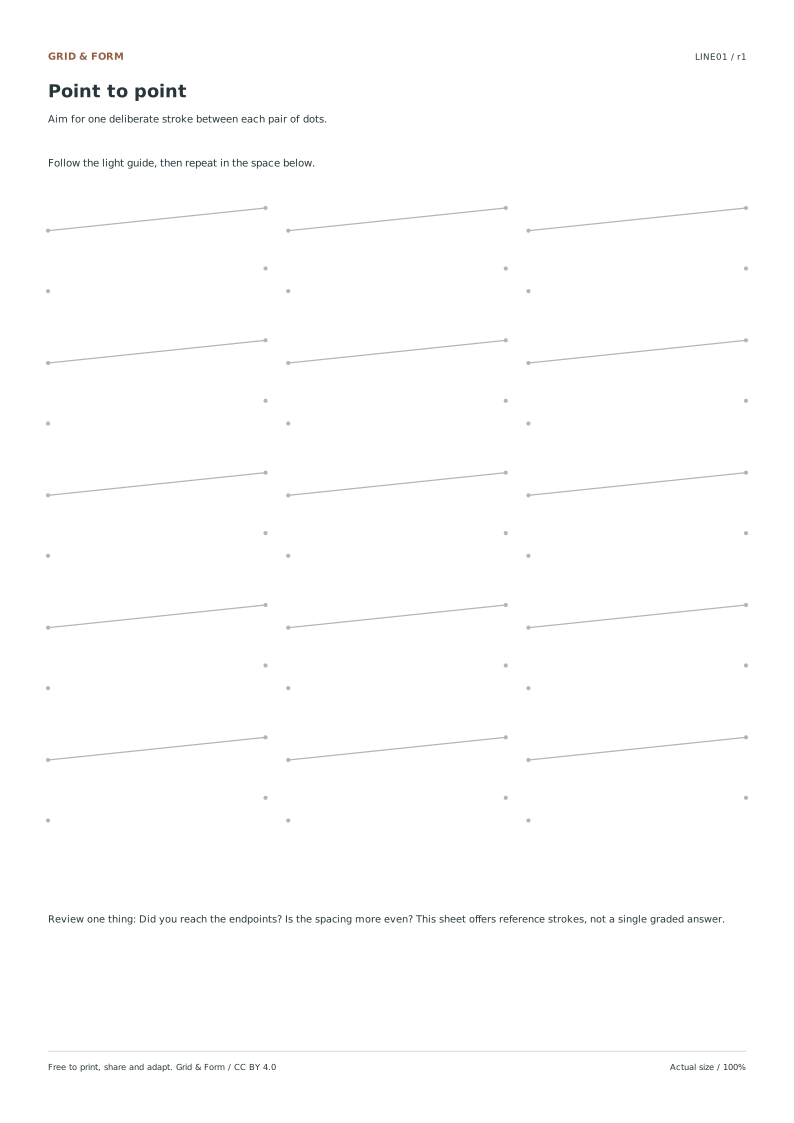
Worksheet preview

Full printable sheet preview

Fit-to-screen preview. Download the PDF to print at actual size.