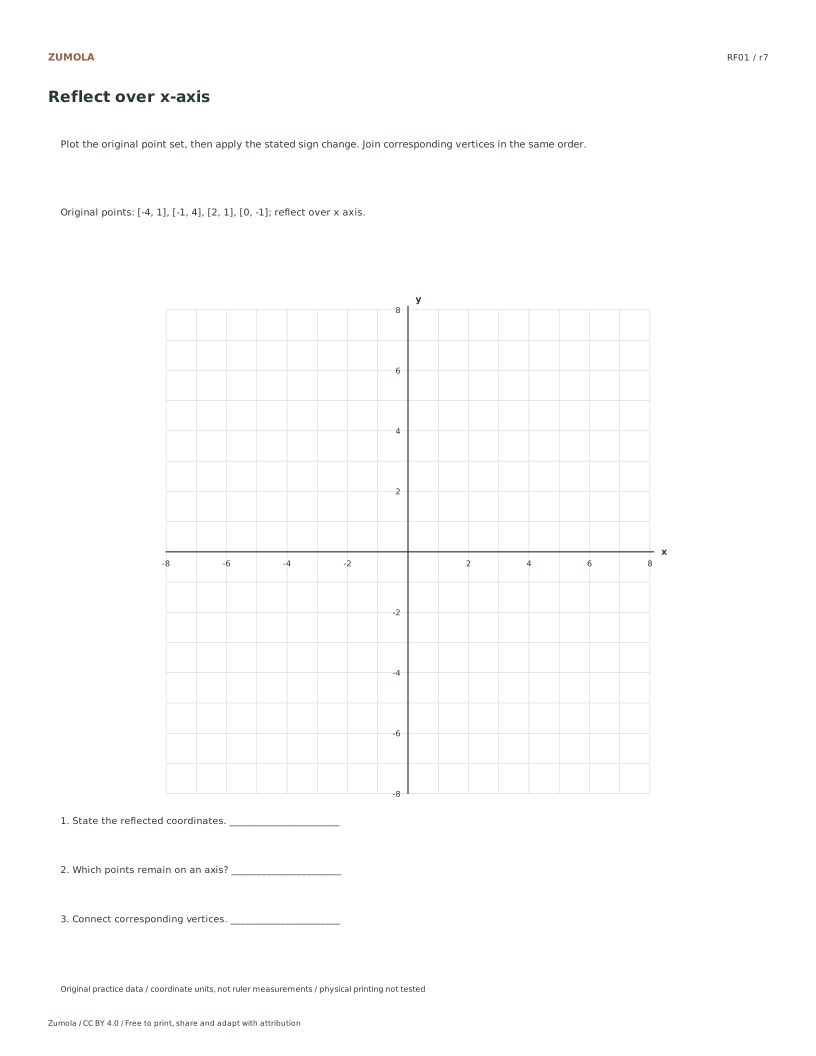
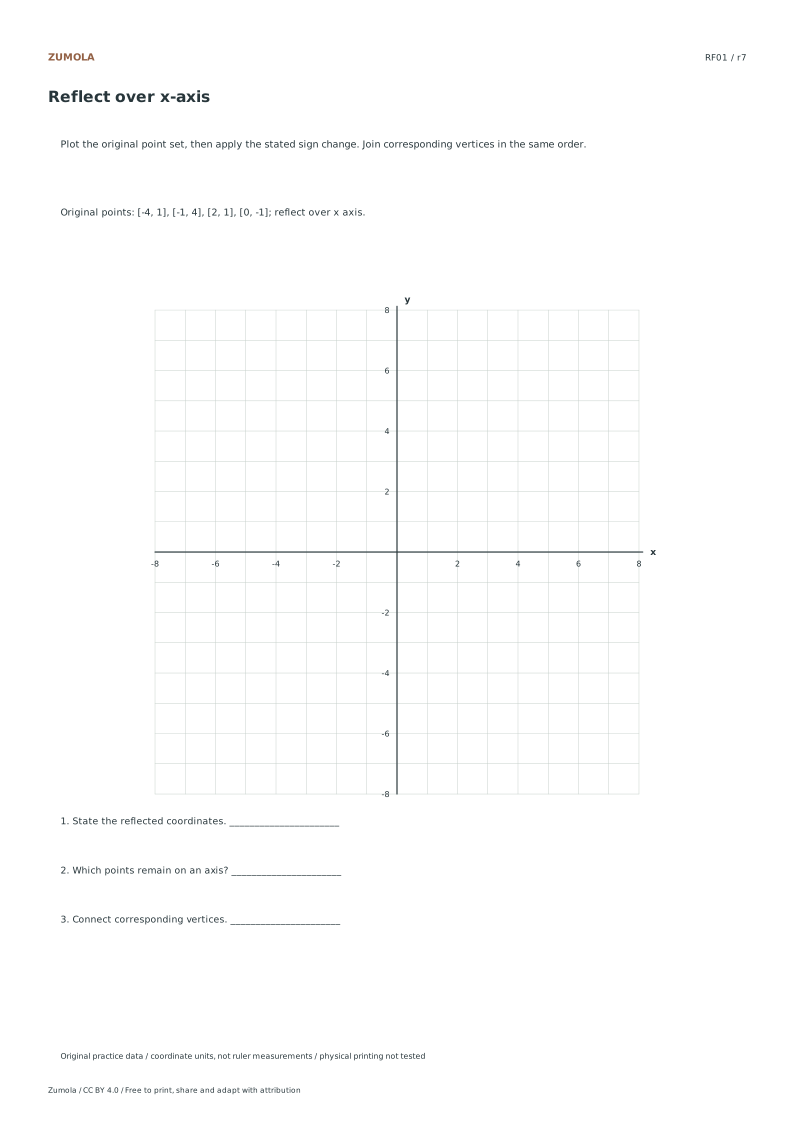
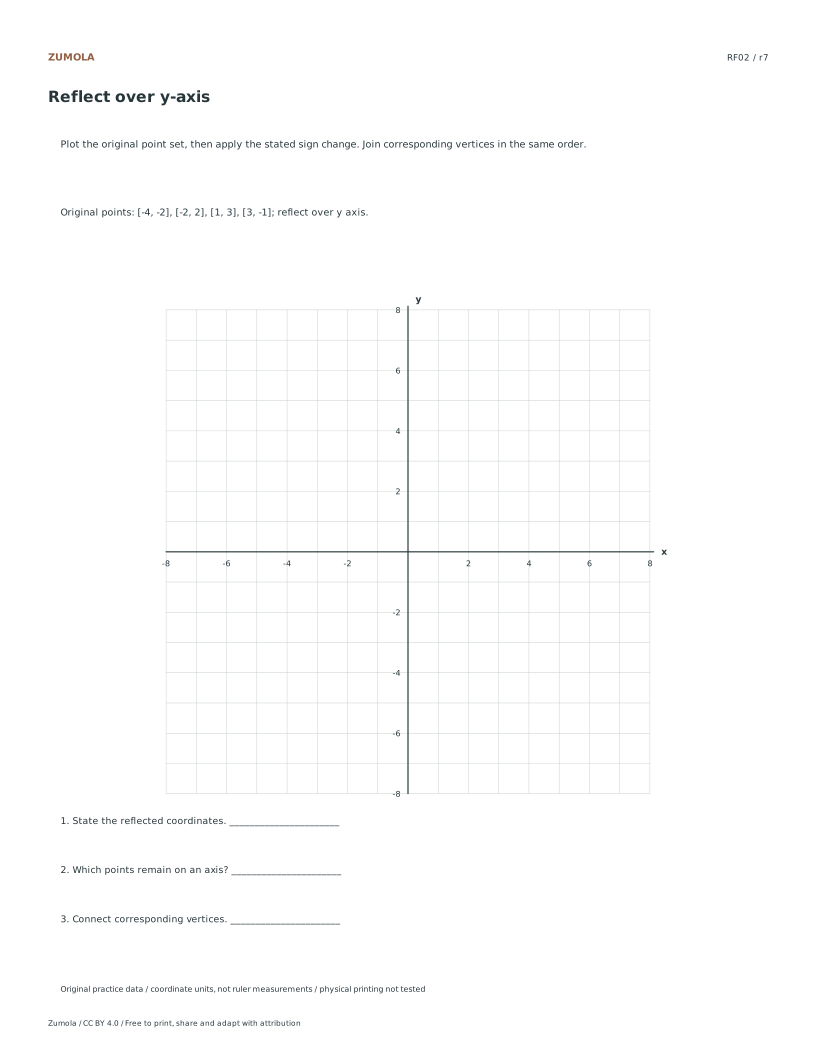
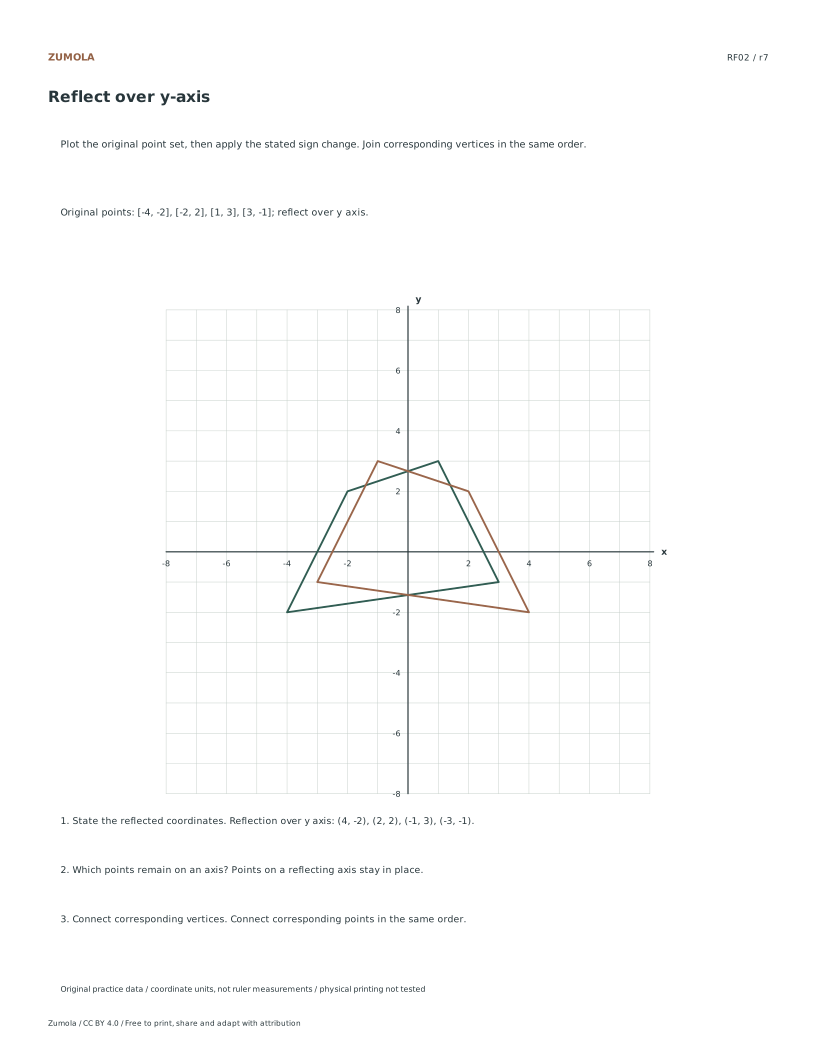
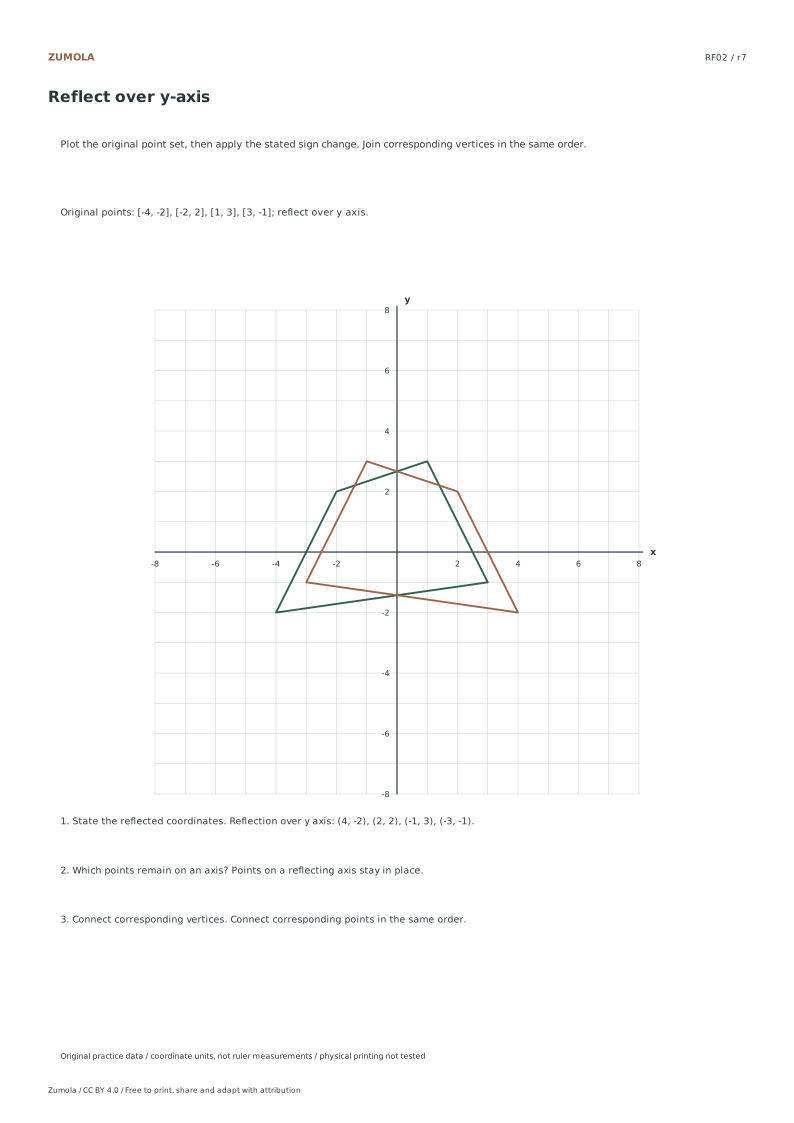
Reflect four point sets by changing the correct coordinate signs. Preserve vertex order, identify points on an axis and compare original and reflected shapes.
Reflect four point sets by changing the correct coordinate signs. Preserve vertex order, identify points on an axis and compare original and reflected shapes.
Choose Letter or A4, then download a student sheet first. Keep the separate reference or answer file closed until you have attempted the case. Every worksheet, SVG and answer is free without signup.
Choose your paper and download
Download paper size
Every worksheet and answer is free. No signup.
Free original resourceRF01
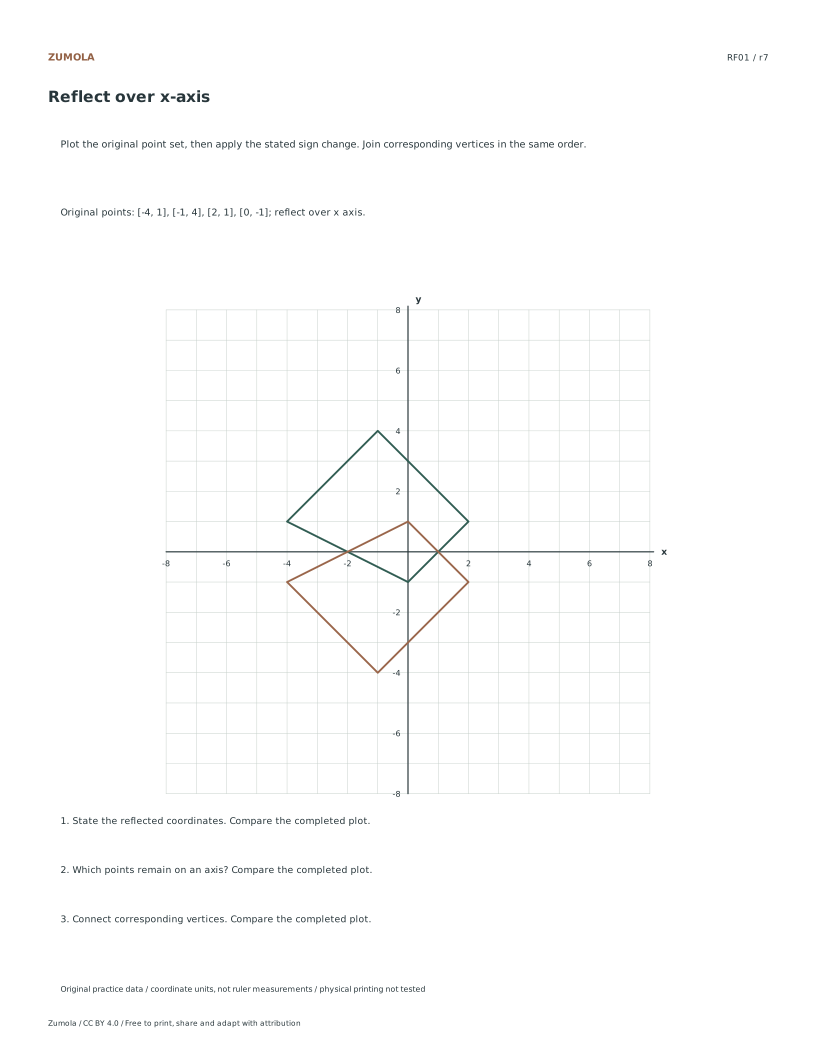
Reflect over x-axis
Original worksheet collection. Letter or A4 PDF and editable SVG.
All examples use original fictional data and coordinate units. They are practice material, not measured classroom results, published questions or evidence about real people.
Check the first case
RF01: Reflect over x-axis
Check
Worked result
1
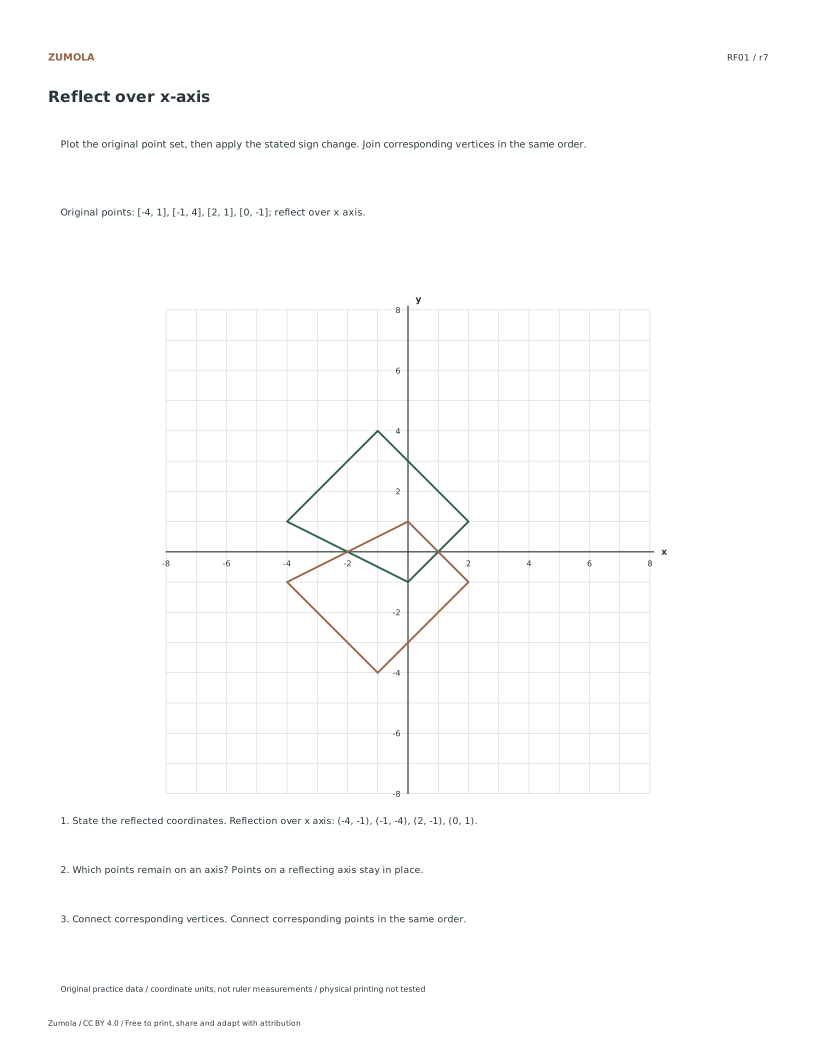
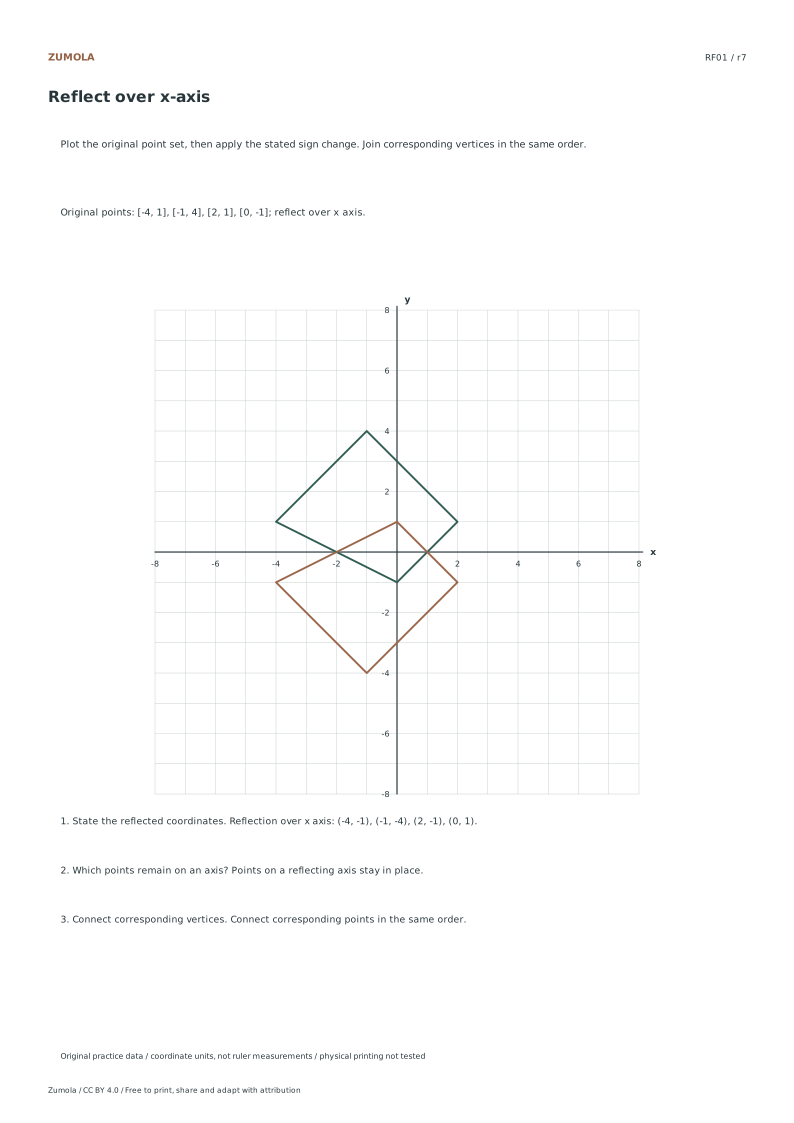
Reflection over x axis: (-4, -1), (-1, -4), (2, -1), (0, 1).
2
Points on a reflecting axis stay in place.
3
Connect corresponding points in the same order.
The first case shows the checking pattern. Individual answer files contain the completed graph and result for every case.
Work through the graph
Identify the Reflection Axis
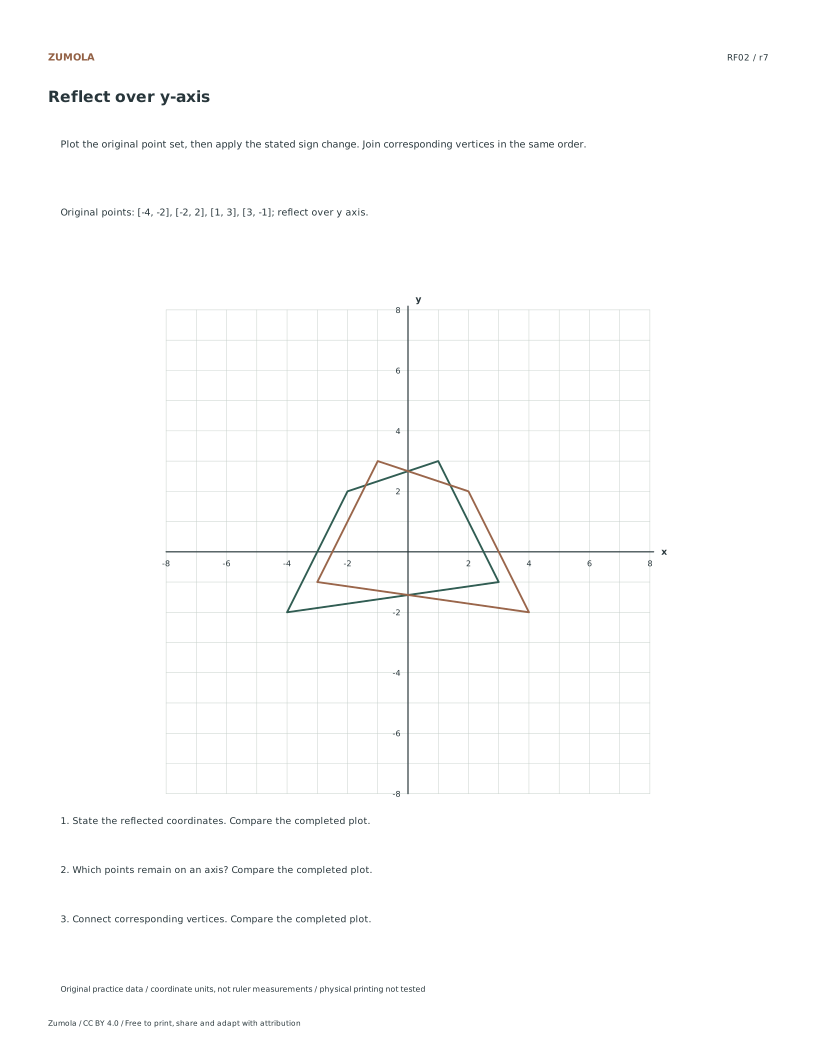
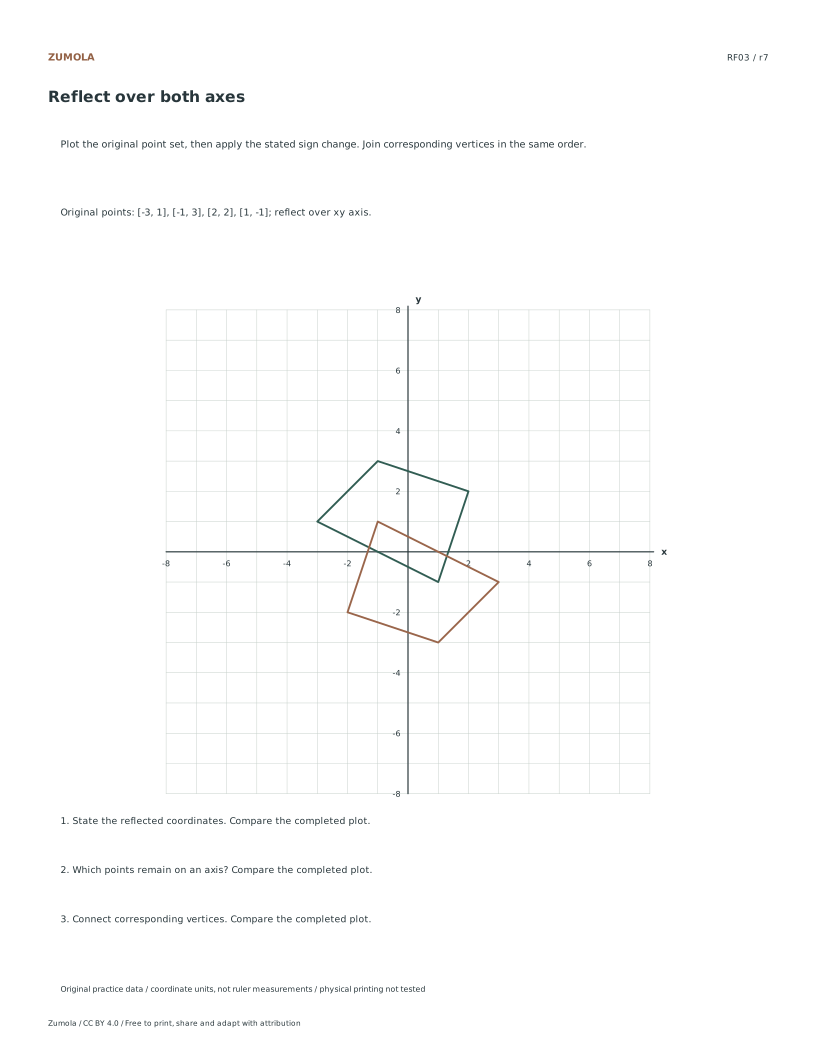
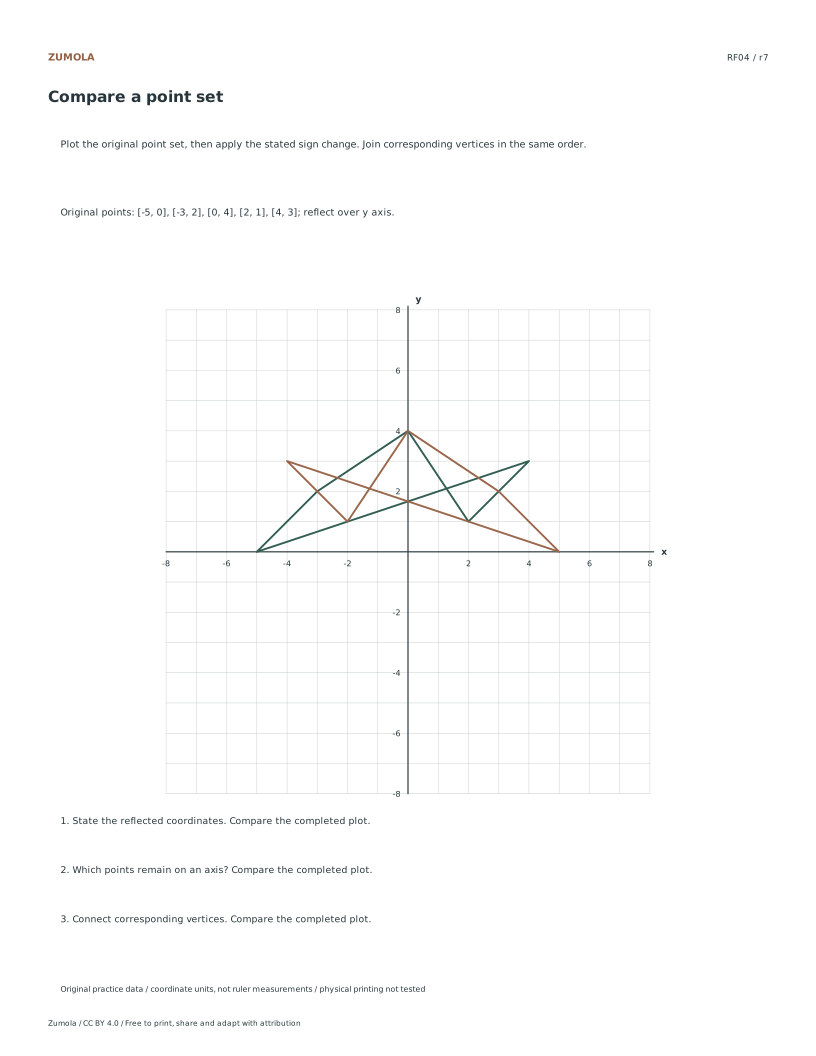
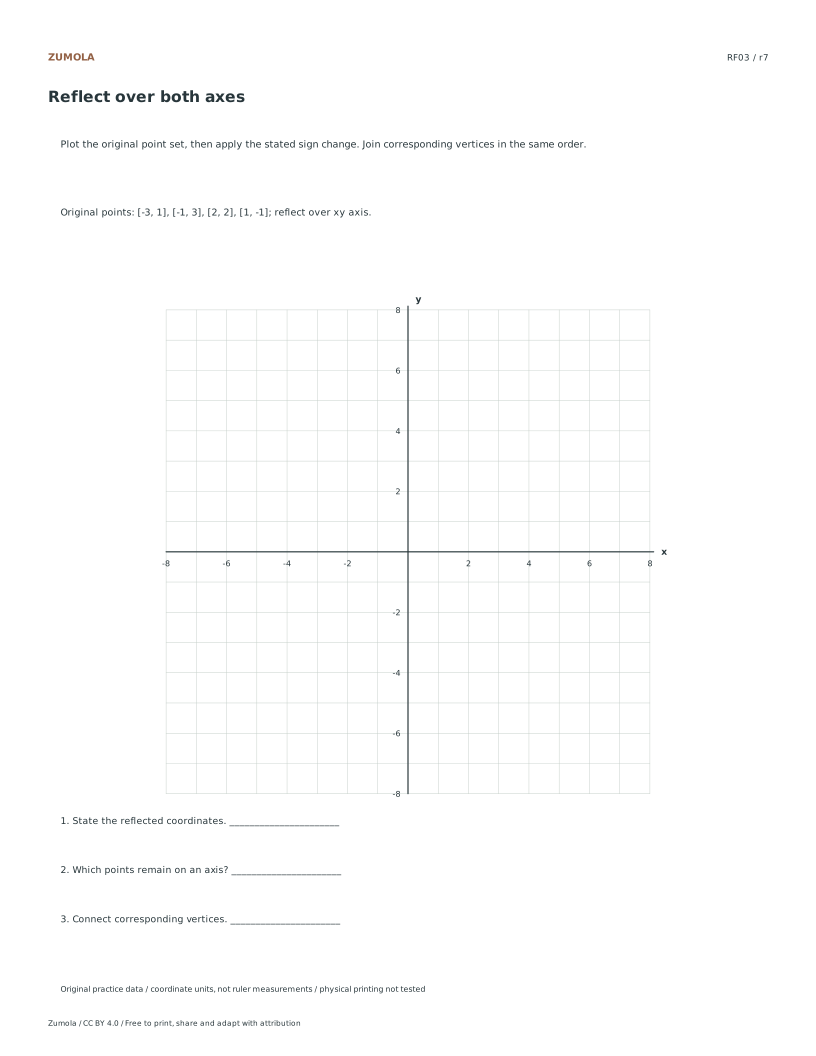
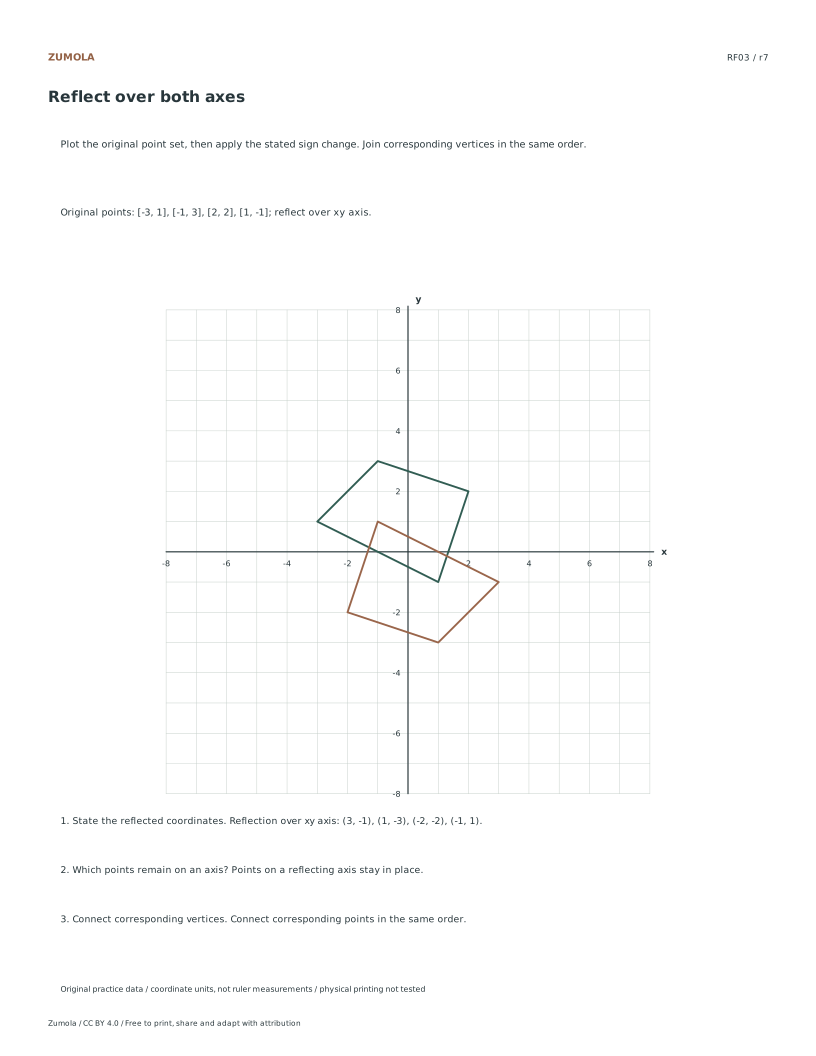
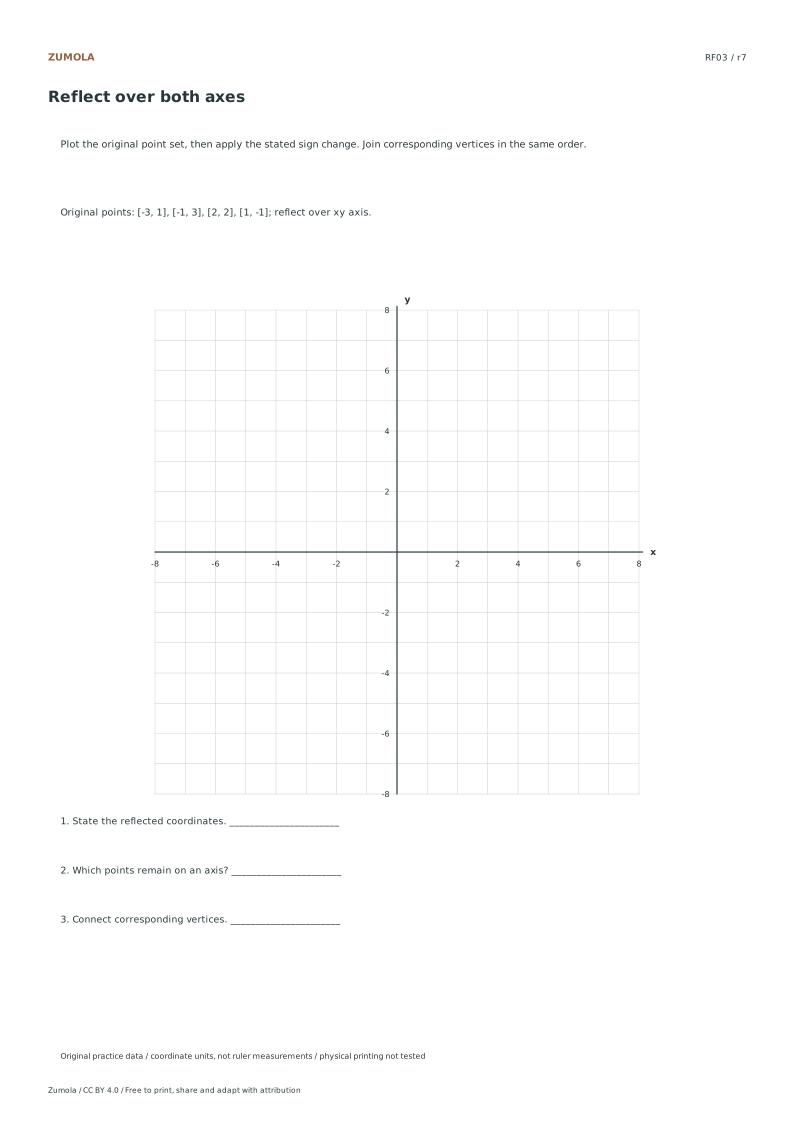
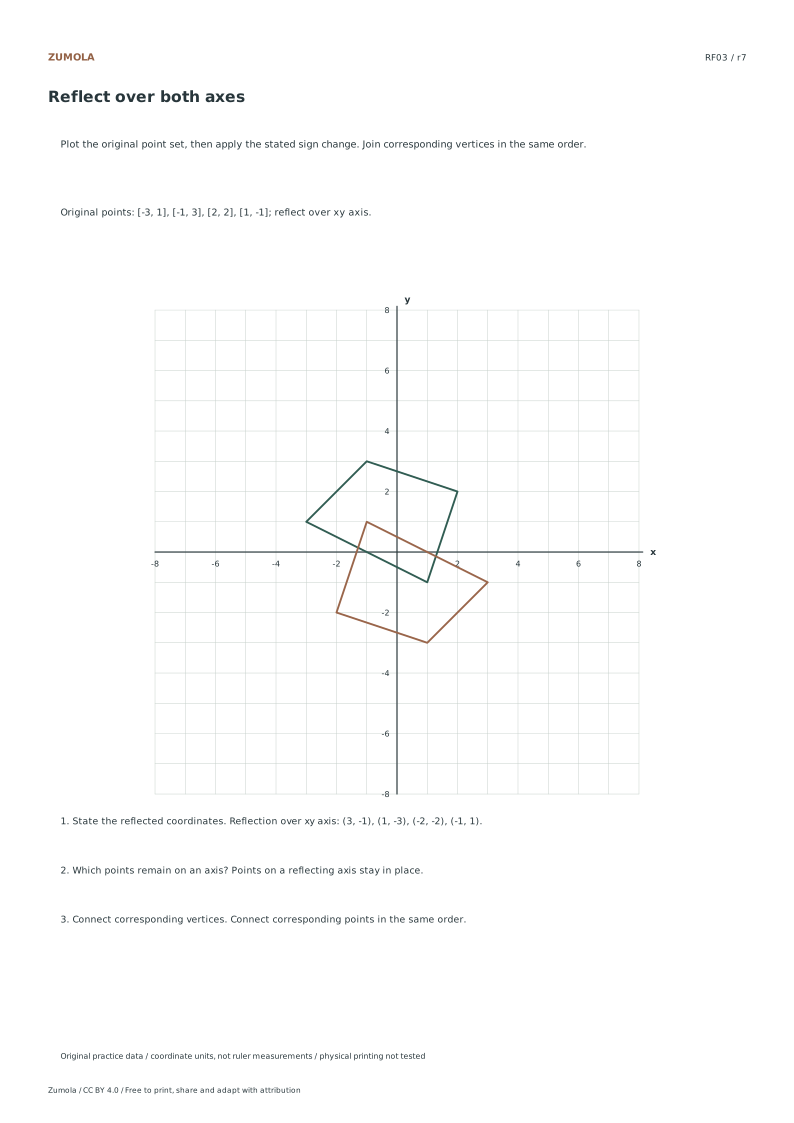
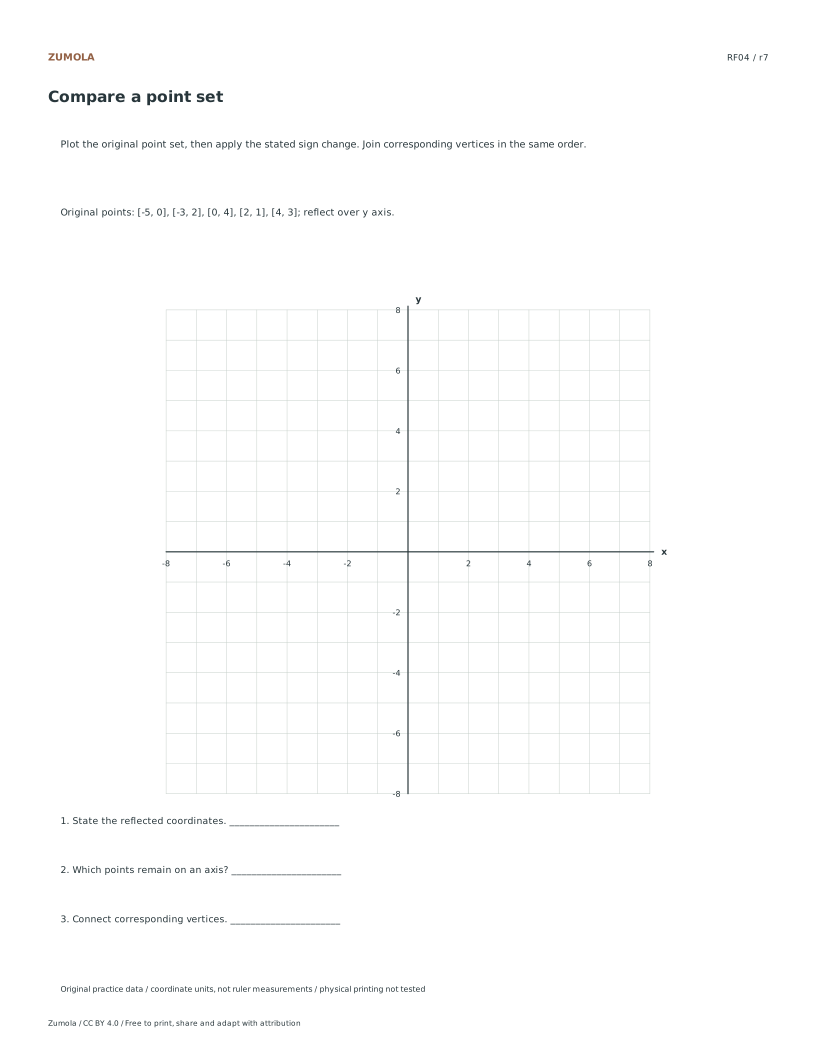
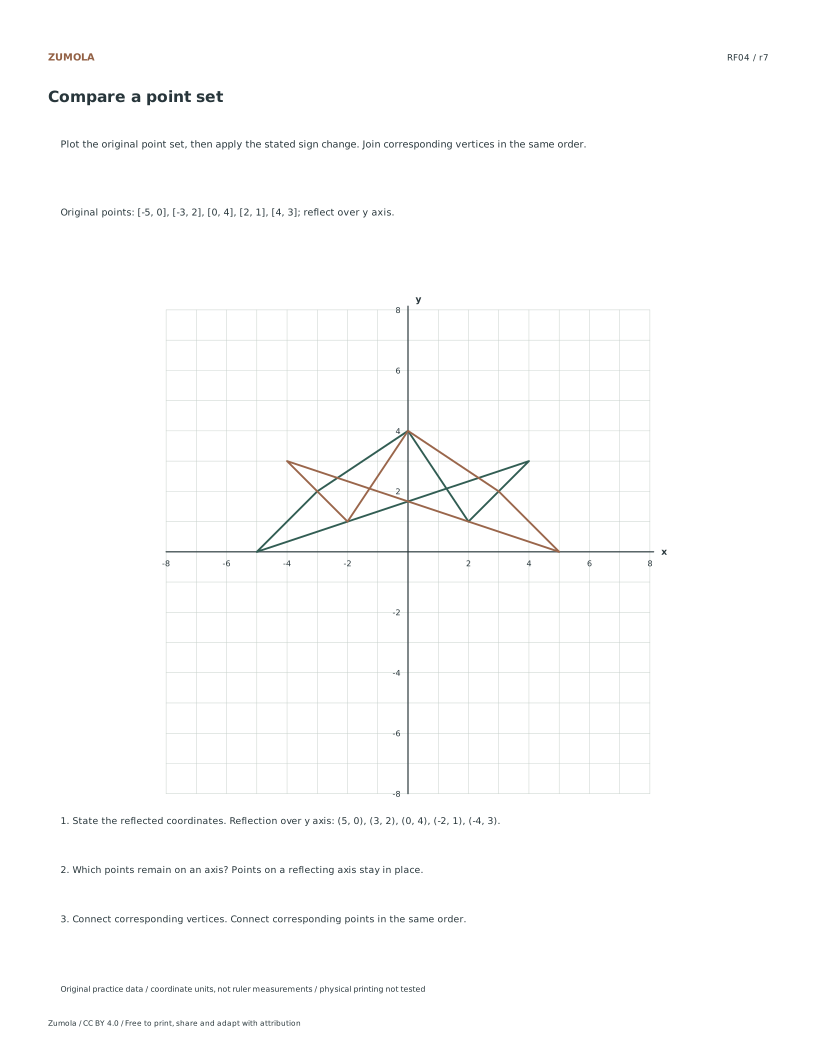
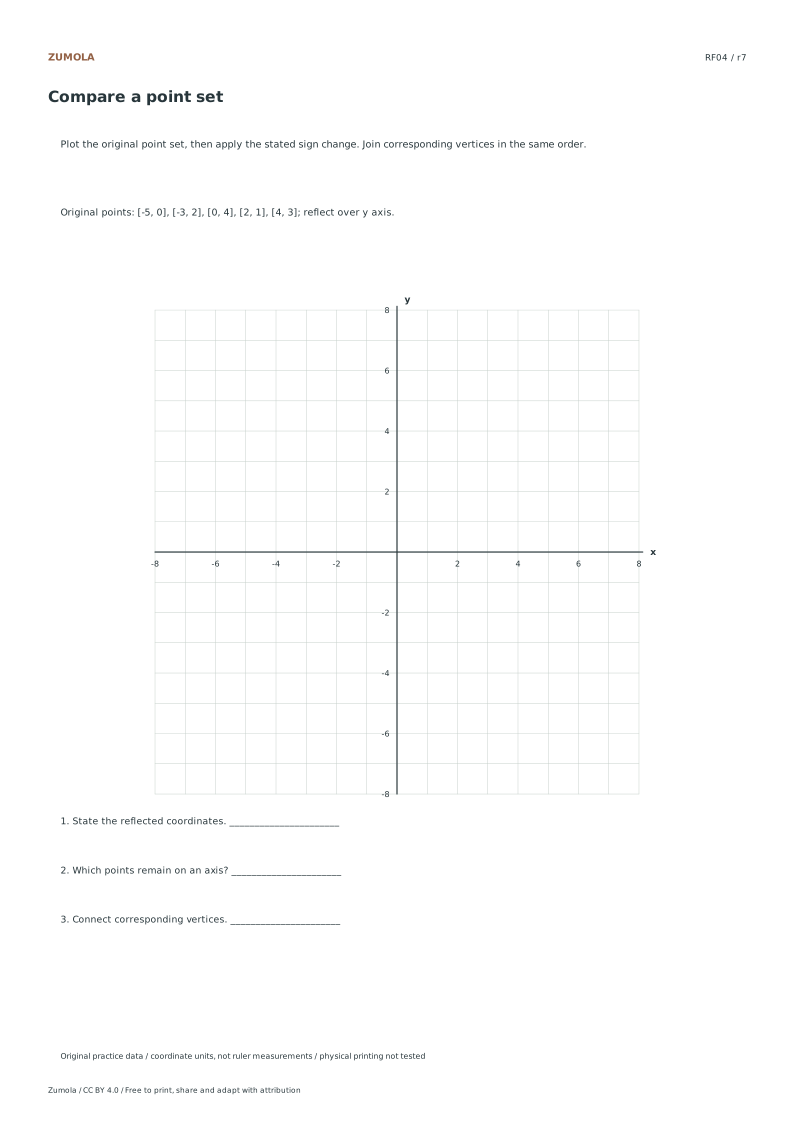
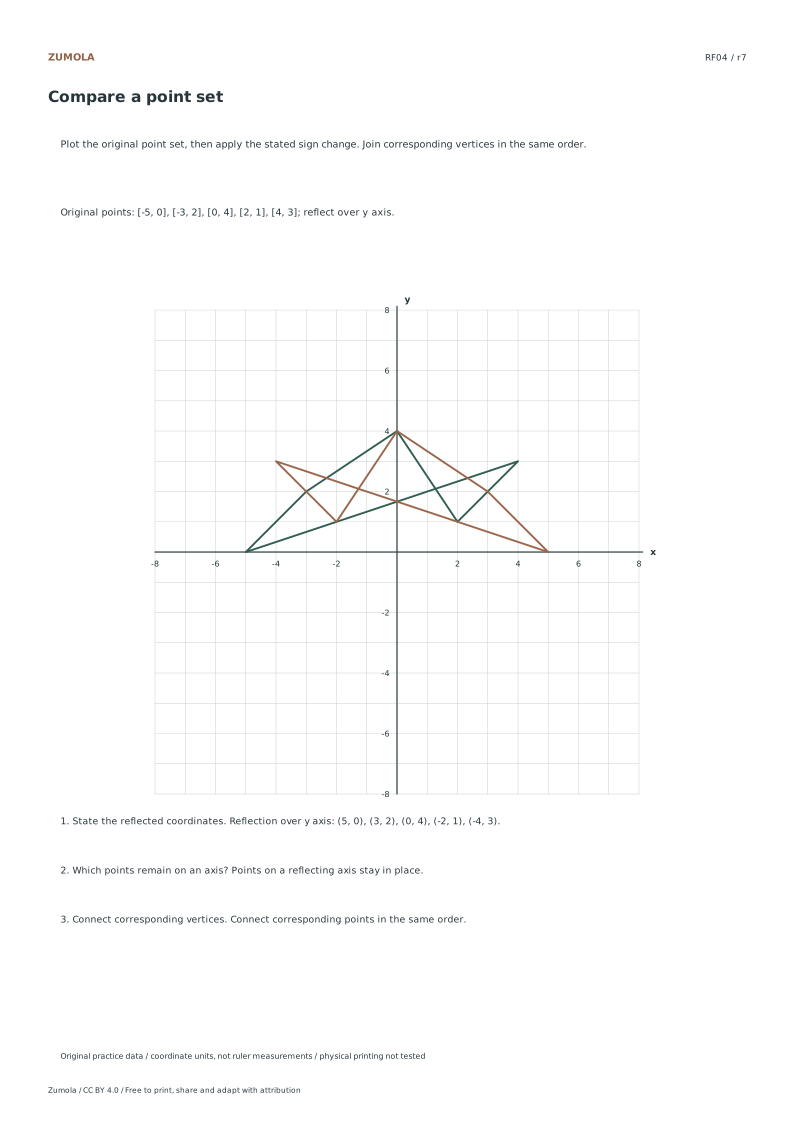
Begin by examining the specific case you selected to determine which axis acts as the mirror line. For instance, case RF01 specifies a reflection over the x-axis, while RF02 targets the y-axis. Case RF03 requires reflecting over both axes simultaneously. This distinction is critical because the transformation rule depends entirely on this choice. If you are working with RF04, note that it also uses the y-axis for comparison. Identifying the correct axis prevents applying the wrong sign change to your coordinates. Always verify the axis label in the reference PDF before plotting any points to ensure your initial setup aligns with the fictional exercise requirements.
Apply the Coordinate Transformation
Once the axis is known, apply the specific sign change to each point in the set. For an x-axis reflection, change the sign of the y-coordinate only, turning (x,y) into (x,-y). For a y-axis reflection, change the sign of the x-coordinate only, turning (x,y) into (-x,y). When reflecting over both axes, as in case RF03, change the signs of both coordinates. Points lying directly on the reflecting axis remain unchanged. Use the supplied listed values from the student PDF to calculate these new positions accurately without relying on physical measurement or external tools.
Verify Against Answer Key
After calculating the new coordinates, compare your results with the provided answer PDF. The listed coordinates and supplied values determine the correct answers, so your calculated points should match exactly. For example, in case RF01, the point (0,-1) remains (0,-1) because it lies on the x-axis. Check each transformed point individually to catch sign errors. Since these are original fictional practice materials, the answer key reflects the mathematical rules applied to the specific point sets. Do not expect physical printing variations to affect the listed answer key, as the solution is based strictly on the coordinate data provided in the resource pack.
Checks that catch common errors
Watch for
Check instead
Changing the wrong coordinate sign for the specified axis.
Ensure you change only the y-coordinate for x-axis reflections and only the x-coordinate for y-axis reflections, keeping the other value constant.
Assuming points on the axis move to a different location.
Remember that points lying directly on the reflecting axis stay on that axis, so their coordinates remain unchanged during the transformation.
Expecting physical print alignment to match digital coordinate precision.
Rely solely on the digital coordinates and supplied values for accuracy, as physical printing tests have not been performed on these resources.
Keep the labels and margins readable
Choose the PDF that matches your paper. Print at Actual size / 100% and turn off Fit, Shrink and browser headers. SVG is editable but an editor can rescale it; the PDF is the simpler print route. Physical printer, classroom and curriculum tests have not been completed.
Useful answers
What changes in a reflection over the x-axis?
The x-coordinate stays the same and y changes sign: (x,y) becomes (x,-y).
What happens to a point on the reflecting axis?
It stays in the same location because its coordinate on that axis is zero.
Should I reorder the vertices?
No. Keep the original order when connecting corresponding points.
Are the answer files and editable graphs free?
Yes. The individual student, reference and answer files plus collection packs are free without signup. Credit Zumola under CC BY 4.0 when sharing or adapting.
Further reading: OpenStax: reflections. The diagrams, datasets and exercises here are original Zumola work.
Your analytics choice
Optional Google Analytics helps us understand which free resources are useful. It is off until you allow it. Drawing tools and downloads work with either choice. Privacy details