Free printable resources · Original practice

Symmetry drawing worksheets.
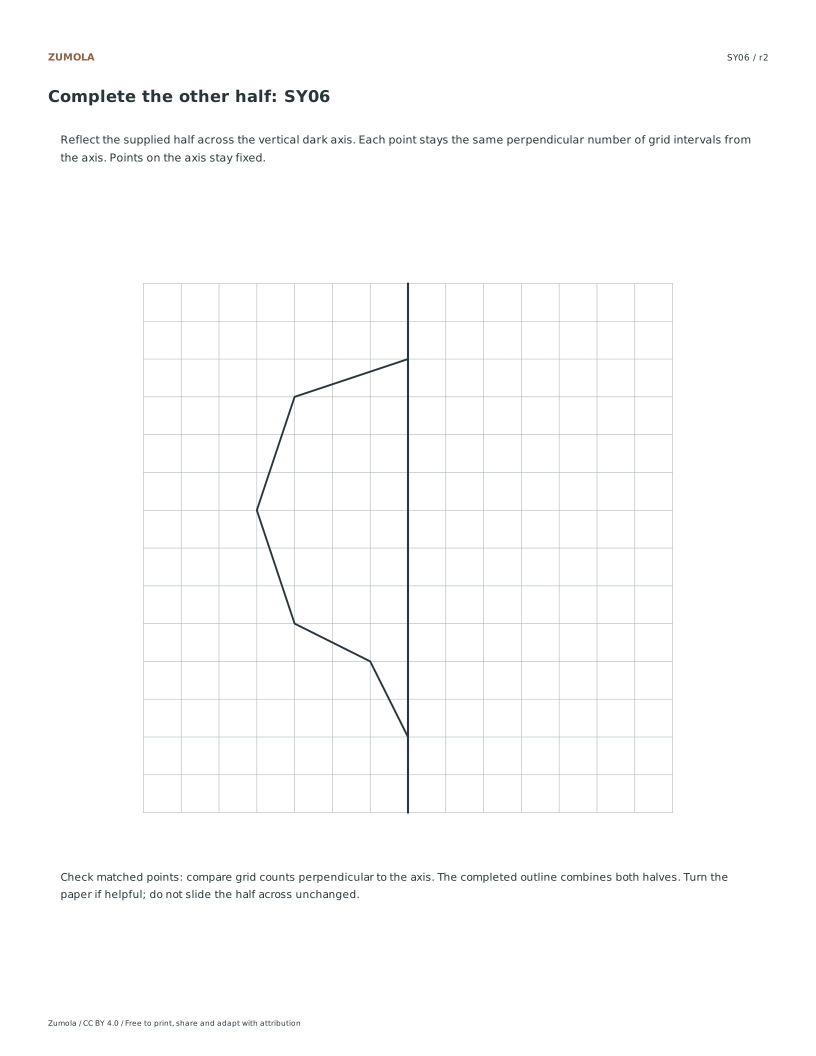
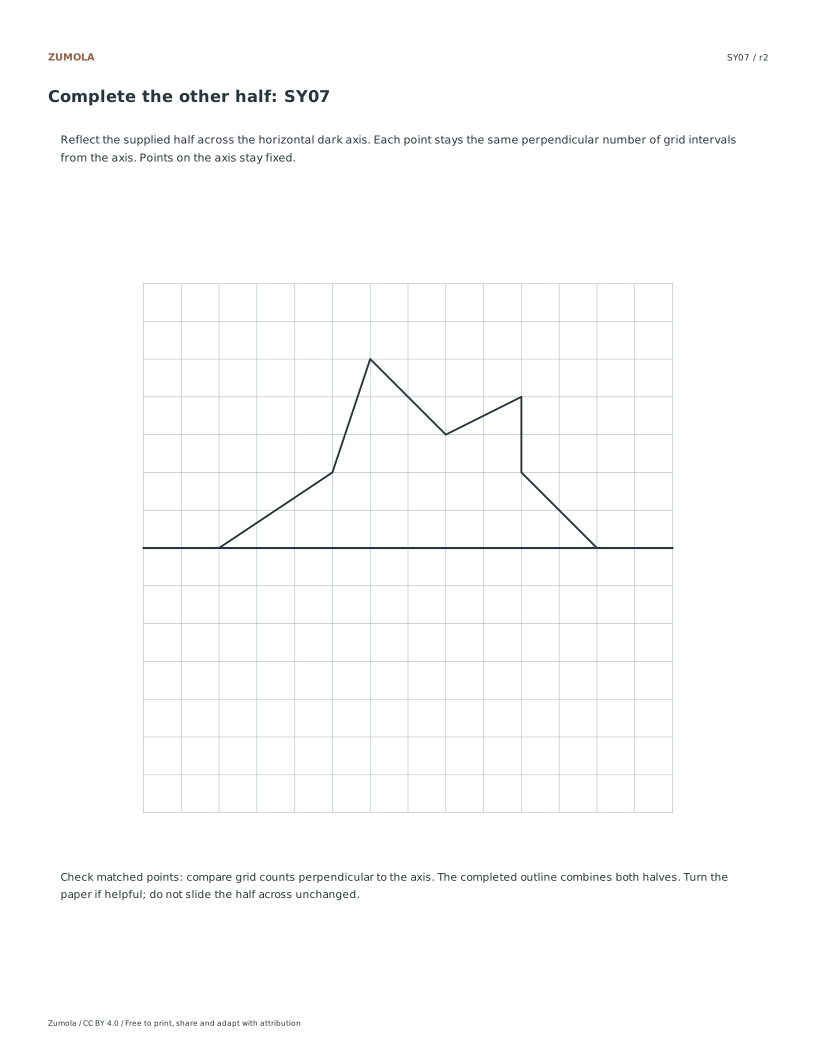
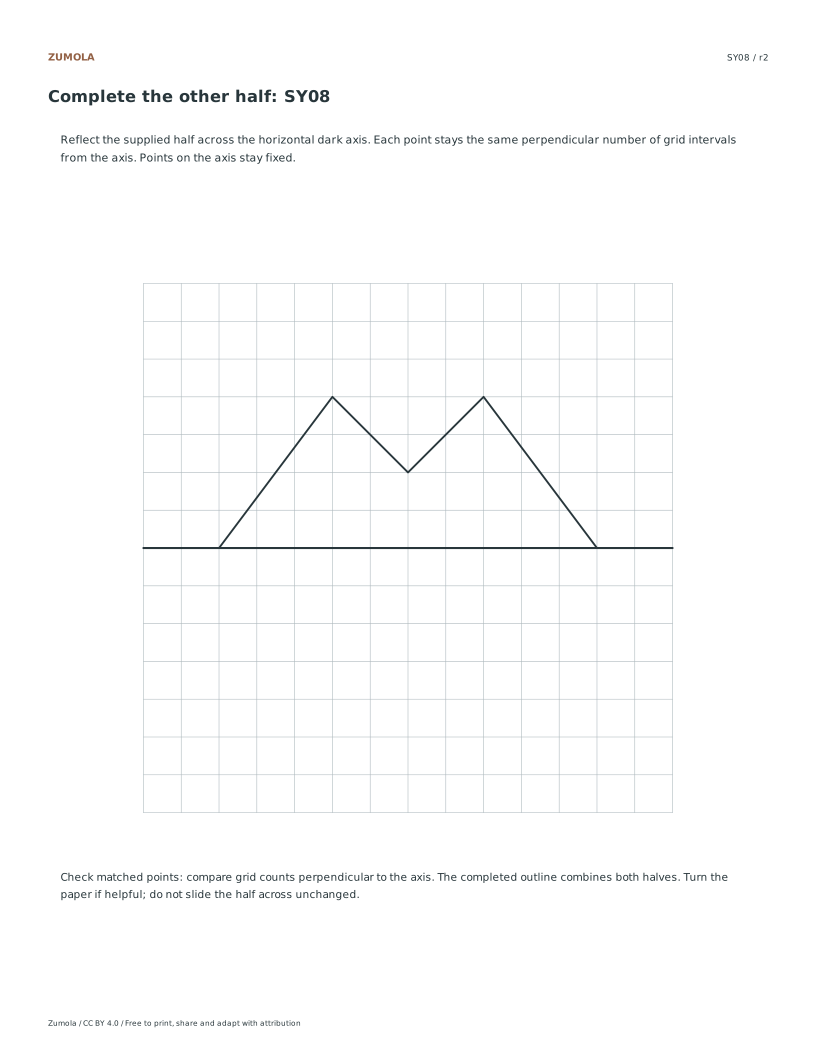
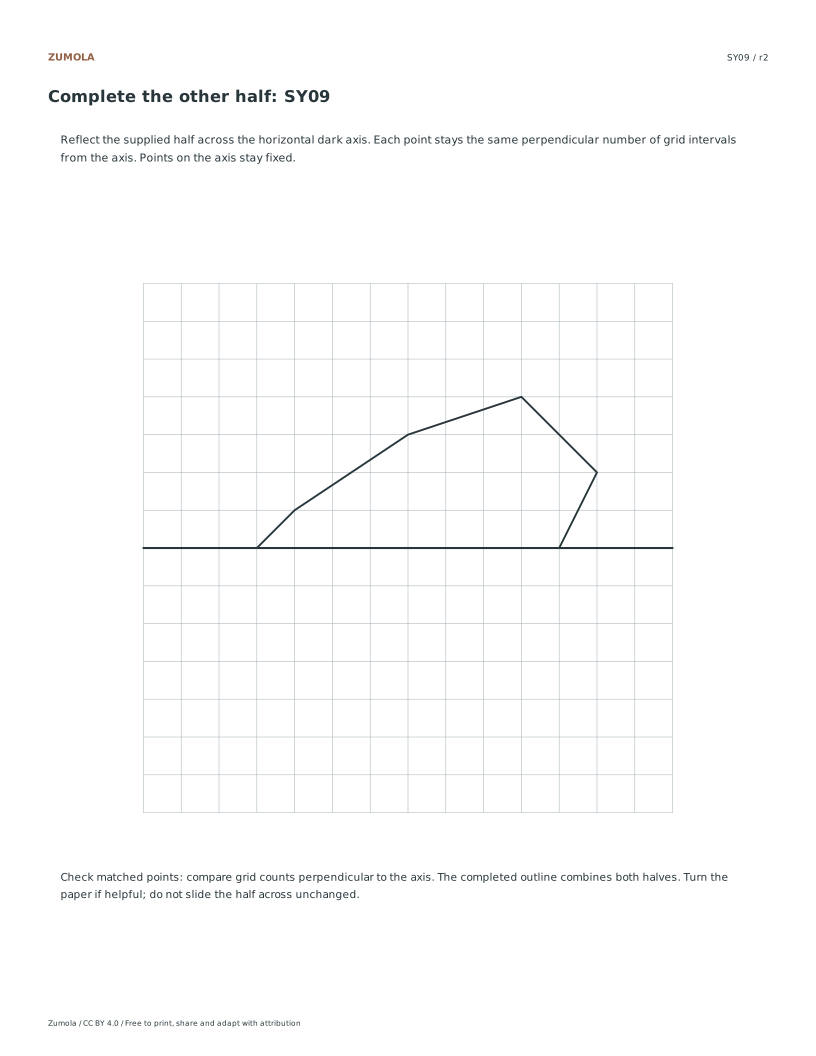
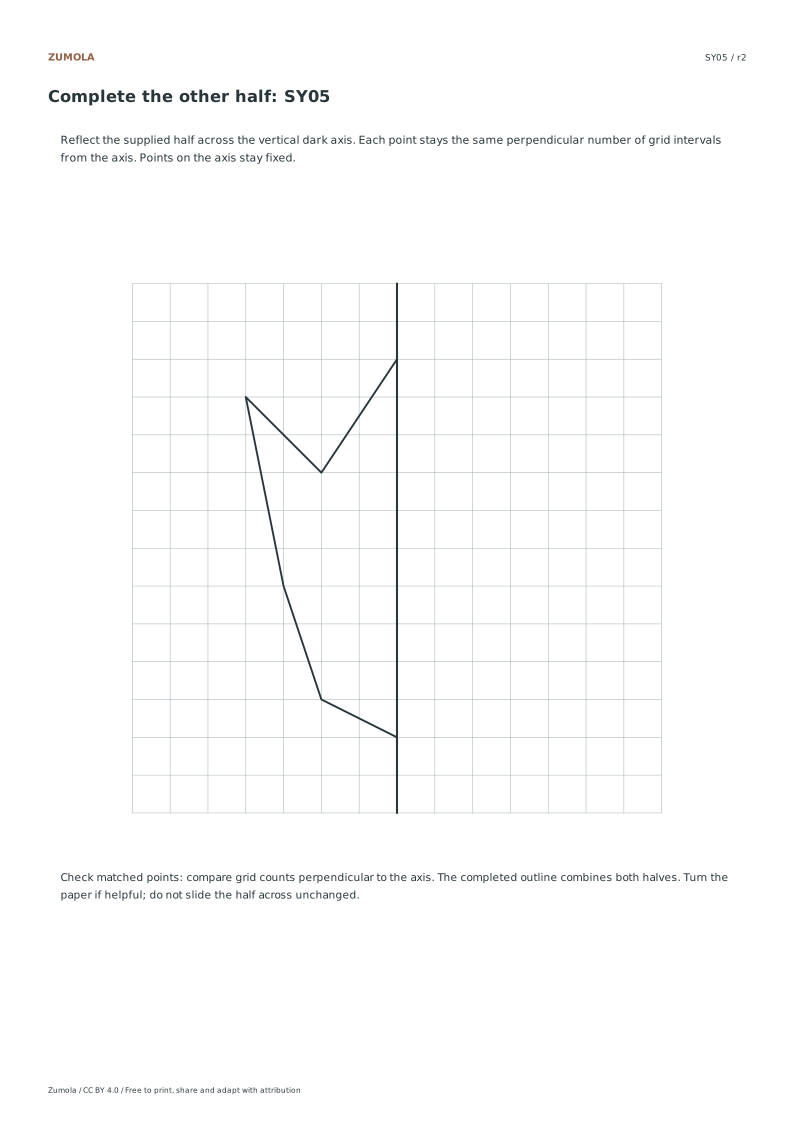
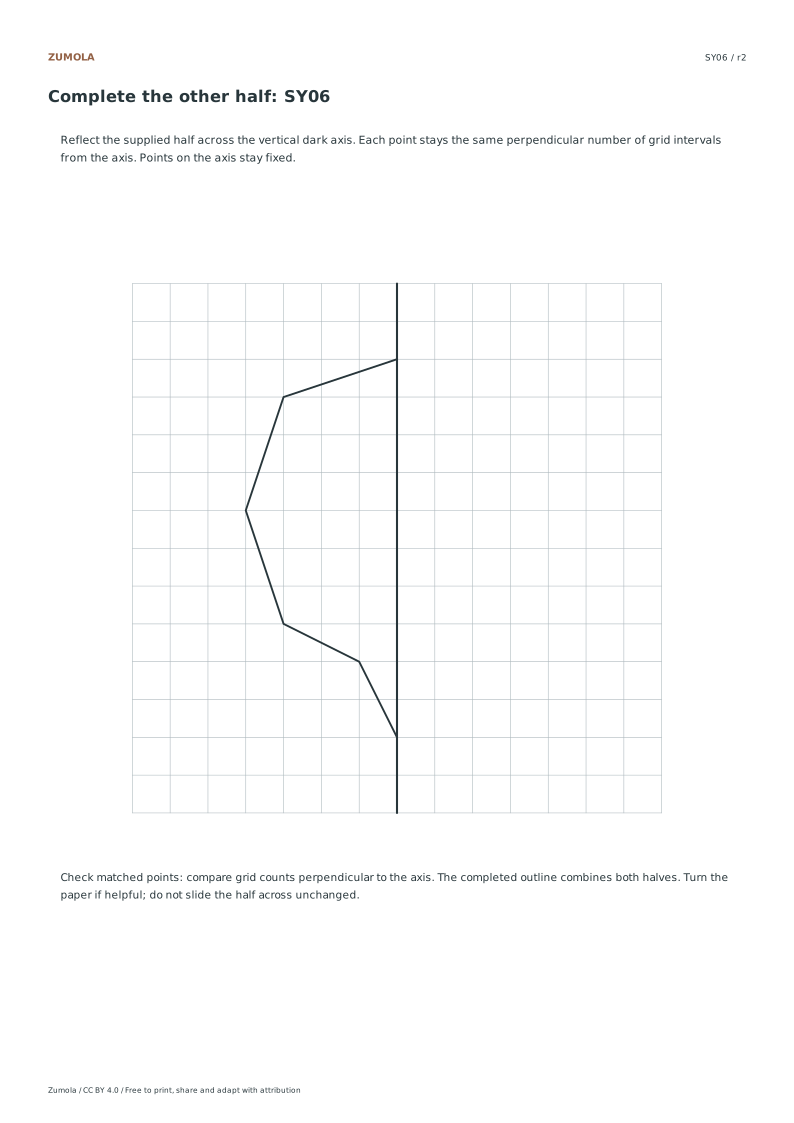
Complete the other half.

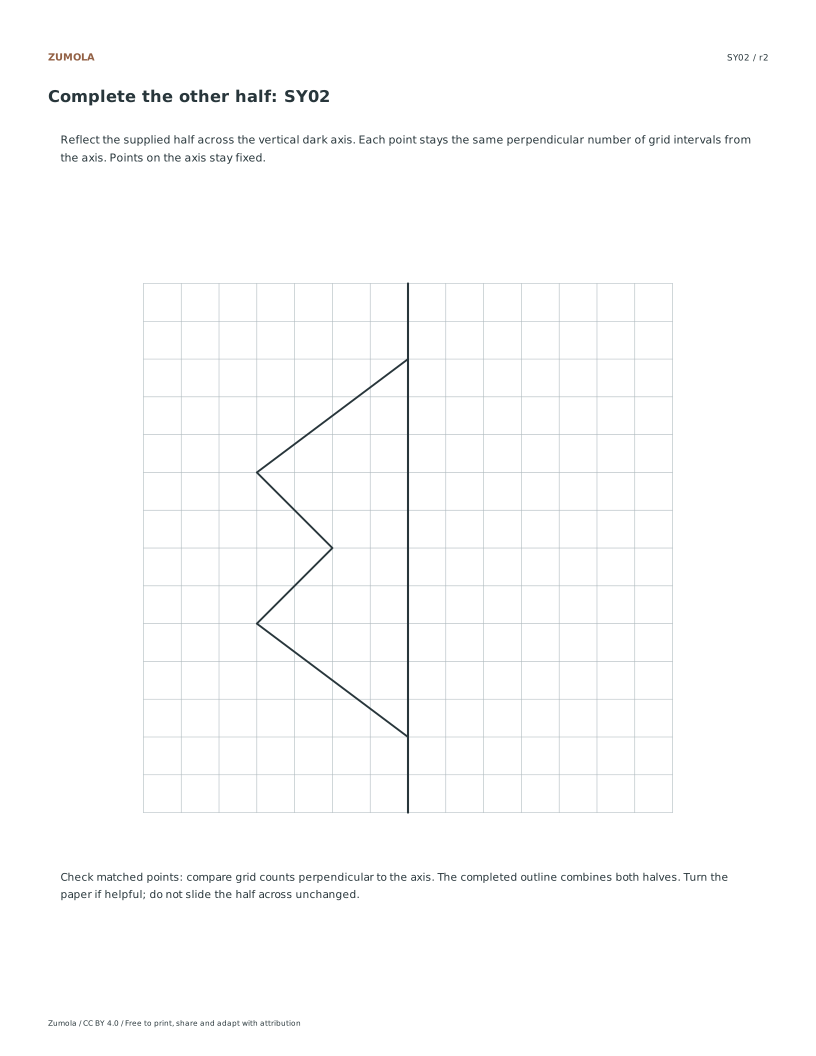
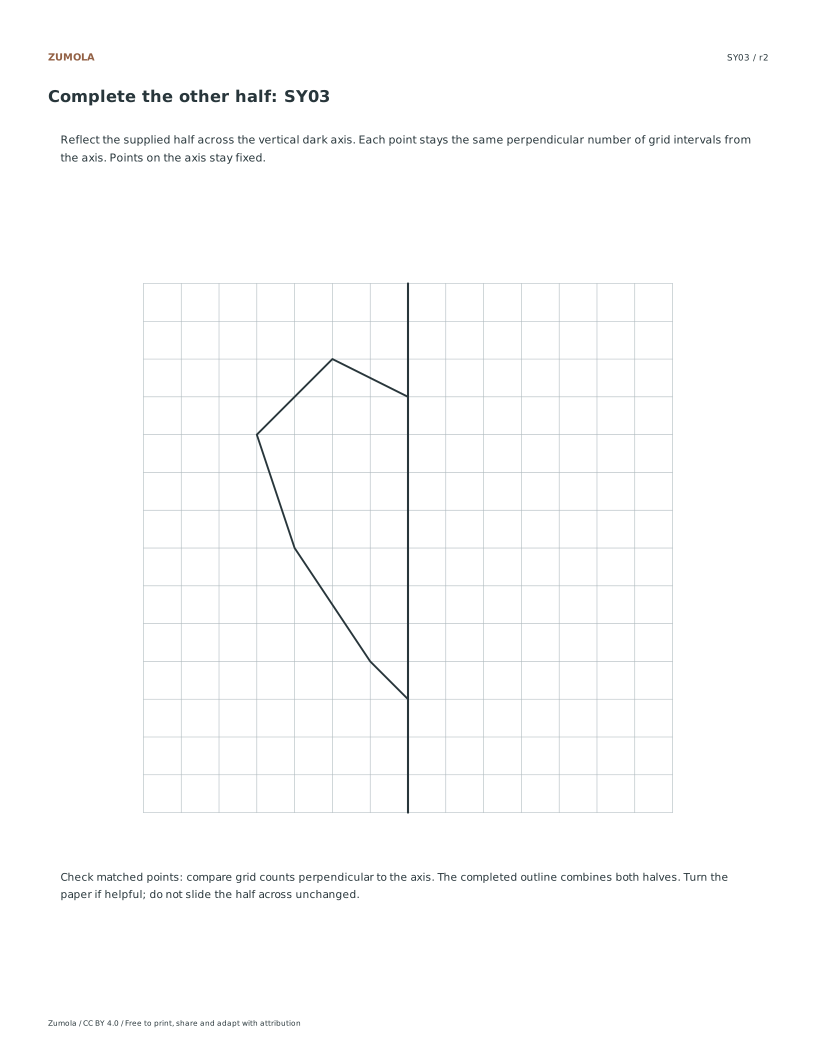
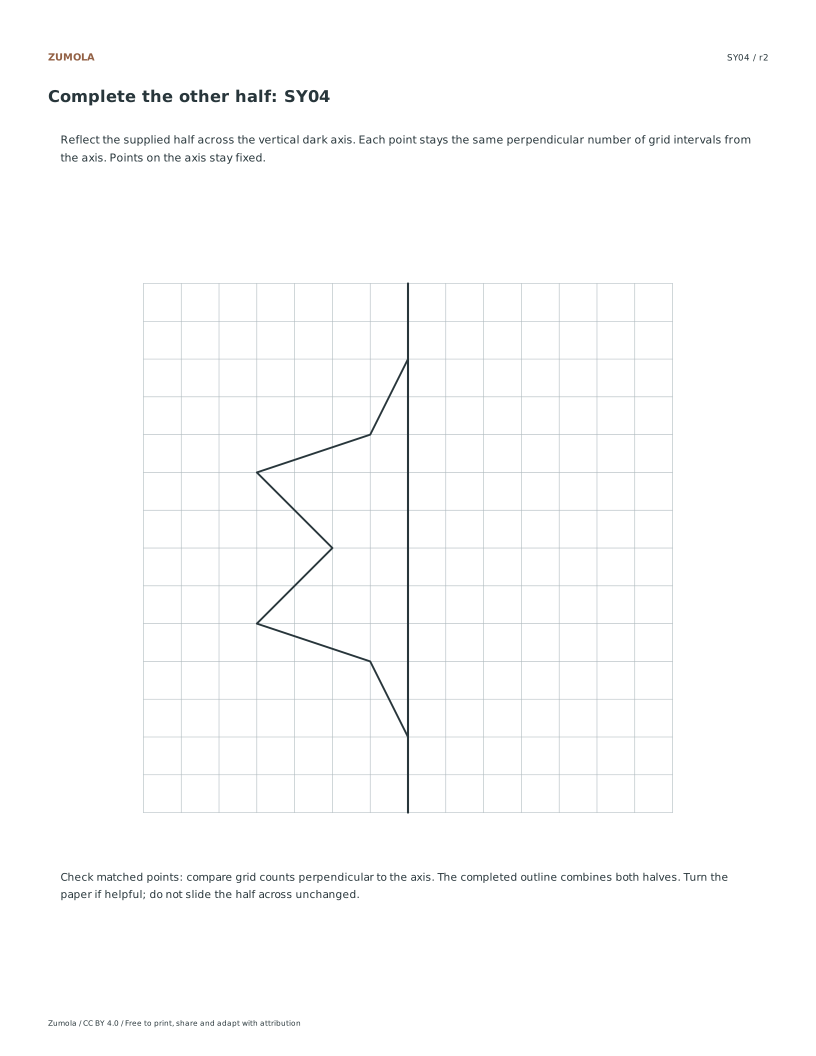
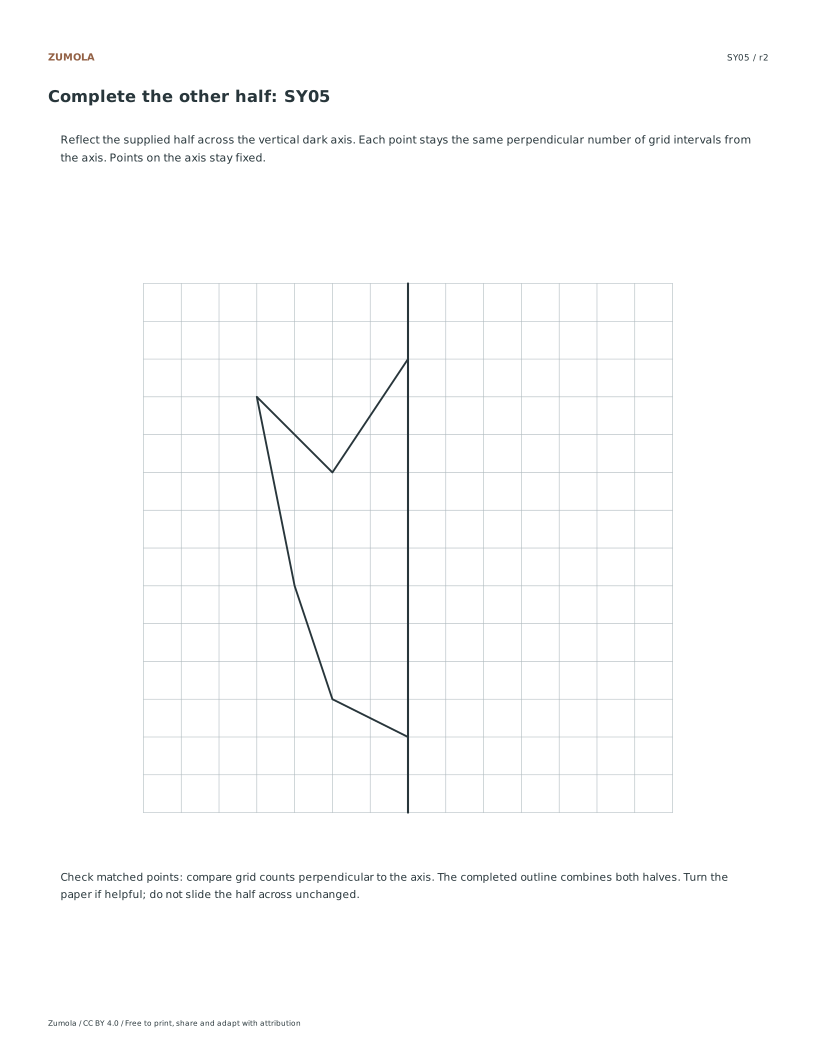
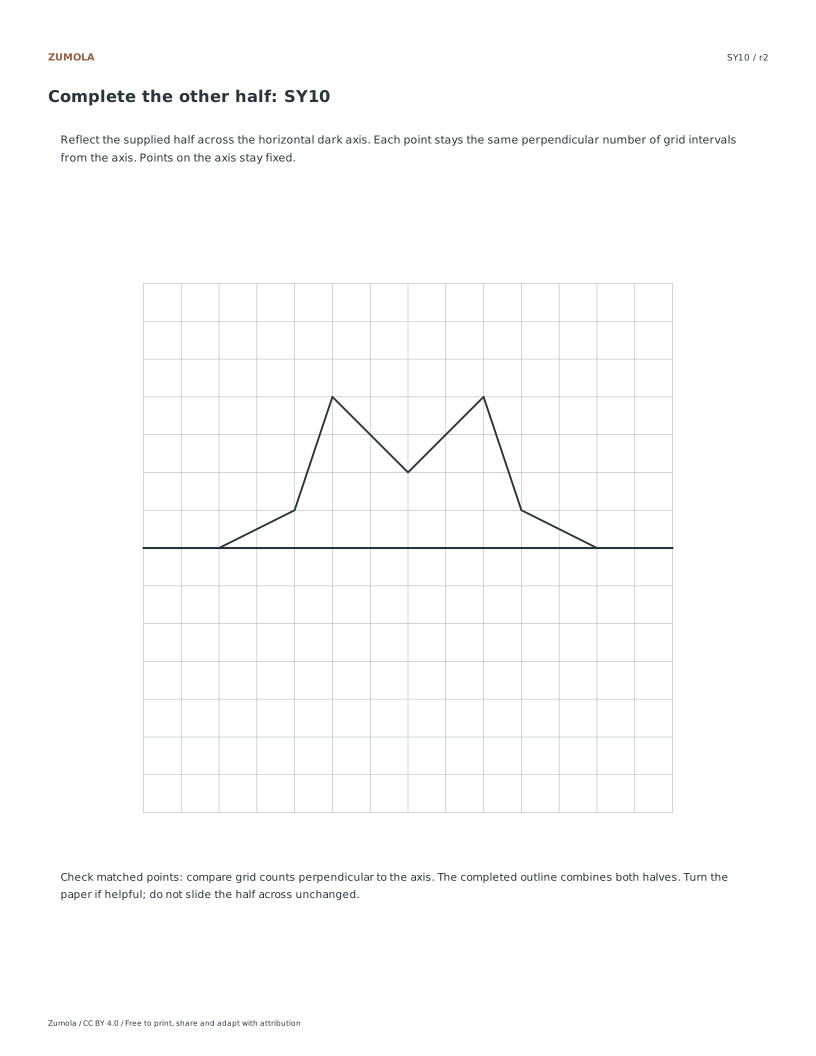
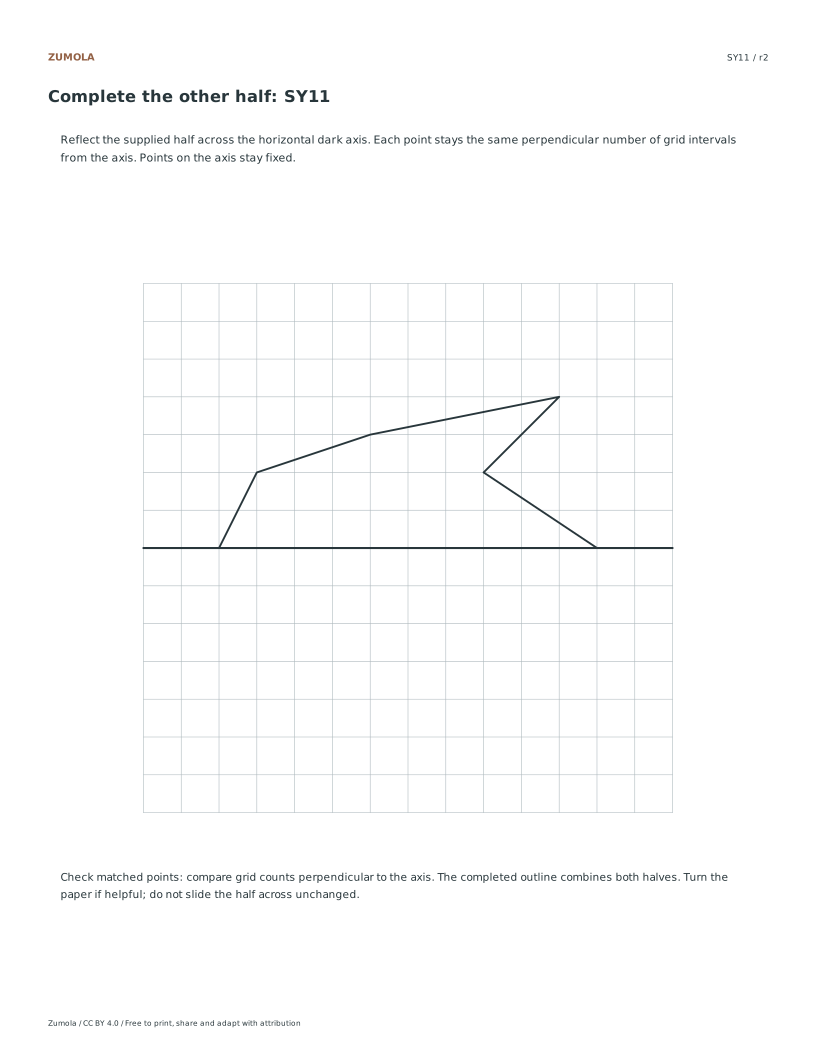
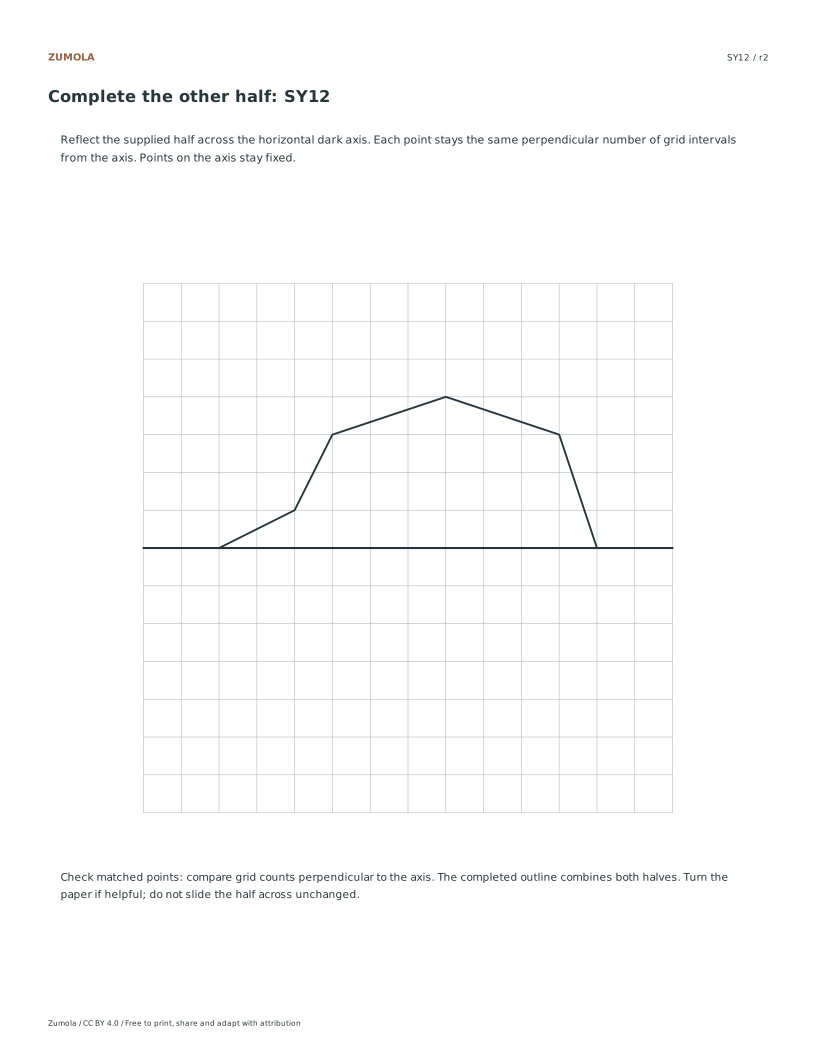
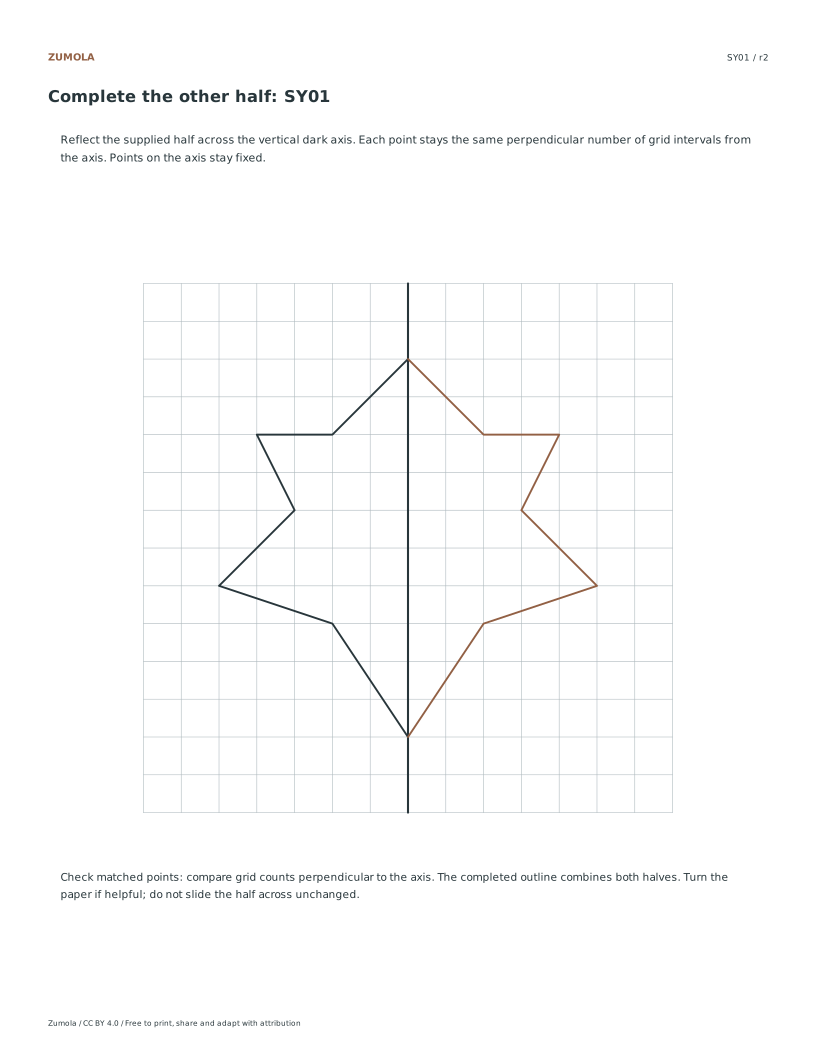
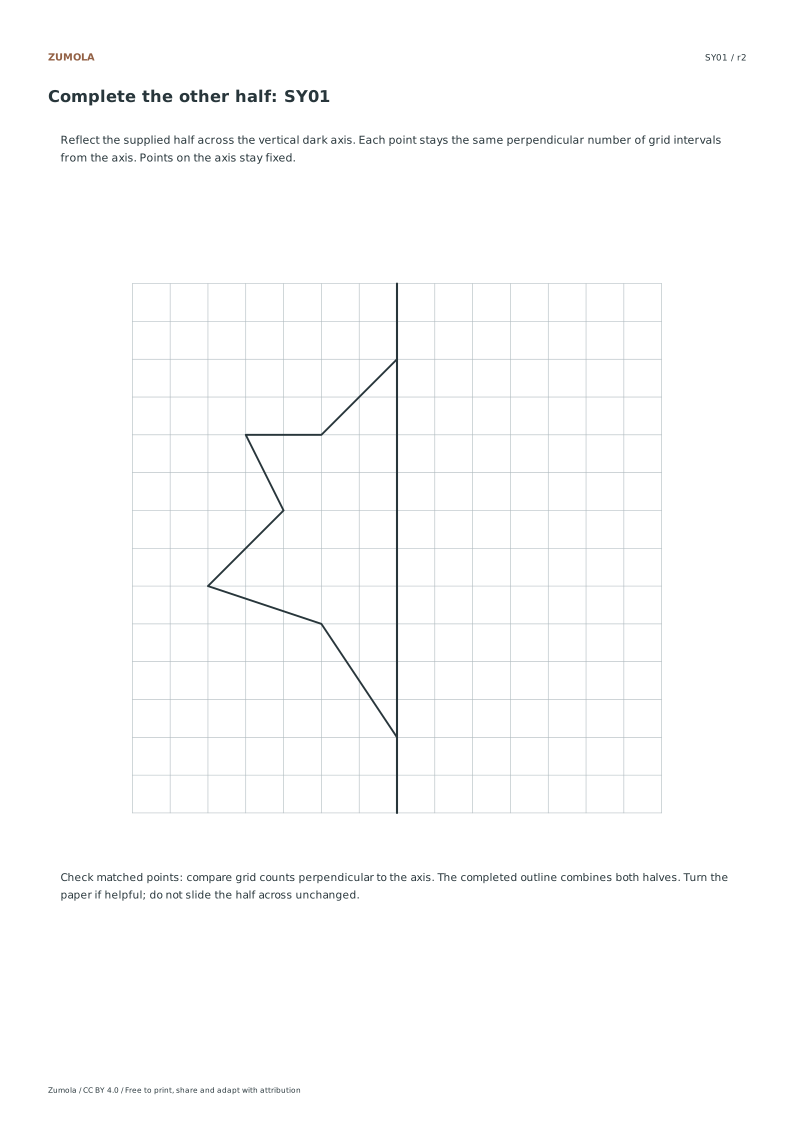
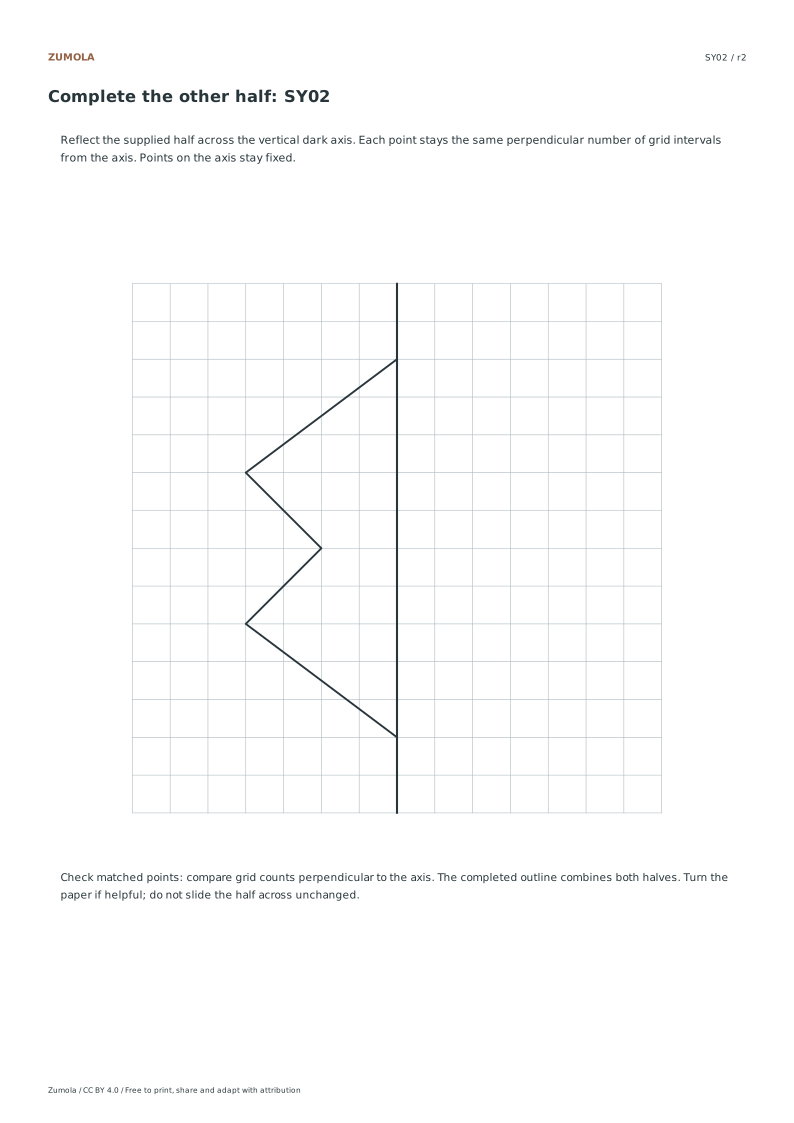
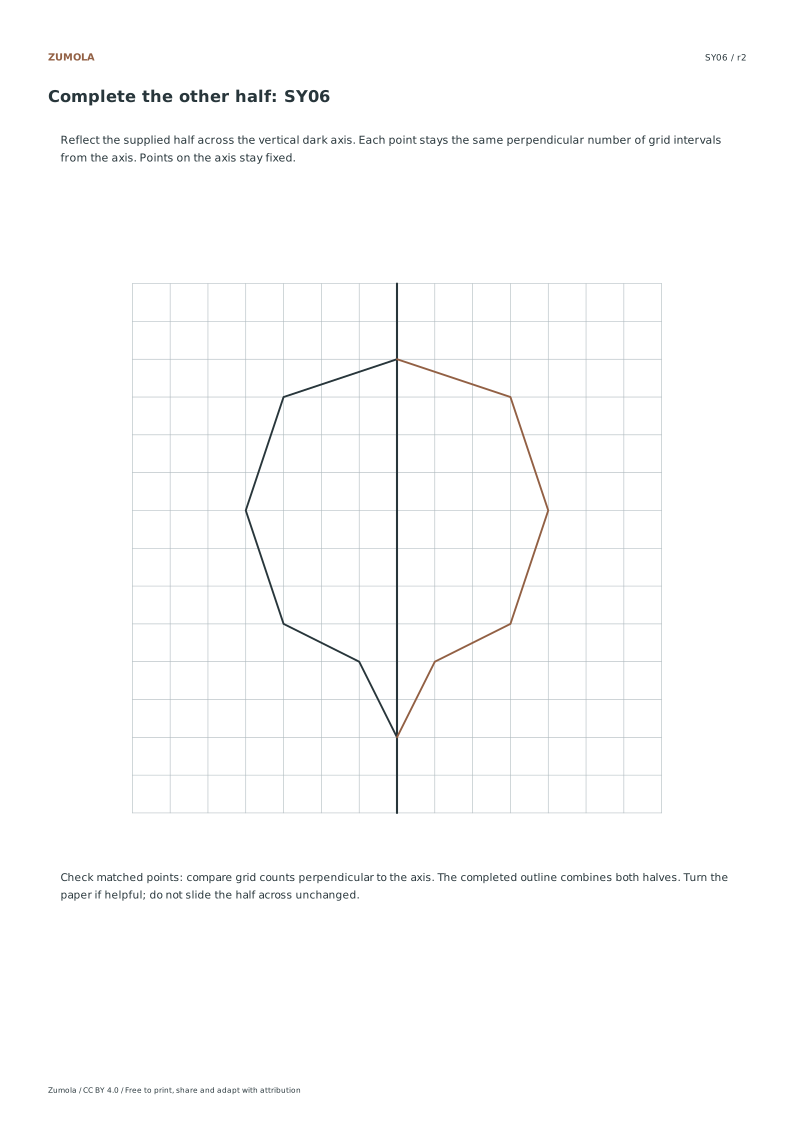
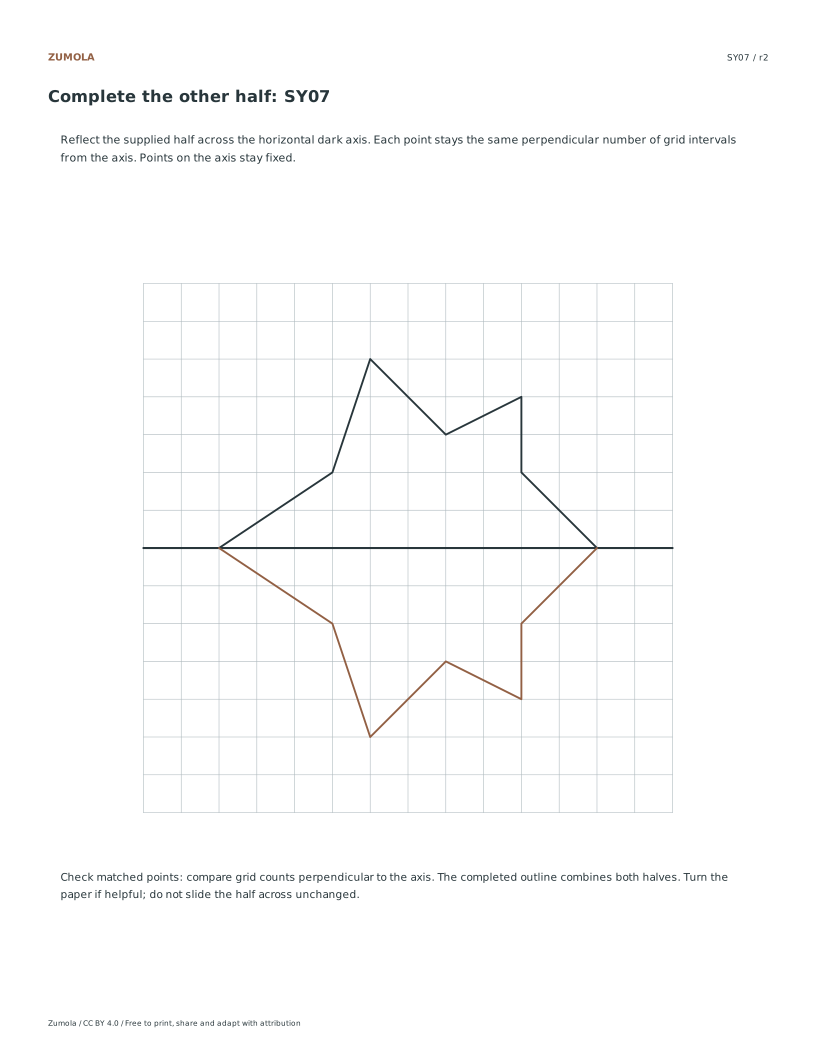
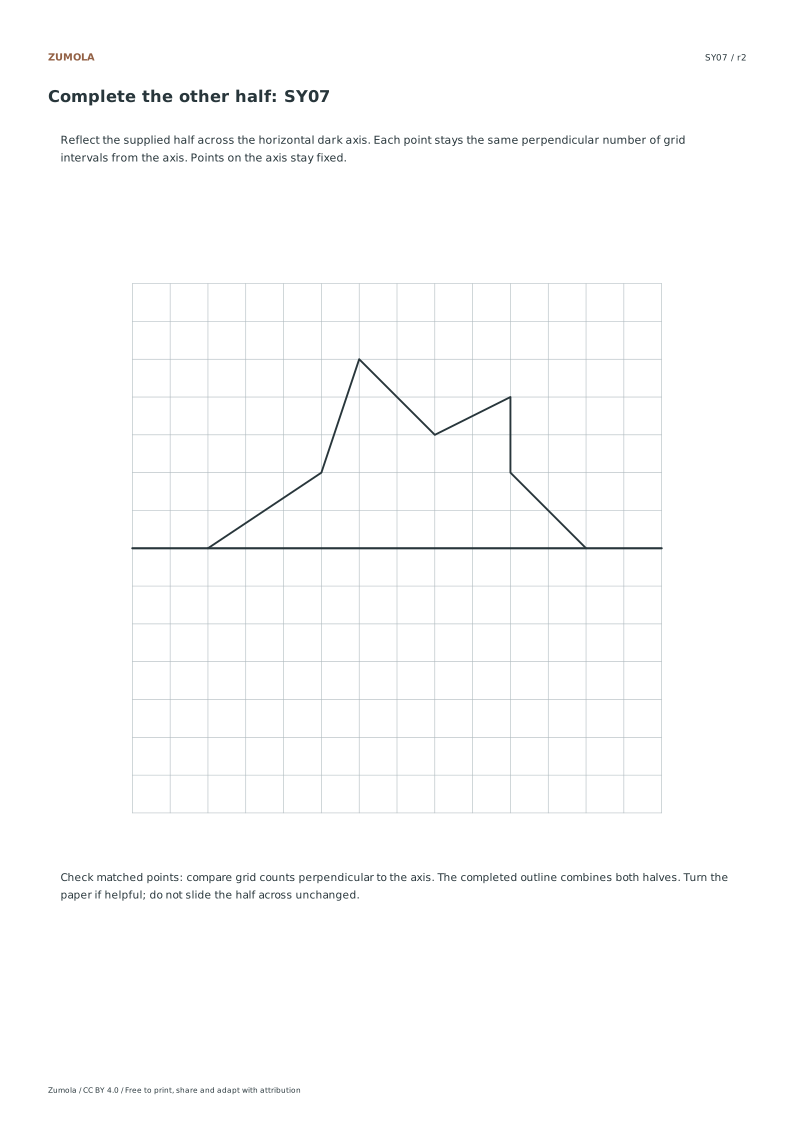
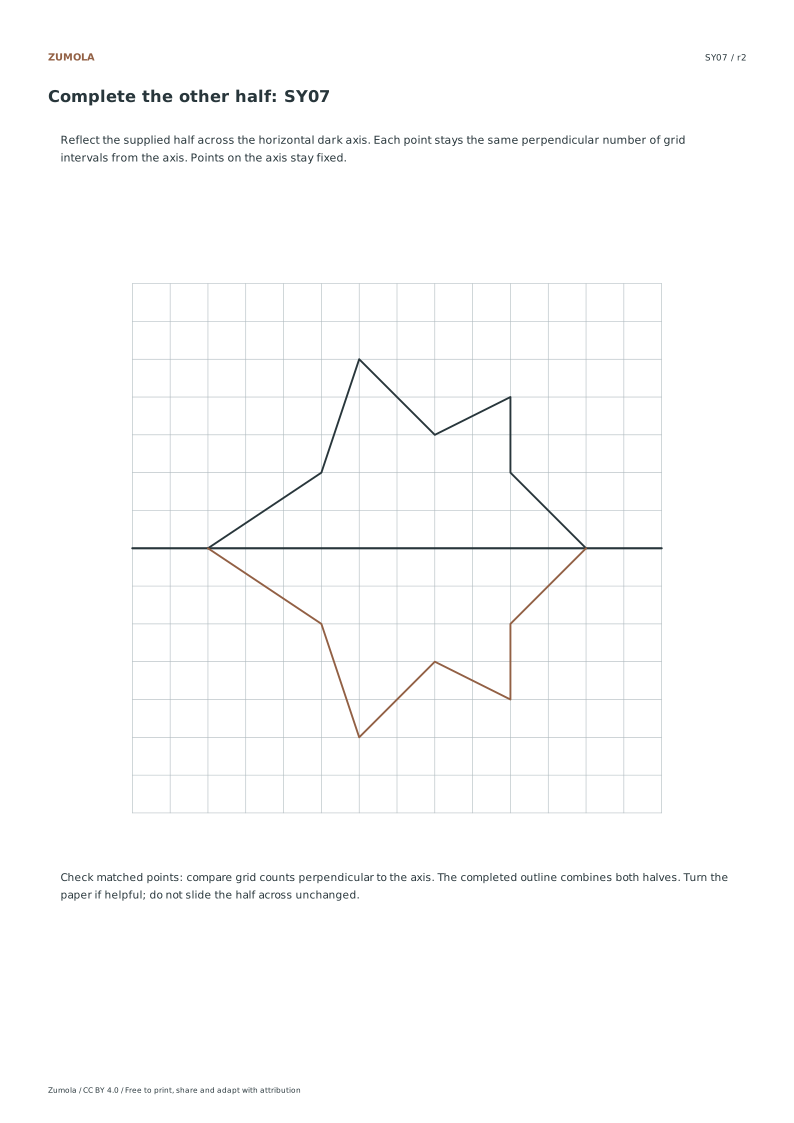
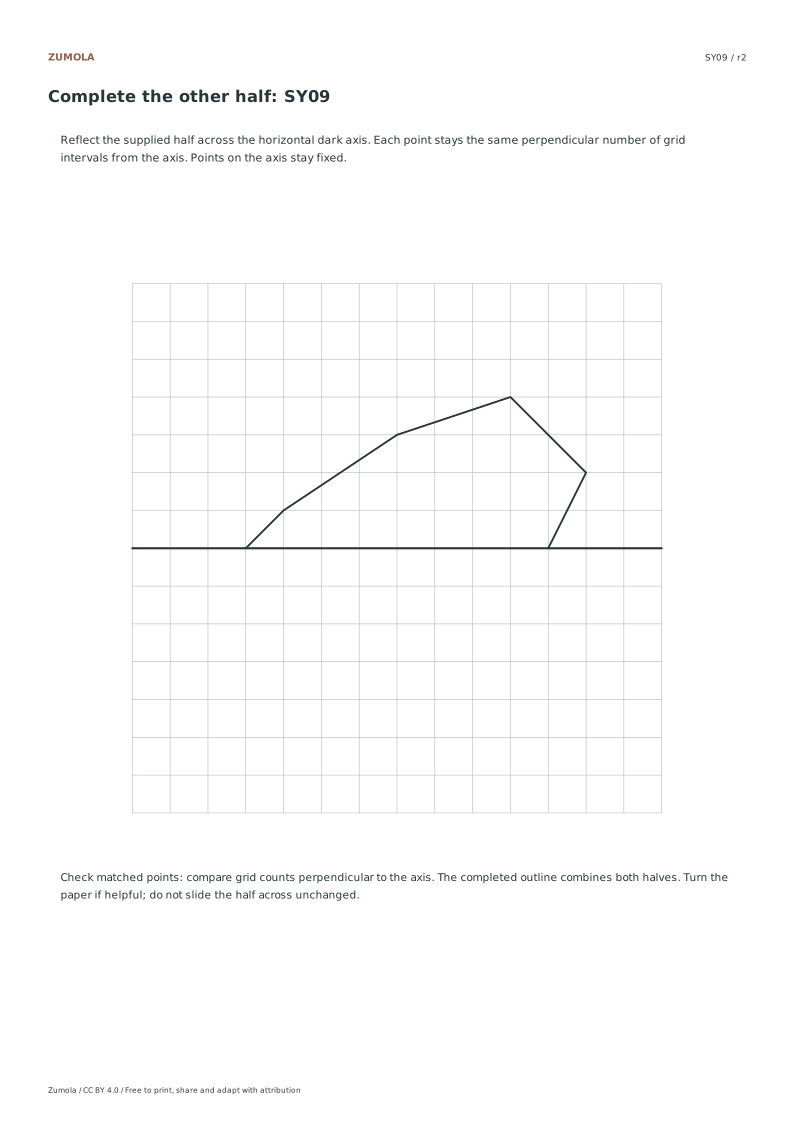
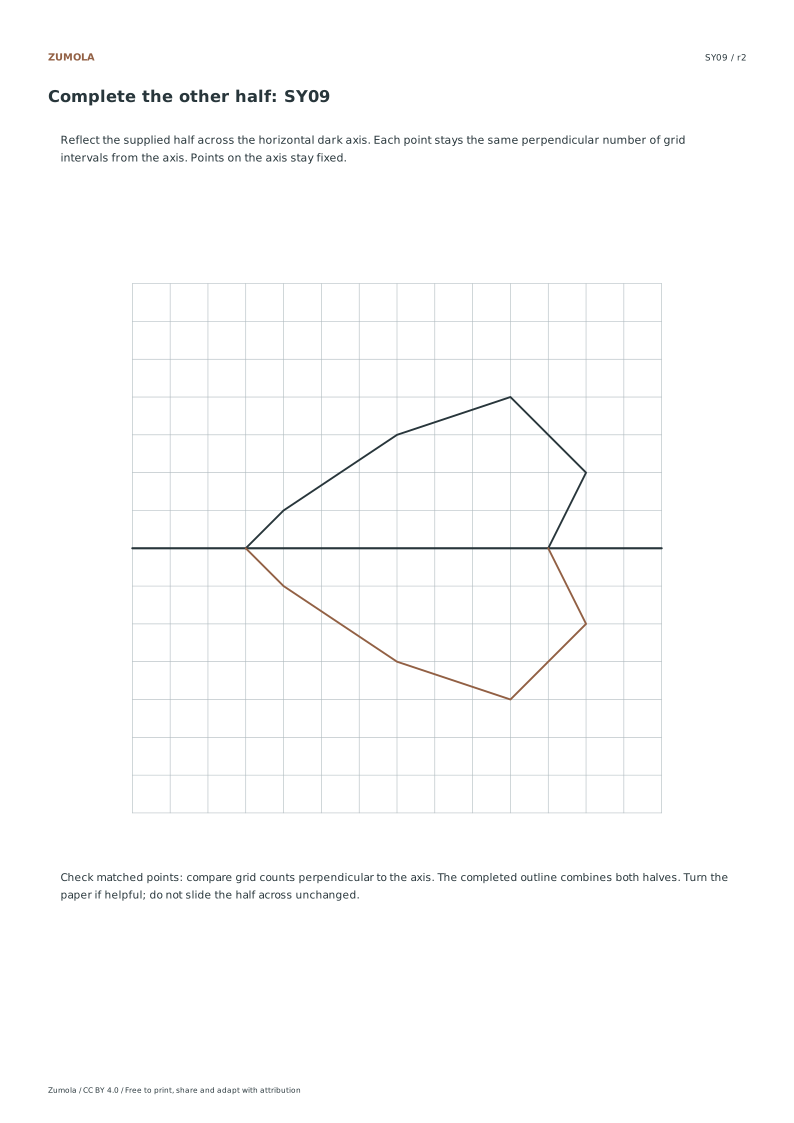
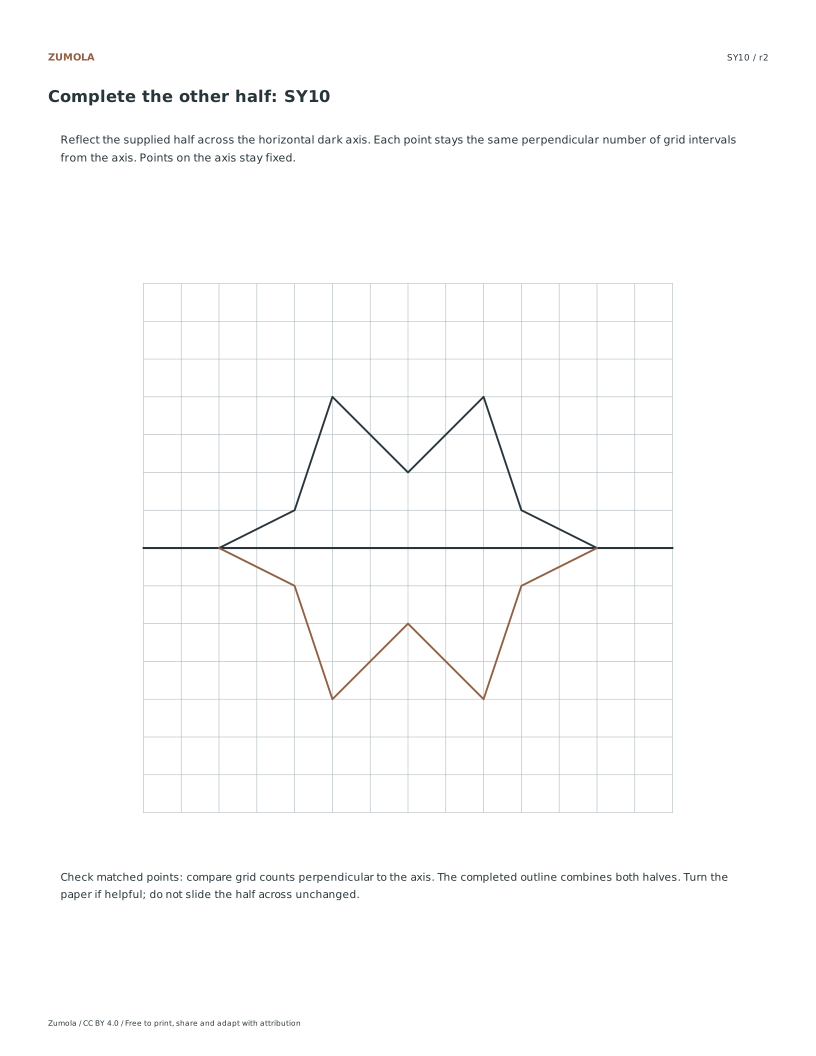
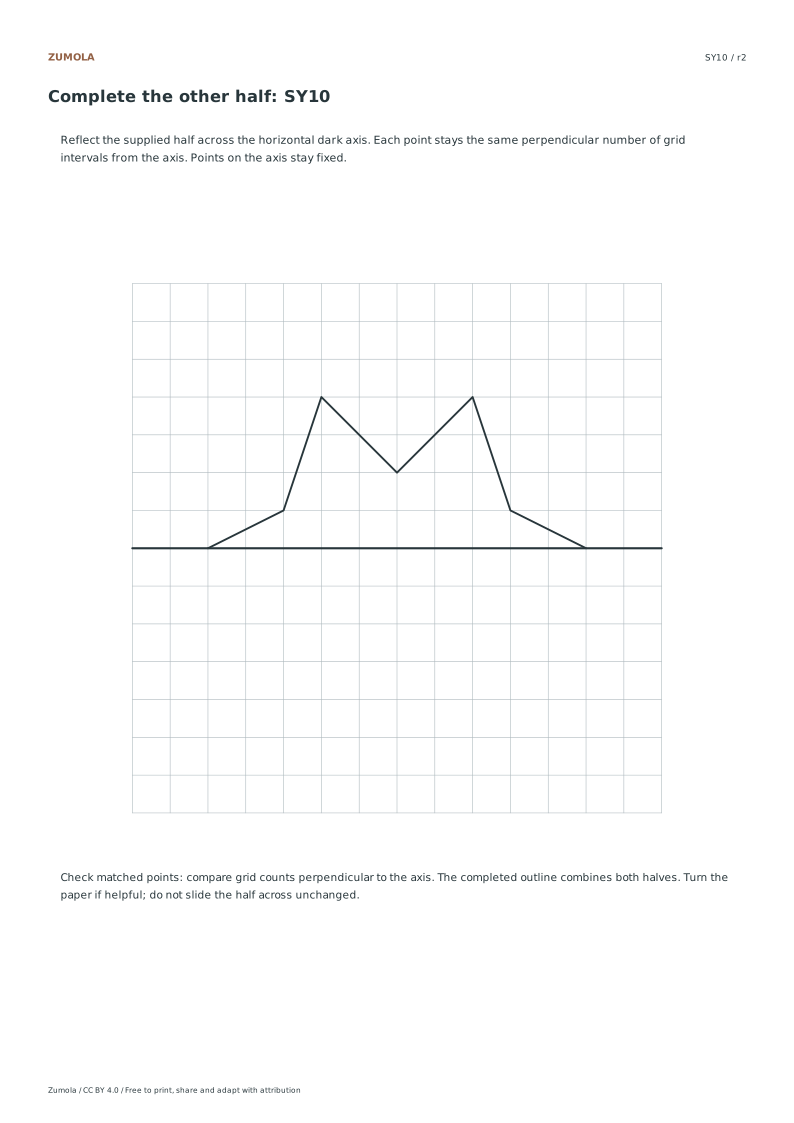
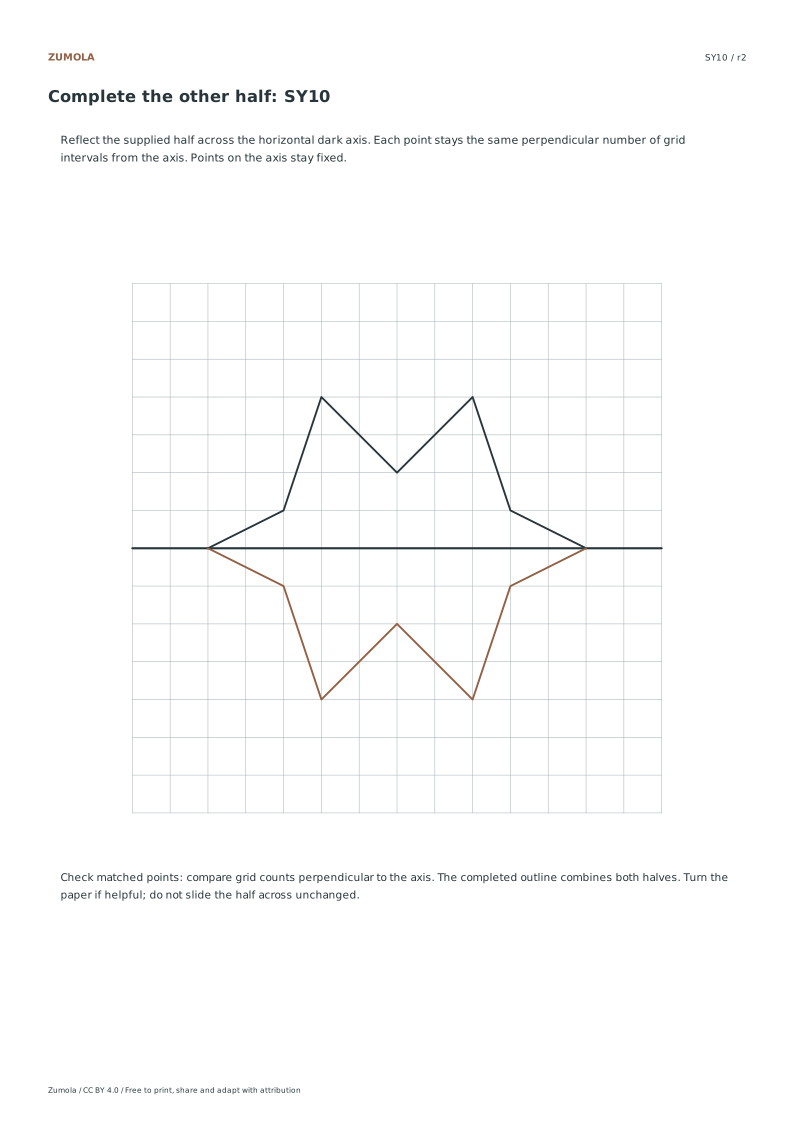
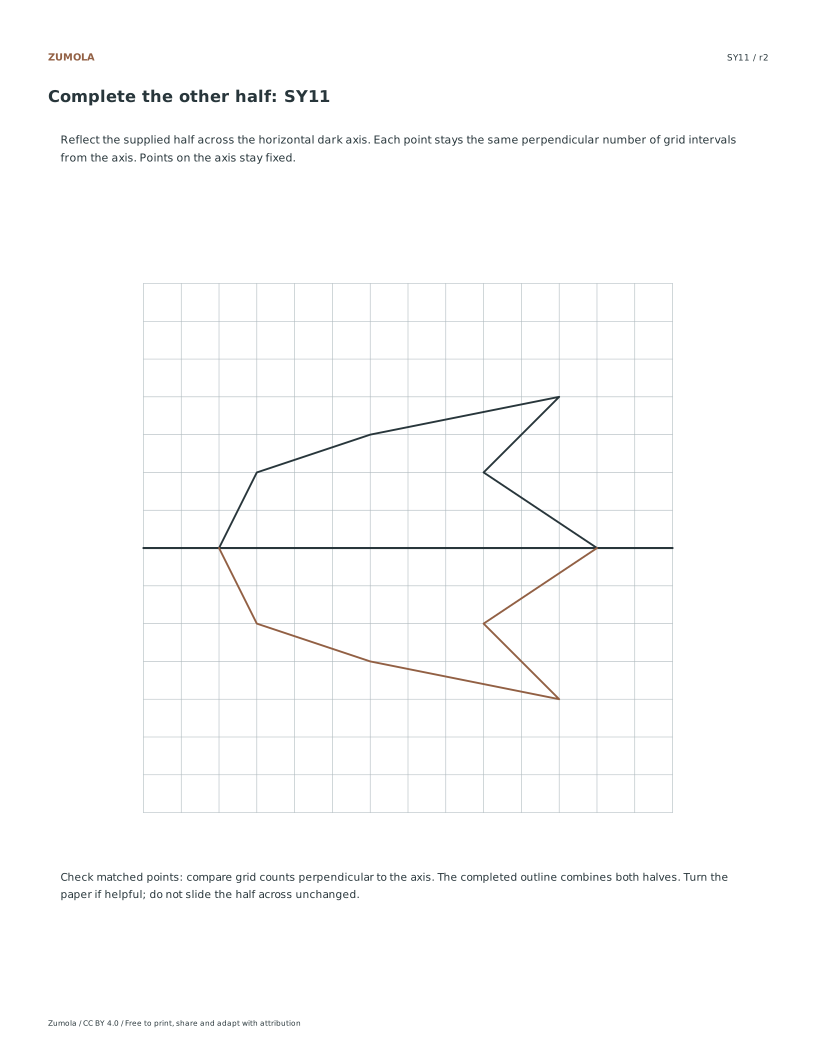
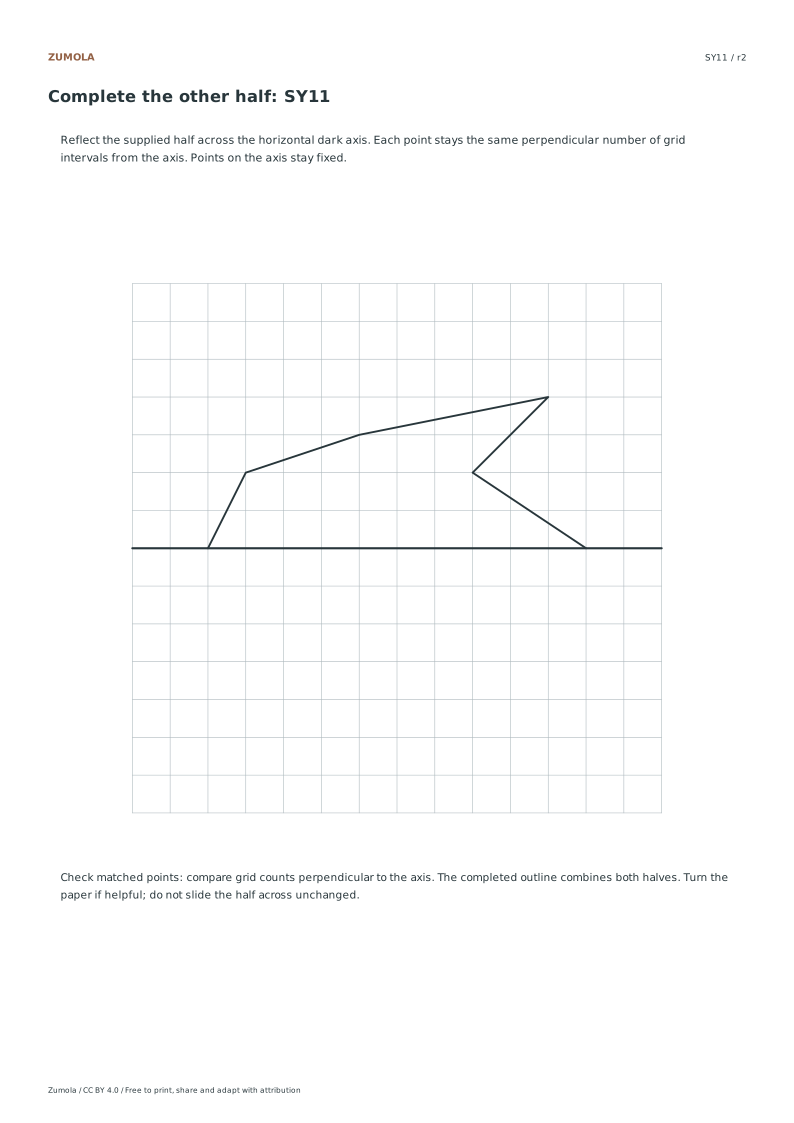
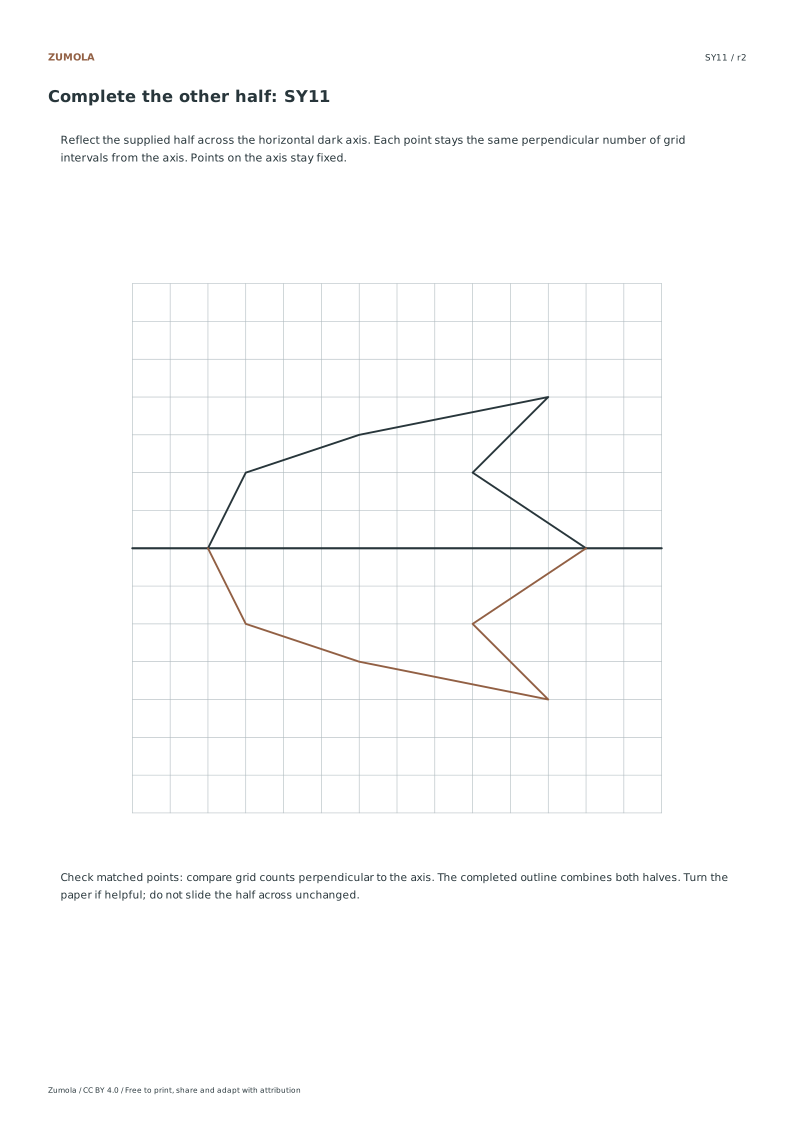
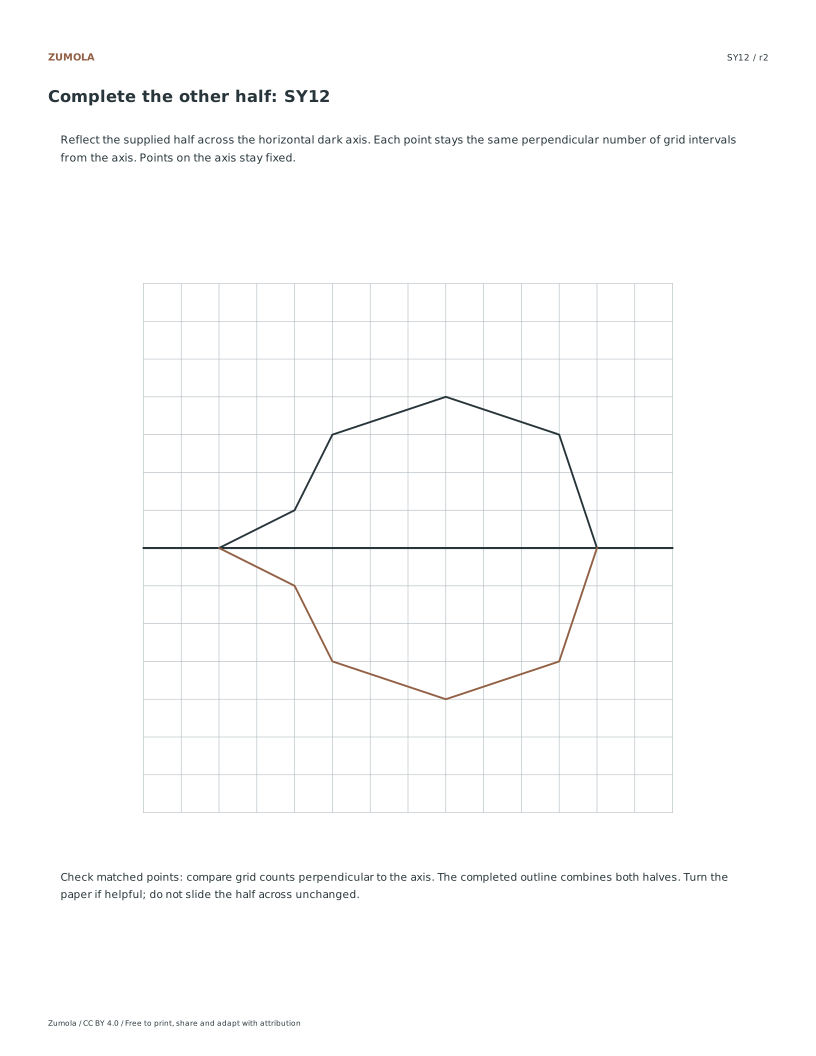
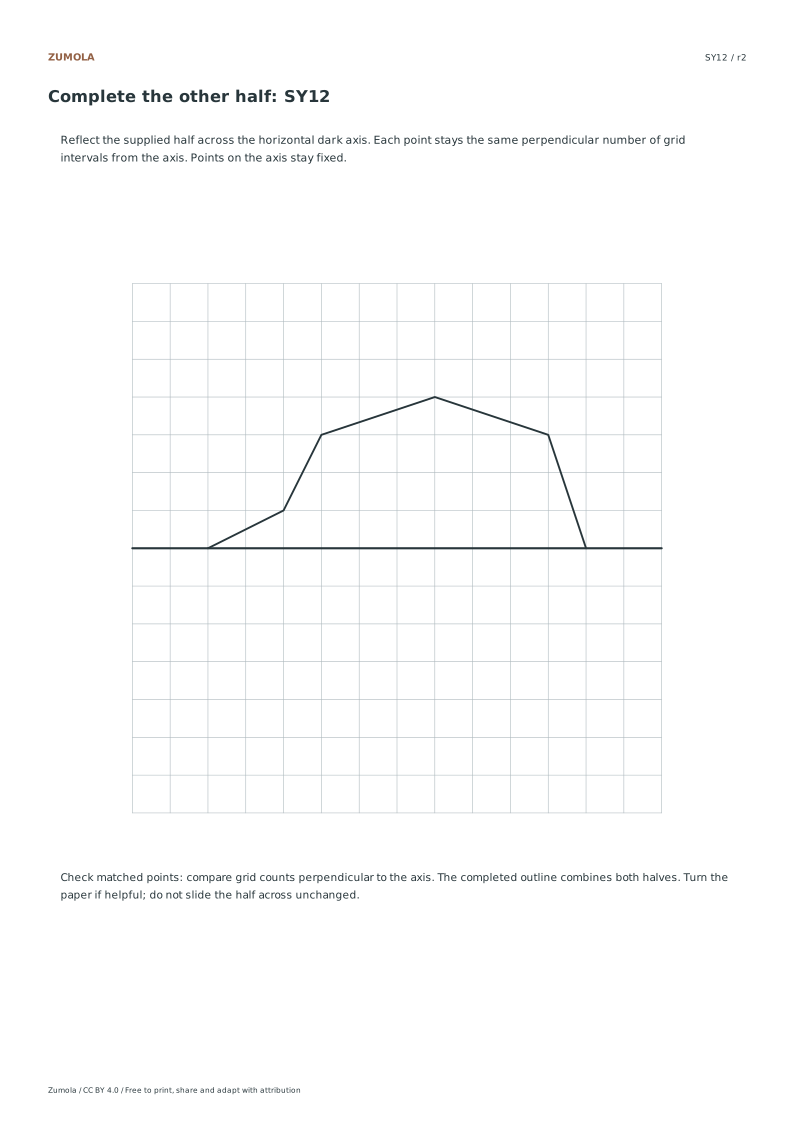
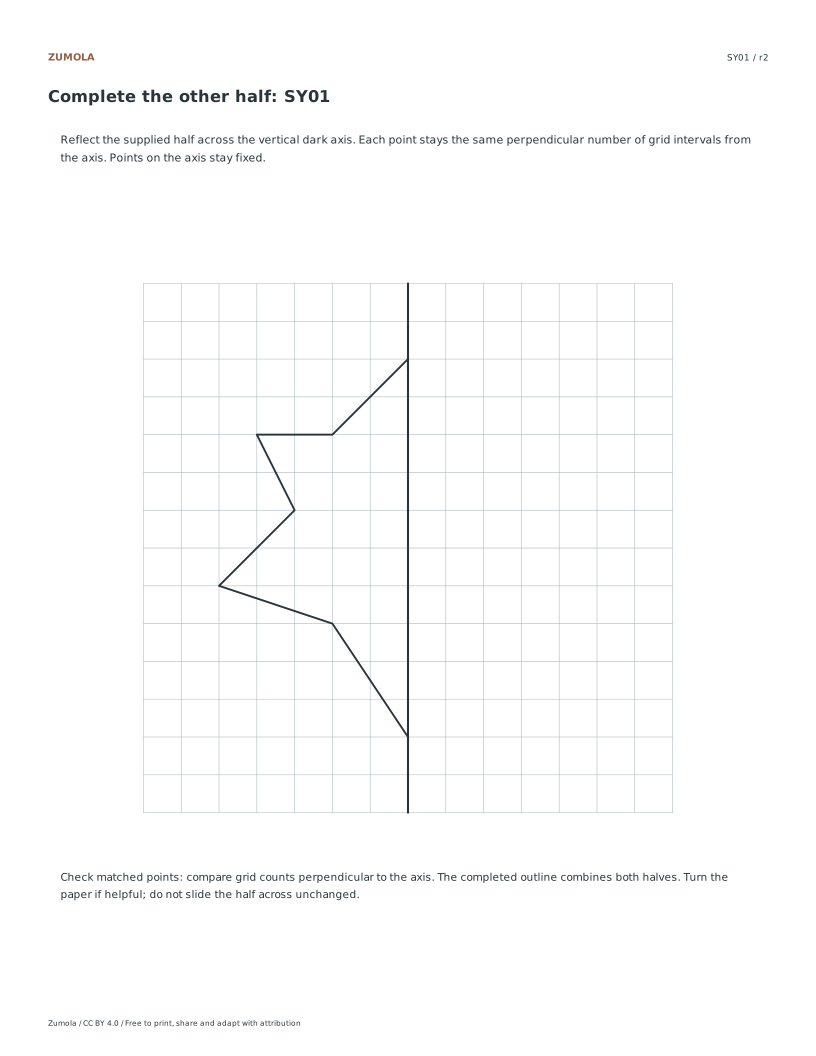
Reflect original geometric motifs across a marked axis. Six vertical and six horizontal exercises make every matching corner countable on the grid.

12 original motifs.
6 vertical + 6 horizontal.
Matching reference answers.

Choose your paper and download

Download paper size

Every worksheet and answer is free. No signup.

The complete collection

One pack for each version.

Download the student pack for practice and the separate answer pack to compare. Individual editable sheets appear below. The paper-size choice applies to every download button.

12 pages per file · free · CC BY 4.0

All paper sizes & editable formats
US Letter
A4

Reflect one point before the whole outline

Mirror linePointReflected point
x = 0 (vertical axis)(-3, 2)(3, 2)
y = 0 (horizontal axis)(2, -4)(2, 4)
x = a (general rule)(x, y)(2a − x, y)
y = b (general rule)(x, y)(x, 2b − y)

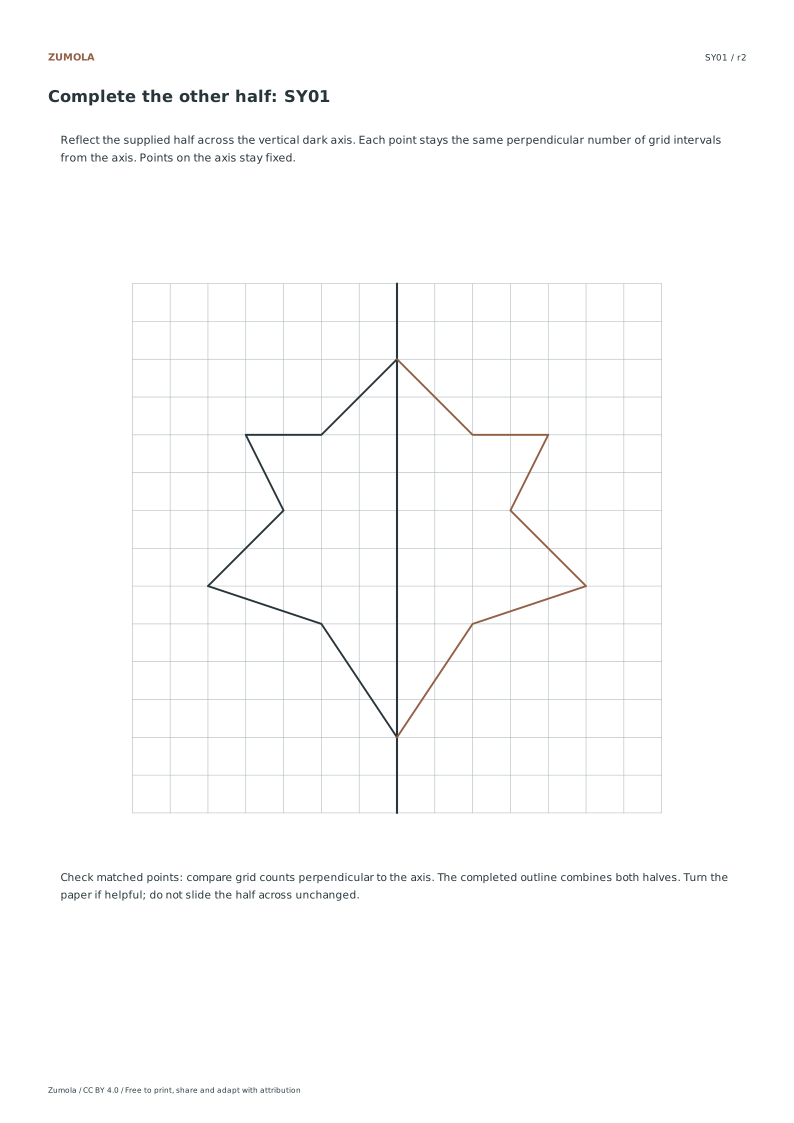
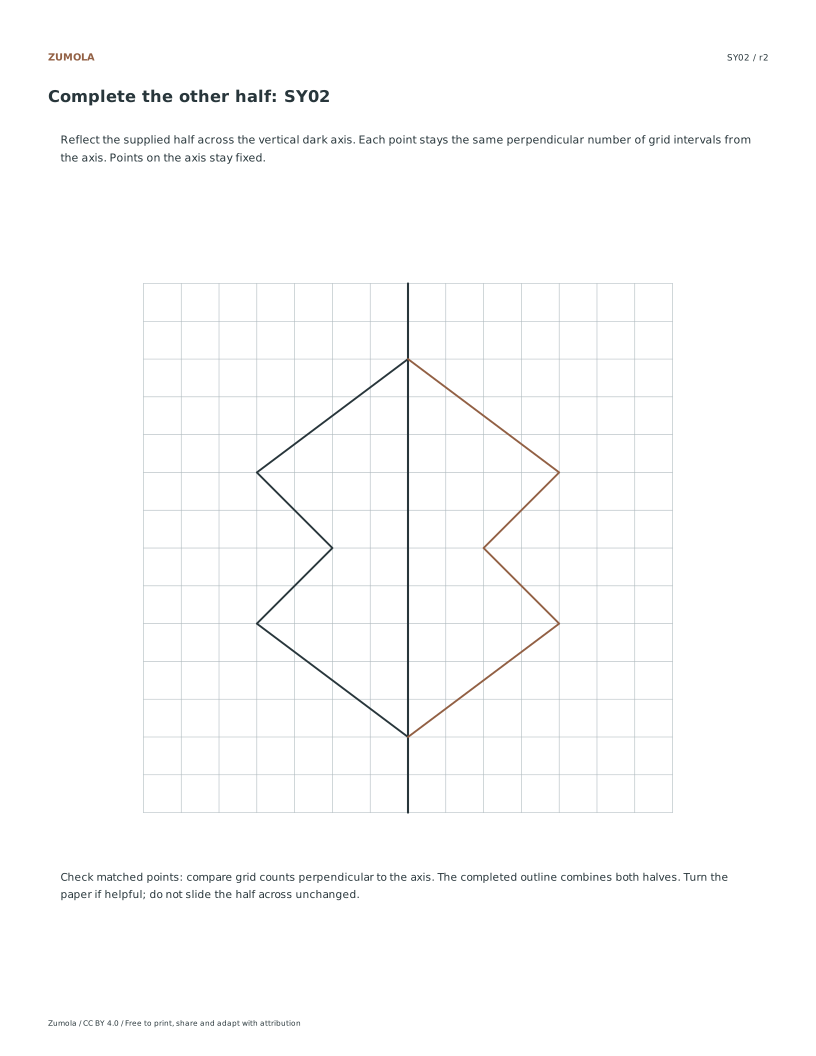
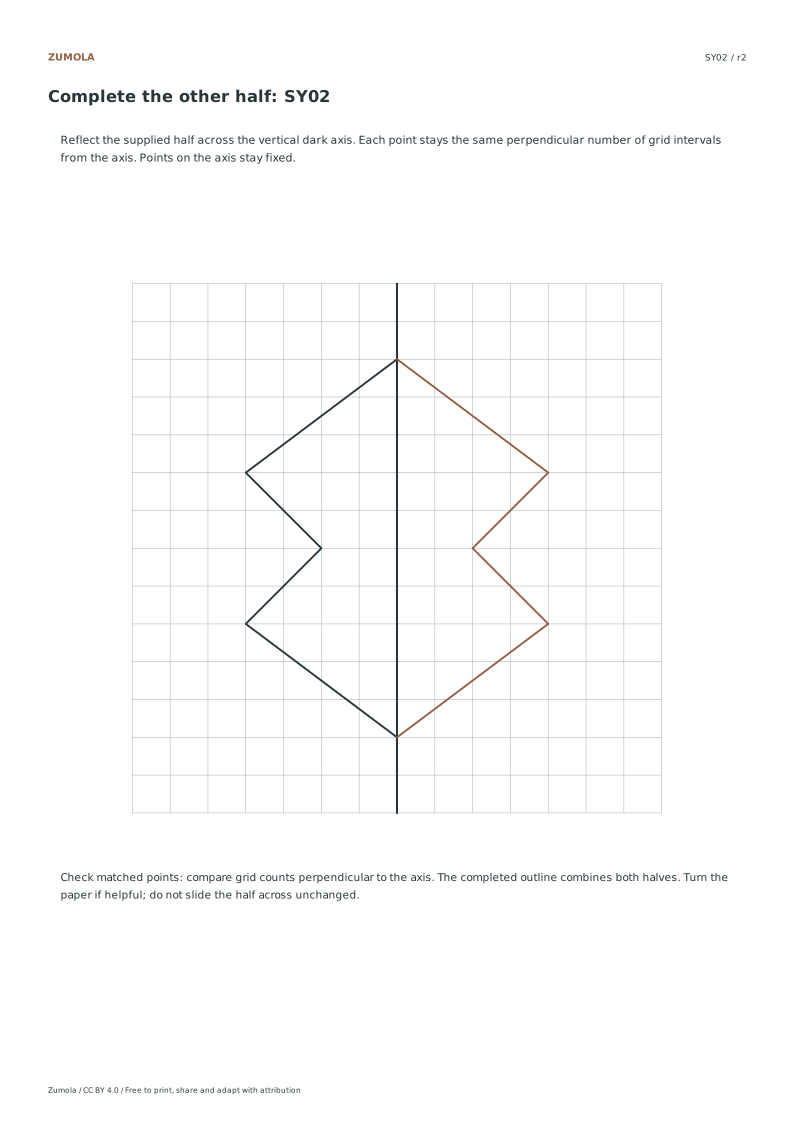
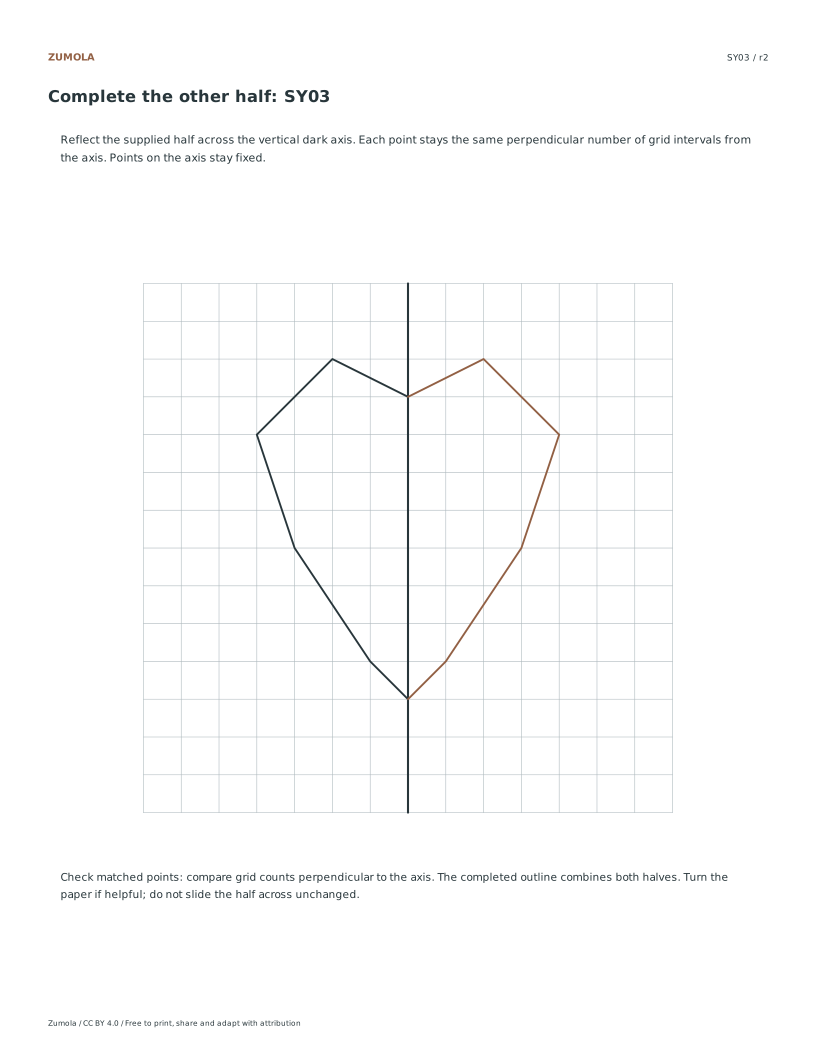
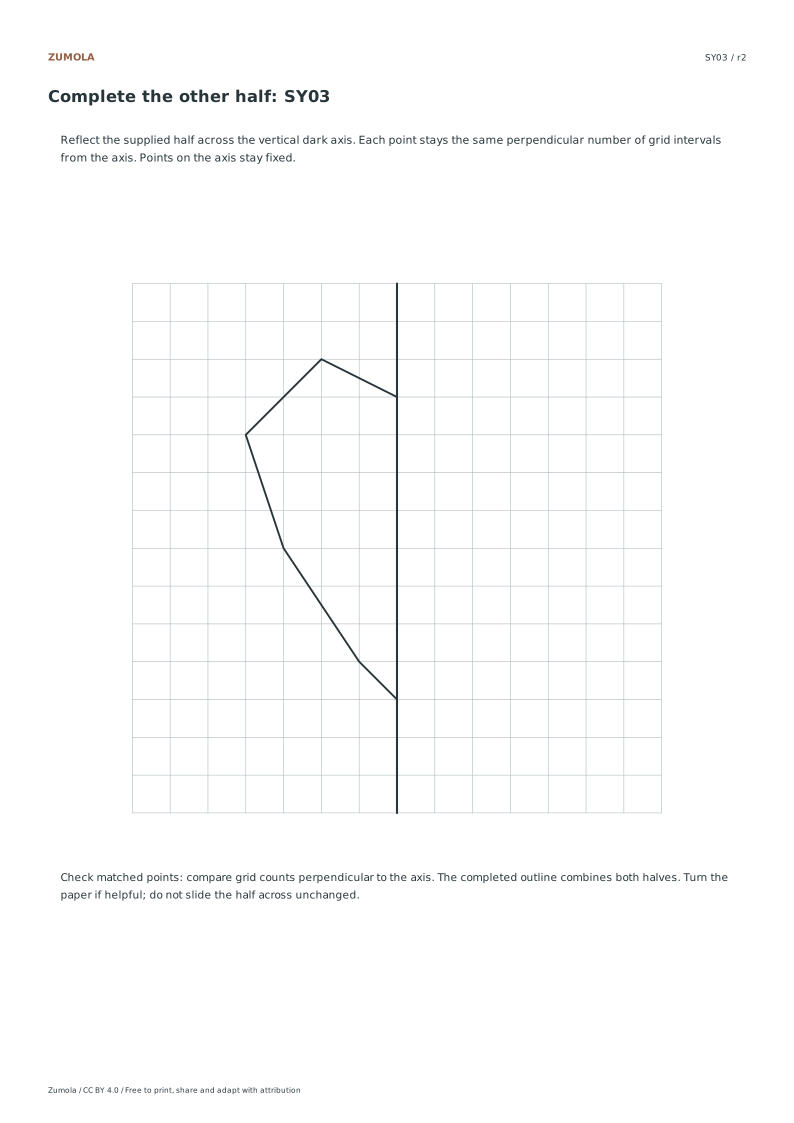
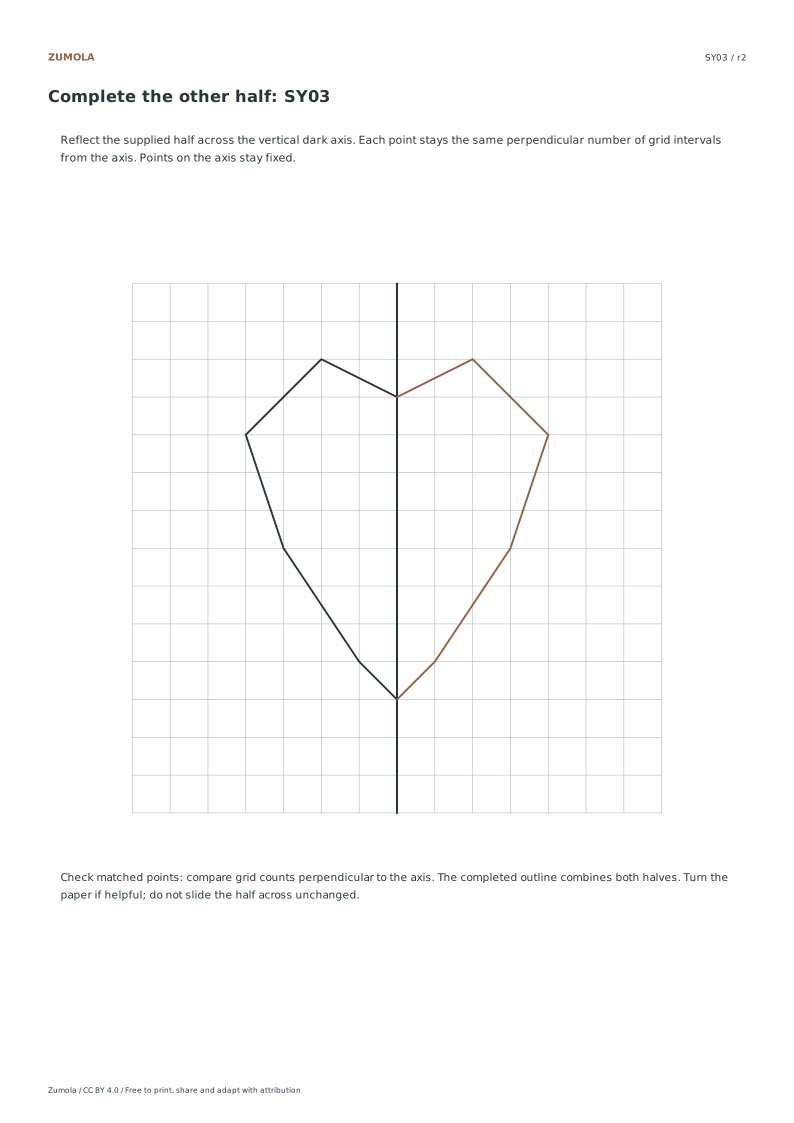
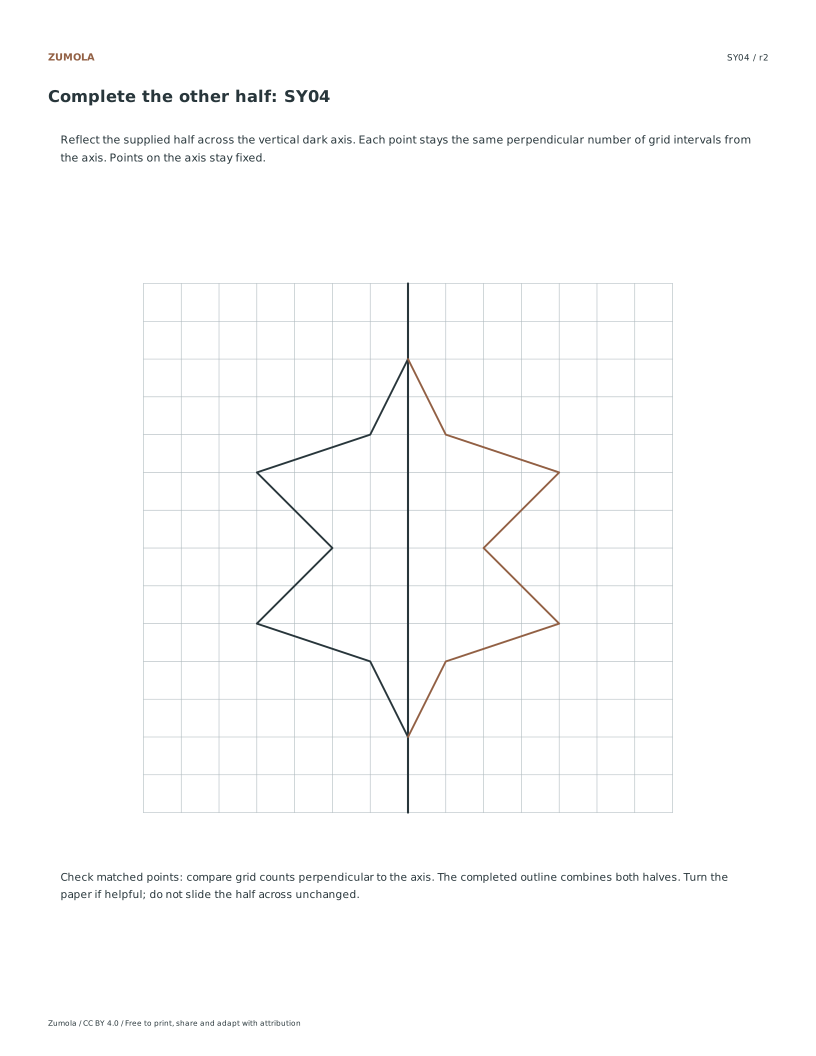
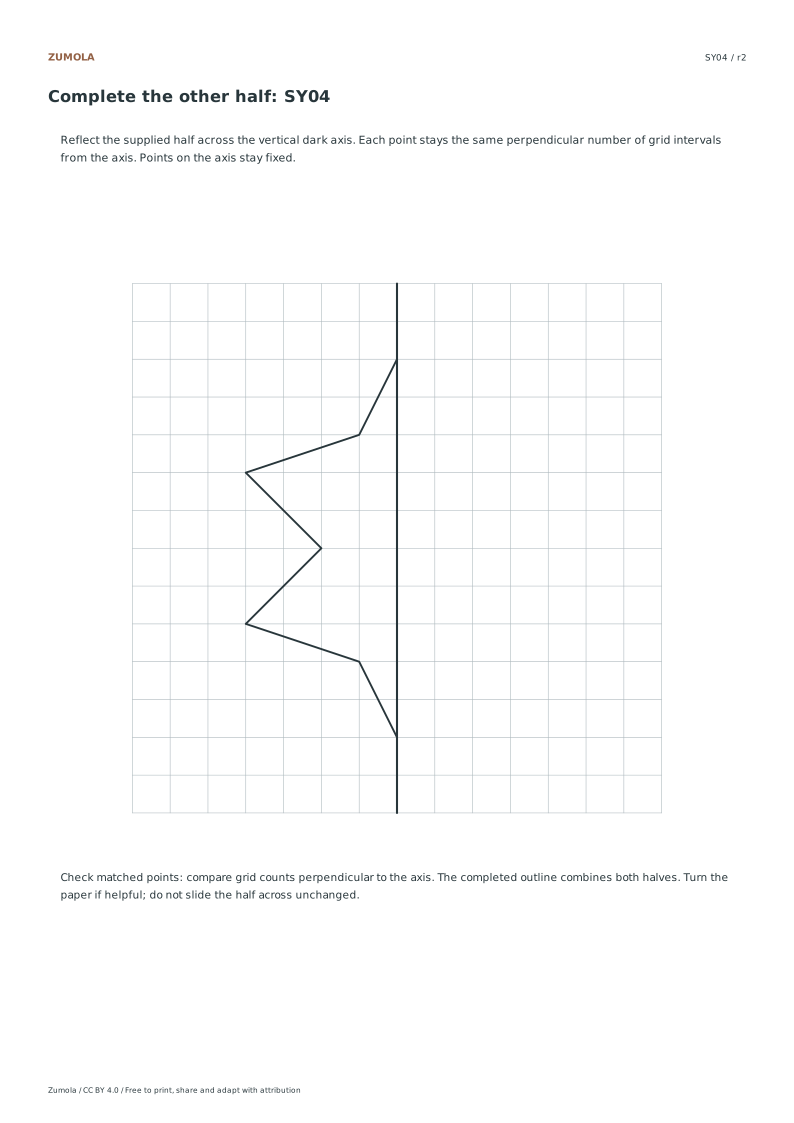
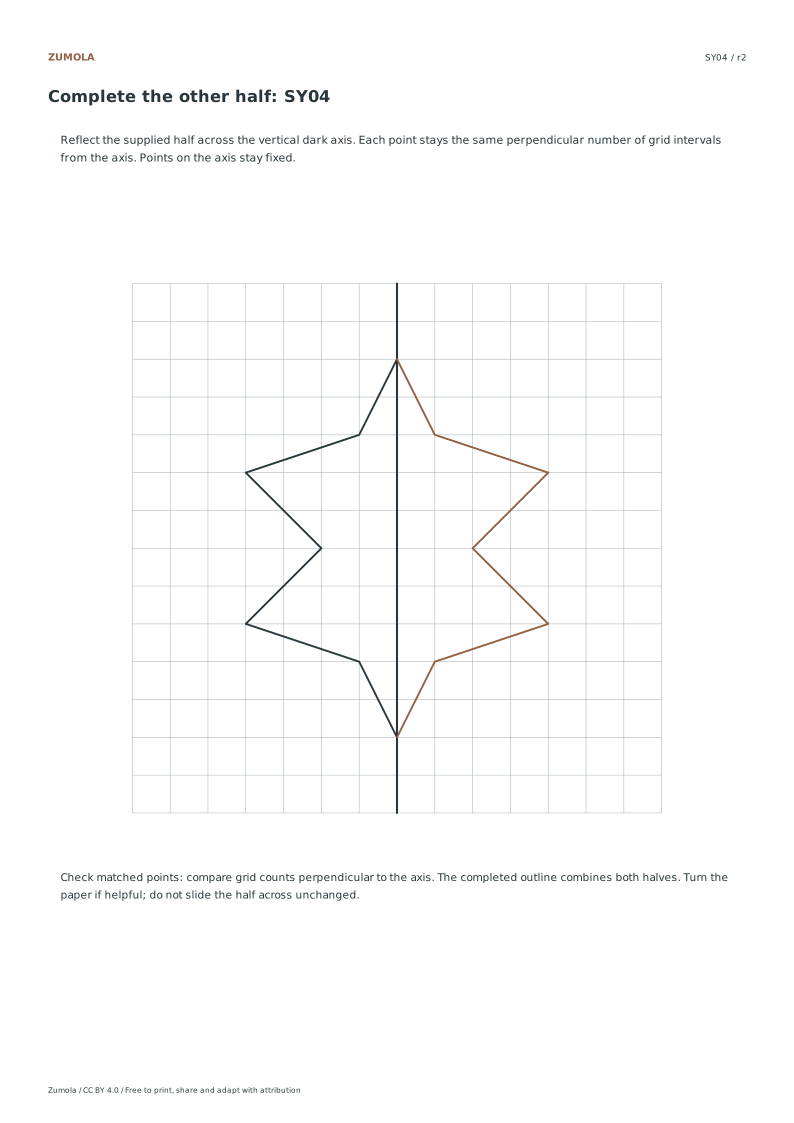
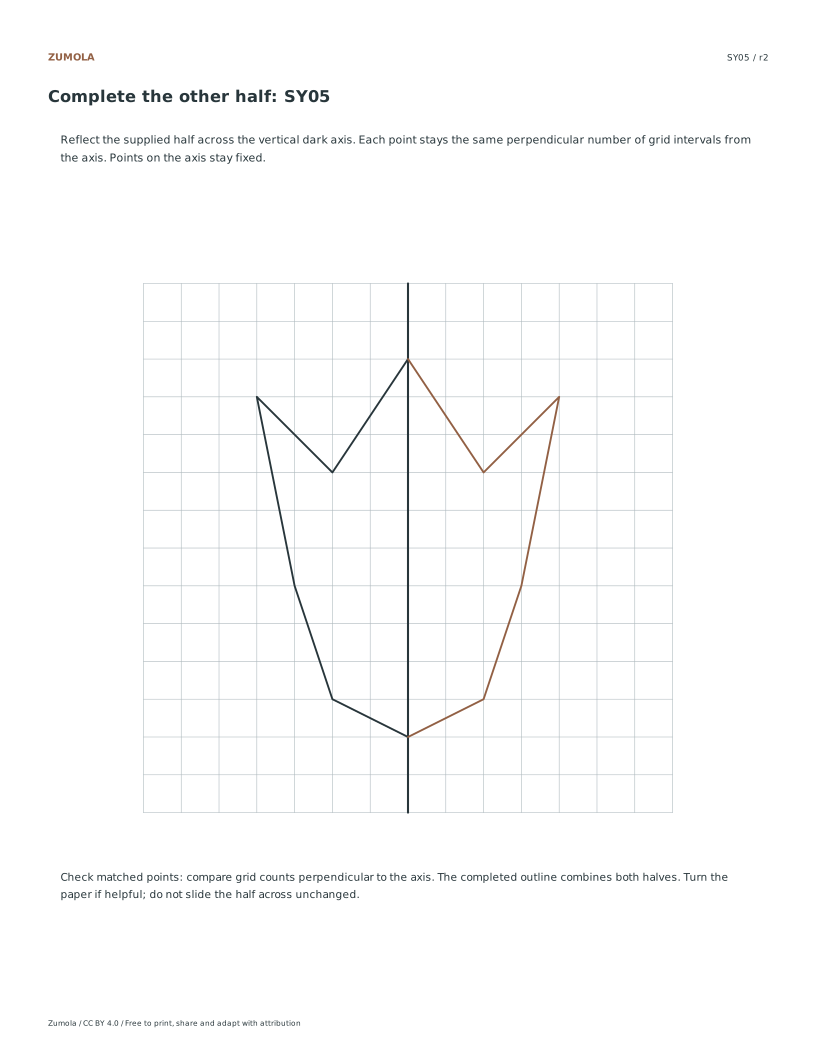
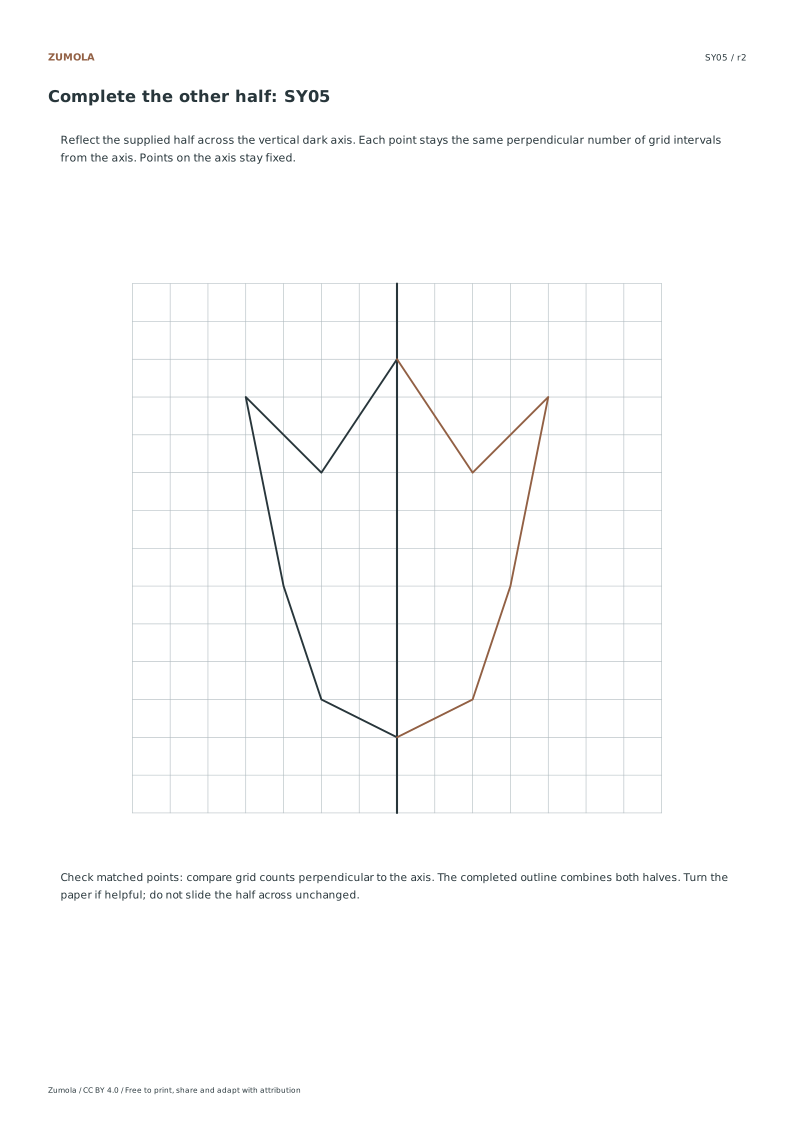
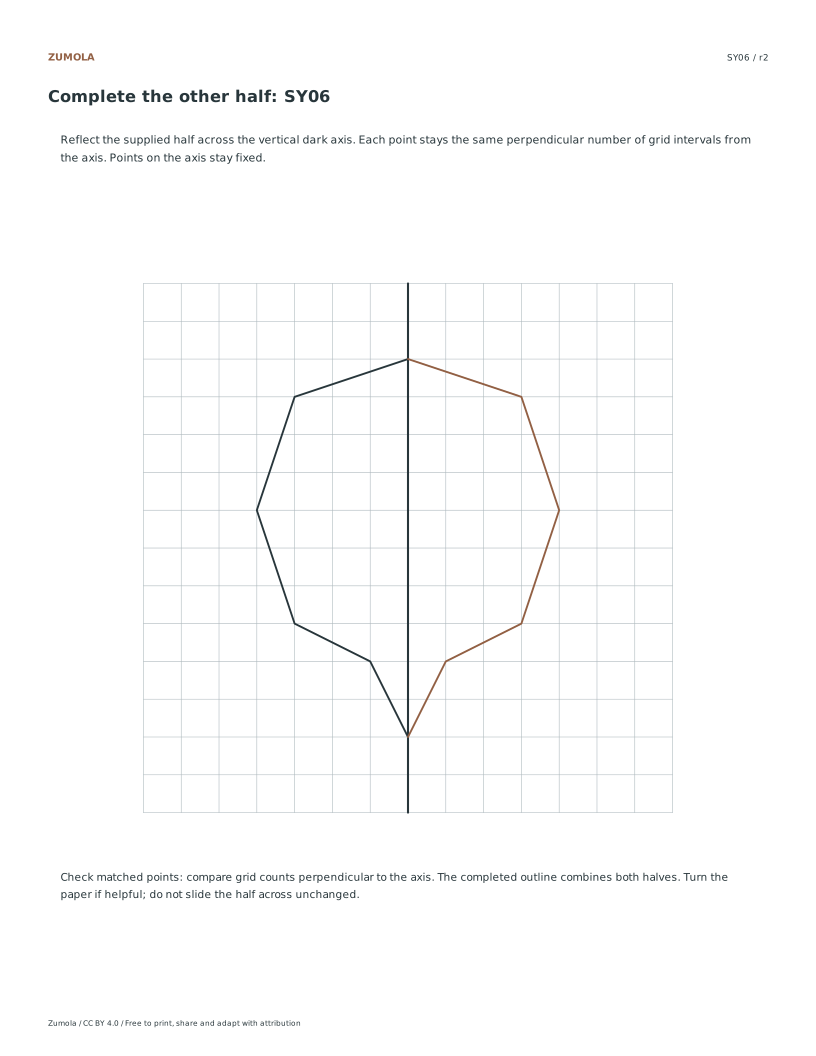
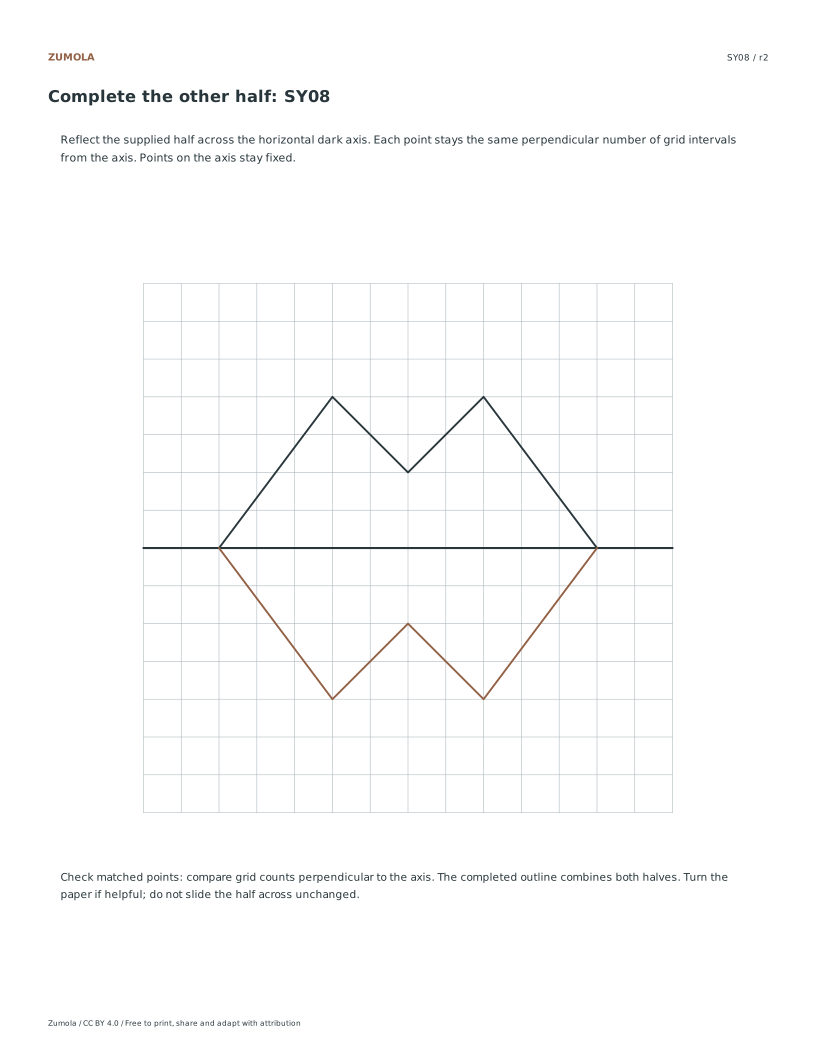
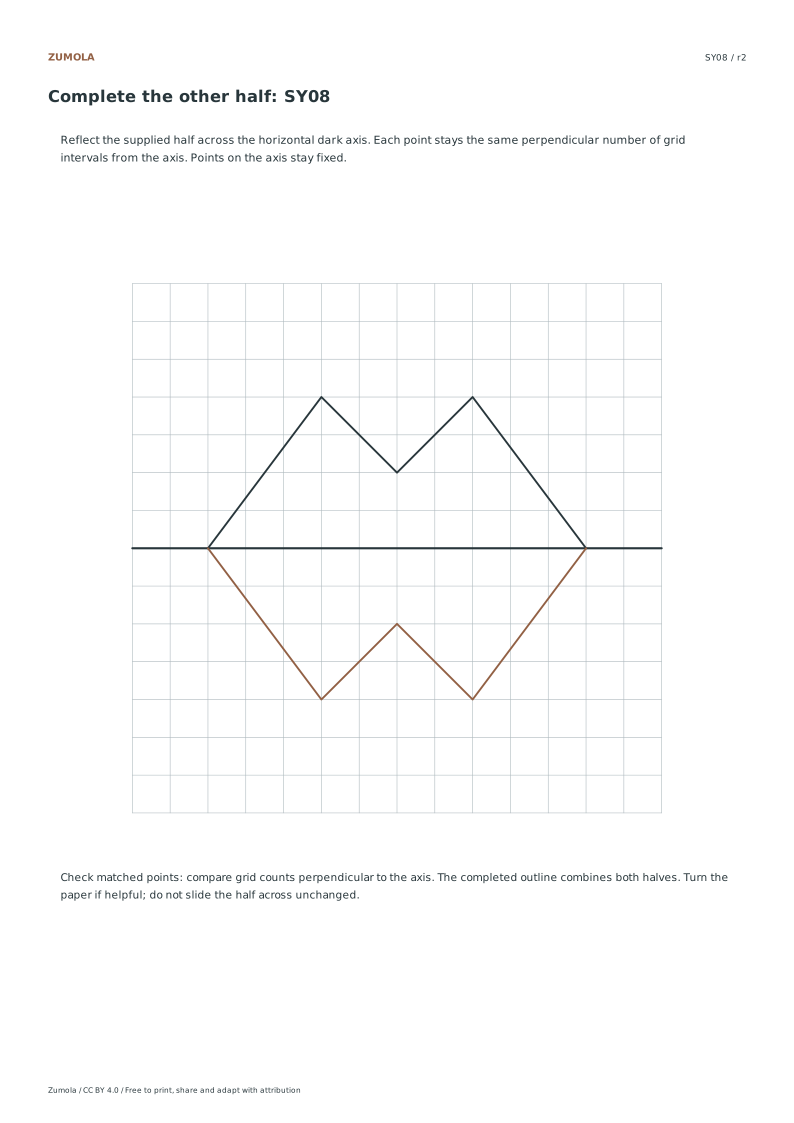
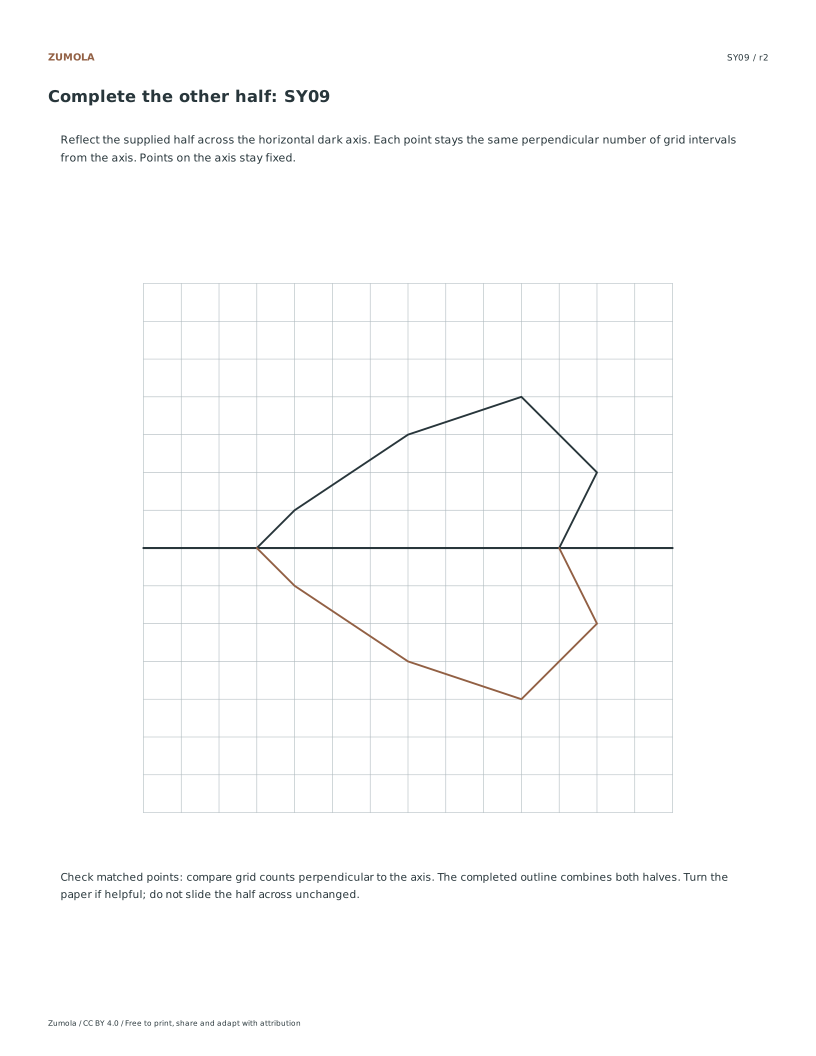
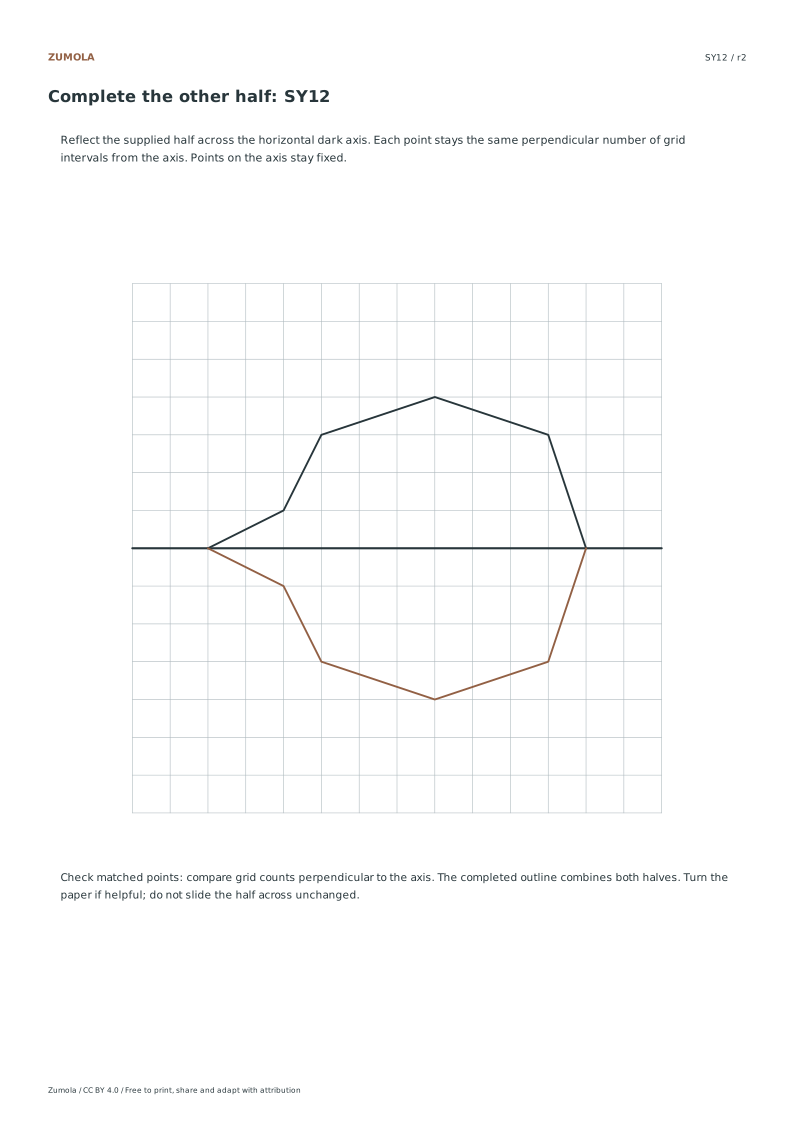
Join the reflected vertices in the same sequence as the original half. The dark axis remains fixed. An endpoint on the axis is shared by both halves; do not draw a second shifted endpoint. The answers use brown for the added half so you can compare corresponding segments.

Work through the page

  1. Locating the Axis of Symmetry

    Begin by identifying the specific axis provided on the worksheet, whether it is a vertical line defined by x equals a or a horizontal line defined by y equals b. This line acts as the mirror for the geometric or simplified plant and animal outlines. It is crucial to recognize that any point lying directly on this axis remains fixed and does not move during the reflection process. Students must carefully observe the single half of the shape presented on the grid. Understanding that the axis is the boundary between the original and reflected halves helps prevent common errors. By anchoring the reflection to this fixed line, learners can accurately determine where each corresponding point on the opposite side should be placed to maintain symmetry.

  2. Applying Coordinate Reflection Rules

    Use the mathematical formulas to calculate the exact position of each reflected point. For a vertical axis at x equals a, the new x coordinate is calculated as two a minus the original x, while the y coordinate remains unchanged. For a horizontal axis at y equals b, the x coordinate stays the same, and the new y coordinate is two b minus the original y. This method ensures precision beyond simple visual estimation. Students should apply these rules to every vertex of the shape. By systematically transforming each coordinate pair, the reflected half is constructed with mathematical accuracy, ensuring the final image is a true mirror image rather than a distorted approximation of the original outline.

  3. Verifying Grid Intervals and Scale

    After plotting the reflected points, verify the distance from the axis using perpendicular grid intervals. For vertical reflections, the horizontal distance from the axis must be identical on both sides, while the vertical height remains preserved. For horizontal reflections, the vertical distance from the axis must match, while the horizontal position stays constant. Ensure the scale remains consistent on both sides of the grid. A common error is copying the shape via translation instead of reflecting it. By counting grid squares perpendicular to the axis, students confirm that the reflected half is correctly positioned. Matching each corresponding vertex checks the intended bilateral symmetry of these straight-segment outlines.

Small checks that catch common errors

Watch forCheck instead
Translating the shape instead of reflecting itEnsure points are mirrored across the axis, not shifted sideways or up. Use the formula two a minus x for vertical axes to find the correct horizontal position.
Ignoring points on the axis of symmetryRemember that points lying directly on the vertical or horizontal axis stay fixed. Do not move these vertices when drawing the reflected half of the shape.
Inconsistent scaling between original and reflected halvesMaintain the same grid scale on both sides. Count perpendicular intervals carefully to ensure the distance from the axis is identical for corresponding points.

Before you begin

Useful answers

Do these worksheets require tracing curves?

No. This collection uses original straight-segment motifs so every corner can be checked by counting intervals. Keep the corners rather than smoothing them into a new shape.

Where is the axis in these worksheets?

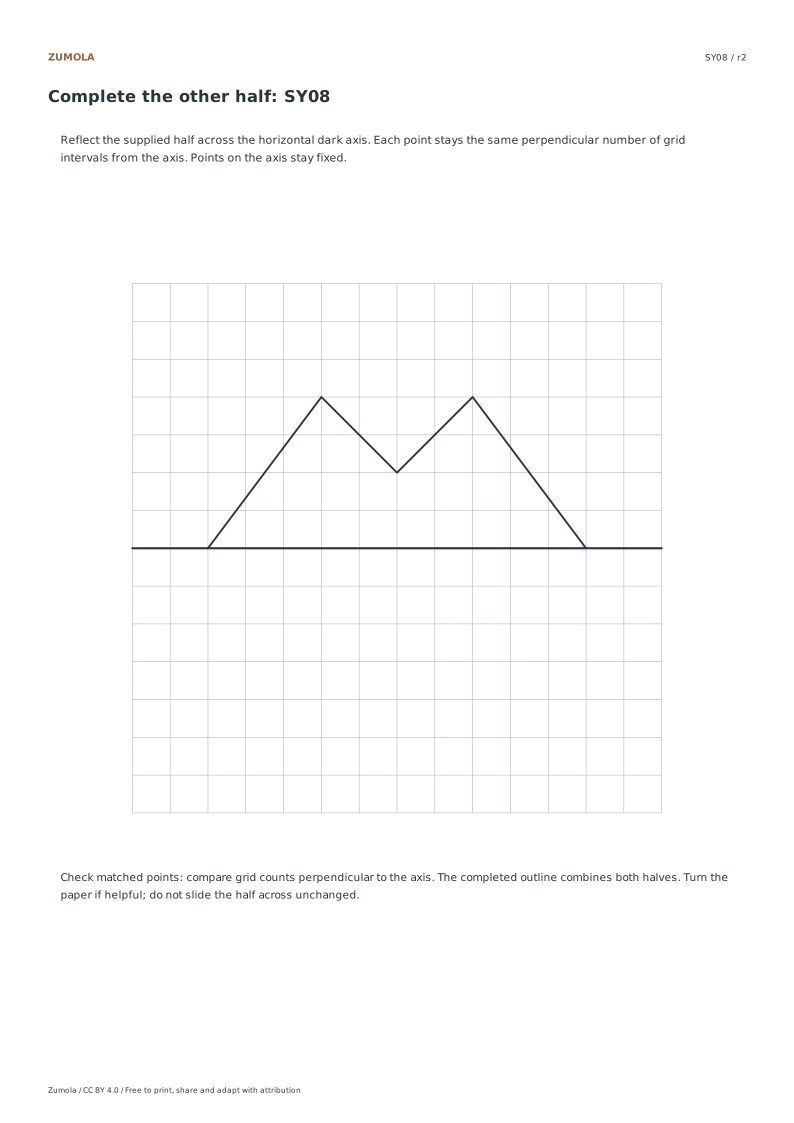
Each sheet has a dark vertical or horizontal axis through the center of the grid. Treat that line as coordinate zero for the reflection example. The original half is dark and the added half is brown in the answer.

Why are the two halves in different shades?

The different shades distinguish the original half provided on the worksheet from the reflected half you draw. This visual separation helps verify that the reflection is complete and correctly positioned.

Are the answers and editable files free too?

Yes. Every linked PDF, SVG, worksheet and answer is free without signup. The original resources use CC BY 4.0: credit Zumola, link the license and indicate changes. Analytics consent is not required to download or use the resources.

Keep practicing

Worksheet preview

Full printable sheet preview

Fit-to-screen preview. Download the PDF to print at actual size.