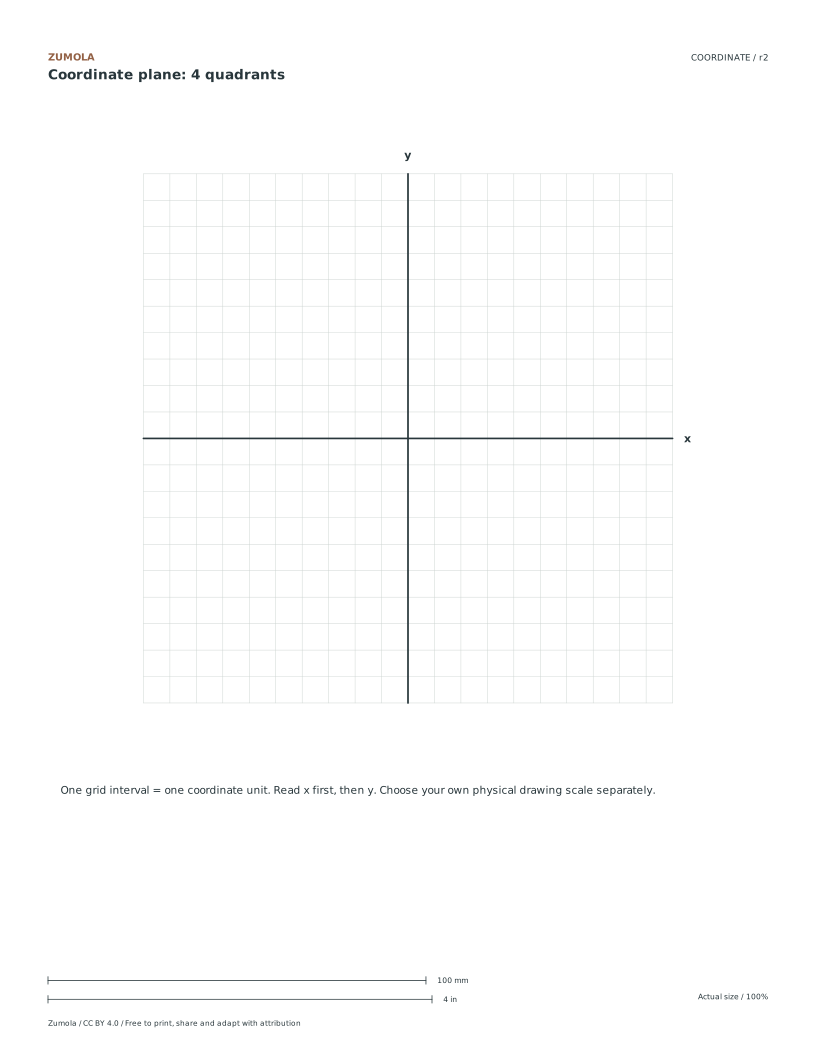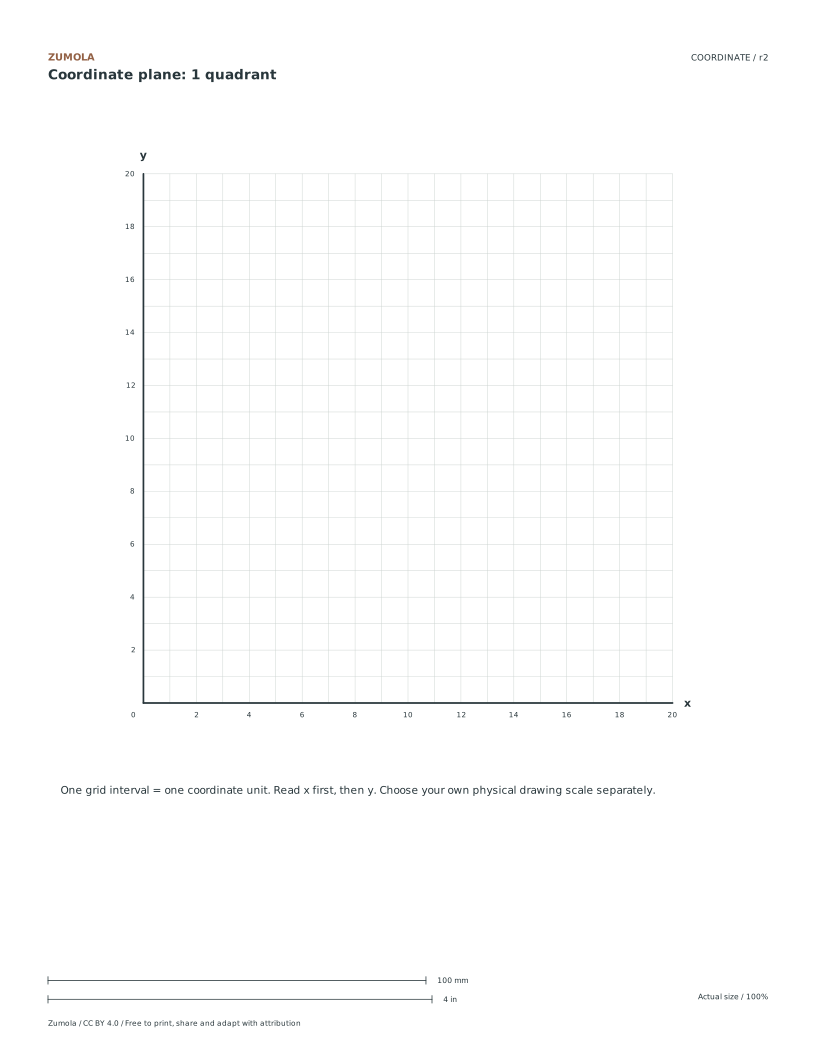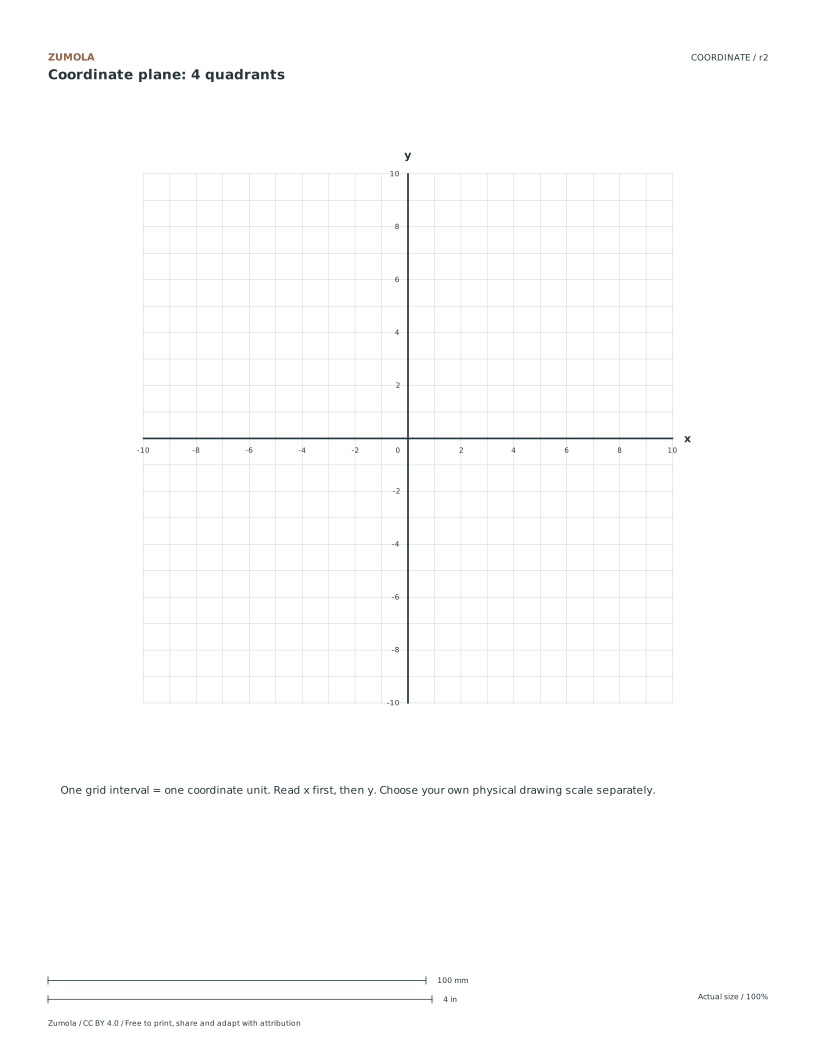
4-quadrant plane with numbers
Original practice with a separate reference answer. Choose Letter or A4.
All paper sizes & editable formats
- PDF: US Letter PDF · editable SVG
- PDF: A4 PDF · editable SVG
Free printable resources · Original practice
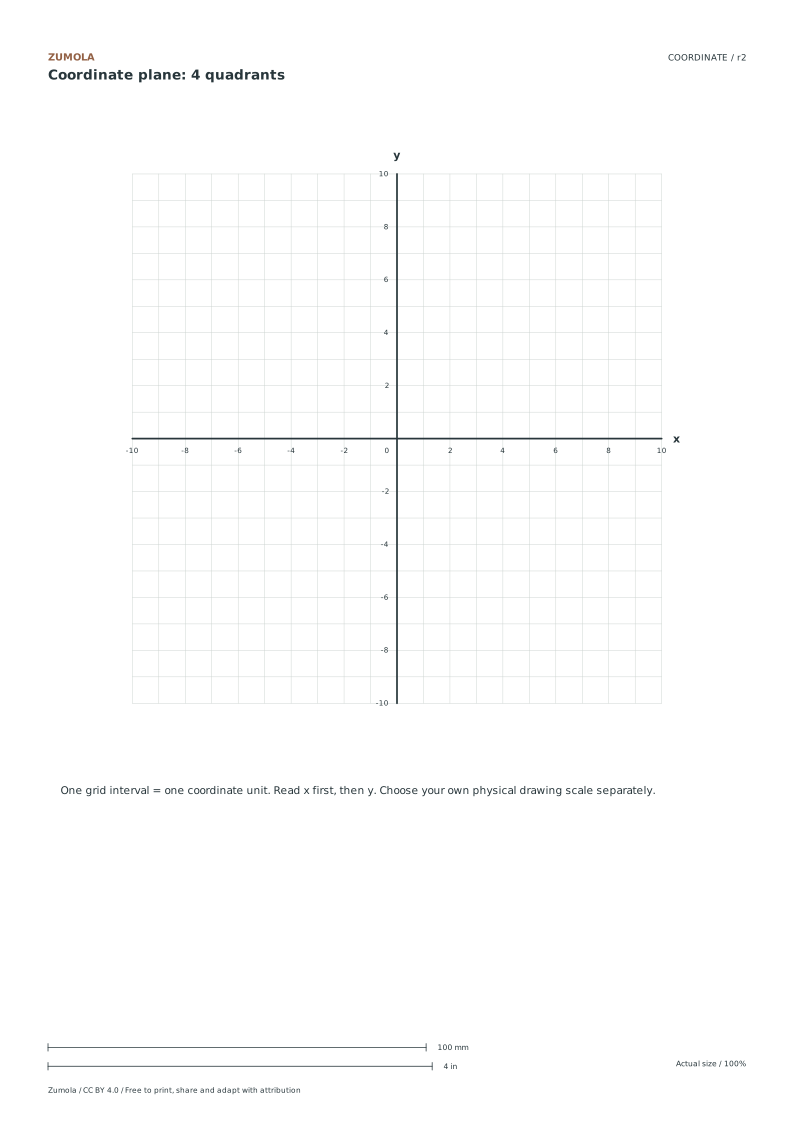
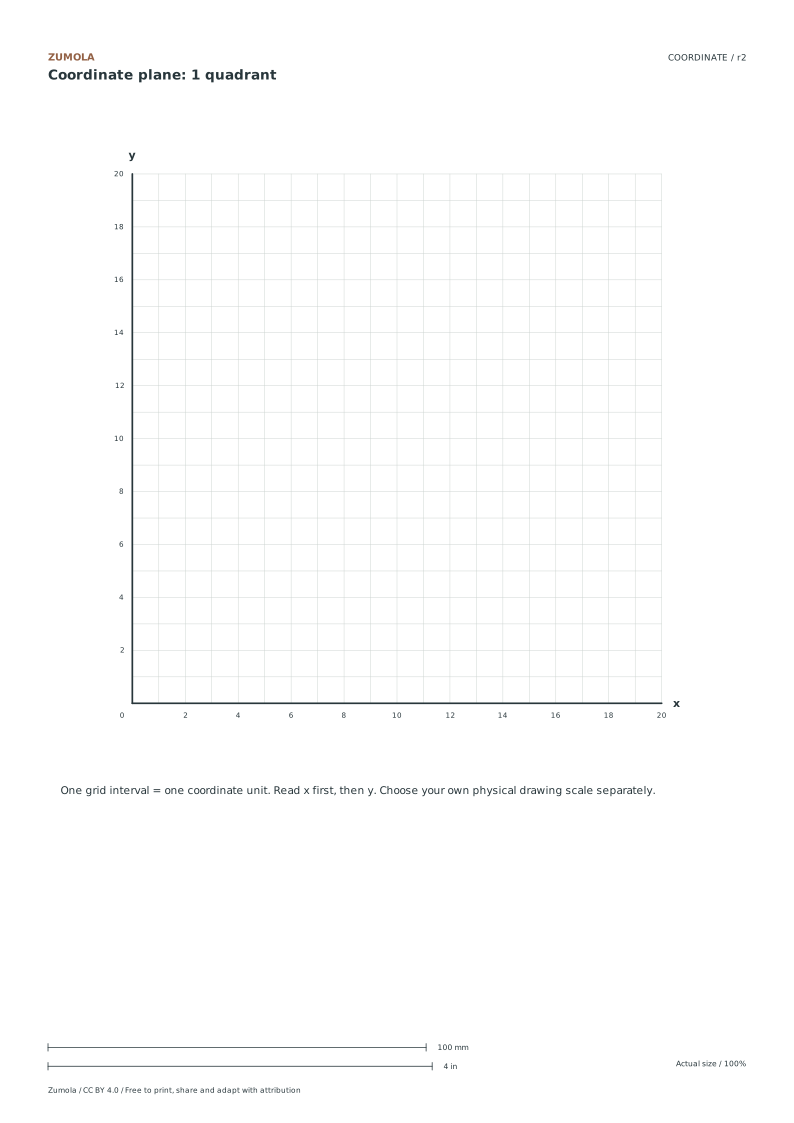
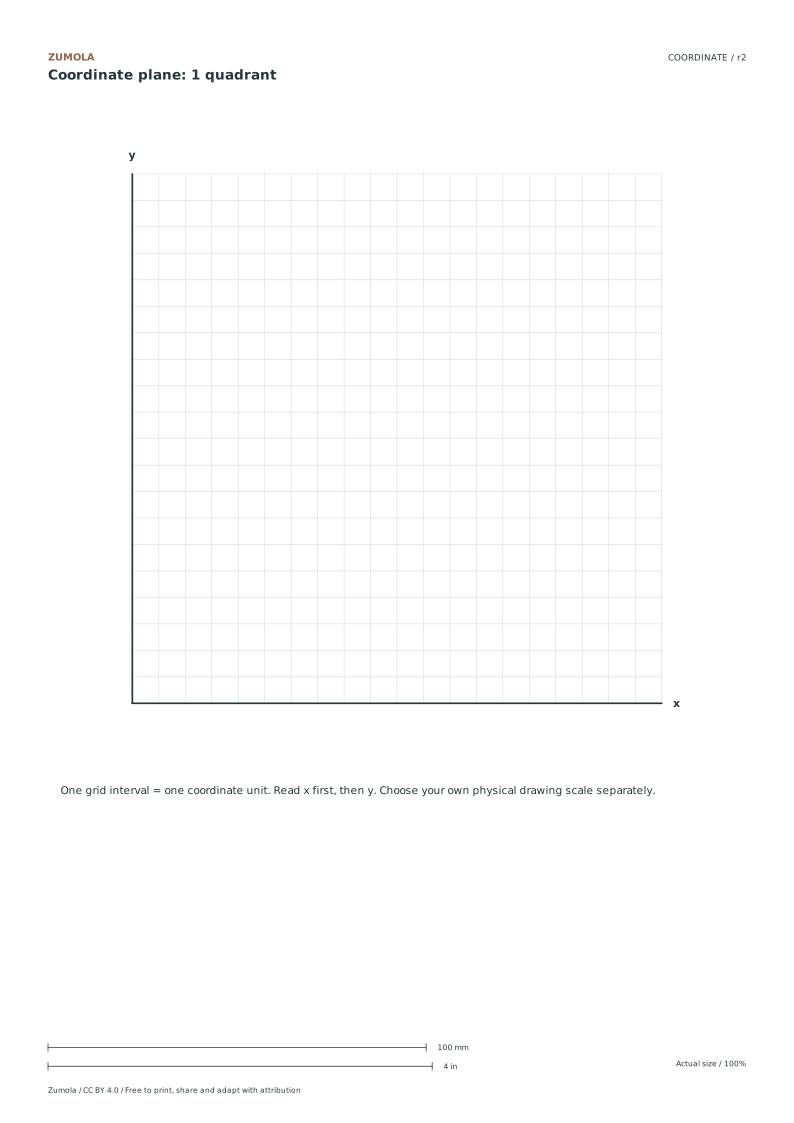
Use a -10 to 10 four-quadrant plane or a 0 to 20 first-quadrant plane. Choose printed tick numbers or label the axes yourself, then practice plotting and reflection.
Original practice with a separate reference answer. Choose Letter or A4.
| Task | Worked result |
|---|---|
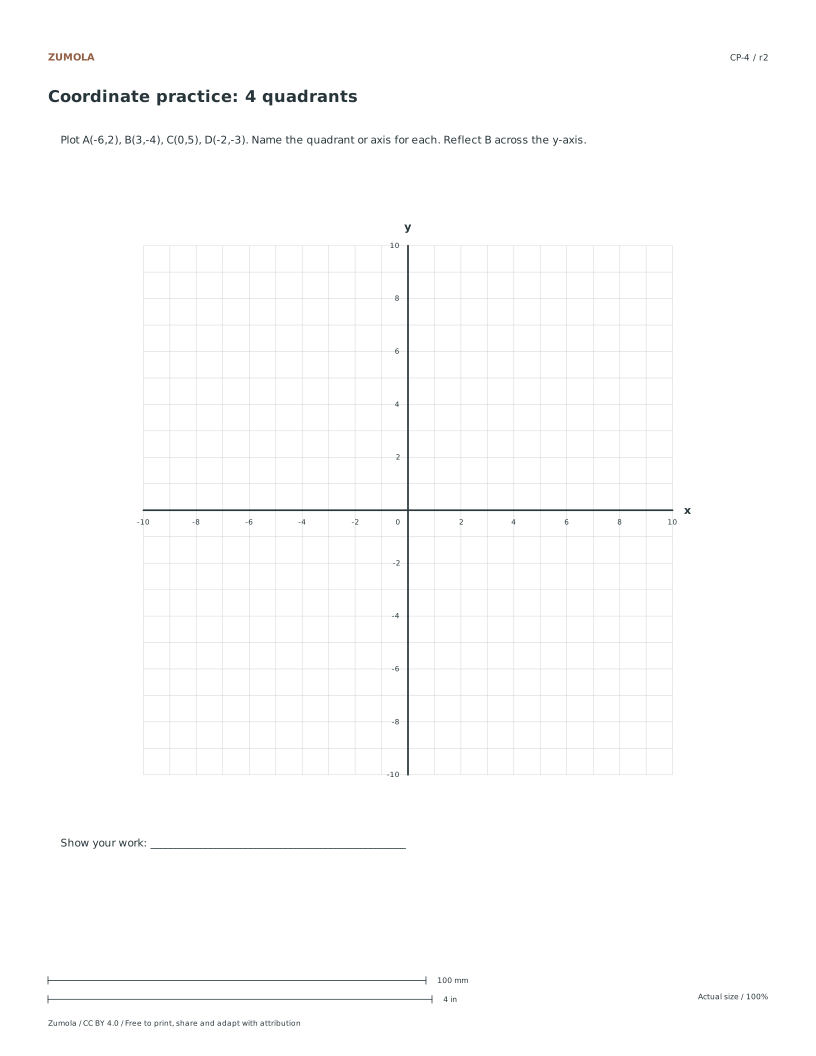
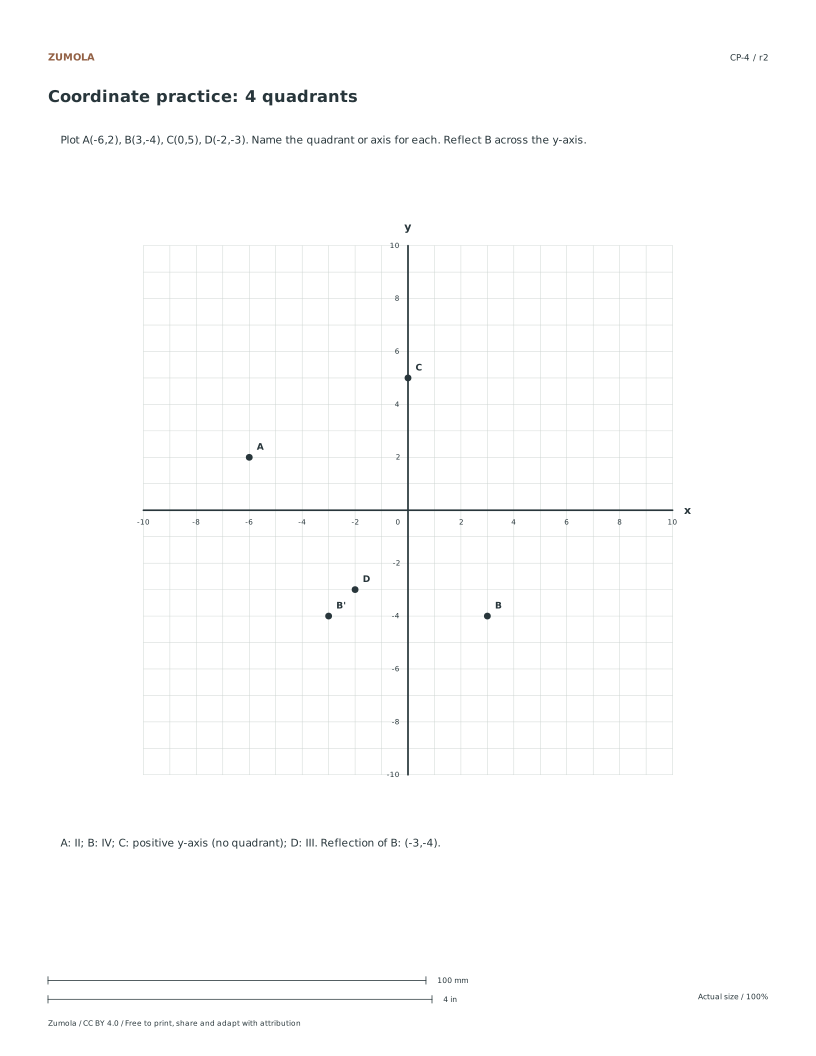
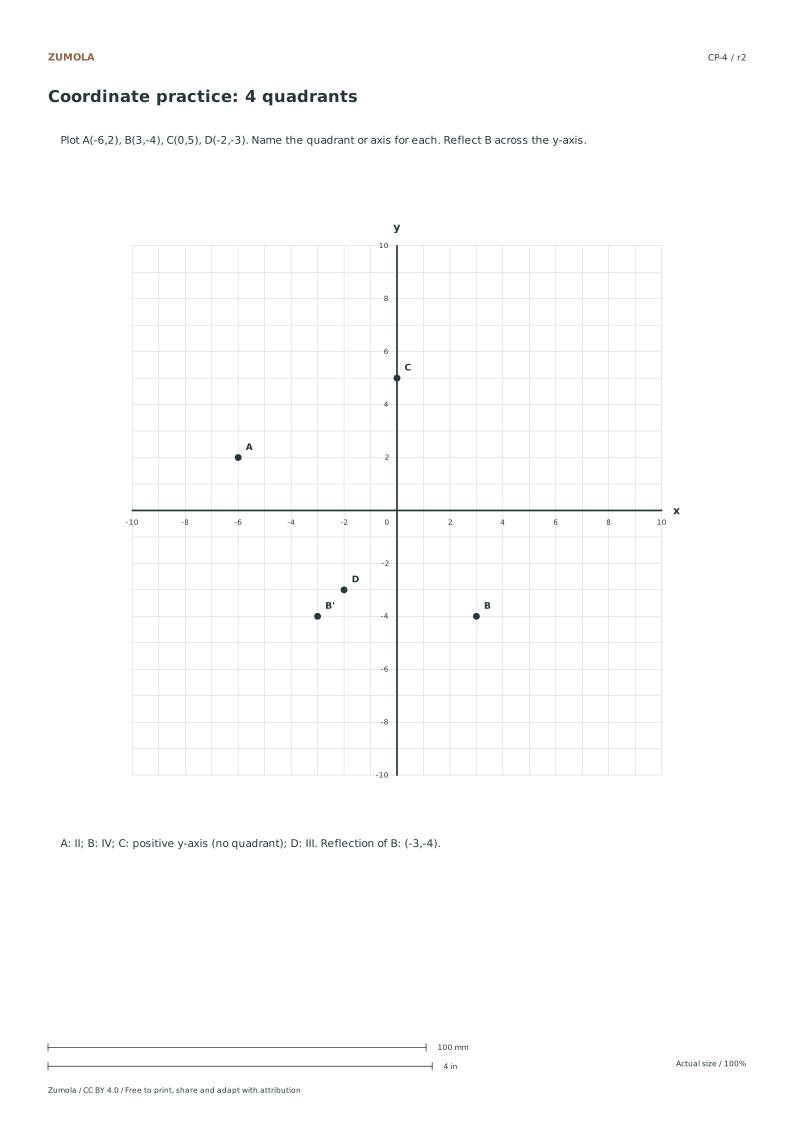
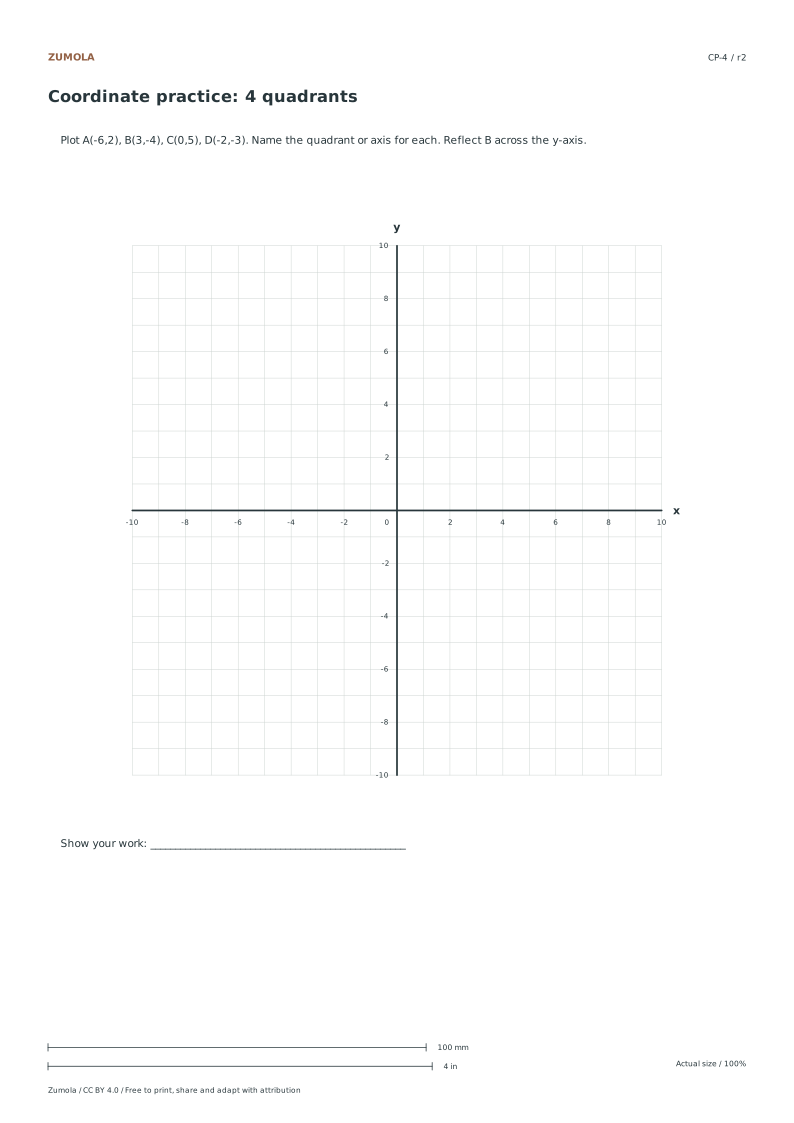
| Plot A(-6,2), B(3,-4), C(0,5), D(-2,-3). Name the quadrant or axis for each. Reflect B across the y-axis. | A: II; B: IV; C: positive y-axis (no quadrant); D: III. Reflection of B: (-3,-4). |
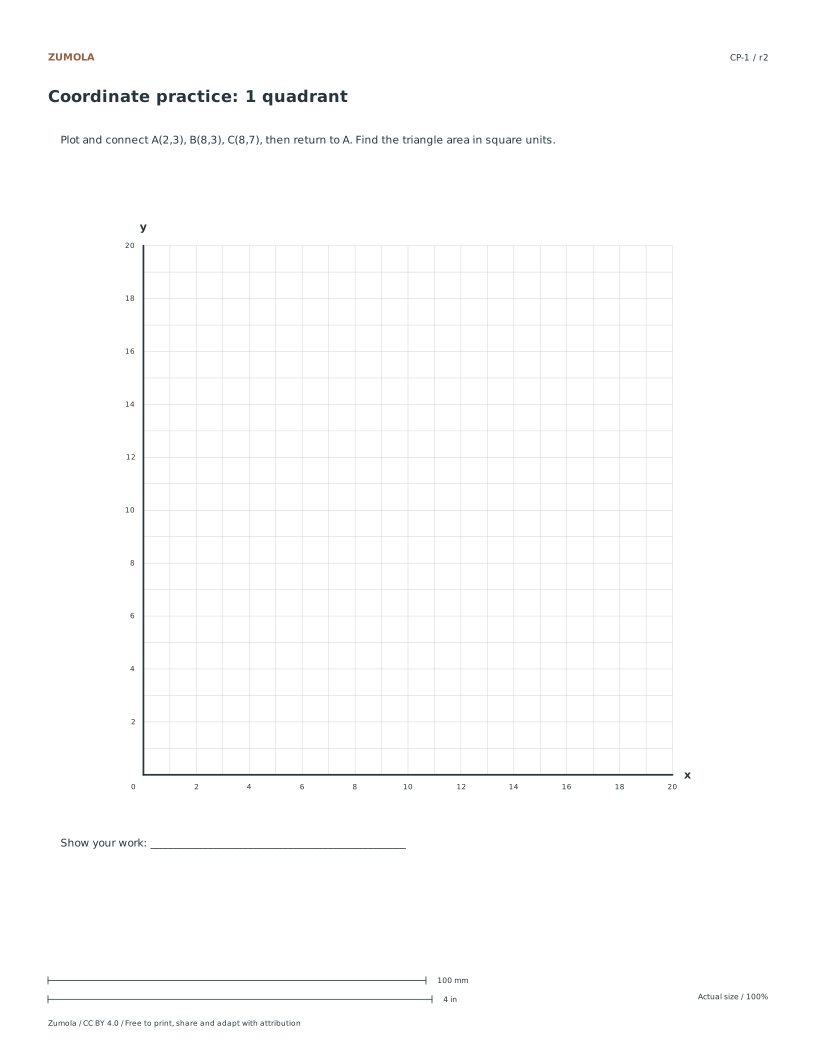
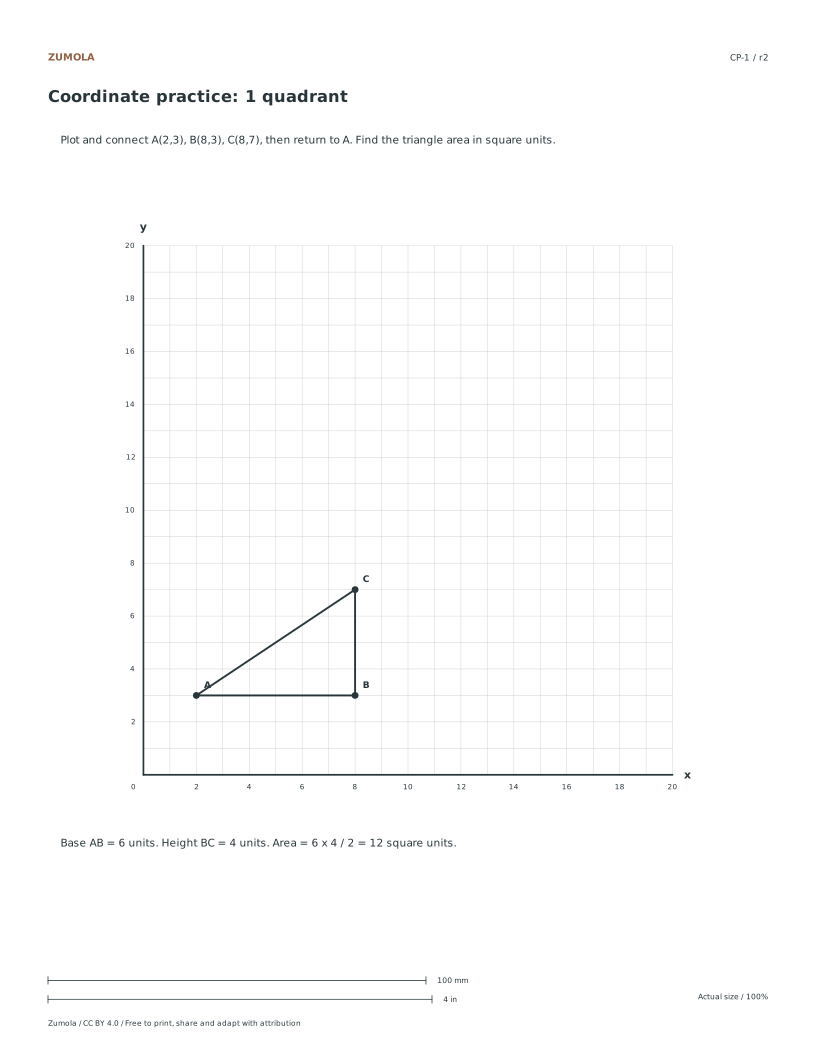
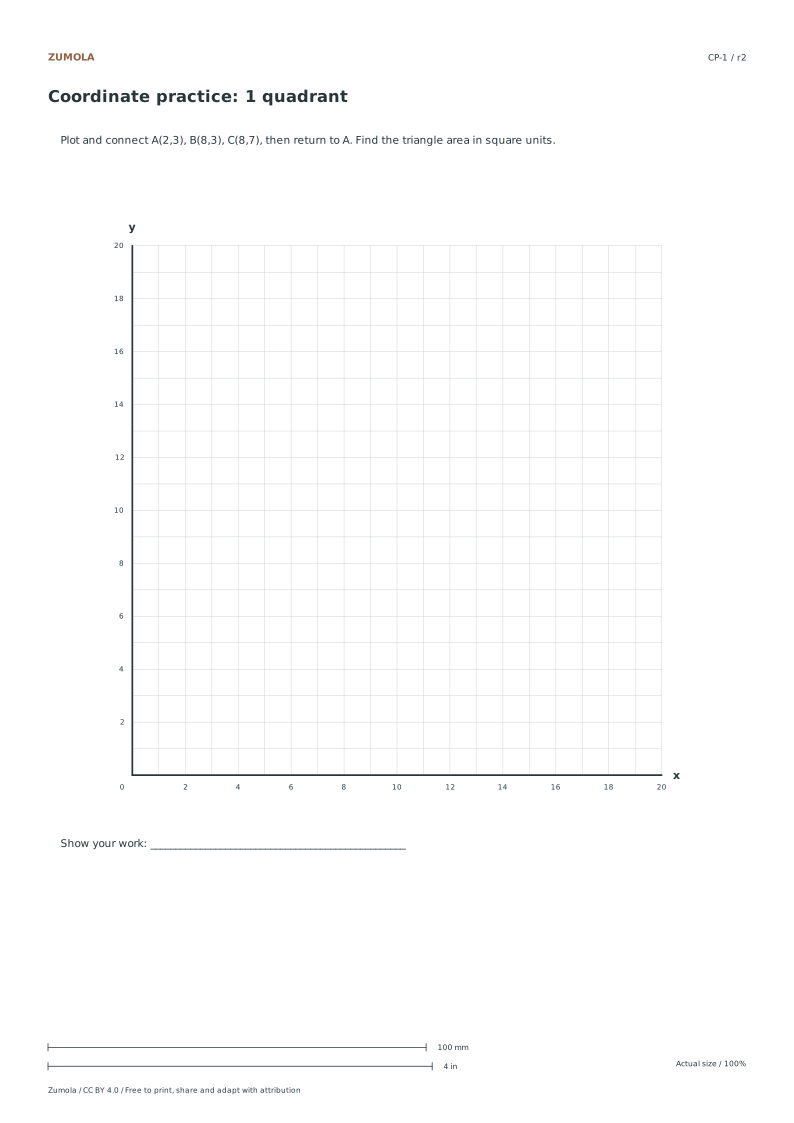
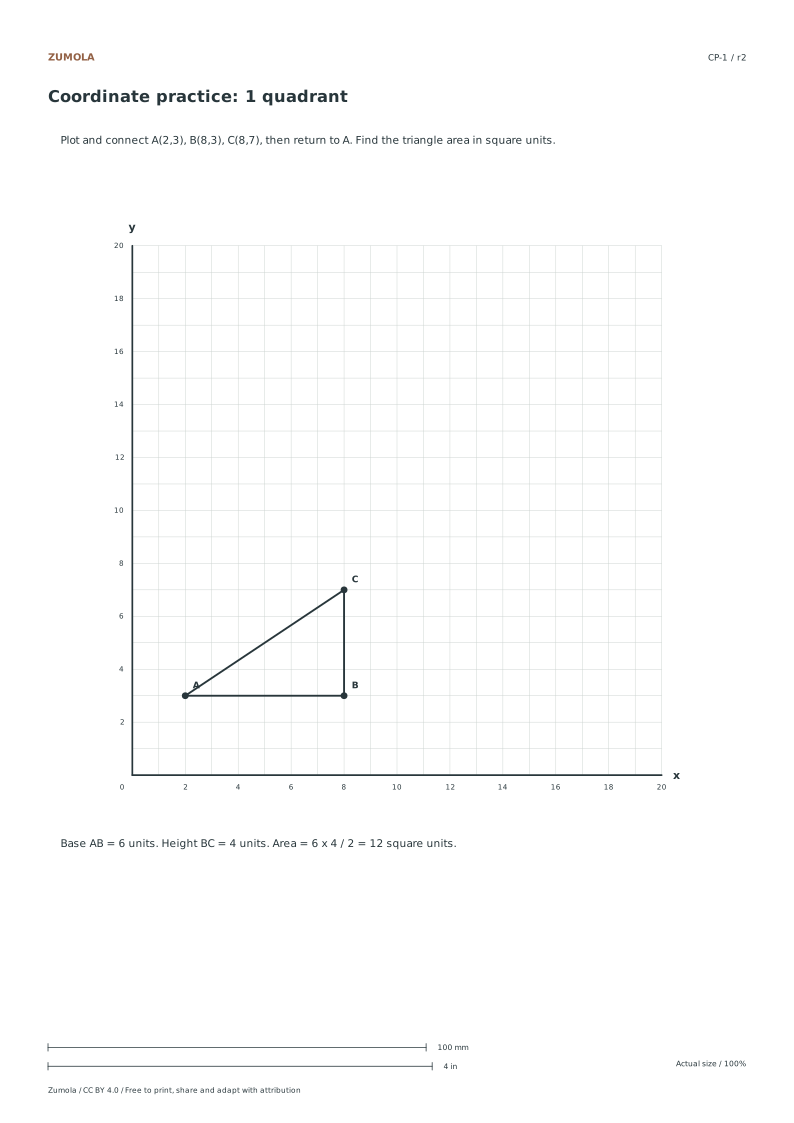
| Plot and connect A(2,3), B(8,3), C(8,7), then return to A. Find the triangle area in square units. | Base AB = 6 units. Height BC = 4 units. Area = 6 x 4 / 2 = 12 square units. |
Tick numbers appear every two units to keep the plane readable; every small interval is one unit. Axis names and grid lines remain in the versions without numbers. Both ranges contain 20 intervals on each axis.
Choose between the four-quadrant grid spanning negative ten to positive ten on both axes or the first-quadrant grid ranging from zero to twenty. Both options feature twenty intervals spaced at seven millimeters per unit to ensure consistent scaling. You may select labeled versions with visible tick numbers or blank unlabeled versions where axis names remain but numerical markers are omitted. This choice depends on whether students need visual guides for plotting or must rely on spatial reasoning to determine coordinates without printed number references on the axes themselves.
Download the file in either Letter or A4 format to match your available paper stock. Since physical printer checks have not been performed, verify that the seven-millimeter unit spacing remains accurate after printing. If the grid appears distorted, adjust your printer settings to ensure no scaling occurs during output. Confirm that the chosen layout, whether four-quadrant or first-quadrant, aligns correctly with the page margins. This step ensures the geometric proportions remain true for accurate plotting exercises and subsequent measurements.
Begin by plotting points A at negative six and two, B at three and negative four, C at zero and five, and D at negative two and negative three. Identify their respective locations in quadrant two, quadrant four, the positive y-axis, and quadrant three. Next, reflect point B across the y-axis to determine its new coordinate at negative three and negative four. Finally, use the first-quadrant grid to plot triangle vertices at two and three, eight and three, and eight and seven to calculate the area.
| Watch for | Check instead |
|---|---|
| Plotting point C at zero and five in quadrant one instead of on the axis. | Point C lies directly on the positive y-axis because its x-coordinate is zero, not inside any quadrant. |
| Reflecting point B across the x-axis instead of the y-axis. | Reflecting B across the y-axis changes the sign of the x-coordinate only, resulting in negative three and negative four. |
| Calculating the triangle area as eight square units. | The triangle with vertices at two and three, eight and three, and eight and seven has an area of twelve square units. |
Before you begin
Each unit interval measures seven millimeters, providing a consistent scale across both the four-quadrant and first-quadrant grid options.
No, the blank unlabeled option retains the x and y axis names but omits the numerical tick marks along the lines.
The printable coordinate planes are available in both standard Letter and international A4 paper formats to accommodate different printer settings.
Yes. Every linked PDF, SVG, worksheet and answer is free without signup. The original resources use CC BY 4.0: credit Zumola, link the license and indicate changes. Analytics consent is not required to download or use the resources.