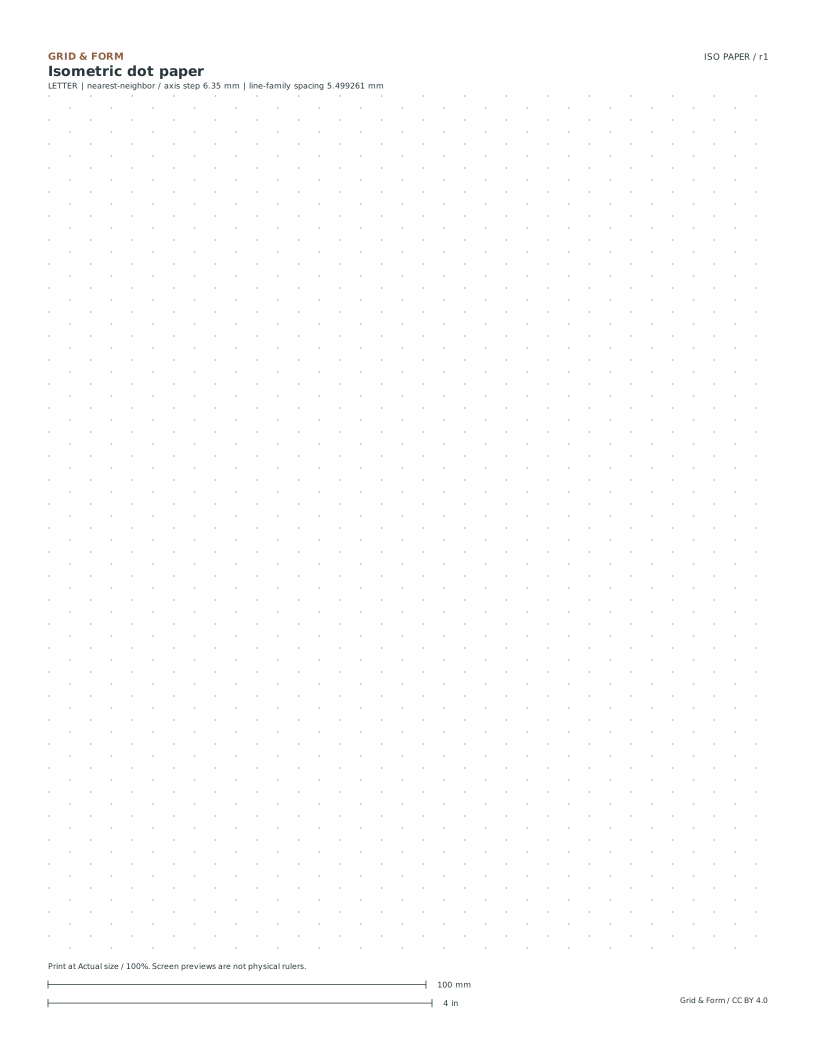
Isometric dot paper
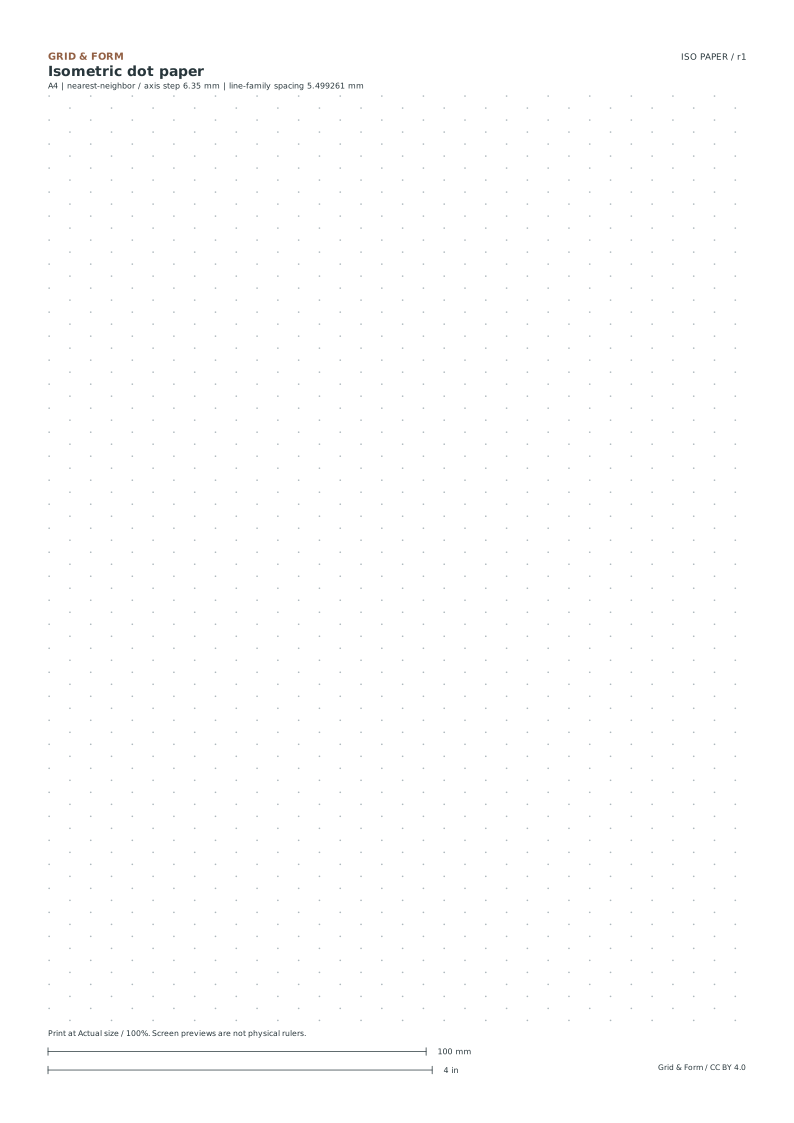
A quieter sheet. Use the dot intersections to find consistent edge directions.
All paper sizes & editable formats
- PDF: US Letter PDF · editable SVG
- PDF: A4 PDF · editable SVG
Dots, lines & solid forms
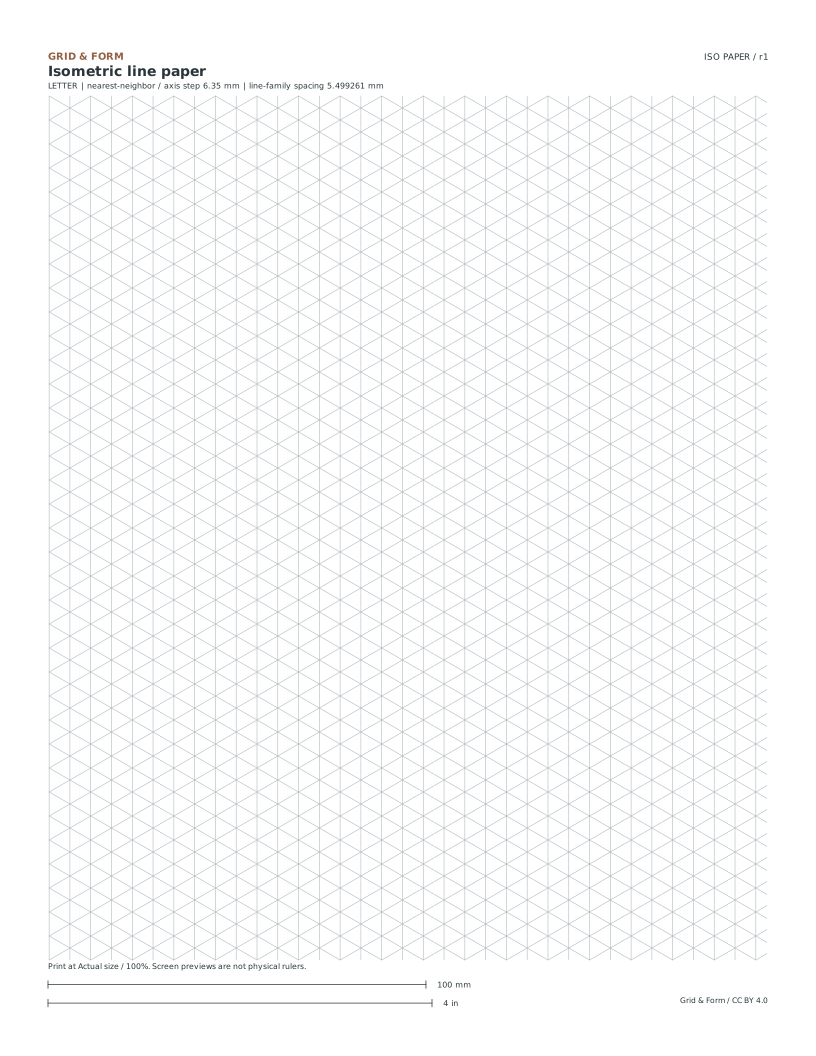
Use a vertical edge and two 30-degree directions to draw a cube, a step or a whole small structure. Download free isometric dot paper and isometric line paper in Letter and A4.
A quieter sheet. Use the dot intersections to find consistent edge directions.
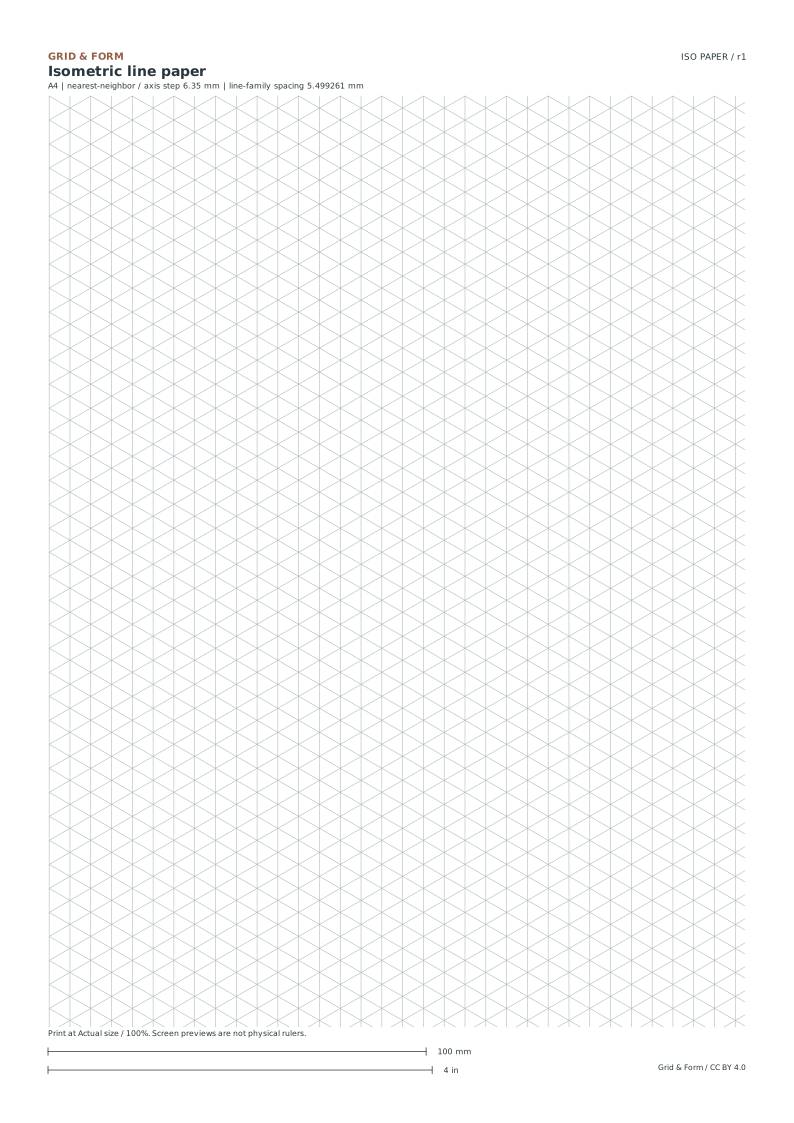
Continuous guides make the three edge families easier to follow.
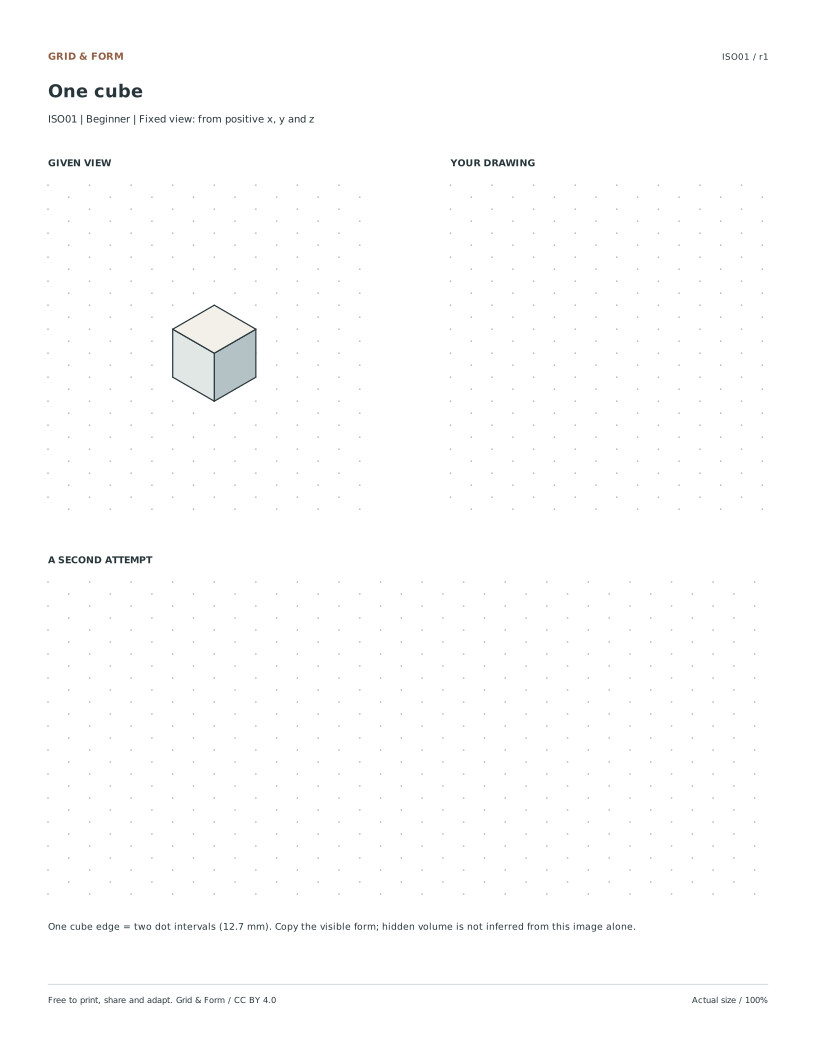
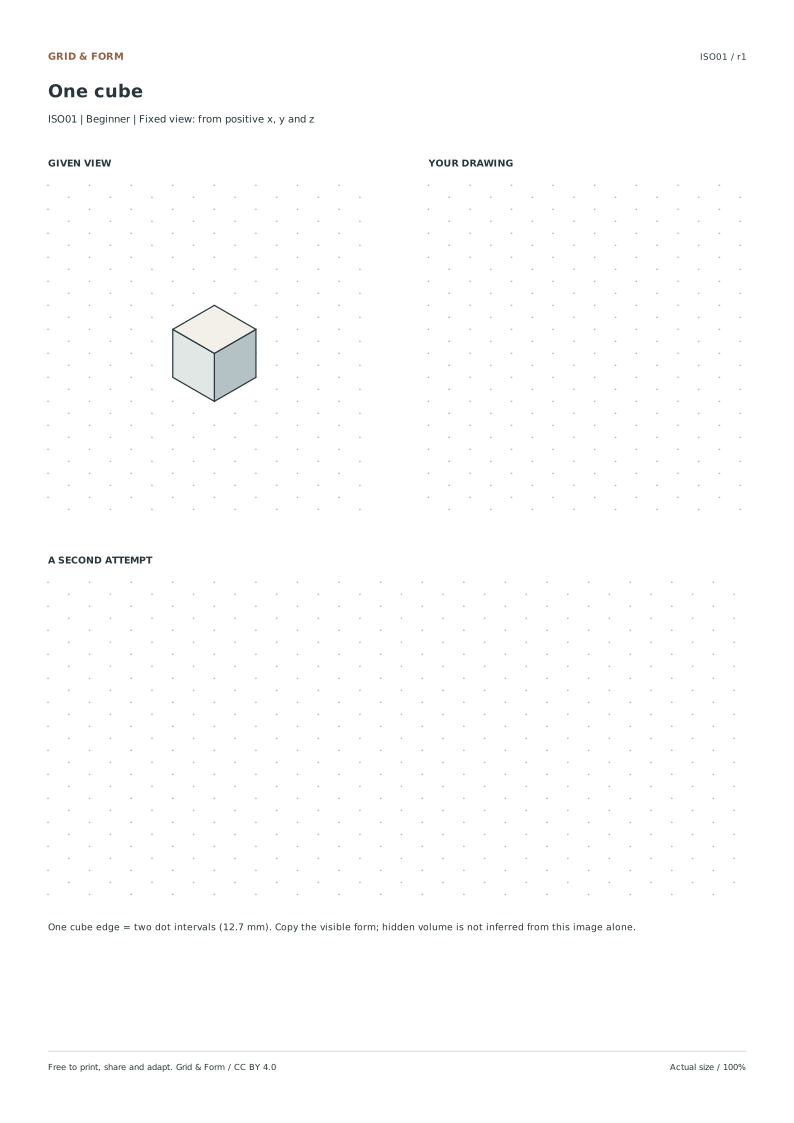
The first exercise uses a 12.7 mm edge: exactly two 6.35 mm lattice steps. All three edge families use the same length.
Pick a dot near the center. Draw two equal edges down-left and down-right along the 30-degree directions. Use two nearest-neighbor intervals for each edge.
From the new endpoints, draw two more equal edges, parallel to the opposite sides. The four corners make a diamond-shaped top.
From the left, lower and right visible top corners, draw vertical lines of the same two-interval length.
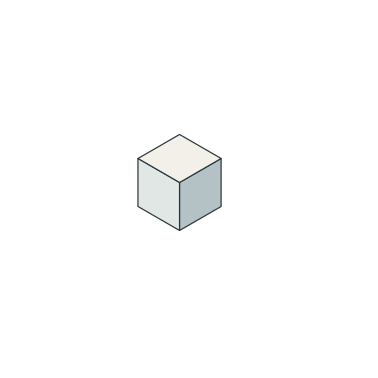
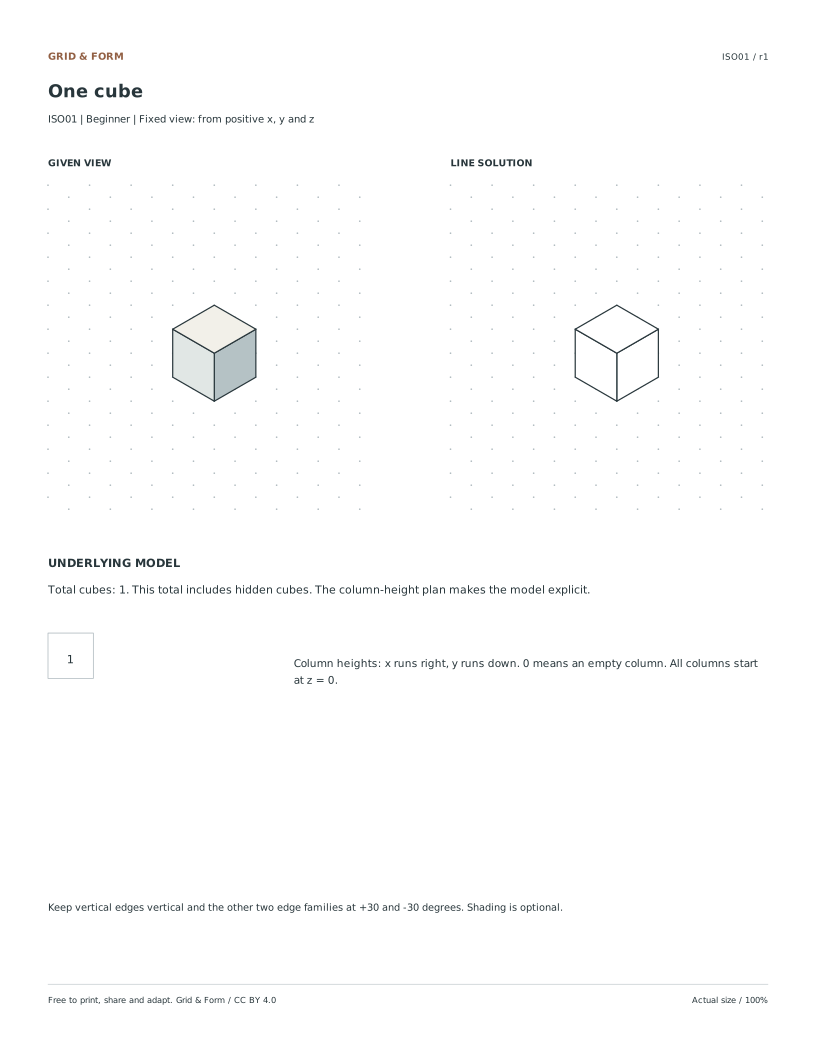
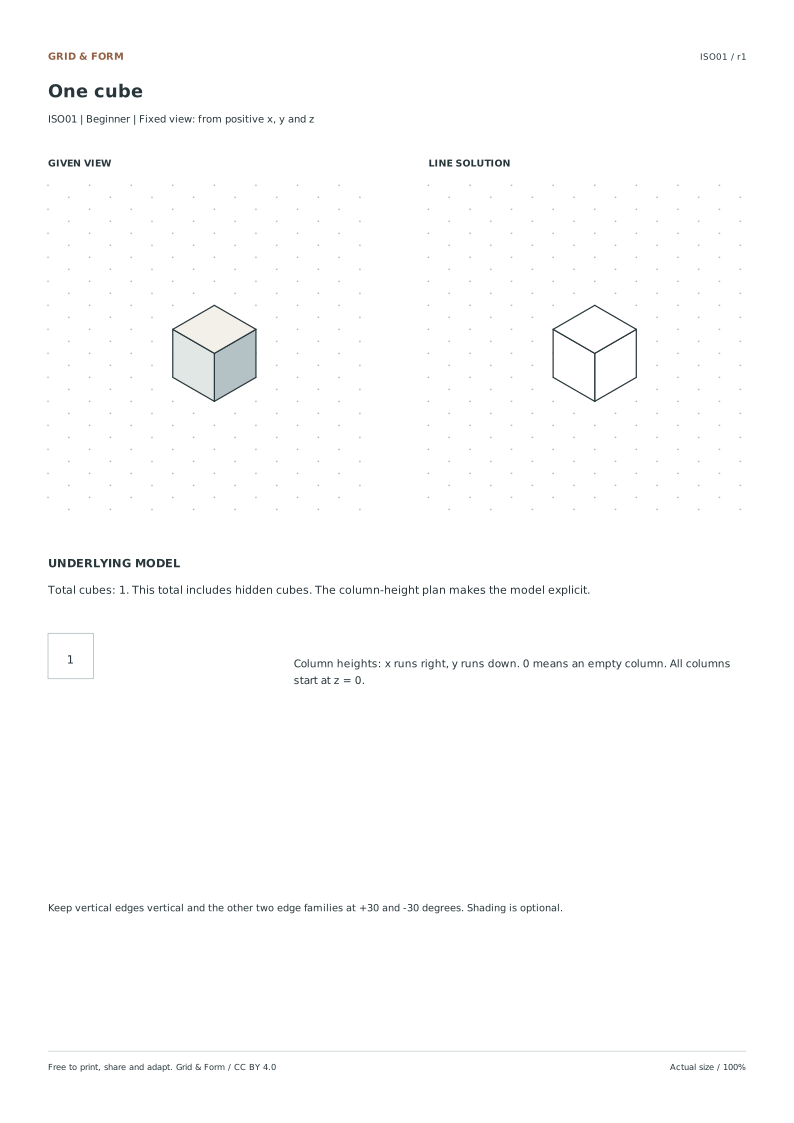
Join the lower endpoints along the two diagonal directions. Keep the rear edges hidden. Compare the visible outline with the one-cube reference.
ISO01 / One cube
In these files, 6.35 mm is the nearest-neighbor distance along a lattice direction. The perpendicular gap between neighboring parallel lines is smaller: 6.35 × √3 ÷ 2 = approximately 5.499261 mm.
Dot columns are 5.499261 mm apart horizontally. Adjacent columns are offset vertically by 3.175 mm. Dots in a single column are 6.35 mm apart vertically. These values make an equilateral triangular lattice.
Corresponding edges remain parallel. They do not converge toward a vanishing point. Here, the vertical direction stays vertical and the other two edge directions sit at +30° and −30° to the horizontal.
These are learning grids for constructing projected forms. They do not carry engineering certification or define dimensions for a manufactured part.
A few useful answers
Start with lines if you want every direction visible. Choose dots when a full lattice makes your own edges harder to see. The two versions share the same 6.35 mm nearest-neighbor step.
No. The horizontal projection of a diagonal 6.35 mm lattice step is about 5.499261 mm. Follow the actual edge direction when measuring an edge.
No. Isometric drawing keeps corresponding projected edges parallel. Perspective drawing uses convergence. This page and the block exercises use the isometric convention.
The exercise solutions include an explicit column-height plan and a total based on that plan. A single visible image may hide cubes; do not infer a unique hidden volume from its silhouette alone.